Ideen zum Hispanic Heritage Month: Teamaktivitäten für die Arbeit

Es gibt Momente im Jahr, die mehr von uns verlangen, als nur hinzusehen. Sie fordern uns auf, zu verstehen. Sie verlangen nach Taten.
Der Hispanic Heritage Month ist ein solcher Moment.
Für viele ist es eine Zeit voller Musik, Essen und Feierlichkeiten. Doch je mehr wir mit Gemeinschaften und Organisationen zusammenarbeiten, desto deutlicher wird uns: Hinter den Feiern verbergen sich tiefere Geschichten – Geschichten von Identität, Migration, Resilienz und Beiträgen, die die Vereinigten Staaten bis heute prägen.
Mehr als 68 Millionen Menschen in den USA identifizieren sich als Hispanic oder Latino, was fast 20 % der Bevölkerungausmacht. Ihr Einfluss erstreckt sich über Branchen, Kulturen und Gemeinschaften hinweg. Dennoch bestehen in vielen Bereichen weiterhin Defizite bei der Repräsentation, wirtschaftliche Ungleichheiten und Herausforderungen beim Zugang zu Chancen.
Eine Analyse aus dem Jahr 2023 von Latinos Lead zeigt, dass Latinos zwar mittlerweile fast 20 % der US-Arbeitskräfte ausmachen, sie jedoch nur einen geringen Anteil an Führungspositionen in der Chefetage innehaben. Dies führt zu einer wachsenden „Latino-Führungslücke“, die sich bis zur Mitte des Jahrhunderts voraussichtlich noch vergrößern wird.
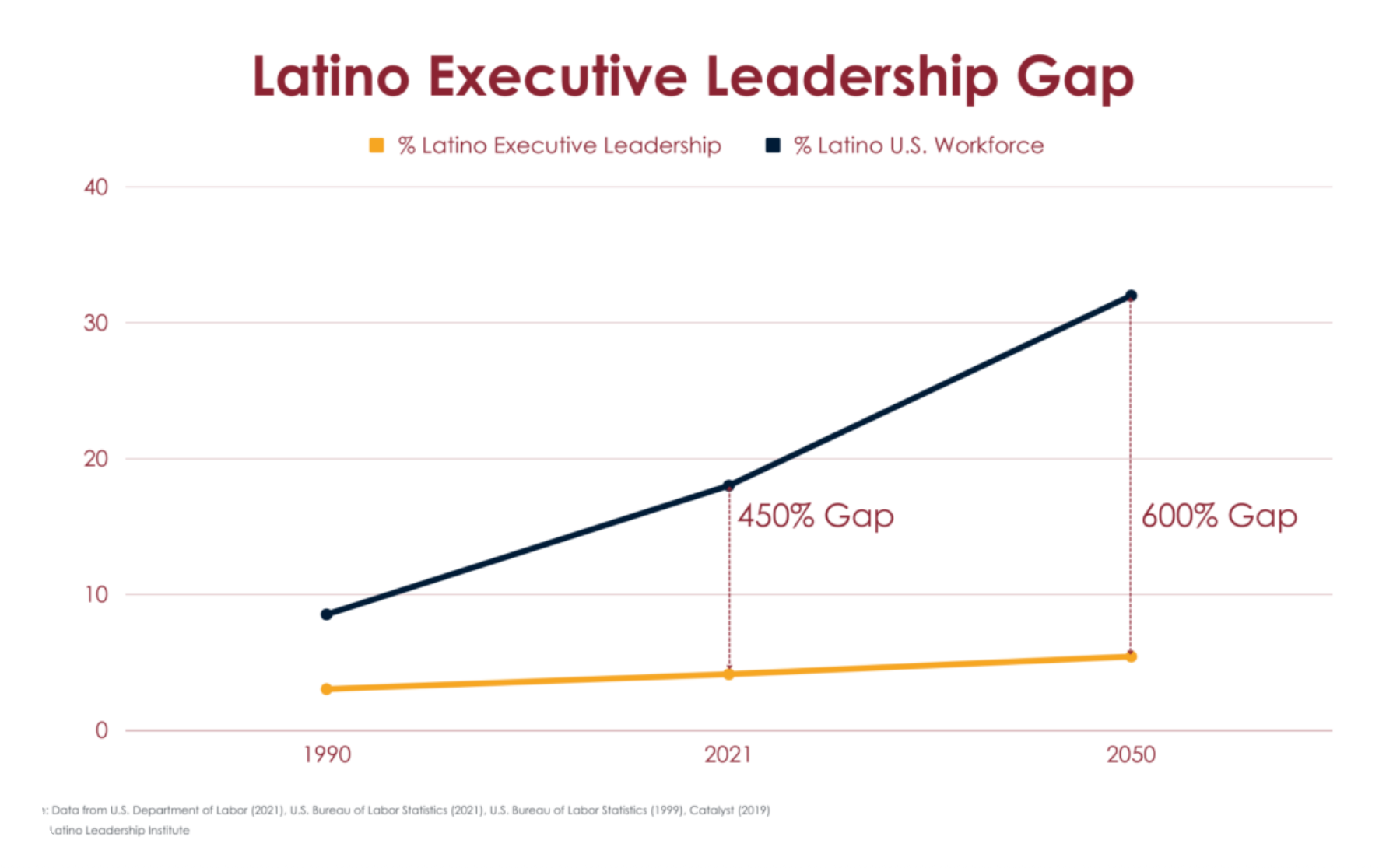
Diese Lücke lässt sich schließen. Doch der erste Schritt ist, sie überhaupt erst anzuerkennen.
Es geht darum, Raum für Bewusstsein zu schaffen, die Beiträge und Herausforderungen hispanischer Gemeinschaften anzuerkennen und kleine, beständige Schritte in Richtung Veränderung zu gehen. Wir haben einige Ideen für den Hispanic Heritage Month besprochen, die als Ausgangspunkt für diesen Wandel dienen können – insbesondere an Ihrem Arbeitsplatz, wo gemeinsames Handeln einen echten Unterschied machen kann.
10 Ideen für den Hispanic Heritage Month am Arbeitsplatz
Wirkung kann viele Formen annehmen und beginnt oft mit kleinen, durchdachten Handlungen. Sie können damit beginnen, Bewusstsein zu schaffen, Gemeinschaften mit wichtigen Ressourcen zu unterstützen und auf gerechtere Chancen am Arbeitsplatz hinzuarbeiten. Mit der Zeit summieren sich diese Bemühungen zu etwas Bedeutsamerem und Nachhaltigerem.
Hier sind einige bewährte Ideen für den Hispanic Heritage Month, mit denen Sie direkt loslegen können:
1. Beginnen Sie mit ehrlichen, bodenständigen Gesprächen
Wenn Sie nicht wissen, wo Sie anfangen sollen, hören Sie einfach zu.
Holen Sie Stimmen aus Ihrem Unternehmen oder von externen Experten ein, die von echten Erfahrungen berichten können. Keine Hochglanz-Vorträge, sondern ehrliche Worte. Gespräche über Identität, das Navigieren zwischen verschiedenen Kulturen oder die Frage, wie Repräsentation am Arbeitsplatz tatsächlich aussieht, finden meist den größten Anklang.
Sie können es ganz einfach halten:
- Ein moderiertes Gespräch mit Mitarbeitenden
- Eine kleine Diskussionsrunde mit verschiedenen Perspektiven
- Oder ein lockeres Kamingespräch mit einem einzelnen Redner
Das Ziel ist nicht, „alles abzudecken“. Es geht darum, einen Raum zu schaffen, in dem die Teilnehmenden mit neuen Erkenntnissen nach Hause gehen.
2. Organisieren Sie Freiwilligenaktionen für den Hispanic Heritage Month
Freiwilligenarbeit hilft dabei, vom Reden ins Handeln zu kommen. Sie gibt Mitarbeitenden die Möglichkeit, ihre Zeit und Energie auf eine Weise einzubringen, die sichtbar und greifbar ist und sofort Wirkung zeigt.
Hier sind einige Ideen für Freiwilligenarbeit mit Ihrem Team während des Hispanic Heritage Month:
2.1. Freiwilligenarbeit im Büro und Unterstützung der Gemeinschaft (Worte in Taten umsetzen)
Hier werden aus Gesprächen direkte Auswirkungen.
Sie können:
- Unterstützen Sie hispanische und lateinamerikanische Jugendliche durch Mentoring-Programme, ob kurzfristig oder langfristig
- Stellen Sie Hilfspaketezusammen und verteilen Sie diese, einschließlich Hygieneartikeln und sanitären Hilfsmitteln, zu denen Schüler nicht immer Zugang haben
- Arbeiten Sie mit gemeinnützigen Organisationen zusammen, um psychologische Unterstützungsangebote für hispanische Jugendlichezu schaffen oder zu finanzieren – ein Bereich, in dem es oft an ausreichender Hilfe mangelt
- Engagieren Sie sich ehrenamtlich für Bildungs- und Förderprogrammeund unterstützen Sie Schüler bei der akademischen Orientierung oder dem Kompetenzaufbau
Dieser Ansatz ist deshalb so effektiv, weil er Bewusstsein mit konkretem Handeln verbindet. Die Mitarbeiter lernen nicht nur etwas dazu, sondern leisten einen Beitrag, der Schüler und Gemeinschaften direkt unterstützt.
2.2. Virtuelle Aktivitäten zum Hispanic Heritage Month
Virtuelle Formate erleichtern es, vielfältige Perspektiven einzubinden und ein breiteres Publikum an verschiedenen Standorten zu erreichen.
Sie können:
- Veranstalten Sie Vorträge oder Podiumsdiskussionen mit Gemeindevertretern, Pädagogen oder Fachleuten, die ihre Erfahrungen zu Themen wie Identität, Einwanderung oder Repräsentation teilen
- Organisieren Sie Berufsvorbereitungskurse bei denen Mitarbeitende hispanische und lateinamerikanische Jugendliche beim Erstellen von Lebensläufen, bei der Vorbereitung auf Vorstellungsgespräche und beim Einstieg ins Berufsleben unterstützen
- Durchführung von virtuellen Mentoring-Zirkeln, bei denen Mitarbeitende und Studierende für eine kontinuierliche Begleitung zusammengebracht werden
- Zusammenarbeit mit gemeinnützigen Organisationen zur Unterstützung von Aufklärungssitzungen zur psychischen Gesundheit für hispanische Jugendliche, mit Fokus auf Zugangsmöglichkeiten, Stigmatisierung und Unterstützungssysteme
Diese Formate sind effektiv, da sie logistische Hürden abbauen und dennoch einen wertvollen Austausch ermöglichen.
2.3. Präsenzveranstaltungen (tiefergehendes, persönlicheres Engagement)
Persönliche Treffen fördern tendenziell stärkere Verbindungen und offenere Gespräche.
Möglichkeiten:
- Laden Sie Gastredner in Ihr Büro oder in lokale Gemeinschaftseinrichtungen ein, um persönliche Werdegänge und kulturelle Perspektiven zu teilen
- Organisieren Sie Diskussionsrunden in kleinen Gruppen oder Gesprächskreise, in denen Mitarbeitende direkter in den Austausch treten und Fragen stellen können
- Veranstalten Sie Interaktionssitzungen mit Studierenden, in denen Mitarbeitende in einem informelleren und nahbareren Rahmen über ihre Karrierewege sprechen
Diese Erfahrungen wirken oft unmittelbarer und persönlicher, was dazu beiträgt, Empathie und Verständnis auf greifbare Weise zu fördern.
3. Partnerschaften mit gemeinnützigen Organisationen, die hispanische Gemeinschaften unterstützen
Sie müssen nicht alles von Grund auf neu aufbauen.
Es gibt bereits Organisationen, die eng mit hispanischen Gemeinschaften zusammenarbeiten und täglich Studierende, Familien und kleine Unternehmen unterstützen. Eine Partnerschaft mit ihnen verleiht Ihren Bemühungen Fokus und Richtung.
Sie können einen Beitrag leisten durch:
- Finanzierung von Bildungs- oder Stipendienprogrammen
- Unterstützung von Initiativen zur Personalentwicklung
- Förderung von Programmen, die kleinen Unternehmen beim Wachstum helfen
Organisationen wie der Hispanic Scholarship Fund und UnidosUS verfügen über eine große Reichweite und etablierte Programme, wodurch Ihre Unterstützung genau dort ankommt, wo sie benötigt wird.
Dieser Ansatz ist effektiv, da er auf bestehenden Strukturen aufbaut, anstatt kurzlebige Projekte zu schaffen.
4. Gezielte Unterstützung von Unternehmen in hispanischem Besitz
Wenn Sie sofort etwas bewirken möchten, prüfen Sie, wohin Ihre Ausgaben fließen.
Nutzen Sie diesen Monat, um hispanische Unternehmer und Kreative gezielt zu unterstützen – nicht nur durch Worte, sondern indem Sie deren Sichtbarkeit und Nachfrage aktiv fördern.
Ein paar einfache Möglichkeiten hierfür:
- Erstellen Sie eine Liste mit Unternehmen, die Ihre Mitarbeitenden entdecken können
- Laden Sie einige Anbieter ein, ihre Produkte zu präsentieren
- Bieten Sie kleine Zuschüsse an, die Mitarbeitende nutzen können, um diese Unternehmen zu unterstützen
Tipp: Sie können auch mit lokalen Latino- und hispanisch geführten Unternehmen zusammenarbeiten, um Waren zu beziehen und diese direkt in gemeinnützige Initiativen wie Spendenaktionen einfließen zu lassen. Auf diese Weise unterstützen Sie kleine Unternehmen und stellen gleichzeitig Ressourcen für bedürftige Gemeinschaften bereit – ein Gewinn für beide Seiten.
Es ist nur eine kleine Veränderung, aber sie hat große Wirkung. Sichtbarkeit und der Zugang zu Kunden sind für kleine Unternehmen oft die größten Hürden.
5. Kulturelle Erlebnisse rund um das hispanische Erbe und seine Traditionen gestalten
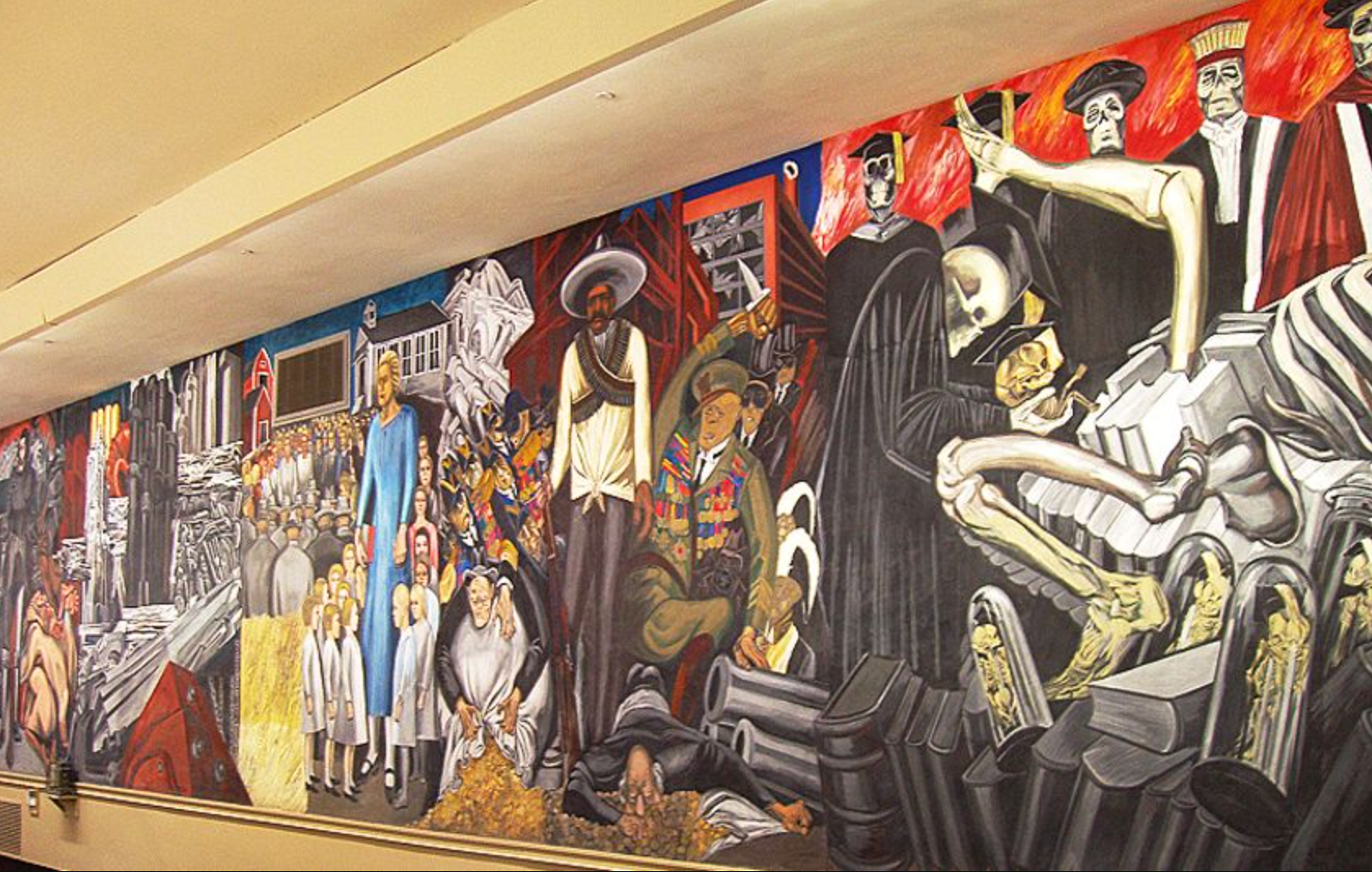
Essen, Musik und Kunst sind oft die einfachsten Einstiegspunkte, bleiben ohne Kontext jedoch oberflächlich. Wenn Sie kulturelle Erlebnisse planen, gehen Sie einen Schritt weiter. Geben Sie ihnen Bedeutung.
Sie könnten zum Beispiel:
- Sich auf eine bestimmte Region und deren Küche konzentrieren
- Die Geschichte hinter einem Musikgenre oder einem Künstler teilen
- Eine Kunstausstellung mit dem dazugehörigen historischen Hintergrund verbinden
Es muss nicht akademisch sein. Geben Sie den Menschen einfach genug Kontext, damit sie verstehen, was sie erleben, anstatt es nur zu konsumieren.
Was man leicht übersieht: Viele dieser kulturellen Ausdrucksformen, Küchen, kleinen Restaurants, unabhängigen Künstler, Hersteller traditioneller Kleidung und Tanzgruppen sind nicht nur Ausdruck von Feierlichkeiten. Sie sind auch Lebensgrundlagen, die oft um Sichtbarkeit und beständige Unterstützung kämpfen müssen.
Nehmen wir das Essen. Hinter jedem Gericht steht oft ein kleiner Familienbetrieb, der versucht, sich in einem hart umkämpften Markt zu behaupten. Viele hispanisch geführte Restaurants bieten tief verwurzelte regionale Rezepte an – ob oaxakisch, puerto-ricanisch, dominikanisch oder peruanisch –, erhalten aber nicht immer die gleiche Aufmerksamkeit wie kommerziellere Küchen.
Dasselbe gilt für Künstler und Performer. Eine lokale Salsa- oder Folklórico-Tanzgruppe bewahrt vielleicht jahrelange Traditionen, ist aber dennoch auf saisonale Auftritte und Gemeindeveranstaltungen angewiesen, um zu überleben. Unternehmen, die traditionelle Kleidung, handgefertigte Textilien oder Stickereien herstellen, konkurrieren oft mit Massenware, die zwar billiger ist, aber keine kulturelle Authentizität besitzt.
Selbst in der Musik und bildenden Kunst sind unabhängige Kreative häufig auf die Unterstützung der Gemeinschaft angewiesen, um ihre Arbeit fortführen zu können.
Wenn Sie diese Aspekte durchdacht in Ihren Arbeitsalltag integrieren – nicht nur als Unterhaltung, sondern als Geschichten, Schöpfer und Unternehmen, die Unterstützung verdienen –, verändert das die Dynamik.
Zum Beispiel:
- Statt eines Standard-Caterings könnten Sie ein lokales hispanisch geführtes Restaurant hervorheben und dessen Geschichte mit Ihren Mitarbeitern teilen
- Wenn Sie einen Auftritt organisieren, stellen Sie die Tanzform vor, erklären Sie, woher sie kommt und was sie repräsentiert
- Wenn Sie Kunst oder Kleidung präsentieren, fügen Sie Informationen zum Hintergrund des Künstlers, zum Entstehungsprozess und zur kulturellen Bedeutung hinzu
Das bewirkt zweierlei: Es bietet Mitarbeitenden eine bereichernde, sinnvollere Erfahrung und lenkt Aufmerksamkeit – und oft auch Umsatz – auf Menschen, die ihre Kultur aktiv bewahren und repräsentieren.
Auf lange Sicht ist diese Sichtbarkeit entscheidend. Sie hilft diesen Unternehmen und Kunstschaffenden nicht nur dabei, am gesellschaftlichen Diskurs teilzuhaben, sondern sich durch diesen auch wirtschaftlich zu behaupten.
6. Geben Sie den Stimmen Ihrer Mitarbeitenden Raum
In Ihrem Unternehmen ist bereits ein enormes Spektrum an Perspektiven vorhanden.
Wenn Mitarbeitende bereit sind, diese zu teilen, schaffen Sie den nötigen Raum dafür. Halten Sie es freiwillig und unkompliziert.
Das könnte zum Beispiel so aussehen:
- Ein kurzes internes Porträt oder Spotlight
- Ein aufgezeichnetes Gespräch oder Video
- Eine Diskussion in kleiner Runde
Sie brauchen keine aufwendige Produktion. Wichtig ist, dass es authentisch wirkt. Wenn Menschen Geschichten aus ihrem eigenen Arbeitsumfeld sehen, wird das Thema greifbarer und persönlicher.
7. Integrieren Sie Lerninhalte in den Arbeitsalltag
Nicht jeder wird an Veranstaltungen teilnehmen können, und das ist völlig in Ordnung.
Manche ziehen es vor, sich in ihrem eigenen Tempo und für sich mit den Themen zu befassen. Diese Option macht Ihre Bemühungen inklusiver.
Sie können zum Beispiel:
- Wöchentlich einen Artikel, einen Podcast oder ein kurzes Video teilen
- Einen einfachen Ressourcen-Hub erstellen, den Mitarbeitende eigenständig erkunden können
- Sich auf jeweils eine Geschichte oder ein Thema konzentrieren, statt die Leute zu überfordern
Das funktioniert, weil es die Menschen dort abholt, wo sie stehen. Engagement muss nicht für jeden gleich aussehen.
8. Nutzen Sie den Monat als Startschuss für langfristige Initiativen
Wenn alles mit dem Ende des Monats endet, bleibt die Wirkung begrenzt.
Wir sehen das oft: Teams organisieren durchdachte Einzelveranstaltungen, die Beteiligung ist ordentlich, aber direkt danach verfliegt der Schwung. Der Neustart im nächsten Jahr ist mühsam, der Kontext geht verloren und die Wirkung fühlt sich eher fragmentiert als nachhaltig an.
Das ist das Problem bei einmaligen Aktionen. Sie schaffen Momente, aber keine Bewegung.
Wenn Sie mehr erreichen wollen, nutzen Sie diesen Monat als Ausgangspunkt. Was können Sie jetzt beginnen, das auch danach Bestand hat, selbst wenn es nur im Kleinen ist?
Das könnte sein:
- Ein Mentoring-Programm, das vierteljährlich stattfindet
- Eine langfristige Partnerschaft mit einer Bildungseinrichtung für Hispanics
- Die feste Zusage, das ganze Jahr über mit Anbietern zusammenzuarbeiten, die von Hispanics geführt werden
- Ein Freiwilligenprogramm, bei dem sich Mitarbeiter dauerhaft engagieren können, statt sich nur einmalig anzumelden
Der Wandel besteht hier im Übergang von veranstaltungsbasiertem Engagement zu kontinuierlicher Teilhabe. Anstatt die Mitarbeiter zu bitten, einmalig zu erscheinen, bieten Sie ihnen etwas, mit dem sie langfristig verbunden bleiben können.
Das erleichtert auch die Umsetzung im Laufe der Zeit. Wenn Sie einen Jahresplan erstellen, fangen Sie nicht jedes Jahr bei Null an, sondern bauen auf Bestehendem auf, verfeinern es, skalieren es und vertiefen die Beziehungen zu Ihren Partnern.
LESEN SIE DAZU AUCH:
Wenn Sie darüber nachdenken, wie Sie dies gezielter strukturieren können, zeigt Ihnen dieser Leitfaden von Goodera zur Planung einer Freiwilligenkampagne und zur Umwandlung von Momenten in echte Dynamik, wie Sie von isolierten Veranstaltungen zu nachhaltigen Programmen gelangen:

9. Binden Sie die Führungsebene sichtbar ein
Die Menschen achten darauf, was Führungskräfte priorisieren.
Wenn die Führungsebene teilnimmt – nicht nur durch die Genehmigung von Budgets, sondern durch persönliche Präsenz –, verändert das die Art und Weise, wie sich der Rest des Unternehmens engagiert.
Das könnte bedeuten:
- An Gesprächen teilnehmen oder diese moderieren
- Eigene Perspektiven teilen
- Initiativen öffentlich unterstützen
Es signalisiert, dass dies nicht nur eine Veranstaltung ist, sondern etwas, das das Unternehmen ernst nimmt.
10. Den Kreis schließen: Teilen Sie, was tatsächlich erreicht wurde
Die meisten Bemühungen enden ohne Reflexion.
Nehmen Sie sich die Zeit, zu betrachten, was Sie getan haben und was dabei herausgekommen ist.
Sie können nachverfolgen:
- Wie viele Personen teilgenommen haben
- Was beigetragen oder unterstützt wurde
- Feedback von Mitarbeitern oder Partnern
Teilen Sie diese Ergebnisse anschließend mit.
Nicht als Bericht, sondern als Möglichkeit zu zeigen, dass der Einsatz zu etwas Konkretem geführt hat. Es hilft den Menschen, den Wert dessen zu erkennen, woran sie beteiligt waren, und erleichtert es, beim nächsten Mal darauf aufzubauen.
Wie wählen Sie die richtigen Ideen für den Hispanic Heritage Month aus?
Sie müssen nicht alles machen. Tatsächlich führt der Versuch, zu viel zu erreichen, oft zu zerstreuten Bemühungen und geringerer Beteiligung.
Was meist besser funktioniert, ist eine kleine, ausgewogene Mischung aus Initiativen, die jeweils einen klaren Zweck verfolgen. Wenn Sie es auf diese Weise betrachten, wird die Planung einfacher und die Wirkung lässt sich leichter erkennen und messen.
Ein starker Ansatz besteht in der Regel aus drei Teilen:
1. Eine lernorientierte Initiative (Zuerst Verständnis aufbauen)
Beginnen Sie mit etwas, das den Menschen hilft, den Kontext zu verstehen.
Das könnte sein:
- Ein Gespräch oder ein Vortrag
- Eine kuratierte Content-Reihe
- Eine diskursive Erzählrunde
Dies bildet das Fundament. Ohne diese Basis wirkt alles andere leicht zusammenhangslos oder rein symbolisch. Wenn Menschen das „Warum“ verstehen, setzen sie sich mit allem Folgenden wesentlich intensiver auseinander.
2. Eine Community- oder wirkungsorientierte Aktivität (Echten Mehrwert schaffen)
Verknüpfen Sie Ihre Bemühungen im nächsten Schritt mit etwas Greifbarem.
Hier können Sie:
- Mit gemeinnützigen Organisationen zusammenarbeiten
- Von Hispanics geführte Unternehmen unterstützen
- Ressourcen dort einsetzen, wo sie gebraucht werden
Dieser Schritt stellt sicher, dass Ihre Aktivitäten nicht nur intern bleiben. Er schafft eine klare Verbindung zwischen Ihrem Handeln und den Menschen, denen Sie helfen.
3. Ein interaktives Erlebnis (Menschen einbinden)
Schaffen Sie abschließend etwas, das Ihre Mitarbeitenden zusammenbringt.
Das könnte sein:
- Ein kulturelles Erlebnis mit Hintergrundinformationen
- Eine interne Initiative zum Austausch von Geschichten
- Eine gemeinschaftliche Aktivität, an der sich Teams beteiligen können
Dies fördert die aktive Teilnahme. So fühlt sich der Monat lebendig an und bleibt nicht nur bei der reinen Informationsvermittlung.
Wie das in der Praxis aussieht
Anstatt viele unzusammenhängende Veranstaltungen durchzuführen, könnten Sie:
- Ein bedeutungsvolles Gespräch führen
- Mit einer gemeinnützigen Organisation oder Initiative zusammenarbeiten
- Ein Erlebnis schaffen, an dem sich Mitarbeitende aktiv beteiligen können
Das ist schon alles.
Wenn diese drei Elemente zusammenkommen, wirkt das Engagement stimmig. Die Menschen verstehen, warum es wichtig ist, sie sehen die Wirkung und fühlen sich als Teil davon.
Selbst wenige gut umgesetzte Veranstaltungsideen zum Hispanic Heritage Month können eine bedeutende Wirkung erzielen, wenn sie durchdacht, strukturiert und mit etwas verbunden sind, das über den Moment hinausgeht.
Frequently Asked Questions
1. Was sind einfache Ideen für den Hispanic Heritage Month?
Wenn Sie es einfach halten möchten, beginnen Sie mit Ideen, die leicht umzusetzen und dennoch aussagekräftig sind.
Sie könnten:
- Eine kleine Erzählrunde veranstalten, in der Mitarbeitende oder Gastredner ihre persönlichen Erfahrungen teilen
- Ein kulturelles Erlebnis mit Hintergrundinformationenorganisieren, wie zum Beispiel eine Verkostung, bei der die Geschichte hinter den Speisen erläutert wird
- Unterstützung für Unternehmen in hispanischem Besitz durch kuratierte Listen oder kleine interne Kampagnen hervorheben
Es kommt nicht auf die Komplexität an, sondern auf die Absicht. Schon eine einzige durchdachte Aktivität kann das Bewusstsein schärfen und bedeutungsvolle Gespräche anstoßen.
2. Wie können Unternehmen den Hispanic Heritage Month feiern?
Arbeitsplätze bieten eine einzigartige Gelegenheit, Bewusstsein, Teilhabe und echte gesellschaftliche Wirkung miteinander zu verbinden.
Sie können dies auf verschiedenen Ebenen angehen:
- Veranstalten Sie Gespräche oder Lernsitzungen um Verständnis zu fördern
- Arbeiten Sie mit gemeinnützigen Organisationen zusammen um Gemeinschaften direkt zu unterstützen
- Schaffen Sie Möglichkeiten für interne Beteiligung, wie etwa kulturelle Erlebnisse oder persönliche Geschichten von Mitarbeitenden
- Fördern Sie die Teilnahme, durch Freiwilligenarbeit oder Aktivitäten in kleinen Gruppen
Am besten funktioniert meist eine Mischung aus diesen Ansätzen – nicht alles auf einmal, sondern einige wenige Initiativen, die sinnvoll aufeinander abgestimmt sind.
3. Warum sind Feierlichkeiten zum Hispanic Heritage Month wichtig?
Diese Feierlichkeiten schaffen Raum für etwas, das im Arbeitsalltag oft zu kurz kommt: Verständnis.
Sie helfen dabei:
- Die Beiträge der hispanischen und lateinamerikanischen Gemeinschaften in allen Branchen und der Gesellschaft anzuerkennen
- Sichtbarkeit zu schaffen für Geschichten und Erfahrungen die nicht immer Teil der gängigen Narrative sind
- Fördern Sie Inklusion und Repräsentation innerhalb von Organisationen
Wenn sie durchdacht umgesetzt werden, gehen sie über bloße Feierlichkeiten hinaus und tragen zu einer umfassenderen Kultur des Bewusstseins und des Respekts bei.
4. Was sind wirkungsvolle Ideen für Veranstaltungen zum Hispanic Heritage Month?
Die wirkungsvollsten Ideen für Veranstaltungen zum Hispanic Heritage Month sind diejenigen, die Lernen mit Handeln verbinden. In der Praxis bedeutet das meist:
- Bildungsorientierte Initiativen, wie etwa Gesprächsrunden oder Vorträge
- Partizipative Aktivitäten, bei denen sich die Mitarbeitenden aktiv einbringen
- Gemeinschaftsorientierte Projekte, wie Partnerschaften mit gemeinnützigen Organisationen oder Freiwilligenarbeit
Wenn diese Elemente zusammenkommen, wirkt das Erlebnis rund. Die Menschen verstehen den Kontext, nehmen daran teil und sehen die Wirkung ihres Beitrags.
5. Wann wird der Hispanic Heritage Month in den Vereinigten Staaten gefeiert?
Der Hispanic Heritage Month findet jedes Jahr vom 15. September bis zum 15. Oktoberstatt.
Das Startdatum ist bewusst gewählt. Der 15. September markiert die Jahrestage der Unabhängigkeit mehrerer lateinamerikanischer Länder, darunter Costa Rica, El Salvador, Guatemala, Honduras und Nicaragua. Zudem fällt er in den Zeitraum um den mexikanischen Unabhängigkeitstag am 16. September und den chilenischen am 18. September.
6. Warum erstreckt sich der Hispanic Heritage Month über September und Oktober?
Der Beginn mitten im Monat wirkt oft ungewöhnlich, ist jedoch historisch begründet und nicht der Bequemlichkeit geschuldet.
Der Start am 15. September ermöglicht es, den Zeitraum mit zahlreichen Unabhängigkeitsfeiern in ganz Lateinamerika in Einklang zu bringen. Die Verlängerung bis in den Oktober hinein schafft Raum, um die umfassenderen kulturellen und historischen Beiträge hispanischer und lateinamerikanischer Gemeinschaften über diese Daten hinaus zu würdigen.
7. Welche Fehler machen Unternehmen häufig während des Hispanic Heritage Month?
Der häufigste Fehler ist, den Monat auf Essen, Musik und Deko zu reduzieren, ohne substanzielle Auseinandersetzung. Weitere Fehler sind, die Latino-Identität als einheitlichen Block zu behandeln, obwohl sie über 20 Nationalitäten umfasst, das Engagement auf den Zeitraum vom 15. September bis 15. Oktober zu beschränken und in interne Führungspipelines für Latino-Mitarbeitende zu wenig zu investieren.
8. Wie können Unternehmen Latino-geführte Betriebe während des Hispanic Heritage Month unterstützen?
Unternehmen können Einkauf, Catering und Corporate Gifting auf zertifizierte Latino-geführte Zulieferer verlagern, während des Monats und darüber hinaus. Praktische Schritte sind eine Zuliefermesse, die Aufnahme dieser Anbieter in Präferenzlisten und die Umlenkung von Event-Budgets. Zusammen mit einem Review der Supplier-Diversity-Ausgaben wird aus einer symbolischen Geste messbarer wirtschaftlicher Impact.
9. Wie können Remote-Teams den Hispanic Heritage Month virtuell begehen?
Remote-Teams können virtuelle Fireside-Chats mit Latino-Führungskräften veranstalten, Online-Koch- oder Sprachsessions mit Latino-Creatorn organisieren und digitales Volunteering mit hispanischen NGOs durchführen. Von Mitarbeitenden geführte Storytelling-Kampagnen funktionieren gut über Zeitzonen hinweg. Buchklubs mit Latino-Autor:innen und moderierte Panels geben verteilten Teams gemeinsamen Kontext, ohne von Büropräsenz abzuhängen.
10. Wie lässt sich die Wirkung von Hispanic-Heritage-Month-Initiativen messen?
Sinnvolle Messung geht über Teilnahmezahlen hinaus. Verfolgt werden sollten Wachstum und Budget der ERGs, die Repräsentation von Latino-Mitarbeitenden in Führungspipelines, Supplier-Diversity-Ausgaben bei Latino-geführten Betrieben sowie Mittel für Stipendien oder Mentoring. Ergänzende Puls-Umfragen unter Latino-Mitarbeitenden zeigen, ob der Monat nachhaltige Veränderung angestoßen hat oder ein Einmalereignis blieb.