Ideas para el Mes de la Herencia Hispana: actividades de equipo para el trabajo

Hay momentos en el año que nos piden hacer más que solo reconocer. Nos piden comprender. Exigen acción.
El Mes de la Herencia Hispana es uno de esos momentos.
Para muchos, es una época llena de música, comida y celebración. Pero cuanto más hemos trabajado con comunidades y organizaciones, más hemos visto que detrás de las celebraciones hay historias más profundas: historias de identidad, migración, resiliencia y contribución que siguen dando forma a los Estados Unidos hoy en día.
Más de 68 millones de personas en EE. UU. se identifican como hispanas o latinas, lo que representa casi el 20% de la población. Su influencia abarca industrias, cultura y comunidades. Sin embargo, todavía existen brechas de representación, disparidades económicas y desafíos de acceso en muchas áreas.
Un análisis de 2023 realizado por Latinos Lead concluye que, aunque los latinos representan ahora casi el 20% de la fuerza laboral de EE. UU., ocupan solo una pequeña parte de los puestos de liderazgo ejecutivo, lo que crea una creciente "brecha de liderazgo ejecutivo latino" que se proyecta que se ampliará a mediados de siglo.
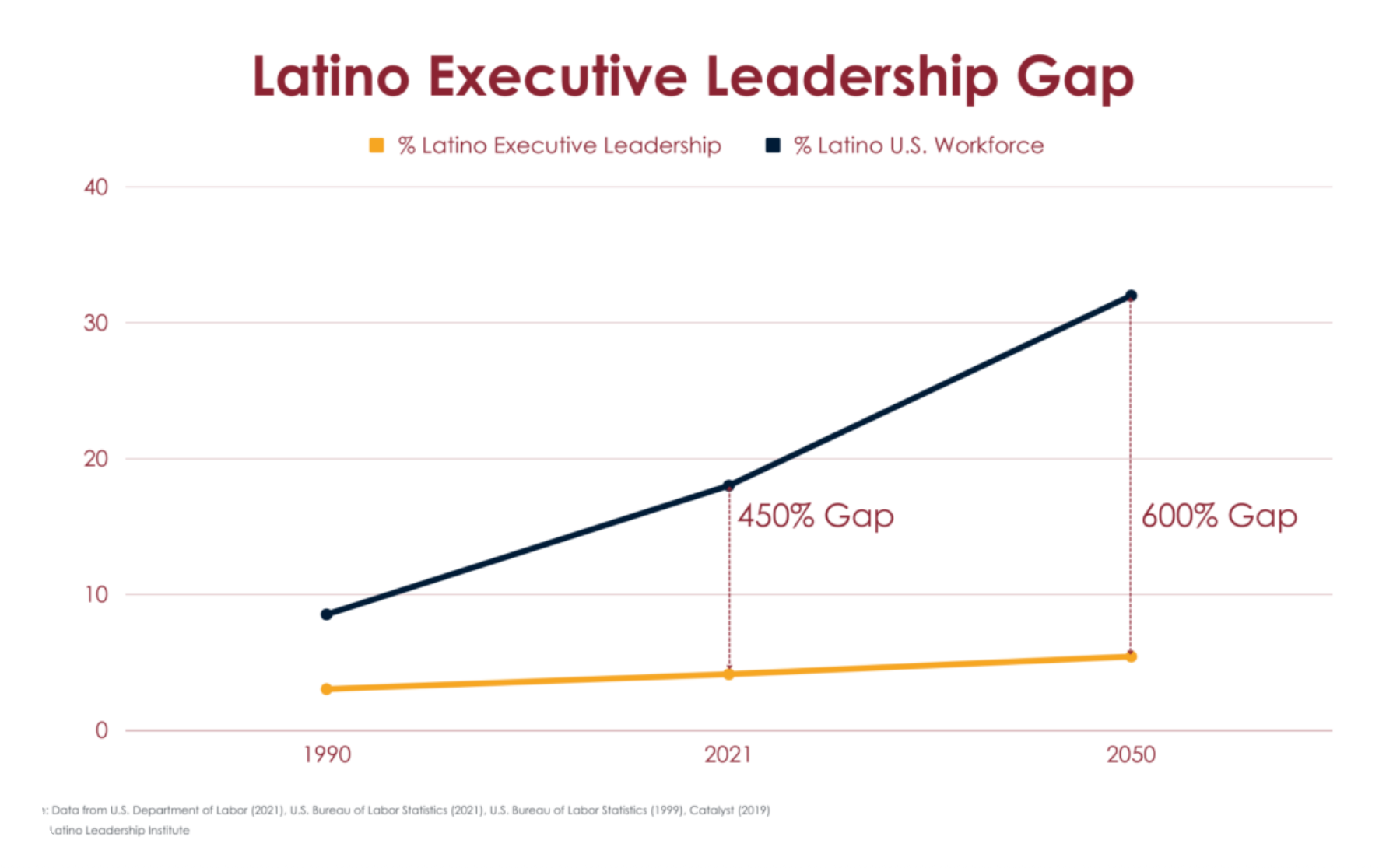
Esta brecha puede cerrarse. Pero todo empieza por reconocer que existe.
Significa crear un espacio para la toma de conciencia, reconocer las contribuciones y los desafíos de las comunidades hispanas y dar pasos pequeños y constantes hacia el cambio. Hemos analizado algunas ideas para el Mes de la Herencia Hispana que pueden servir como punto de partida para ese cambio, especialmente en su lugar de trabajo, donde la acción colectiva puede marcar una diferencia real.
10 ideas para celebrar el Mes de la Herencia Hispana en el trabajo
El impacto puede adoptar muchas formas y, a menudo, comienza con acciones pequeñas y reflexivas. Puede empezar creando conciencia, apoyando a las comunidades con recursos esenciales y trabajando por lograr oportunidades más equitativas en el lugar de trabajo. Con el tiempo, estos esfuerzos se suman para crear algo más significativo y duradero.
Aquí tiene algunas ideas para el Mes de la Herencia Hispana con impacto comprobado para empezar:
1. Empiece con conversaciones honestas y fundamentadas
Si no sabe por dónde empezar, empiece por escuchar.
Invite a personas, ya sea de su organización o externas, que puedan hablar desde experiencias reales. No charlas preparadas, sino honestas. Las conversaciones sobre la identidad, la navegación entre diferentes culturas o lo que significa realmente la representación en el trabajo suelen ser las que más resuenan.
Puede mantenerlo sencillo:
- Una conversación moderada con los empleados
- Un panel pequeño con diferentes perspectivas
- Incluso una charla informal con un solo ponente
El objetivo no es "cubrirlo todo". Es crear un espacio donde las personas se vayan comprendiendo algo que antes no sabían.
2. Organice eventos de voluntariado para el Mes de la Herencia Hispana
El voluntariado, en algún momento, ayuda a pasar de la conversación a la acción. Brinda a los empleados la oportunidad de contribuir con su tiempo y esfuerzo de una manera visible y tangible, con un impacto inmediato.
Aquí tiene algunas ideas para realizar voluntariado con su equipo durante el Mes de la Herencia Hispana:
2.1. Voluntariado en la oficina y apoyo a la comunidad (convertir la conciencia en acción)
Aquí es donde las conversaciones se traducen en un impacto directo.
Puede:
- Apoya a la juventud hispana y latina a través de programas de mentoría, ya sean a corto plazo o continuos
- Prepara y distribuye kits esenciales, que incluyan artículos de higiene y recursos sanitarios a los que los estudiantes no siempre tienen acceso
- Colabora con organizaciones sin fines de lucro para crear o financiar recursos de salud mental para jóvenes hispanos, un área que a menudo carece de apoyo adecuado
- Dedica tiempo como voluntario a programas de educación y apoyo, ayudando a los estudiantes con orientación académica o desarrollo de habilidades
Lo que hace que este enfoque sea efectivo es que conecta la concienciación con la acción. Los empleados no solo aprenden, sino que contribuyen de maneras que apoyan directamente a los estudiantes y a las comunidades.
2.2. Actividades virtuales para el Mes de la Herencia Hispana
Los formatos virtuales facilitan la incorporación de diversas voces y llegar a una audiencia más amplia en diferentes ubicaciones.
Puedes:
- Organizar sesiones con oradores o paneles con líderes comunitarios, educadores o profesionales que compartan experiencias sobre identidad, inmigración o representación
- Organizar sesiones de preparación profesional donde los empleados asesoran a jóvenes hispanos y latinos sobre la elaboración de currículums, la preparación de entrevistas y cómo orientarse en los inicios de su carrera
- Organice círculos de mentoría virtual, que conectan a empleados con estudiantes para brindarles orientación continua
- Colabore con organizaciones sin fines de lucro para apoyar sesiones de concienciación sobre la salud mental para jóvenes hispanos, centrándose en el acceso, el estigma y los sistemas de apoyo
Estos formatos funcionan bien porque eliminan las barreras logísticas y, al mismo tiempo, generan una interacción significativa.
2.3. Actividades presenciales (compromiso más profundo y personal)
Las sesiones presenciales suelen crear vínculos más fuertes y conversaciones más abiertas.
Puede:
- Invitar a oradores invitados a su oficina o a espacios comunitarios locales para compartir trayectorias personales y perspectivas culturales
- Organizar debates en grupos pequeños o círculos de escucha, donde los empleados puedan participar de forma más directa y hacer preguntas
- Organizar sesiones de interacción con estudiantes, donde los empleados hablan sobre sus trayectorias profesionales en un entorno más informal y cercano
Estas experiencias suelen sentirse más inmediatas y personales, lo que ayuda a fomentar la empatía y la comprensión de una manera más tangible.
3. Colabora con organizaciones sin fines de lucro que apoyan a las comunidades hispanas
No tienes que construir todo desde cero.
Existen organizaciones que ya trabajan estrechamente con las comunidades hispanas, apoyando a estudiantes, familias y pequeñas empresas todos los días. Colaborar con ellas aporta enfoque y dirección a tus esfuerzos.
Puedes contribuir de las siguientes maneras:
- Financiando programas de educación o becas
- Apoyando iniciativas de desarrollo laboral
- Respaldando programas que ayudan a crecer a las pequeñas empresas
Organizaciones como el Hispanic Scholarship Fund y UnidosUS tienen un gran alcance y programas establecidos, lo que significa que tu apoyo llega exactamente a donde se necesita.
Este enfoque funciona porque se basa en algo que ya tiene impulso, en lugar de crear algo temporal.
4. Apoya a empresas propiedad de hispanos de manera estructurada
Si quieres generar un impacto inmediato, observa a dónde se destina tu gasto.
Puedes aprovechar este mes para apoyar intencionalmente a emprendedores y creadores hispanos, no solo hablando de ellos, sino impulsando su visibilidad y demanda.
Algunas formas sencillas de hacerlo:
- Crea una lista de empresas que tus empleados puedan explorar
- Invita a algunos proveedores a exhibir sus productos
- Ofrece pequeños estipendios que los empleados puedan usar para apoyar a estos negocios
Consejo: También puedes asociarte con negocios locales propiedad de latinos e hispanos para obtener suministros y canalizarlos directamente hacia iniciativas sin fines de lucro, como campañas de recolección y más. De esta manera, tu esfuerzo apoya a las pequeñas empresas y, al mismo tiempo, entrega recursos a las comunidades que los necesitan, generando un impacto en ambos frentes.
Es un cambio pequeño, pero importante. La visibilidad y el acceso a los clientes suelen ser los mayores obstáculos para las pequeñas empresas.
5. Diseña experiencias culturales centradas en la herencia y las tradiciones hispanas
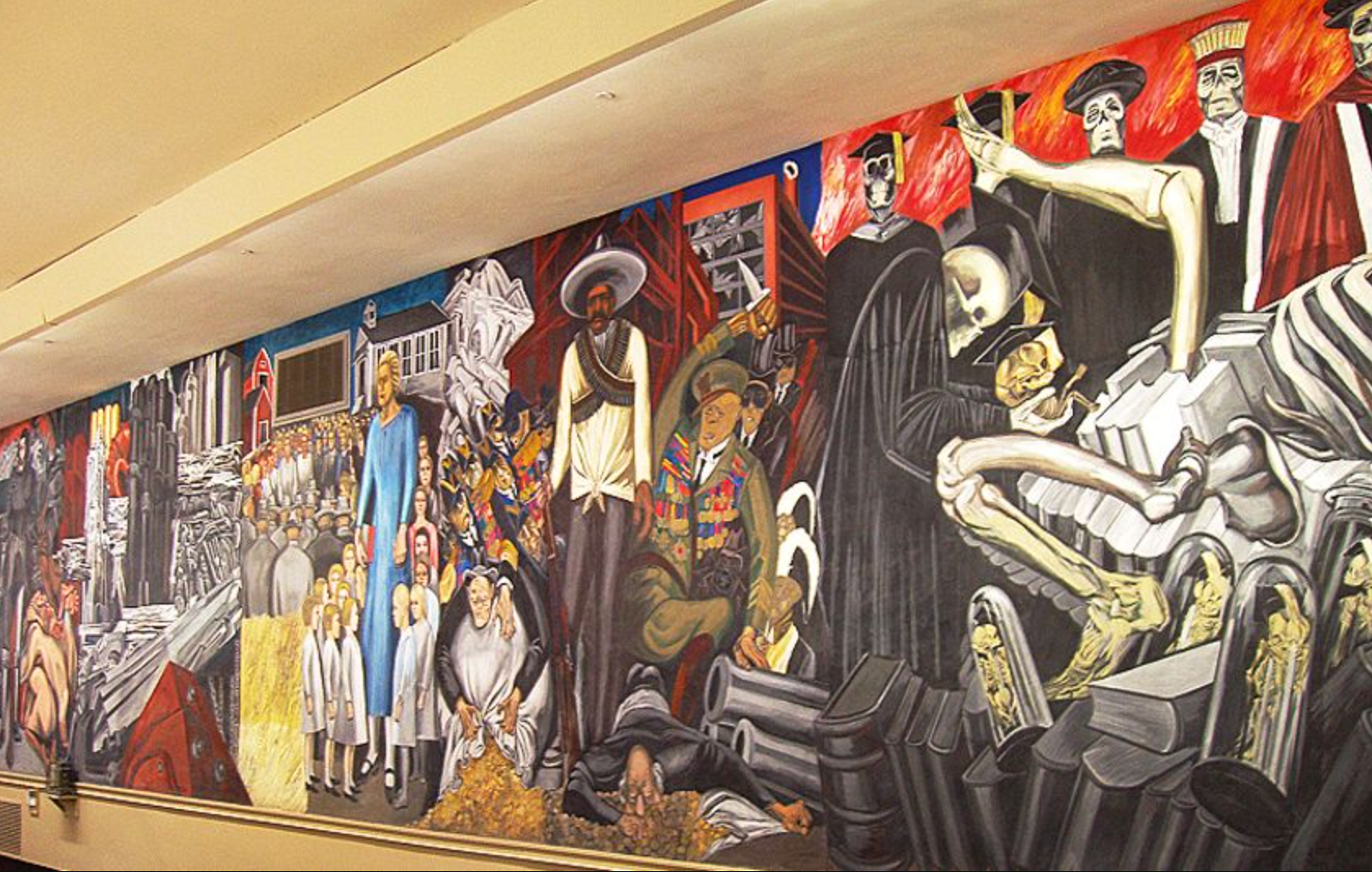
La comida, la música y el arte suelen ser los puntos de entrada más sencillos, pero sin contexto, se quedan en la superficie. Si planeas experiencias culturales, da un paso más allá. Dales significado.
Podrías:
- Centrarte en una región específica y su gastronomía
- Compartir la historia detrás de un género musical o un artista
- Acompañar una muestra de arte con su trasfondo histórico
No hace falta que sea algo académico. Solo lo suficiente para ayudar a que la gente entienda lo que está experimentando, en lugar de solo consumirlo.
Lo que es fácil pasar por alto es que muchas de estas expresiones culturales, gastronomías, pequeños restaurantes, artistas independientes, fabricantes de ropa tradicional y grupos de danza no son solo formas de celebración. También son medios de vida que a menudo luchan por obtener visibilidad y apoyo constante.
Tomemos la comida, por ejemplo. Detrás de cada plato suele haber una pequeña empresa familiar que intenta competir en un mercado saturado. Muchos restaurantes de propiedad hispana ofrecen recetas profundamente regionales —oaxaqueñas, puertorriqueñas, dominicanas, peruanas—, pero no siempre obtienen la misma visibilidad que las cocinas más comercializadas.
Lo mismo ocurre con los artistas y los intérpretes. Un grupo local de salsa o de danza folclórica puede llevar años de tradición, pero aun así depende de presentaciones estacionales y eventos comunitarios para subsistir. Los negocios de ropa tradicional, aquellos que crean prendas hechas a mano, bordados o textiles, a menudo compiten con alternativas producidas en masa que son más baratas pero carecen de autenticidad cultural.
Incluso en la música y las artes visuales, los creadores independientes dependen frecuentemente del apoyo de la comunidad para mantener vivo su trabajo.
Cuando integras esto en tu lugar de trabajo de manera reflexiva, no solo como entretenimiento, sino como historias, creadores y negocios que vale la pena apoyar, la dinámica cambia.
Por ejemplo:
- En lugar de un catering genérico, podrías destacar un restaurante local de propiedad hispana y compartir su historia con los empleados
- Si organizas una presentación, presenta el estilo de danza, de dónde proviene y qué representa
- Si exhibes arte o ropa, incluye la trayectoria del creador, su proceso y su significado cultural
Esto logra dos cosas: ofrece a los empleados una experiencia más enriquecedora y significativa, y dirige la atención, y a menudo los ingresos, hacia personas que preservan y representan activamente su cultura.
Con el tiempo, ese tipo de visibilidad es importante. Ayuda a que estos negocios y artistas no solo participen en la conversación, sino que también se sostengan gracias a ella.
6. Crea un espacio para las voces de los empleados
Ya existe una gran riqueza de perspectivas dentro de tu organización.
Si los empleados están dispuestos a compartir, crea el espacio para ello. Hazlo opcional y sencillo.
Esto podría ser:
- Un breve artículo o perfil interno
- Una conversación grabada o un video
- Un debate en grupo pequeño
No necesitas una gran producción. Lo que importa es que se sienta auténtico. Cuando las personas ven historias de su propio lugar de trabajo, la conversación se vuelve más cercana y relevante.
7. Integra el aprendizaje en el flujo del mes
No todo el mundo asistirá a los eventos, y eso está bien.
Algunas personas prefieren participar de forma discreta y a su propio ritmo. Ofrecerles esa opción hace que tus iniciativas sean más inclusivas.
Puedes:
- Compartir un artículo, podcast o video corto cada semana
- Crear un centro de recursos sencillo que los empleados puedan explorar
- Destacar una historia o tema a la vez en lugar de abrumar a la gente
Esto funciona porque se adapta a las necesidades de cada persona. La participación no tiene por qué ser igual para todos.
8. Usa este mes para iniciar algo que perdure
Si todo termina cuando acaba el mes, el impacto es limitado.
Hemos visto esto a menudo: los equipos organizan eventos únicos muy bien pensados, la participación es aceptable, pero el impulso decae justo después. Cuesta volver a empezar el año siguiente, se pierde el contexto y el impacto se siente fragmentado en lugar de acumulativo.
Ese es el problema de las iniciativas puntuales. Crean momentos, pero no movimiento.
Si quieres que esto llegue más lejos, usa este mes como punto de partida. ¿Qué puedes empezar ahora que continúe después, aunque sea a pequeña escala?
Podría ser:
- Un programa de mentoría trimestral
- Una colaboración a largo plazo con una institución que sirve a la comunidad hispana
- El compromiso de trabajar con proveedores de propiedad hispana durante todo el año
- Un programa de voluntariado al que los empleados puedan volver, en lugar de inscribirse solo una vez
El cambio aquí consiste en pasar de la participación basada en eventos a la participación continua. En lugar de pedir a los empleados que asistan una vez, les ofreces algo a lo que pueden seguir vinculados.
También facilita la ejecución a largo plazo. Cuando diseñas un plan anual, en lugar de empezar de cero cada año, construyes sobre lo que ya existe, perfeccionándolo, escalándolo y profundizando las relaciones con los colaboradores.
LEE TAMBIÉN:
Si estás pensando en cómo estructurar esto de forma más intencionada, esta guía de Goodera sobre cómo planificar una campaña de voluntariado y convertir momentos en impulso detalla cómo pasar de eventos aislados a programas sostenidos:

9. Involucra al liderazgo de forma visible
La gente presta atención a lo que los líderes priorizan.
Si el liderazgo participa, no solo aprobando presupuestos, sino estando presente, cambia la forma en que el resto de la organización se involucra.
Esto podría significar:
- Unirse a conversaciones o moderarlas
- Compartir sus propias perspectivas
- Apoyar iniciativas públicamente
Esto indica que no se trata solo de un evento, sino de algo que la organización se toma en serio.
10. Cierra el ciclo compartiendo lo que realmente sucedió
La mayoría de los esfuerzos terminan sin una reflexión.
Tómate el tiempo para analizar lo que hiciste y los resultados obtenidos.
Puedes realizar un seguimiento de:
- Cuántas personas participaron
- Qué se aportó o apoyó
- Comentarios de empleados o socios
Luego, compártelo.
No como un informe, sino como una forma de demostrar que el esfuerzo condujo a algo real. Ayuda a las personas a ver el valor de aquello de lo que formaron parte y facilita construir sobre ello la próxima vez.
¿Cómo elegir las ideas adecuadas para el Mes de la Herencia Hispana?
No necesitas hacerlo todo. De hecho, intentar abarcar demasiado a menudo conduce a esfuerzos dispersos y a una menor participación.
Lo que suele funcionar mejor es una pequeña combinación equilibrada de iniciativas que cumplan cada una con un propósito claro. Cuando lo piensas de esta manera, la planificación se vuelve más sencilla y el impacto es más fácil de ver y medir.
Un enfoque sólido suele incluir tres partes:
1. Una iniciativa centrada en el aprendizaje (primero, construye el entendimiento)
Comienza con algo que ayude a las personas a comprender el contexto.
Esto podría ser:
- Una conversación o una sesión con un ponente
- Una serie de contenido curado
- Un debate basado en la narrativa
Esto sienta las bases. Sin ello, todo lo demás corre el riesgo de parecer inconexo o meramente simbólico. Cuando las personas entienden el "porqué", se involucran de manera más significativa con todo lo que sigue.
2. Una actividad comunitaria o de impacto (crear valor en el mundo real)
A continuación, conecta tus esfuerzos con algo tangible.
Aquí es donde puedes:
- Colaborar con organizaciones sin ánimo de lucro
- Apoyar a empresas propiedad de personas hispanas
- Aportar recursos donde más se necesiten
Este paso garantiza que tus esfuerzos no se queden solo de puertas para adentro. Crea una línea clara entre lo que haces y a quién ayudas.
3. Una experiencia centrada en la participación (involucrar a las personas)
Por último, crea algo que una a los empleados.
Esto podría ser:
- Una experiencia cultural con contexto
- Una iniciativa interna de narrativa
- Una actividad colaborativa en la que los equipos puedan participar
Esto es lo que impulsa la participación. Hace que el mes se sienta real, no solo informativo.
Cómo se ve esto en la práctica
En lugar de organizar múltiples eventos inconexos, podrías:
- Organizar una conversación significativa
- Colaborar con una organización sin fines de lucro o iniciativa
- Crear una experiencia en la que los empleados puedan participar activamente
Eso es todo.
Cuando estos tres elementos se unen, el esfuerzo se siente coherente. Las personas entienden por qué es importante, ven el impacto y se sienten parte de ello.
Incluso unas pocas ideas de eventos para el Mes de la Herencia Hispana bien ejecutadas pueden generar un impacto significativo cuando son intencionales, estructuradas y están conectadas con algo más grande que el momento en sí.
Frequently Asked Questions
1. ¿Cuáles son algunas ideas sencillas para el Mes de la Herencia Hispana?
Si buscas mantener las cosas simples, comienza con ideas que sean fáciles de ejecutar pero que sigan siendo significativas.
Podrías:
- Organizar una pequeña sesión de narración de historias donde los empleados o invitados compartan sus experiencias personales
- Organizar una experiencia cultural con contexto, como una degustación de comida acompañada de la historia detrás de la gastronomía
- Destacar y apoyar negocios de propiedad hispana a través de listas seleccionadas o pequeñas campañas internas
La clave no es la complejidad, sino la intención. Incluso una sola actividad bien pensada puede generar conciencia y propiciar conversaciones significativas.
2. ¿Cómo pueden los lugares de trabajo celebrar el Mes de la Herencia Hispana?
Los lugares de trabajo se encuentran en una posición única para combinar la sensibilización, la participación y un impacto real.
Puedes abordar esto desde varios niveles:
- Organiza conversaciones o sesiones de aprendizaje para fomentar el entendimiento
- Colabora con organizaciones sin fines de lucro para apoyar directamente a las comunidades
- Crea oportunidades de participación interna, como experiencias culturales o relatos de los empleados
- Fomenta la participación, a través de voluntariado o actividades en grupos pequeños
Lo que mejor suele funcionar es una combinación de estas opciones; no todo a la vez, sino unas pocas iniciativas que se sientan conectadas y con un propósito claro.
3. ¿Por qué son importantes las celebraciones del Mes de la Herencia Hispana?
Estas celebraciones crean un espacio para algo que a menudo se pasa por alto en el entorno laboral cotidiano: el entendimiento.
Ayudan a:
- Reconocer las contribuciones de las comunidades hispanas y latinas en todos los sectores y en la sociedad
- Dar visibilidad a historias y experiencias que no siempre forman parte de las narrativas convencionales
- Fomentar la inclusión y la representación dentro de las organizaciones
Cuando se realizan con intención, van más allá de la simple celebración y contribuyen a una cultura más amplia de conciencia y respeto.
4. ¿Qué ideas de eventos tienen un impacto real para el Mes de la Herencia Hispana?
Las ideas de eventos para el Mes de la Herencia Hispana con mayor impacto son aquellas que conectan el aprendizaje con la acción. En la práctica, esto suele significar:
- Iniciativas educativas, como conversaciones o sesiones con ponentes
- Actividades participativas, donde los empleados se involucran activamente
- Esfuerzos centrados en la comunidad, como colaboraciones con organizaciones sin fines de lucro o voluntariado
Cuando estos elementos se combinan, la experiencia se siente completa. Las personas comprenden el contexto, participan en él y ven el impacto de lo que han aportado.
5. ¿Cuándo se celebra el Mes de la Herencia Hispana en Estados Unidos?
El Mes de la Herencia Hispana se conmemora cada año del 15 de septiembre al 15 de octubre.
La fecha de inicio no es casual. El 15 de septiembre marca el aniversario de la independencia de varios países latinoamericanos, incluidos Costa Rica, El Salvador, Guatemala, Honduras y Nicaragua. También coincide estrechamente con el Día de la Independencia de México, el 16 de septiembre, y el de Chile, el 18 de septiembre.
6. ¿Por qué el Mes de la Herencia Hispana abarca septiembre y octubre?
El inicio a mediados de mes puede parecer inusual, pero responde a su importancia histórica más que a una cuestión de conveniencia.
Comenzar el 15 de septiembre permite que la celebración coincida con múltiples aniversarios de independencia en toda América Latina. Extenderla hasta octubre crea un espacio para reconocer las contribuciones culturales e históricas más amplias de las comunidades hispanas y latinas, más allá de esas fechas.
7. ¿Cuáles son los errores más comunes de las empresas durante el Mes de la Herencia Hispana?
El error más frecuente es reducir la conmemoración a comida, música y decoración sin un compromiso de fondo. También destacan tratar la identidad latina como algo homogéneo cuando abarca más de 20 nacionalidades, limitar la acción al periodo del 15 de septiembre al 15 de octubre sin continuidad, y celebrar externamente mientras se descuidan los planes de liderazgo internos.
8. ¿Cómo pueden las empresas apoyar a negocios de propiedad latina durante este mes?
Las empresas pueden redirigir compras, catering y regalos corporativos hacia proveedores certificados de propiedad latina, durante el mes y después. Entre las acciones concretas están organizar una feria de proveedores, incorporar estos negocios a las listas preferentes y canalizar los presupuestos de eventos hacia ellos. Revisar el gasto en diversidad de proveedores convierte el gesto simbólico en impacto económico medible.
9. ¿Cómo pueden los equipos remotos celebrar virtualmente el Mes de la Herencia Hispana?
Los equipos remotos pueden organizar charlas con líderes latinos, talleres virtuales de cocina o idioma con creadores latinos y voluntariado en línea con organizaciones hispanas. Las campañas de testimonios lideradas por empleados funcionan bien entre husos horarios. Los clubes de lectura con autores latinos y los paneles moderados aportan un contexto compartido a equipos distribuidos sin depender de la asistencia presencial.
10. ¿Cómo se puede medir el impacto de las iniciativas del Mes de la Herencia Hispana?
Una medición útil va más allá del número de asistentes. Conviene seguir el crecimiento de los grupos de afinidad y sus presupuestos, la representación latina en los planes de liderazgo, el gasto con proveedores de propiedad latina y los fondos destinados a becas o mentoría. Complementar los indicadores con encuestas de percepción de los empleados latinos revela si hubo cambio real o solo evento puntual.