Fakten zum Native American Heritage Month: Alles, was Sie wissen müssen

Jeden November hält die Gesellschaft in den Vereinigten Staaten inne, um die ursprünglichen Bewohner dieses Landes sowie die jahrhundertelange Geschichte, Kultur, Sprache und das Wissen zu würdigen, die sie trotz enormer Widerstände bewahrt haben. Es ist ein Monat, der uns alle fordert: nicht nur zur Anerkennung, sondern zu echtem Lernen.
Und es gibt vieles, das es wert ist, gelernt zu werden. Die Geschichte der amerikanischen Ureinwohner und der Ureinwohner Alaskas reicht zehntausende Jahre zurück und umfasst hunderte verschiedene Nationen, Sprachen und Traditionen. Die Beiträge, die indigene Völker zu Ernährung, Medizin, Regierung, Sprache und Ökologie geleistet haben, sind grundlegend und werden dennoch weitgehend nicht gelehrt.
Dieser Leitfaden konzentriert sich auf die wichtigsten Fakten: die Geschichte des Gedenkmonats selbst, die Bedeutung der damit verbundenen Farben, wie man den Monat sinnvoll begeht und der tiefere Kontext, der all dies verständlich macht. Fangen Sie hier an. Und gehen Sie von dort aus weiter.
Wann ist der Native American Heritage Month?
Der National Native American Heritage Month wird jedes Jahr vom 1. bis zum 30. November begangen.
Der Monat wurde nicht immer im November gefeiert. Er begann als einwöchige Veranstaltung im Oktober, basierend auf einer Interessenvertretung, die mehr als ein Jahrhundert zurückreicht. Der November wurde letztlich gewählt, weil er das Ende der Erntezeit markiert – eine Zeit des Dankes, die für indigene und nicht-indigene Gemeinschaften im ganzen Land eine tiefe Bedeutung hat.
Innerhalb dieses Monats gibt es einen weiteren Tag, den man kennen sollte: Der Native American Heritage Day wird in den Vereinigten Staaten am Tag nach Thanksgiving begangen. Im Jahr 2025 fällt er auf den 28. November. Im Jahr 2026 fällt er auf den 27. November.
Der Kongress rief den Native American Heritage Day im Jahr 2008 unter Präsident George W. Bush für den Freitag nach Thanksgiving ins Leben. Die Regierung von Präsident Obama setzte diese Tradition fort und würdigte die Beiträge der Stammesnationen und ihrer Völker. Während Thanksgiving komplexe und schmerzhafte historische Verbindungen zu indigenen Nationen aufweist, bietet der staatlich anerkannte Native American Heritage Day einen eigenen Moment, um die Widerstandsfähigkeit, die Traditionen und den anhaltenden kulturellen Einfluss der Stammesgemeinschaften in den Vereinigten Staaten anzuerkennen.
Warum feiern wir den Native American Heritage Month im November?
Die Geschichte des Native American Heritage Month begann nicht mit einer präsidialen Proklamation. Sie begann mit indigenen Führungspersönlichkeiten, die davon überzeugt waren, dass ihre Gemeinschaften, ihre Geschichte und ihre Beiträge eine nationale Anerkennung verdienten.
Vor mehr als einem Jahrhundert begannen Fürsprecher im ganzen Land, sich für einen Tag einzusetzen, der den amerikanischen Ureinwohnern gewidmet ist. Unter ihnen war Arthur Caswell Parker, ein Historiker der Cattaraugus Seneca, der 1911 an der Gründung der Society of American Indians beteiligt war und frühe Anerkennungsbemühungen durch Initiativen wie den „First Americans Day“ förderte.
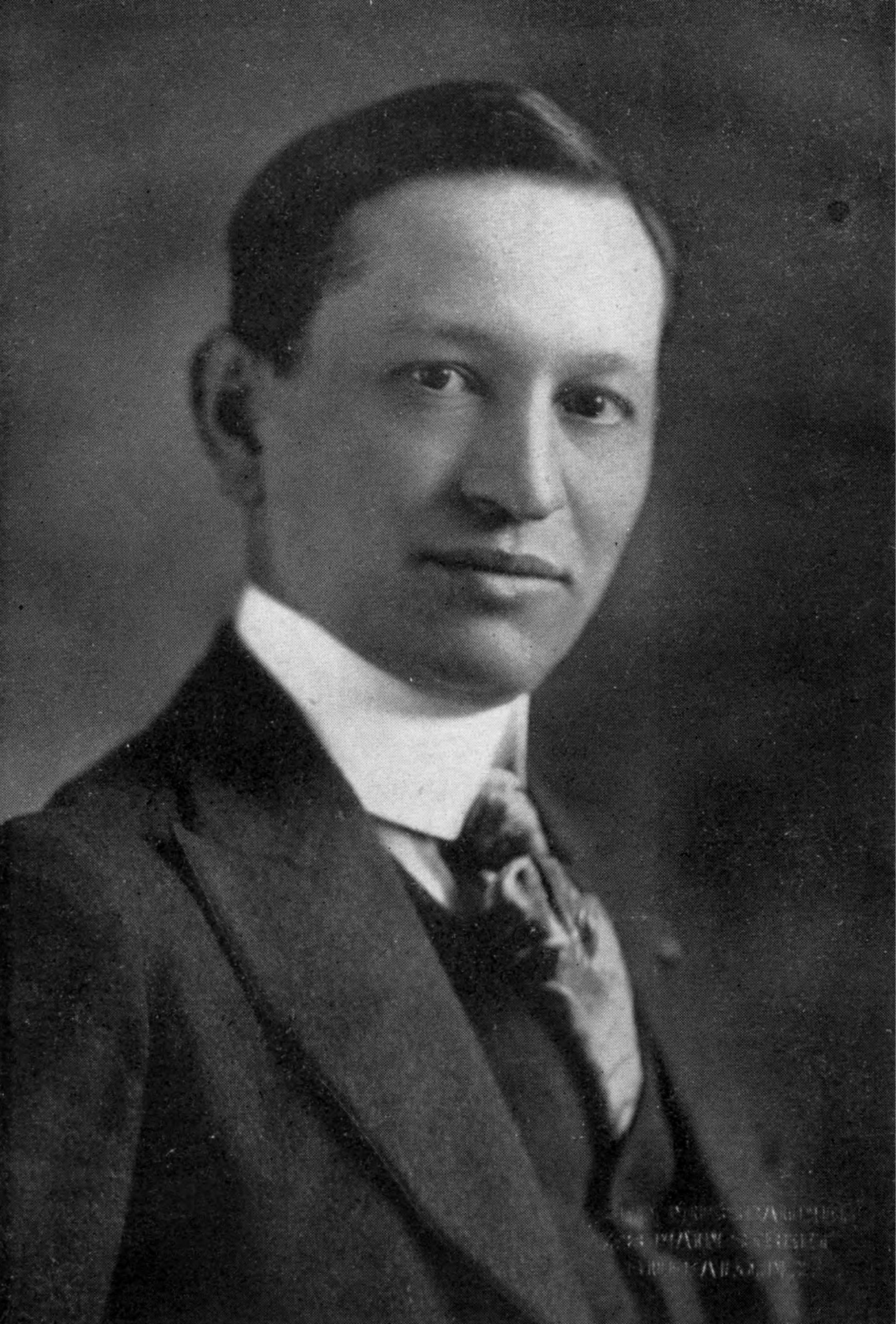
Eines der bemerkenswertesten Kapitel ereignete sich 1914, als Red Fox James vom Stamm der Blackfeet machte sich zu Pferd auf den Weg, um sein Anliegen direkt vor das Volk zu bringen. Er legte fast 4.000 Meilen durch die Vereinigten Staaten zurück und sammelte Unterstützung bei den Führern der Bundesstaaten, bevor er Präsident Woodrow Wilson dazu aufrief, einen nationalen Tag der amerikanischen Ureinwohner einzuführen. Obwohl keine offizielle Proklamation auf Bundesebene folgte, kehrte er im nächsten Jahr mit der Unterstützung von 24 Gouverneuren zurück und weigerte sich, die Idee aufzugeben.
Die Bewegung gewann weiter an Fahrt. Im Jahr 1915 versammelten sich Führungspersönlichkeiten auf dem Kongress der American Indian Association in Kansas und forderten offiziell einen nationalen Anerkennungstag. Reverend Sherman Coolidge, ein Anführer der Arapaho, veröffentlichte eine Proklamation, in der er die Amerikaner dazu aufrief, einen Tag der amerikanischen Ureinwohner zu begehen und die Ureinwohner als Bürger und Mitgestalter der Nation anzuerkennen.
Im darauffolgenden Jahr wurde New York der erste Bundesstaat, der offiziell einen Tag der amerikanischen Ureinwohner anerkannte. Dies war ein wichtiger Meilenstein, doch die Befürworter wussten, dass ihre Arbeit noch lange nicht beendet war.
Über Jahrzehnte hinweg setzten sich indigene Führungspersönlichkeiten, Organisationen und Gemeinschaften weiterhin für eine breitere Anerkennung ein. Ihre Bemühungen schärften nach und nach das öffentliche Bewusstsein und legten den Grundstein für eine nationale Würdigung.
Schließlich unterzeichnete Präsident George H. W. Bush im Jahr 1990 eine gemeinsame Resolution, die den November 1990 zum National American Indian Heritage Month erklärte. Es folgten jährliche präsidiale Proklamationen, und seit 2009 ist der November offiziell als Native American Heritage Month anerkannt.
Was als Graswurzelbewegung begann, angetrieben von Entschlossenheit, Engagement und sogar einem 4.000-Meilen-Ritt zu Pferd, wurde zu einer landesweiten Würdigung. Mehr als ein Jahrhundert nach diesen ersten Bemühungen ist der Native American Heritage Month ein Tribut an die Geschichte, die Kulturen, die Errungenschaften und die bleibenden Beiträge hunderter indigener Nationen und Gemeinschaften in den Vereinigten Staaten.
Die Farben des Native American Heritage Month und ihre Bedeutung
Es gibt keine einzelne, offiziell festgelegte Farbe für den Native American Heritage Month, so wie es die rosa Schleife für das Bewusstsein für Brustkrebs gibt. Die Farben, die am häufigsten mit diesem Gedenkmonat in Verbindung gebracht werden, stammen aus der heiligen Farbsymbolik vieler indigener Traditionen und variieren je nach Stamm und Region.
In vielen Traditionen der Stämme der Plains und des Südwestens werden die vier Himmelsrichtungen durch vier Farben repräsentiert:
- Rot symbolisiert den Osten, wo die Sonne aufgeht und neues Leben beginnt. Es steht für Mut, Stärke und die Lebenskraft selbst. Rot ist eine der am weitesten verbreiteten Farben in den Zeremonien und der Kunst der amerikanischen Ureinwohner.
- Gelb (oder Gold) steht für den Süden, Wärme und Wachstum. Es wird mit der Sonne, der Ernte und der erhaltenden Kraft der Natur assoziiert.
- Schwarz steht für den Westen, wo die Sonne untergeht. Es wird mit Weisheit, Selbstreflexion und Transformation in Verbindung gebracht. In einigen Traditionen repräsentiert Schwarz den Nachthimmel und das spirituelle Reich.
- Weiß steht für den Norden und wird mit Reinheit, dem Winter und der Weisheit der Ältesten assoziiert. In vielen Traditionen ist Weiß die Farbe des Schnees, der kalten Winde und der Lektionen, die durch Zeiten der Not gelernt wurden.
- Türkis hat eine besondere Bedeutung für die Stämme des Südwestens, insbesondere für die Navajo und Pueblo. Türkis wird seit Jahrtausenden für Schmuck, Zeremonien und den Handel verwendet und gilt als Stein des Schutzes, der Heilung und der Verbindung zu Himmel und Wasser. Die Silberschmiedekunst der Navajo mit Türkis ist eine der bekanntesten Kunstformen der indigenen Kultur Amerikas.
- Erdtöne im Allgemeinen, einschließlich warmer Rottöne, tiefer Brauntöne, Ocker und Salbeigrün, erscheinen häufig in der Bildsprache des Native American Heritage Month, da sie die tiefe Verbundenheit widerspiegeln, die indigene Völker mit dem Land, den Jahreszeiten und der Natur pflegen.
Wenn Organisationen Farben verwenden, um den Native American Heritage Month zu begehen, ist der respektvollste Ansatz, die Wahl auf Bildung zu stützen: die kulturelle Bedeutung hinter den gewählten Farben zu erklären, anstatt sie als rein ästhetische Wahl zu behandeln. Farbe ist in der indigenen Kultur keine Dekoration. Sie ist eine Sprache.
Fakten zum Native American Heritage Month, die Ihren Blick auf die amerikanische Geschichte verändern werden
Das Ausmaß der Beiträge indigener Völker zur amerikanischen und globalen Zivilisation wird in den meisten Lehrplänen kaum vermittelt. Hier sind Fakten, die es wert sind, gekannt und geteilt zu werden.
1. Das Land selbst spricht indigene Sprachen
Die Geografie der Vereinigten Staaten zeugt eindrucksvoll von ihrem indigenen Erbe. Tausende Flüsse, Berge, Bundesstaaten und Städte tragen Namen, die aus indigenen Sprachen stammen: Mississippi (Algonkin: „großer Fluss“), Ohio (Irokesisch: „großer Fluss“ oder „schöner Fluss“), Massachusetts (Algonkin: „am großen Hügel“), Chicago (Algonkin: „Ort der wilden Zwiebel“) und Tallahassee (Muskogee: „alte Stadt“).
Laut der Virginia Association of Soil and Water Conservation Districtsstammen etwa die Hälfte aller Namen der US-Bundesstaaten aus indigenen Sprachen.
2. Die Lebensmittel auf amerikanischen Tischen wurden zuerst von indigenen Bauern angebaut
Neben den „Drei Schwestern“ (Mais, Bohnen und Kürbis) ist die Liste der Lebensmittelinnovationen der indigenen Völker beeindruckend: Kartoffeln, Tomaten, Erdnüsse, Chilischoten, Avocados, Ananas, Blaubeeren, Cranberrys, Sonnenblumen, Schokolade und Vanille sind nur einige Beispiele.
Mais wurde bereits vor 10.000 Jahren von frühen Bauern sorgfältig kultiviert. Indigene Völker brachten den europäischen Siedlern später bei, wie man diese Pflanze anbaut. Ohne diesen Wissenstransfer wären die frühen Kolonialsiedlungen mit ziemlicher Sicherheit gescheitert. Die heutige amerikanische Landwirtschaft basiert auf dem Fundament indigener Innovationen.
3. Die moderne Medizin verdankt dem indigenen Wissen enorm viel
Das Wissen der indigenen Völker über Pharmakologie und Kräutermedizin war erstaunlich fortgeschritten. Lange bevor die westliche Wissenschaft Wirkstoffe identifizierte, nutzten indigene Heiler eine Vielzahl von Pflanzen, um Krankheiten zu behandeln, Schmerzen zu lindern und das Wohlbefinden zu fördern. Chinin aus Chinarinde zur Behandlung von Malaria, Weidenrinde als Quelle für Salicylsäure (den Wirkstoff in Aspirin), Brechwurzel als Brechmittel und Hamamelis als Adstringens sind nur einige Beispiele für indigene Heilmittel, die in die moderne Medizin übernommen wurden.
Vor der Kolonialisierung entwickelten indigene Völker eine Methode, bei der ein geschärfter, ausgehöhlter Vogelknochen mit einer Tierblase verbunden wurde, um Flüssigkeiten aufzunehmen und in den Körper zu injizieren. Diese frühen Spritzen wurden für alles Mögliche verwendet, von der Verabreichung von Medikamenten bis zur Spülung von Wunden.
4. Das föderale Regierungssystem der USA hat indigene Wurzeln
Das Modell der Haudenosaunee diente als lebendiges Beispiel dafür, dass Selbstverwaltung keineswegs eine europäische Erfindung, sondern ein bedeutendes indigenes Erbe ist. Die Haudenosaunee-Konföderation, auch bekannt als Irokesenbund, vereinte sechs verschiedene Nationen unter einer gemeinsamen Verfassung, dem „Großen Gesetz des Friedens“. Dieses legte bereits Jahrhunderte vor der Entstehung der US-Verfassung Prinzipien wie Föderalismus, Gewaltenteilung und Machtkontrolle fest. Historiker und viele Kongressabgeordnete haben den Einfluss der Irokesen-Konföderation auf die amerikanische Demokratie offiziell anerkannt.
5. Die Navajo-Sprache gewann einen Weltkrieg
Während des Zweiten Weltkriegs setzte das US-Militär Navajo-Männer als Code Talkersein und nutzte die Navajo-Sprache, um Nachrichten zu übermitteln, die feindliche Streitkräfte niemals entschlüsseln konnten.
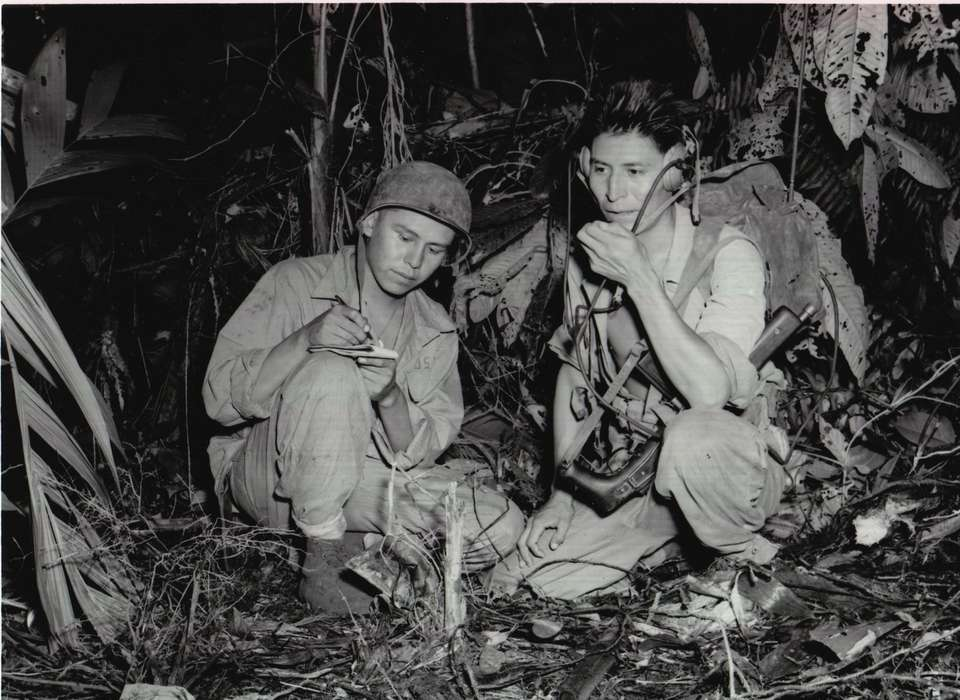
Wie Chester Nez, einer der ursprünglichen 29 Navajo Code Talkers, treffend feststellte: „Unsere Sprache war das Einzige, was die Japaner nicht knacken konnten.“ Die Navajo Code Talkers waren von 1942 bis 1945 an allen wichtigen Operationen auf dem pazifischen Kriegsschauplatz beteiligt. Ihr Beitrag gilt als entscheidend dafür, dass Tausende amerikanische Leben gerettet wurden und sich das Blatt in mehreren kritischen Schlachten wendete.
6. Alltägliche englische Wörter stammen aus indigenen Sprachen
Unzählige Wörter und Erfindungen der amerikanischen Ureinwohner sind fester Bestandteil unserer Sprache und unseres Alltags geworden. Dazu gehören unter anderem: Barbecue, Karibu, Streifenhörnchen, Waldmurmeltier, Hängematte, Toboggan, Stinktier, Mahagoni, Hurrikan und Mokassin. Die englischsprachige Welt spricht jeden Tag indigene Sprachen, ohne es zu wissen.
7. Es gibt heute 574 staatlich anerkannte Stammesnationen
Diese Gemeinschaften pflegen eine starke Verbindung zu ihrem angestammten Land, wobei Hunderte staatlich anerkannter Stämme ihre eigenen Sprachen, Bräuche und Regierungssysteme bewahren. Jede dieser 574 Nationen ist eine souveräne Einheit mit eigener Regierung, eigenen Gesetzen und einer eigenen Beziehung zur Bundesregierung. Sie bilden keine homogene Masse, sondern repräsentieren eine außergewöhnliche Vielfalt an Sprachen, Kulturen, Geografien und Traditionen.
Die Lebensrealität der amerikanischen Ureinwohner im Jahr 2025 spiegelt Jahrhunderte der Widerstandsfähigkeit angesichts von Kolonialisierung, Völkermord, Vertreibung, kultureller Unterdrückung und systemischer Diskriminierung wider. Gleichzeitig zeigt sie eine bemerkenswerte kulturelle Beständigkeit, ein politisches Wiederaufleben durch Bewegungen zur Stammessouveränität, wirtschaftliche Entwicklung durch Glücksspiel und andere Unternehmen sowie eine wachsende Anerkennung indigener Rechte und Beiträge zur amerikanischen Gesellschaft.
8. Nur 13 % der amerikanischen Ureinwohner leben in Reservaten
Dies ist eine der am häufigsten missverstandenen Tatsachen über das Leben der amerikanischen Ureinwohner heute. Während 574 staatlich anerkannte Stämme in den Vereinigten Staaten existieren, lebt derzeit nur 13 % der gesamten indigenen Bevölkerung in Reservaten oder auf Stammesgebieten. Die restlichen 87 % leben in städtischen Gebieten, wobei viele von ihnen eine enge Verbindung zu ihrer Heimat pflegen und an der Verwaltung und den kulturellen Aktivitäten ihrer Stämme teilhaben.
Die Gemeinschaften der amerikanischen Ureinwohner sind nicht geografisch isoliert. Sie sind in Städten und Vororten präsent, an Universitäten und in Unternehmen, in allen Regierungszweigen und beim Militär sowie in jedem Berufsfeld. Obwohl sie nur einen relativ kleinen Prozentsatz der US-Bevölkerung ausmachen, haben amerikanische Ureinwohner einen bedeutenden Beitrag zur US-Gesellschaft geleistet, darunter landwirtschaftliche und medizinische Innovationen, militärische Aufklärung, Sport und die englische Sprache.
So feiern Sie den Native American Heritage Month: Was wirklich einen Unterschied macht
Feiern ohne Bildung ist hohl. Die sinnvollste Art, diesen Monat zu begehen, ist die, die echtes Verständnis fördert, anstatt nur oberflächliche Anerkennung zu zeigen.
1. Beginnen Sie bei dem Land, auf dem Sie sich befinden
Einer der wirkungsvollsten und unmittelbarsten Akte der Anerkennung besteht darin, zu erfahren, wessen Land Sie bewohnen. Native Land Digital unter native-land.ca ermöglicht es Ihnen, Ihre Adresse einzugeben und herauszufinden, welche indigenen Völker dieses Land ursprünglich bewohnten und pflegten. Für Organisationen und am Arbeitsplatz ist die Anerkennung des Landes zu Beginn von Meetings, in E-Mail-Signaturen oder in der öffentlichen Kommunikation während des Novembers eine kleine Geste mit großer Bedeutung.
2. Lesen, schauen und hören Sie indigenen Stimmen zu
Das Wichtigste während des Native American Heritage Month ist es, indigene Stimmen in den Mittelpunkt zu stellen, anstatt über indigene Völker zu sprechen, ohne sie einzubeziehen. Bücher indigener Autoren wie Tommy Orange, Louise Erdrich, Joy Harjo (die erste indigene U.S. Poet Laureate) und N. Scott Momaday bieten Perspektiven, die kein Bericht von außen ersetzen kann. Filme wie „Reservation Dogs“, „Smoke Signals“ und die Dokumentarfilme von Sterlin Harjo ermöglichen einen Zugang zu indigenem Storytelling zu dessen eigenen Bedingungen.
Das Smithsonian's National Museum of the American Indian bietet den ganzen November über kostenlose Online-Ressourcen, Ausstellungen und Lehrmaterialien an, die zu den fundiertesten und respektvollsten verfügbaren Quellen zählen.
3. Besuchen Sie Gemeinschaftsveranstaltungen und Powwows
Viele Städte und Gemeinden mit indigenen Gemeinschaften veranstalten im November öffentliche Powwows, Kulturfestivals und Bildungsveranstaltungen. Dies sind Gelegenheiten, indigene Musik, Tanz, Kunst und Kulinarik direkt in einem Kontext zu erleben, der von indigenen Menschen für ihre Gemeinschaften organisiert wurde. Mit echter Neugier und Respekt teilzunehmen, Protokolle bezüglich Fotografie und Mitwirkung zu befolgen und indigene Anbieter und Künstler auf diesen Veranstaltungen zu unterstützen, macht die Erfahrung wertvoll, anstatt sie nur zu konsumieren.
4. Unterstützen Sie indigene Unternehmen und Künstler
Wirtschaftliche Unterstützung ist eine der direktesten Möglichkeiten, indigene Gemeinschaften zu würdigen. Der Kauf von Kunst, Schmuck, Lebensmitteln und Handwerk direkt bei indigenen Künstlern und Unternehmen stellt sicher, dass das Geld den indigenen Schöpfern zugutekommt und nicht Unternehmen, die sich ihre kulturelle Bildsprache aneignen. Das Indian Arts and Crafts Board führt ein Verzeichnis authentischer indigener Unternehmen und hilft Verbrauchern dabei, echte indigene Produkte zu identifizieren.
5. Setzen Sie sich für indigene Organisationen ein
Organisationen, die sich für die Wiederbelebung von Sprachen, Landrechte, das Bewusstsein für vermisste und ermordete indigene Frauen (MMIW) sowie Bildungsgerechtigkeit in indigenen Gemeinschaften einsetzen, leisten diese Arbeit das ganze Jahr über, nicht nur im November. Spenden an oder ehrenamtliche Arbeit für indigene Non-Profit-Organisationen ist eine der direktesten Möglichkeiten, indigene Gemeinschaften über den Monat hinaus zu unterstützen. First Nations Development Institute, National Congress of American Indiansund IllumiNative gehören zu den angesehensten.
So feiern Sie den Native American Heritage Month am Arbeitsplatz
Für Unternehmen gehen die sinnvollsten Aktivitäten zum Native American Heritage Month über einen Social-Media-Post oder eine thematische E-Mail hinaus. Das Ziel ist nicht nur, die indigenen Gemeinschaften einen Monat lang zu würdigen, sondern Möglichkeiten für Lernen, Reflexion und Unterstützung zu schaffen, die sowohl die Geschichte als auch die heutigen Erfahrungen indigener Völker anerkennen. Hier sind verschiedene Möglichkeiten, wie Unternehmen diesen Monat auf durchdachte und respektvolle Weise begehen können.
1. Veranstalten Sie ein „Lunch and Learn“ mit einem indigenen Referenten oder Pädagogen
Eine der wertvollsten Methoden, um Mitarbeiter einzubinden, besteht darin, Raum für den direkten Austausch mit indigenen Stimmen zu schaffen. Laden Sie einen indigenen Pädagogen, Historiker, Künstler, Gemeindevertreter oder Repräsentanten einer gemeinnützigen Organisation ein, eine „Lunch and Learn“-Sitzung zu leiten.
Diese Gespräche können Mitarbeitern helfen, indigene Geschichte, Traditionen und Perspektiven zu verstehen und gleichzeitig aktuelle Themen anzusprechen, die indigene Gemeinschaften heute betreffen. Themen könnten die Souveränität der Stämme, Beiträge indigener Völker zur amerikanischen Gesellschaft, kulturelle Bewahrung, Umweltschutz oder moderne Herausforderungen für indigene Nationen sein.
Im Gegensatz zu Artikeln oder Online-Ressourcen ermöglichen Live-Diskussionen den Mitarbeitern, Fragen zu stellen, in einen sinnvollen Dialog zu treten und ein tieferes Verständnis für Erfahrungen zu gewinnen, mit denen sie bisher vielleicht noch nie in Berührung gekommen sind. Vergüten Sie die Referenten nach Möglichkeit für ihre Zeit und ihr Fachwissen, genau wie Sie es bei jedem professionellen Berater oder Gastredner tun würden.
2. Anerkennung des Landes in der Unternehmenskommunikation
Landesanerkennungen sind eine Möglichkeit, die indigenen Völker zu würdigen, die seit Generationen auf dem Land leben und es pflegen, auf dem Ihr Unternehmen tätig ist.
Erwägen Sie während des Native American Heritage Month, eine Landesanerkennung in unternehmensweite Mitteilungen, interne Newsletter, Treffen von Mitarbeiterressourcengruppen oder allgemeine Versammlungen aufzunehmen. Auch wenn die Anerkennung selbst kurz sein mag, kann sie als Ausgangspunkt für umfassendere Bildung und Bewusstseinsbildung dienen.
Unternehmen können Tools wie Native Land Digital nutzen, um die indigenen Nationen zu identifizieren, die historisch mit ihrem Standort verbunden sind. Eine sinnvolle Landesanerkennung sollte jedoch über das bloße Vorlesen einer Erklärung hinausgehen. Kombinieren Sie sie idealerweise mit Bildungsressourcen, Möglichkeiten für Freiwilligenarbeit oder organisatorischen Verpflichtungen, die einen dauerhaften Respekt und ein Engagement für indigene Gemeinschaften zeigen.
3. Erstellen Sie eine Lese-, Seh- und Lernliste
Geschichten zu erzählen war schon immer ein wirkungsvolles Mittel, um Verständnis zu fördern. Erstellen Sie eine kuratierte Liste mit Büchern, Dokumentationen, Filmen, Podcasts und Artikeln von indigenen Autoren, Filmemachern, Journalisten und Historikern.
Ermutigen Sie Ihre Mitarbeiter, Werke zu erkunden, die sowohl die indigene Geschichte als auch das zeitgenössische indigene Leben beleuchten. Erwägen Sie, Diskussionsleitfäden anzubieten, einen virtuellen Buchclub zu veranstalten oder Kleingruppengespräche zu ausgewählten Inhalten zu organisieren.
Um zu zeigen, dass Lernen geschätzt wird, stellen einige Unternehmen ihren Mitarbeitern während der Arbeitszeit dedizierte Zeit zur Verfügung, um sich mit Bildungsmaterialien zu beschäftigen. Selbst eine einzige Stunde geschützte Lernzeit kann die Teilnahme erheblich steigern und signalisieren, dass kulturelle Bildung am Arbeitsplatz eine Priorität und keine optionale Aktivität ist.
4. Unterstützen Sie indigene gemeinnützige Organisationen durch Spenden
Etwas zurückzugeben kann eine wirkungsvolle Art sein, den Native American Heritage Month zu ehren, insbesondere wenn die Unterstützung direkt an indigene Organisationen geht, die indigenen Gemeinschaften dienen.
Erwägen Sie, eine auf indigene Themen fokussierte gemeinnützige Organisation auszuwählen und im November eine Unternehmensspende zu tätigen. Unternehmen können ihre Wirkung verstärken, indem sie Spendenverdopplungen durch Mitarbeiter anbieten, eine Gehaltsspendenkampagne starten oder einen Spendenwettbewerb zwischen Teams organisieren.
Wenn Sie Informationen über die gemeinnützige Organisation weitergeben, erläutern Sie deren Mission, die unterstützten Gemeinschaften und die Verwendung der Spendengelder. Mitarbeiter engagieren sich oft stärker, wenn sie den konkreten Nutzen ihres Beitrags verstehen – sei es für Bildungsprogramme, den Erhalt kultureller Schätze, Gesundheitsinitiativen, Umweltprojekte oder die wirtschaftliche Entwicklung innerhalb indigener Gemeinschaften.
5. Indigene Mitarbeiter und ihre Perspektiven in den Mittelpunkt stellen
Wenn in Ihrem Unternehmen indigene Mitarbeiter tätig sind, können deren Perspektiven zu einer authentischeren und bedeutungsvolleren Gestaltung beitragen. Anstatt stellvertretend zu entscheiden, wie die Anerkennung aussehen sollte, laden Sie zum Austausch ein und hören Sie zu, was für die Mitarbeiter von Wert ist.
Gleichzeitig sollte die Teilnahme immer freiwillig sein. Indigene Mitarbeiter sollten sich niemals verpflichtet fühlen, Kollegen aufzuklären, persönliche Erfahrungen zu teilen oder gar alle indigenen Gemeinschaften zu repräsentieren. Indigene Nationen und Kulturen sind vielfältig, und keine einzelne Person kann für jede Erfahrung sprechen.
Der inklusivste Ansatz besteht darin, Möglichkeiten zur Beteiligung zu schaffen und dabei die individuellen Grenzen zu respektieren. Manche Mitarbeiter möchten vielleicht bei der Planung von Veranstaltungen helfen oder Ressourcen teilen, während andere den Monat lieber privat begehen möchten. Diese Entscheidungen zu respektieren, trägt dazu bei, ein Umfeld zu schaffen, in dem Anerkennung als echte Unterstützung und nicht als bloße Inszenierung wahrgenommen wird.
Letztlich ist der Native American Heritage Month eine Gelegenheit, über das bloße Bewusstsein hinaus zu echtem Verständnis zu gelangen. Indem Unternehmen Bildung, authentische Stimmen, sinnvolle Unterstützung und respektvolles Engagement in den Vordergrund stellen, können sie Veranstaltungen schaffen, die weit über den November hinaus eine nachhaltige Wirkung entfalten.
Wissenswertes zum Native American Heritage Month, das mehr Aufmerksamkeit verdient
Hier sind einige wenig bekannte Fakten über das Erbe der amerikanischen Ureinwohner, die selten beleuchtet werden, aber entscheidend für das Verständnis ihres Vermächtnisses sind.
In den USA werden heute noch mehr als 170 verschiedene Sprachen der amerikanischen Ureinwohner gesprochen. Sprache ist einer der direktesten Träger von kulturellem Wissen, Weltanschauung und Identität. Die Navajo- Sprache ist mit 161.174 Sprechern (Stand 2021) die am weitesten verbreitete indigene Sprache. Viele andere Sprachen sind jedoch vom Aussterben bedroht, da nur noch eine Handvoll fließender Sprecher existiert. Die Wiederbelebung der Sprachen ist eine der dringlichsten Aufgaben zur Bewahrung der Kultur, die derzeit in indigenen Gemeinschaften vorangetrieben wird.
Alaska hat unter allen US-Bundesstaaten den höchsten Anteil an indigener Bevölkerung. Alaska verzeichnet mit 13,5 % den höchsten Bevölkerungsanteil, der sich als American Indian oder Alaska Native identifiziert. Allein in Alaska sind 229 staatlich anerkannte Stämme beheimatet, was 40 % aller staatlich anerkannten Stämme in den USA entspricht und die außergewöhnliche Vielfalt der indigenen Völker in der riesigen Geografie des Bundesstaates widerspiegelt.
Amerikanische Ureinwohner dienen in der US-Armee mit einer der höchsten Raten aller Bevölkerungsgruppen. Laut den Facts for Features des U.S. Census Bureau: National Native American Heritage Month 2025gibt es mehr als 140.000 Veteranen der US-Streitkräfte, die ausschließlich als American Indian oder Alaska Native registriert sind. Pro Kopf betrachtet haben amerikanische Ureinwohner seit dem Ersten Weltkrieg in jedem Konflikt häufiger in der Armee gedient als jede andere ethnische Gruppe.
Die Irokesen erfanden eine frühe Form des Lacrosse. Das Spiel, das heute von Millionen von Schülern und Studenten in den gesamten Vereinigten Staaten ausgeübt wird, hat seinen Ursprung in einer heiligen Zeremonie und einem Sport der Haudenosaunee und anderer Stämme der östlichen Waldgebiete. Es wurde auf Feldern gespielt, die sich über Kilometer erstrecken konnten, manchmal mit Hunderten von Spielern, und hatte eine tiefe spirituelle Bedeutung. Das moderne Lacrosse ist ein direkter Nachfahre dieses Spiels.
Die Sonnenblume wurde in Nordamerika kultiviert, lange bevor die Europäer eintrafen. Einheimische Bauern in den heutigen östlichen Vereinigten Staaten züchteten aus wilden Sonnenblumen durch gezielte Selektion die große, ölhaltige Nutzpflanze, die heute auf jedem Kontinent angebaut wird. Sonnenblumenöl, -kerne und die Pflanze selbst gehören heute zu den wirtschaftlich bedeutendsten Agrarprodukten der Welt.
Was uns der Native American Heritage Month lehrt
Eine der wichtigsten Lektionen des Native American Heritage Month ist, dass die Geschichte der Ureinwohner tief in die Geschichte der Vereinigten Staaten verwoben ist, in den allgemeinen Diskussionen jedoch oft übersehen wird. Der Monat bietet die Gelegenheit, mehr über die Völker, Nationen und Kulturen zu erfahren, die dieses Land seit Jahrtausenden geprägt haben und auch heute noch beeinflussen.
Er erinnert uns auch daran, dass indigene Gemeinschaften nicht allein durch ihre Geschichte definiert werden. Im ganzen Land bewahren indigene Nationen ihre Sprachen, schützen natürliche Ressourcen, bauen Unternehmen auf, stärken ihre Gemeinschaften und setzen sich für künftige Generationen ein. Ihre Geschichten entwickeln sich ständig weiter und sind für die heutige Zeit von großer Bedeutung.
Für Arbeitsplätze, Schulen und Gemeinden bietet der Monat die Chance, über das bloße Bewusstsein hinauszugehen und echtes Verständnis zu entwickeln. Wenn wir indigenen Stimmen zuhören, von Ureinwohnern geführte Organisationen unterstützen und uns mit der lokalen Geschichte der Indigenen befassen, können wir ein vollständigeres Bild des Landes zeichnen, in dem wir leben, und der Menschen, die es mitgestaltet haben.
Abschließende Gedanken
Der Native American Heritage Month existiert, weil Generationen indigener Führungspersönlichkeiten und Fürsprecher davon überzeugt waren, dass ihre Geschichte, ihre Kultur und ihre Beiträge nationale Anerkennung verdienen. Ihr Einsatz verwandelte eine jahrzehntelange Bewegung in einen Monat, der jedes Jahr im November in den gesamten Vereinigten Staaten begangen wird.
Der Gedenkmonat ist eine Einladung zum Lernen, Nachdenken und zur Auseinandersetzung mit Perspektiven, die allzu oft aus der nationalen Erzählung ausgeschlossen wurden. Hinter jeder indigenen Nation stehen Geschichten von Resilienz, Innovation, kultureller Bewahrung und gemeinschaftlicher Führung, die sich bis heute entfalten.
Der November mag diese Geschichten besonders in den Mittelpunkt rücken, doch die Gelegenheit, von ihnen zu lernen, besteht das ganze Jahr über. Je mehr wir über die Geschichte und die heutigen Erfahrungen der Ureinwohner verstehen, desto vollständiger wird unser Verständnis von Amerika.
Häufig gestellte Fragen zum Native American Heritage Month
1. In welchem Monat findet der Native American Heritage Month statt?
Der Native American Heritage Month wird jedes Jahr im November begangen, vom 1. bis zum 30. November. Innerhalb dieses Monats wird der Native American Heritage Day am Freitag nach Thanksgiving gefeiert, der 2025 auf den 28. November und 2026 auf den 27. November fällt.
2. Warum findet der Native American Heritage Month im November statt?
Der November wurde gewählt, um das Ende der Erntezeit zu markieren – eine Zeit des Dankes, die sowohl in indigenen als auch in nicht-indigenen amerikanischen Traditionen eine kulturelle Bedeutung hat. Der Monat orientierte sich zudem am Kalender früherer Bemühungen, als der Kongress den November 1990 unter Präsident George H.W. Bush erstmals offiziell zum Gedenkmonat erklärte.
3. Was sind die Farben des Native American Heritage Month und was bedeuten sie?
Es gibt keine offiziell festgelegte Farbe für den Native American Heritage Month. Die Farben, die am stärksten mit diesem Gedenkmonat assoziiert werden, stammen aus der heiligen Farbsymbolik vieler indigener Traditionen. Rot, Gelb oder Gold, Schwarz und Weiß stehen in den Traditionen der Plains- und Südwest-Stämme typischerweise für die vier Himmelsrichtungen. Türkis hat in den Kulturen der Navajo und Pueblo eine besondere Bedeutung als Symbol für Schutz und Heilung. Erdtöne spiegeln im Allgemeinen die tiefe Verbundenheit wider, die indigene Völker zur Natur pflegen.
4. Wie viele staatlich anerkannte indigene Stämme gibt es in den USA?
Stand 2025 gibt es laut dem U.S. Census Bureau's Facts for Features: National Native American Heritage Month 2025574 staatlich anerkannte Stämme in den Vereinigten Staaten. Jeder von ihnen ist eine souveräne Nation mit eigener Regierung und ausgeprägten kulturellen Traditionen. Sie reichen von großen Nationen wie der Navajo Nation mit über 300.000 registrierten Mitgliedern bis hin zu kleineren Gemeinschaften mit Bevölkerungszahlen im dreistelligen Bereich.
5. Wie hoch ist die gesamte indigene Bevölkerung in den Vereinigten Staaten?
Laut dem U.S. Census Bureau American Community Survey 2024identifizieren sich etwa 1,8 Millionen Menschen ausschließlich als nicht-hispanische American Indian oder Alaska Native, während sich über 9,1 Millionen Menschen als indigene Amerikaner bezeichnen – entweder allein oder in Kombination mit anderen Ethnien. Die für den 1. Juli 2060 prognostizierte Bevölkerung der American Indian oder Alaska Native (allein oder in Kombination mit anderen Gruppen) wird voraussichtlich 2,5 % der gesamten US-Bevölkerung ausmachen.
6. Welche Beiträge haben indigene Amerikaner zur US-Gesellschaft geleistet?
Die Beiträge sind grundlegend und erstrecken sich auf alle Lebensbereiche: die Lebensmittel, die Amerikaner essen (Mais, Kartoffeln, Tomaten, Schokolade, Avocados, Blaubeeren und Dutzende weitere Nutzpflanzen), die Medizin, auf die sie sich verlassen (Aspirin, Chinin, Verhütungsmittel und chirurgische Techniken), Wörter in der englischen Sprache (wie Hurricane, Hammock, Chipmunk, Toboggan), die Namen der Hälfte aller Bundesstaaten sowie tausender Städte und Flüsse, und das demokratische Regierungsmodell, das die US-Verfassung beeinflusste. Während des Zweiten Weltkriegs entwickelten Navajo Code Talkers ein Kommunikationssystem, das von feindlichen Kräften nie geknackt wurde und den Ausgang des Pazifikkriegs direkt beeinflusste.
7. Wie kann ich den Native American Heritage Month respektvoll begehen?
Finden Sie heraus, auf wessen Land Sie sich befinden, indem Sie native-land.canutzen. Lesen Sie Bücher und schauen Sie Filme von indigenen Autoren und Filmemachern. Unterstützen Sie Unternehmen und Künstler, die von indigenen Menschen geführt werden. Spenden Sie an von indigenen Gruppen geleitete gemeinnützige Organisationen. Besuchen Sie öffentliche kulturelle Veranstaltungen, die von indigenen Gemeinschaften organisiert werden. Und wenn Sie eine Führungskraft in einem Unternehmen oder einer Organisation sind, fragen Sie Ihre indigenen Mitarbeiter, welche Form der Anerkennung für sie sinnvoll wäre, anstatt dies für sie zu entscheiden.
Frequently Asked Questions
1. Wann wird der Native American Heritage Month jedes Jahr begangen?
Der Native American Heritage Month wird in den USA vom 1. bis 30. November begangen. Die Gedenkzeit würdigt die Geschichte, Kulturen und Beiträge von mehr als 570 bundesstaatlich anerkannten Stämmen und Hunderten indigener Nationen Nordamerikas. November wurde gewählt, weil der Monat mit dem Ende der traditionellen Erntezeit und einer Zeit des Dankes zusammenfällt.
2. Wer hat den Native American Heritage Month eingeführt?
Die monatliche Gedenkzeit wurde 2008 von Präsident George W. Bush gesetzlich verankert und von allen nachfolgenden Regierungen fortgeführt. Sie entstand aus einer kürzeren Gedenkwoche, die zunächst im Oktober begangen wurde, bevor sie zu einem vollen November-Monat ausgeweitet wurde. Der Wandel spiegelt die Tiefe einer indigenen Geschichte wider, die Jahrtausende umfasst.
3. Wann ist der Native American Heritage Day und wie unterscheidet er sich vom Monat?
Der Native American Heritage Day fällt auf den Freitag nach Thanksgiving, also den 28. November 2025 und den 27. November 2026. Während der gesamte Monat indigene Kulturen breit würdigt, lädt dieser Tag dazu ein, sich mit Stammessouveränität, Verträgen und lebendigen indigenen Gemeinschaften zu befassen statt nur mit historischen Erzählungen.
4. Warum wurde der November für den Native American Heritage Month gewählt?
Der November wurde gewählt, weil er mit dem Ende der traditionellen Erntezeit zusammenfällt, einer Zeit, die bei vielen indigenen Nationen historisch mit Dankesritualen verbunden ist. Die Platzierung im November regt zudem dazu an, über die Thanksgiving-Erzählung hinauszugehen und sich mit der vollständigen Geschichte indigener Völker auseinanderzusetzen statt nur mit einem einzelnen Feiertag.
5. Welche Beiträge haben indigene Völker zum modernen amerikanischen Leben geleistet?
Indigene Beiträge bilden das Fundament des amerikanischen Alltags, von Grundnahrungsmitteln wie Mais, Bohnen, Kürbis, Kartoffeln und Tomaten bis zu Medikamenten, die auf traditionellem Pflanzenwissen beruhen. Die Irokesen-Konföderation beeinflusste die frühe US-Regierungsführung, Tausende Ortsnamen stammen aus indigenen Sprachen, und nachhaltige Praktiken wie kontrolliertes Feuer-Management bleiben zentral für die moderne Ökologie.
6. Wie können Unternehmen diesen Monat sinnvoll begehen?
Unternehmen können über symbolische Gesten hinausgehen, indem sie mit indigen geführten gemeinnützigen Organisationen kooperieren, bei indigenen Unternehmen einkaufen, Mentoring- oder Stipendienprogramme fördern und Mitarbeitende zu Stammessouveränität schulen. Landanerkennungen mit konkreten Handlungen wie Spenden oder Beschaffungszusagen zu verbinden, sichert echte Wirkung statt performativer Anerkennung.
7. Welche häufigen Fehler machen Unternehmen während dieses Monats?
Zu den häufigen Fehlern zählen Landanerkennungen ohne Folgemaßnahmen, die Reduktion der Würdigung auf kulinarische Aktivitäten, der Einsatz von Stereotypen in Bildern oder Botschaften und ein Engagement nur rund um Thanksgiving. Indigene Völker als historische Gruppe statt als lebendige, gegenwärtige Gemeinschaften zu behandeln, ist ein weiterer Fehler, der authentisches Engagement untergräbt.
8. Mit welchen indigen geführten Organisationen können Unternehmen zusammenarbeiten?
Unternehmen können Organisationen wie das First Nations Development Institute, den National Congress of American Indians, den American Indian College Fund und das National Museum of the American Indian unterstützen. Diese Einrichtungen fördern Gemeindeentwicklung, schützen Stammessouveränität, erweitern den Bildungszugang und bewahren kulturelles Erbe, während sie transparente Kooperationswege bieten.
9. Was bedeutet MMIW und warum sollten Arbeitgeber davon wissen?
MMIW steht für Missing and Murdered Indigenous Women, eine Krise, in der indigene Frauen überproportional von Gewalt, Verschwinden und Tötungsdelikten betroffen sind. Arbeitgeber können während des Heritage Month durch Bildungskampagnen sensibilisieren, Fürspracheorganisationen finanziell unterstützen und Mitarbeitende begleiten, deren Gemeinschaften unmittelbar von dieser andauernden Krise betroffen sind.
10. Was macht eine Landanerkennung bedeutungsvoll statt performativ?
Eine bedeutungsvolle Landanerkennung benennt die konkreten indigenen Nationen, deren Land angesprochen wird, würdigt die gegenwärtige Stammespräsenz und wird von konkreten Verpflichtungen begleitet. Maßnahmen wie Spenden an indigene Anliegen, kontinuierliche Beratung durch Stammesführer:innen oder Stipendienfinanzierung verwandeln die Anerkennung von einer symbolischen Phrase in einen Schritt zur Reziprozität.