Internationaler Tag der indigenen Völker: Leitfaden für 2026

Zwei Unternehmen derselben Branche legen nahezu identische ESG-Berichte vor. Beide berufen sich auf Verpflichtungen zur Landbewirtschaftung. Beide führen in ihren Berichten zu sozialen Auswirkungen Partnerschaften mit der Gemeinschaft auf. Doch eines der Unternehmen begann mit einem neuen Projekt, das indigenes Territorium durchquerte, ohne die dort lebenden Gemeinschaften auch nur ein einziges Mal zu konsultieren. Das andere Unternehmen richtete seinen gesamten Standortplanungsprozess nach dem Recht dieser Gemeinschaften aus, ihre Zustimmung zu erteilen oder zu verweigern.
Beide Unternehmen begehen den 9. August. Nur eines versteht, was er bedeutet.
Der Internationale Tag der indigenen Völker, der begangen wird am jedes Jahr am 9. August (und 2026 am 10. August, da das Datum auf einen Sonntag fällt), ist ein von den Vereinten Nationen ausgerufener Gedenktag, der das Bewusstsein für die Rechte, Beiträge und Herausforderungen indigener Gemeinschaften weltweit schärfen soll.
Für Führungskräfte in den Bereichen CSR und soziale Auswirkungen ist dies ein Anlass, kritisch zu prüfen, wie ernst Ihr Unternehmen die Rechte indigener Völker in seinen Betriebsabläufen, Lieferketten, Partnerschaften und Investitionen in die Gemeinschaft nimmt.
Dieser Leitfaden wurde speziell für diese Überprüfung entwickelt.
Worum es beim Gedenktag 2026 geht
Das offizielle UN-Thema: „Indigene Hebammen ehren: Leben und Wohlbefinden schützen“
Die Hauptabteilung Wirtschaftliche und Soziale Angelegenheiten der Vereinten Nationen hat das diesjährige Thema festgelegt als „Indigene Hebammen ehren: Leben und Wohlbefinden schützen.“ Die virtuelle Gedenkveranstaltung findet am Montag, den 10. August 2026, statt.
Das Thema konzentriert sich auf ein Wissenssystem, das Gemeinschaften seit Generationen erhält: die Praxis der indigenen Geburtshilfe. Dabei verfügen traditionelle Geburtshelferinnen über generationenübergreifendes Fachwissen in den Bereichen Schwangerschaft, Geburt und Mütterfürsorge, das tief in überliefertem Wissen, Zeremonien und gemeinschaftlichen Beziehungen verwurzelt ist. Dieses Wissen existiert außerhalb formeller Gesundheitssysteme, erreicht jedoch Bevölkerungsgruppen, die von offiziellen Systemen häufig nicht versorgt werden.
Für Unternehmen aus den Bereichen Gesundheitswesen, Pharmazie, Versicherungen, Medizintechnik und kommunale Gesundheitsversorgung ist dieses Thema von direkter Relevanz. Doch auch für Unternehmen außerhalb des Gesundheitssektors stellt es eine tiefergehende Frage: Erkennen und unterstützen Ihre Programme zur Förderung der Gemeinschaft Wissenssysteme an, die außerhalb der westlichen institutionellen Rahmenbedingungen existieren, mit denen Ihre Organisation vertraut ist?
Wer indigene Völker sind und warum die Zahlen wichtig sind
Es gibt über 476 Millionen indigene Menschen in 90 Ländern, was 6,2 % der Weltbevölkerung entspricht. Sie gehören mehr als 5.000 verschiedenen Gruppen an und sprechen die überwältigende Mehrheit der weltweit etwa 7.000 Sprachen. Das kulturelle, wirtschaftliche und ökologische Wissen dieser Gemeinschaften stellt einen unersetzlichen Teil des globalen menschlichen Erbes dar.
Die Ungleichheiten sind ebenso gravierend. Laut dem Hochkommissariat der Vereinten Nationen für Menschenrechteleben indigene Völker fast dreimal häufiger in extremer Armut als nicht-indigene Bevölkerungsgruppen. Die Internationale Arbeitsorganisation stellt fest, dass sie etwa 19 % der extrem armen Weltbevölkerung ausmachen, obwohl sie nur 6 % der globalen Bevölkerung stellen.
Diese Zahlen sind entscheidende Fakten für jedes Unternehmen, das ein ernsthaftes Engagement für Gerechtigkeit, Inklusion und nachhaltige Investitionen in Gemeinschaften beansprucht.
Warum dieser Tag für Unternehmen immer wichtiger wird
Fakten zum Internationalen Tag der indigenen Völker zeigen einen breiteren Trend: Dieser Gedenktag hat sich stetig vom kulturellen Kalender hin zu einem Thema der Unternehmensführung entwickelt. Die Verabschiedung der UN-Erklärung über die Rechte indigener Völker (UNDRIP) durch 148 Mitgliedsstaaten, die Integration von Standards für indigene Rechte in die EU-Richtlinie zur Nachhaltigkeitsberichterstattung (CSRD) und die UN-Leitprinzipien für Wirtschaft und Menschenrechte (UNGPs) sowie der wachsende Druck von Investoren bezüglich der Landrechte indigener Völker haben dies zu einem wesentlichen Thema für globale Unternehmen gemacht.
Der Tag selbst fungiert heute als strategischer Prüfstein – eine Gelegenheit für CSR-Verantwortliche zu bewerten, ob ihre Programme ein echtes Engagement für indigene Gemeinschaften widerspiegeln oder lediglich bei einer bloßen Anerkennung verharren.
Was unternehmerische Verantwortung gegenüber indigenen Völkern bedeutet
Der UNDRIP-Rahmen und was er von Unternehmen fordert
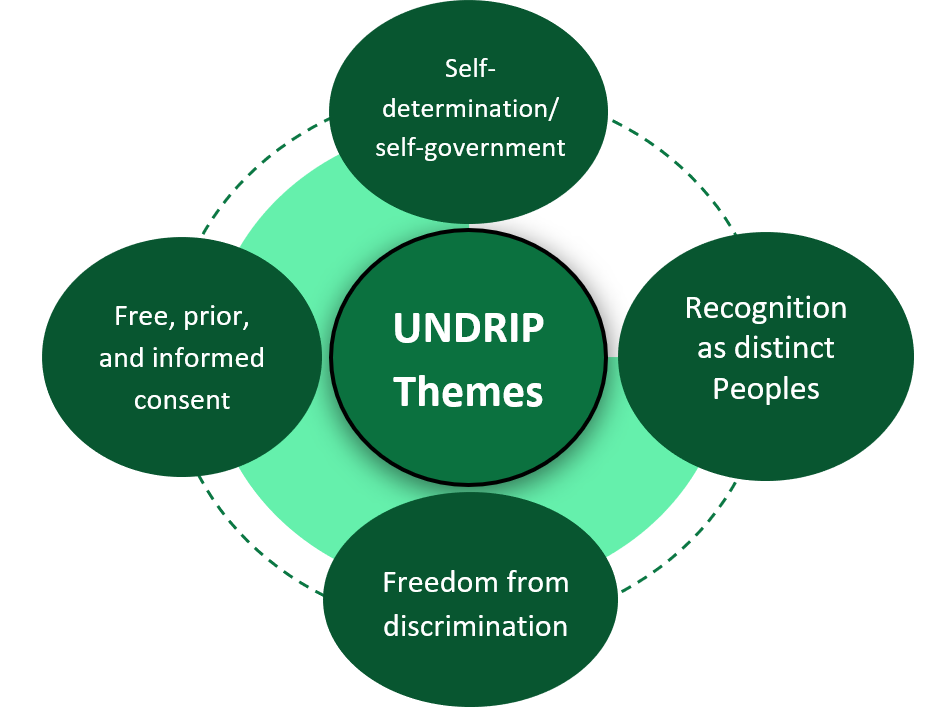
Das UN-Erklärung über die Rechte indigener Völker, die 2007 verabschiedet wurde, ist das umfassendste internationale Instrument zur Regelung der Rechte indigener Gemeinschaften. Auch wenn sie im herkömmlichen Sinne rechtlich nicht bindend ist, macht der Business Reference Guide des UN Global Compact zur UNDRIP deutlich, dass Unternehmen im Rahmen ihrer Bestimmungen substanzielle Verantwortung tragen.
Das Rahmenwerk strukturiert die unternehmerische Verantwortung nach drei Prinzipien: achten, schützen und Abhilfe schaffen.
- Achten:
Achten bedeutet, die Rechte indigener Völker auf Land, Territorien, Selbstbestimmung und kulturelle Identität bei allen geschäftlichen Aktivitäten anzuerkennen.
- Schützen:
Schützen bedeutet sicherzustellen, dass durch den Geschäftsbetrieb und die Lieferketten keine Bedingungen entstehen, die diese Rechte untergraben.
- Abhilfe schaffen:
Abhilfe schaffen bedeutet, zugängliche und wirksame Mechanismen zur Behebung von Schäden bereitzustellen, falls diese auftreten.
Der Business Reference Guide empfiehlt Unternehmen zudem, eine Richtlinie zu den Rechten indigener Völker mit klarer Verantwortlichkeit auf Führungsebene zu entwickeln, bestehende Richtlinien mit den Bestimmungen der UNDRIP abzugleichen und indigene Vertreter in die Richtlinienentwicklung einzubeziehen. Dies sind operative Schritte.
Freie, vorherige und informierte Zustimmung (FPIC): Der praktische Standard
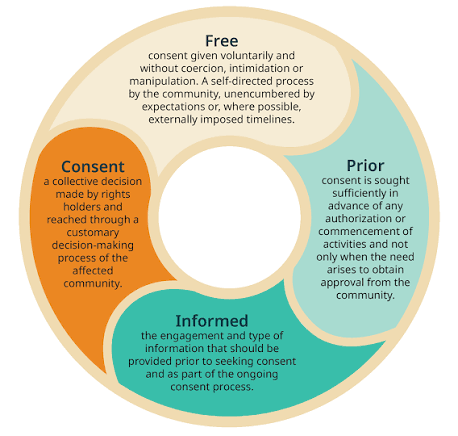
Die freie, vorherige und informierte Zustimmung (FPIC) ist der Mechanismus, durch den indigene Gemeinschaften ihre Rechte gemäß der UNDRIP ausüben. Laut der Ernährungs- und Landwirtschaftsorganisation der Vereinten Nationenermöglicht FPIC es indigenen Völkern, ihre Zustimmung zu Projekten, die ihr Land, ihre Territorien oder ihre Lebensweise beeinträchtigen könnten, zu erteilen oder zu verweigern. Jedes Wort dieses Begriffs hat eine spezifische Bedeutung.
„Frei“ bedeutet, dass die Zustimmung freiwillig und ohne Zwang oder Manipulation erfolgt. „Vorherig“ bedeutet, dass die Konsultation stattfindet, bevor Entscheidungen getroffen werden, und nicht erst nach Beginn der Umsetzung. „Informiert“ bedeutet, dass die Gemeinschaften vollständige, zugängliche und kulturell angemessene Informationen über das geplante Vorhaben erhalten.
Juni 2026 Bericht der OHCHR-Arbeitsgruppe zum Thema FPIC im Kontext unternehmerischer Aktivitäten dokumentierte sowohl positive normative Fortschritte als auch anhaltende Umsetzungslücken. Der Bericht bietet praktische Orientierungshilfen für die Operationalisierung von FPIC über den gesamten Lebenszyklus von Geschäftsprojekten hinweg – von Umweltverträglichkeitsprüfungen bis hin zur Sorgfaltspflicht in der Lieferkette. Für Unternehmen in der Rohstoffgewinnung, der Energiewende, der Infrastruktur oder der Landwirtschaft ist FPIC zunehmend eine rechtliche und reputationsbezogene Grundvoraussetzung.
Lieferketten, Landrechte und die Transformationswirtschaft
Die Verbindung zwischen indigenen Rechten und unternehmerischem Handeln zeigt sich am deutlichsten in der Lieferkette. Die Analyse von Cultural Survival aus dem Jahr 2025 ergab, dass 54 % der Vorkommen an Mineralien für die Energiewende auf oder in der Nähe von Land und Territorien indigener Völker liegen. Das bedeutet, dass praktisch jedes Unternehmen mit einem Netto-Null-Ziel, einer Lieferkette für Elektrofahrzeuge oder einem Portfolio im Bereich erneuerbare Energien eine indirekte Verbindung zu den Landrechten indigener Völker hat.
Die SIRGE Coalition, ein Zusammenschluss indigener Organisationen und Umweltgruppen, hat Unternehmen und Finanzentscheider in der grünen Wirtschaft ausdrücklich dazu aufgerufen, indigene Rechte als Teil der Energiewende zu schützen. Das Argument ist simpel: Die Dringlichkeit, die hinter den Dekarbonisierungszielen steht, darf nicht auf Kosten der Gemeinschaften gehen, die am ehesten die damit verbundenen Risiken tragen.
Für CSR-Verantwortliche ist dies ebenso eine Frage der Sorgfaltspflicht in der Lieferkette wie eine Frage der Investition in die Gemeinschaft. Unternehmen, die ihre Rohstoffbeschaffung mit indigenen Landrechten abgleichen und FPIC-Prozesse in Lieferantenverträge integrieren, agieren auf einer grundlegend anderen Ebene der Verantwortung als diejenigen, die den Austausch mit indigenen Gruppen auf die Kommunikation an Gedenktagen beschränken.
Wie können Unternehmen am 10. August wirksame Maßnahmen ergreifen?
Wenn Ihr Unternehmen mehr tun möchte, als den 10. August lediglich anzuerkennen, ist es hilfreich, das Engagement in drei Stufen zu betrachten. Nicht jedes Unternehmen kann über Nacht grundlegende Richtlinien oder Lieferketten ändern, aber jedes Unternehmen kann einen bedeutsamen ersten Schritt machen.
Der Schlüssel liegt darin, klar zu definieren, was dieser Schritt tatsächlich bewirkt.
1. Beginnen Sie mit symbolischem Engagement
Der einfachste Einstieg ist das Schaffen von Bewusstsein. Dies kann bedeuten, Bildungsinhalte zu teilen, indigenen Stimmen eine Plattform zu bieten oder Möglichkeiten für Mitarbeiter zu schaffen, mehr über die Geschichte und die Gemeinschaften indigener Völker zu erfahren.
Diese Aktivitäten sind wertvoll, insbesondere wenn sie dazu beitragen, dass Mitarbeiter etwas Neues lernen oder Gespräche anregen, die sonst vielleicht nicht stattfinden würden. Für sich genommen dienen sie jedoch primär der Sensibilisierung und weniger dem direkten Einfluss auf die Gemeinschaften.
Hier sind einige Ideen für die Umsetzung:
- Veranstalten Sie eine informative Watch-Party: Organisieren Sie eine Mittagspause mit der Vorführung eines kurzen Dokumentarfilms, eines TED-Talks oder eines Films, der von einem indigenen Filmemacher produziert wurde. Lassen Sie eine lockere Diskussion folgen, damit die Mitarbeiter ihre Erkenntnisse und Fragen austauschen können.
- Nutzen Sie Ihre Unternehmenskanäle, um indigenen Stimmen Gehör zu verschaffen: Widmen Sie Ihre LinkedIn-, Instagram- oder internen Slack-Kanäle indigenen Führungspersönlichkeiten, Künstlern, Autoren, Aktivisten und bedeutenden historischen Meilensteinen.
- Gestalten Sie das Lernen interaktiv: Veranstalten Sie ein kurzes Quiz während einer Mitarbeiterversammlung oder über Ihre HR-Plattform. Nutzen Sie es, um gängige Missverständnisse auszuräumen und das Wissen Ihrer Mitarbeiter über indigene Geschichte, Souveränität und Rechte zu erweitern.
Diese Aktivitäten sind ein guter Ausgangspunkt, insbesondere für Unternehmen, die ihre erste Sensibilisierungsinitiative starten. Wenn Sie jedoch möchten, dass Ihr Engagement eine direktere Wirkung erzielt, können Sie den nächsten Schritt gehen.
2. Übergang zu strukturellem Engagement
Strukturelles Engagement bedeutet, Ressourcen, Fachwissen und Beziehungen in den Dienst Ihres Engagements zu stellen. Dies kann die Zusammenarbeit mit gemeinnützigen Organisationen, die indigene Gemeinschaften unterstützen, die Förderung indigener Unternehmen oder die Bereitstellung von Möglichkeiten für Mitarbeiter umfassen, ihre beruflichen Fähigkeiten für Organisationen einzusetzen, die wichtige Arbeit leisten.
Hier kann aus einem eintägigen Gedenktag ein Teil eines umfassenderen Programms für ehrenamtliches Engagement oder gesellschaftliche Verantwortung werden.
Einige Ideen dazu:
- Bieten Sie kompetenzbasiertes Ehrenamt an: Bringen Sie Ihre Marketing-, Technologie-, Finanz- oder Rechtsteams zusammen, um eine von Indigenen geführte gemeinnützige Organisation zu unterstützen. Je nach Bedarf der Organisation könnten Mitarbeiter dabei helfen, eine Website zu verbessern, ein Finanzmodell zu erstellen, die Kommunikation zu stärken oder interne Prozesse zu überprüfen.
- Schaffen Sie einen Marktplatz für indigene Anbieter: Veranstalten Sie einen Pop-up-Markt in Ihrem Büro oder erstellen Sie einen digitalen Katalog mit indigenen Unternehmen. Mitarbeiter können diesen nutzen, um Anbieter für Firmengeschenke, Catering, Merchandise oder andere geschäftliche Anforderungen zu finden.
- Verdoppeln Sie Mitarbeiterspenden: Organisieren Sie eine von Mitarbeitern geleitete Spendenaktion und lassen Sie das Unternehmen die Beiträge für von Indigenen geführte Organisationen verdoppeln, die in Bereichen wie Bildung, Gemeindeentwicklung, Kulturerhalt oder Landrechte tätig sind.
Wichtig ist dabei, sicherzustellen, dass die Partnerschaft von den tatsächlichen Bedürfnissen der gemeinnützigen Organisation oder Gemeinschaft geleitet wird. Das Ziel sollte nicht darin bestehen, ein Projekt zu schaffen, das auf dem Papier gut aussieht, sondern nützliche Unterstützung zu leisten.
3. Aufbau von systemischem Engagement
Für manche Unternehmen kann der 10. August auch ein Ausgangspunkt sein, um die allgemeine Geschäftstätigkeit zu hinterfragen.
Systemisches Engagement geht über eine Kampagne, eine Freiwilligenaktion oder eine einmalige Spende hinaus. Es befasst sich mit Fragen wie der Materialbeschaffung, Entscheidungen, die indigene Gemeinschaften betreffen könnten, dem Umgang mit indigenen Interessengruppen und der Schaffung langfristiger Chancen.
Dies könnte Folgendes beinhalten:
- Überprüfung Ihrer Lieferkette: Bitten Sie Ihre Einkaufs- und Betriebsteams, die aktuellen Lieferantennetzwerke zu untersuchen und mögliche Auswirkungen auf indigene Gebiete zu identifizieren. Dieser Prozess kann zudem dazu beitragen, strengere Richtlinien für eine ethische Beschaffung zu etablieren.
- Überprüfung relevanter Unternehmensrichtlinien: Bilden Sie eine funktionsübergreifende Arbeitsgruppe, um zu bewerten, ob bestehende Richtlinien die Rechte indigener Völker, die Verantwortung für Land und eine sinnvolle Konsultation angemessen berücksichtigen. Wo relevant, können Unternehmen prüfen, wie Prinzipien wie die freie, vorherige und informierte Zustimmung (FPIC) in ihre Betriebsabläufe integriert werden sollten.
- Schaffung bezahlter Karrierewege: Investieren Sie in bezahlte Praktika, Stipendien, Ausbildungsplätze oder andere langfristige Karrieremöglichkeiten für indigene Studierende und Fachkräfte. Im Gegensatz zu einmaligen Veranstaltungen können diese Programme Chancen schaffen, die einen systemischen Weg für junge Menschen mit indigenem Hintergrund ebnen.
Nicht jedes Unternehmen ist sofort bereit für systemische Veränderungen, und das ist in Ordnung. Wichtig ist, einen einzelnen Aktionstag nicht als Ziellinie zu betrachten. Er kann ein nützlicher Ausgangspunkt sein, um zu lernen, Beziehungen aufzubauen und zu erkennen, wo Ihr Unternehmen langfristig einen bedeutsameren Beitrag leisten kann.
Aktivierung des Themas 2026: Ehrung indigener Hebammen
Indigene Hebammen spielen eine entscheidende Rolle bei der Bewahrung von überliefertem Wissen, dem Schutz der mütterlichen Gesundheit und der Verteidigung der Grundrechte ihrer Gemeinschaften. Unternehmen können spezifische, wirkungsvolle Aktivitäten rund um das diesjährige Thema entwickeln, um die Chancengleichheit in der Mütterversorgung zu unterstützen.
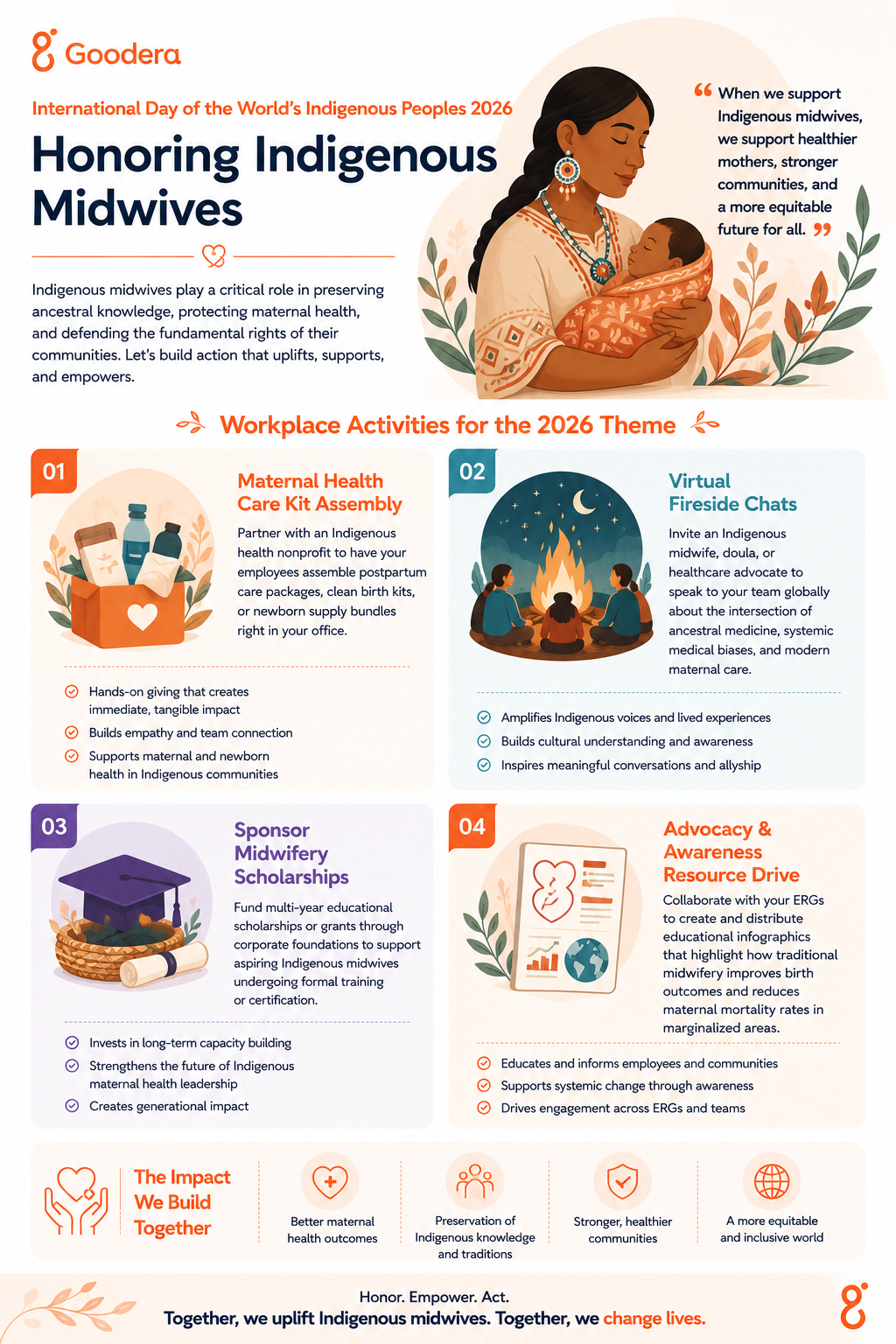
Aktivitäten am Arbeitsplatz zum Thema 2026:
- Zusammenstellung von Paketen für die Müttergesundheit: Arbeiten Sie mit einer indigenen Gesundheitsorganisation zusammen, damit Ihre Mitarbeiter direkt im Büro Wochenbett-Pflegepakete, Geburtssets oder Ausstattungspakete für Neugeborene zusammenstellen können.
- Virtuelle Kamingespräche: Laden Sie eine indigene Hebamme, Doula oder einen Gesundheitsfürsprecher ein, um vor Ihrem globalen Team über die Schnittstelle von traditioneller Medizin, systemischen medizinischen Vorurteilen und moderner Mütterversorgung zu sprechen.
- Förderung von Hebammen-Stipendien: Finanzieren Sie durch Unternehmensstiftungen mehrjährige Bildungsstipendien oder Zuschüsse, um angehende indigene Hebammen während ihrer Ausbildung oder Zertifizierung zu unterstützen.
- Kampagne für Interessenvertretung und Aufklärung: Arbeiten Sie mit Ihren Mitarbeiter-Ressourcengruppen (ERGs) zusammen, um informative Infografiken zu erstellen und zu verbreiten, die aufzeigen, wie traditionelle Geburtshilfe die Geburtsergebnisse verbessert und die Müttersterblichkeit in marginalisierten Gebieten senkt.
Die meisten Unternehmen agieren derzeit primär auf symbolischer Ebene. Der Übergang zu einem strukturellen oder systemischen Engagement macht die Relevanz dieses Tages für Unternehmensakteure erst wirklich bedeutsam.
Kompetenzbasiertes Ehrenamt für indigene Non-Profit-Organisationen
Kompetenzbasiertes Ehrenamt ist eine der konkretesten Möglichkeiten für Unternehmen, professionelles Fachwissen zur Unterstützung indigener Gemeinschaften einzusetzen. Zu den Kompetenzbereichen, die von indigenen Non-Profit-Organisationen am häufigsten nachgefragt werden, gehören pro bono Rechtsberatung für die Dokumentation von Landrechten, Kommunikationskapazitäten für kommunale Gesundheitsprogramme, Finanzmodellierung für die Entwicklung indigener Unternehmen sowie technologische Infrastruktur für Projekte zur Bewahrung kulturellen Erbes.
Organisationen wie die Changing Woman Initiative in New Mexico, die indigene Doulas und Hebammen ausbildet, sind genau die Art von Organisation, die professionelle Fähigkeiten von Unternehmensfreiwilligen aufnehmen und anwenden kann. Insbesondere juristische, kommunikative und fundraising-bezogene Kompetenzen werden regelmäßig von indigen geführten Gesundheitsorganisationen angefragt, die nur über begrenzte administrative Kapazitäten verfügen.
Gooderas Katalog für Freiwilligenangebote umfasst vielfältige Möglichkeiten, die nach Funktionsbereichen gegliedert sind. CSR-Teams können diese nutzen, um die Expertise ihrer Mitarbeiter gezielt mit indigenen Non-Profit-Organisationen zusammenzubringen, die über die nötige Infrastruktur verfügen, um diese Hilfe effektiv einzusetzen.
LESEN SIE DAZU AUCH:

Tiefgreifende Partnerschaften mit Non-Profit-Organisationen
Es besteht ein wesentlicher Unterschied zwischen einer Partnerschaft mit einer Organisation, die indigene Gemeinschaften unterstützt, und einer Partnerschaft mit einer Organisation, die von diesen Gemeinschaften selbst geleitet und aufgebaut wurde. Diese Unterscheidung ist entscheidend für Authentizität, Relevanz und die Nachhaltigkeit der Wirkung.
Indigen geführte Organisationen entwickeln Programme, die die Prioritäten und Wissenssysteme der Gemeinschaft widerspiegeln, anstatt auf extern entworfenen Rahmenbedingungen zu basieren. Eine direkte Finanzierung, anstatt Ressourcen über Zwischenorganisationen zu leiten, stärkt die organisatorische Infrastruktur, die von den Gemeinschaften selbst kontrolliert wird.
Für Unternehmen, die in diesem Bereich tätig werden möchten, ist ein hilfreicher erster Schritt die Durchsicht des Portfolios der Native Ways Federation, einem Zusammenschluss indigener Non-Profit-Organisationen, die amerikanische Ureinwohner, Alaska Natives und indigene Hawaiianer vertreten, oder die Zusammenarbeit mit dem Netzwerk First Peoples Worldwide , das speziell an der Schnittstelle zwischen indigenen Rechten und der Wirtschaft arbeitet.
Verknüpfung des 10. August mit Ihrer ESG- und CSR-Strategie
SDG-Ausrichtung für Programme mit indigenem Fokus
Das Thema des Internationalen Tages der indigenen Völker 2026 lässt sich gleichzeitig mehreren Zielen für nachhaltige Entwicklung zuordnen. Der Schwerpunkt „Ehrung indigener Hebammen“ lässt sich direkt auf SDG 3 (Gesundheit und Wohlergehen), insbesondere Unterziel 3.1, das sich mit der Senkung der Müttersterblichkeit befasst. Aktivitäten zur Unterstützung indigener Gesundheitsfachkräfte und traditioneller Hebammenwissen-Systeme führen zu ESG-berichtspflichtigen Ergebnissen im Rahmen dieses Ziels.
Über die Gesundheit hinaus stehen indigene Programme im Einklang mit SDG 10 (Weniger Ungleichheiten), durch Arbeit, die die wirtschaftliche Inklusion fördert und die Armutsraten unter indigenen Bevölkerungsgruppen adressiert. SDG 15 (Leben an Land) erfasst die Verbindung zwischen indigenen Landrechten und dem Erhalt der biologischen Vielfalt, da indigene Gebiete etwa 22 % der weltweiten Landfläche bedecken und laut dem Umweltprogramm der Vereinten Nationen80 % der verbleibenden Artenvielfalt des Planeten beherbergen. SDG 16 (Frieden, Gerechtigkeit und starke Institutionen) steht im Zusammenhang mit der Umsetzung von FPIC und der indigenen Selbstbestimmung.
Der GRI 413-Standard zu lokalen Gemeinschaften erwartet von Unternehmen explizit, dass sie offenlegen, wie sie mit indigenen Gemeinschaften und betroffenen Gruppen interagieren. Unternehmen mit strukturierten, dokumentierten Engagement- und Investitionsprogrammen sind für die ESG-Berichterstattung gemäß GRI 413 besser aufgestellt.
Unternehmen, die wirksame Maßnahmen ergreifen
Expedia Groups IDEA Inclusion Business Group

Expedias IDEA Inclusion Business Group. Bild via Expedia Group.
Expedia Groups Indigenous Diversity, Expedians and Allies (IDEA) Gruppe, wie berichtet via PowerToFlybietet eines der durchdachtesten internen Programme unter US-Unternehmen. Die Gruppe schafft Möglichkeiten zur beruflichen Weiterentwicklung für indigene Mitarbeiter und Verbündete, organisiert im August Vortragsreihen sowie Storytelling-Events und entwickelt Lernpfade für Mitarbeiter, die ihr Verständnis für die Geschichte und die heutige Lebensrealität indigener Völker vertiefen möchten.
Was das IDEA-Modell von rein zeremoniellen Programmen unterscheidet, ist der Fokus auf den ganzjährigen Aufbau einer Gemeinschaft anstelle von eintägigen Aktionen. Die Gruppe fungiert als feste Struktur innerhalb der Inklusions-Infrastruktur von Expedia und setzt auf wiederkehrende Programme statt auf einmalige Gedenkveranstaltungen.
Visas AISES-Partnerschaft
Visas Sponsoring der American Indian Science and Engineering Society (AISES) National Conference spiegelt einen strategischen Ansatz zur Förderung der wirtschaftlichen Teilhabe indigener Völker durch die Entwicklung von MINT-Fachkräften wider. AISES, das sich seit 1977 für die Repräsentation indigener Völker in MINT-Bereichen einsetzt, arbeitet mit über 7.600 Mitgliedern, 207 Hochschulgruppenund Programmen, die von der Vorschule bis zum Postgraduierten-Niveau reichen. Die jährliche AISES-Konferenz zieht über 3.500 Teilnehmer an und beherbergt die größte Hochschul- und Karrieremesse für indigene Studierende und Fachkräfte in den Vereinigten Staaten.
Durch das Sponsoring dieser Veranstaltung positioniert sich Visa genau dort, wo indigene MINT-Talente aktiv berufliche Netzwerke knüpfen und Arbeitgeber bewerten. Dies ist strukturelles Engagement: Es schafft direkte Verbindungen zwischen indigenen Talenten und beruflichen Chancen im Unternehmen, anstatt das Engagement auf reine Sensibilisierungskommunikation zu beschränken.
TCS-Integration für indigenes Mentoring
Tata Consultancy Services generierte 9,4 Millionen globale Freiwilligenstunden im Geschäftsjahr 2026, das am 31. März 2026 endete. Innerhalb seiner nordamerikanischen Programme werden indigene Völker neben Veteranen, Frauen und Jugendlichen explizit als Mentoring-Kohorte in den Programmen des Unternehmens zur Vermittlung digitaler Kompetenzen und zur beruflichen Entwicklung genannt.
Der Ansatz von TCS zeigt, wie Investitionen in indigene Gemeinschaften in eine groß angelegte Freiwilligen-Infrastruktur integriert werden können, ohne dass ein eigenständiges Programm erforderlich ist. Indem TCS indigene Gemeinschaften als explizites Segment innerhalb bestehender Mentoring-Strukturen benennt, schafft das Unternehmen Verantwortlichkeit, ohne dass das CSR-Team ein völlig neues Programm von Grund auf aufbauen muss. Das Ergebnis ist eine konsistente Investition über das ganze Jahr hinweg statt einer konzentrierten Aktivität im August.
Auf den Punkt gebracht
Der 9. und 10. August 2026 sind Tage für unternehmerische Verantwortung. Das Thema des Internationalen Tages der indigenen Völker 2026, „Ehrung indigener Hebammen: Schutz von Leben und Wohlbefinden“, fordert Organisationen dazu auf, ernsthaft darüber nachzudenken, welche Wissenssysteme sie anerkennen und unterstützen, um welche Prioritäten der Gemeinschaft sie ihre Programme aufbauen und ob ihre operativen Praktiken mit den von der internationalen Gemeinschaft festgelegten Rechtsrahmen übereinstimmen.
Für CSR- und Social-Impact-Führungskräfte ist dieser Gedenktag vor allem als Diagnoseinstrument nützlich. Er wirft die richtigen Fragen zu Lieferkettenrisiken, Prioritäten bei der Mittelvergabe, der Gestaltung von Freiwilligenprogrammen und der ESG-Berichterstattung auf. Zudem bietet er die Art von jährlicher Struktur, die ein kontinuierliches Engagement nachhaltig stützen kann, anstatt nur episodische Aufmerksamkeit zu erzeugen.
Die Unternehmen, die am 10. August 2026 mit echtem Selbstvertrauen zurückblicken werden, sind diejenigen, die den Tag genutzt haben, um einen bewussten Schritt weiter auf dem Weg vom symbolischen zum strukturellen Engagement zu gehen.
Erfahren Sie, wie Goodera Unternehmen beim Aufbau von kompetenzbasierte Freiwilligenprogramme in Zusammenarbeit mit Organisationen für indigene und unterversorgte Gemeinschaften. Erfahren Sie mehr über Gooderas Ressourcen für CSR-Strategien zum Aufbau ganzjähriger Wirkungsprogramme.
Frequently Asked Questions
Was ist der Internationale Tag der indigenen Völker?
Es handelt sich um einen jährlichen Gedenktag der Vereinten Nationen am 9. August, der erstmals durch die Resolution 49/214 der UN-Generalversammlung am 23. Dezember 1994 festgelegt wurde. Das Datum erinnert an das erste Treffen der UN-Arbeitsgruppe für indigene Bevölkerungsgruppen, das 1982 in Genf stattfand. Der Tag schärft das Bewusstsein für die Rechte und Kulturen indigener Völker sowie die spezifischen Herausforderungen, denen diese Gemeinschaften gegenüberstehen, und bietet Regierungen, Unternehmen, der Zivilgesellschaft und gemeinnützigen Organisationen eine Plattform für wirksames Handeln.
Was ist das Thema des Internationalen Tages der indigenen Völker 2026?
Das offizielle Thema für 2026 lautet „Indigene Hebammen ehren: Leben und Wohlbefinden schützen“, wie vom UN-Hauptabteilung für wirtschaftliche und soziale Angelegenheiten bestätigt. Die virtuelle Gedenkveranstaltung findet am Montag, den 10. August 2026 statt, da der 9. August auf einen Sonntag fällt. Das Thema konzentriert sich auf das generationenübergreifende Wissen und die Rolle indigener Geburtshelferinnen für die Gesundheit der Gemeinschaft.
Wie viele indigene Menschen gibt es weltweit?
Nach Angaben der Vereinten Nationenleben über 476 Millionen indigene Menschen in 90 Ländern, was etwa 6,2 % der Weltbevölkerung entspricht. Sie gehören mehr als 5.000 verschiedenen Gruppen an und sprechen den Großteil der weltweit etwa 7.000 Sprachen. Trotz dieser kulturellen Vielfalt machen sie fast 19 % der extrem armen Weltbevölkerung aus.
Was ist FPIC und warum ist es für Unternehmen wichtig?
FPIC steht für „Free, Prior and Informed Consent“ (freie, vorherige und informierte Zustimmung). Es ist ein international anerkanntes Recht indigener Völker, ihre Zustimmung zu Geschäftsprojekten, die ihre Ländereien, Gebiete, Ressourcen und Lebensweisen betreffen könnten, zu erteilen oder zu verweigern. Es basiert auf der UNDRIP und gilt für unternehmerische Aktivitäten in allen Branchen, insbesondere im Rohstoff-, Energie-, Landwirtschafts- und Infrastruktursektor. Unternehmen, deren Betriebsabläufe oder Lieferketten indigene Gebiete berühren, tragen die Verantwortung, FPIC-Prozesse zu implementieren.
Was ist die UNDRIP und wie betrifft sie Unternehmen?
Die UNDRIP, die Erklärung der Vereinten Nationen über die Rechte indigener Völker, wurde 2007 verabschiedet und von 148 Mitgliedsstaaten unterstützt. Obwohl sie als Deklaration rechtlich nicht bindend ist, begründen die UN-Leitprinzipien für Wirtschaft und Menschenrechte die Erwartung, dass Unternehmen die in der UNDRIP verankerten Rechte respektieren. Der Business Reference Guide to UNDRIP des UN Global Compact bietet praktische Orientierungshilfen für die unternehmerische Umsetzung, einschließlich der Entwicklung von Richtlinien, der Einbindung von Stakeholdern und der Sorgfaltsprüfung.
Wie können Unternehmen sinnvoll am Internationalen Tag der indigenen Völker teilnehmen?
Sinnvolle Teilhabe reicht von strukturellen Programminvestitionen bis hin zur systemischen Anpassung von Unternehmensrichtlinien. Konkrete Optionen sind unter anderem der Start von kompetenzbasierten Freiwilligenprojekten mit indigen geführten gemeinnützigen Organisationen, die Finanzierung von Partnerschaften mit indigenen Lieferanten, die Entwicklung oder Aktualisierung einer Richtlinie zu den Rechten indigener Völker im Einklang mit der UNDRIP sowie die Verpflichtung zu FPIC-Prozessen bei allen Aktivitäten, die indigene Gebiete betreffen. Den 10. August mit einem ganzjährigen Programm zu verknüpfen, statt ihn als isolierte Aktion zu betrachten, schafft nachhaltige Wirkung in den Gemeinschaften.
Welche SDGs sind für Programme mit Fokus auf indigene Völker am relevantesten?
Vier SDGs weisen die stärksten Verbindungen auf: SDG 3 (Gesundheit und Wohlergehen, passend zum diesjährigen Thema Hebammenwesen), SDG 10 (Weniger Ungleichheiten, zur Bekämpfung wirtschaftlicher Ausgrenzung), SDG 15 (Leben an Land, mit Bezug auf indigene Gebietsverwaltung und Biodiversität) und SDG 16 (Frieden, Gerechtigkeit und starke Institutionen, in Bezug auf Selbstbestimmung und Governance-Rechte). Der GRI 413 zu lokalen Gemeinschaften ist der am direktesten anwendbare ESG-Berichtstandard zur Dokumentation der Einbindung indigener Völker.
Welcher Zusammenhang besteht zwischen der Energiewende und den Rechten indigener Völker?
Eine Analyse von Cultural Survival ergab, dass 54 % der Vorkommen an Mineralien, die für die Energiewende benötigt werden, auf oder in der Nähe von Gebieten indigener Völker liegen. Das bedeutet, dass Unternehmen mit Lieferketten für Elektrofahrzeuge, Infrastruktur für erneuerbare Energien oder Batterietechnologien potenzielle Risiken für indigene Landrechte in ihre Nachhaltigkeitsstrategien integriert haben. Dies erfordert eine Kartierung der Lieferketten, die Integration von FPIC-Richtlinien und eine aktive Einbindung der betroffenen Gemeinschaften.
Wie fügt sich der 10. August in einen breiteren jährlichen Kalender für die Einbindung indigener Völker ein?
Für in den USA ansässige Unternehmen bietet der November als „Native American Heritage Month“ einen natürlichen zweiten Ankerpunkt. International hält das Ständige Forum der Vereinten Nationen für indigene Angelegenheiten (UNPFII) im Mai seine jährliche Sitzung ab, aus der politische Leitlinien für das unternehmerische Engagement hervorgehen. Die Internationale Dekade der indigenen Sprachen läuft von 2022 bis 2032 und bietet einen nachhaltigen Rahmen für Partnerschaften zur Bewahrung von Sprachen. Ein ernsthaftes Ganzjahresprogramm betrachtet den 10. August als Startpunkt oder Moment der Erneuerung innerhalb eines größeren Kalenders.
Was ist der Unterschied zwischen einer indigen geführten Organisation und einer Organisation, die indigenen Gemeinschaften dient?
Eine indigen geführte Organisation wird primär von Mitgliedern indigener Gemeinschaften geleitet, personell besetzt und gestaltet. Ihre Prioritäten und die Programmgestaltung spiegeln die Selbstbestimmung der Gemeinschaft wider. Organisationen, die indigenen Gemeinschaften dienen, können hingegen von nicht-indigenen Führungskräften geleitet und nach externen Rahmenbedingungen gestaltet sein. Beide können wertvolle Arbeit leisten, doch die Finanzierung und Partnerschaft mit indigen geführten Organisationen stärkt direkt die gemeinschaftlich kontrollierte organisatorische Kapazität.