Corporate Giving Ideas: Ways to Give Back to the Community

Imagine an afternoon where team members step away from their desks to pack hundreds of meal kits alongside local community organizers. Long after the event ends, the momentum continues: participation spikes, employees actively suggest new local partners, and the non-profit receives sustainable support that lasts all year. That is what corporate giving ideally looks like when strategy, purpose, and team culture align, simultaneously.
Not every program reaches this level right away. Many companies start with simple, isolated initiatives, only to realize later that they want to build something deeper. Moving from passive giving to active, sustainable impact is simply a matter of strategy.
According to ACCP's 2024 CSR Insights Survey, 77% of companies reported increased workplace volunteerism in 2024, a 16% jump from the year before. That momentum is real. But momentum without structure doesn't become impact. What separates the companies doing this well from the ones going through the motions? Intention. Consistency. And a genuine answer to the question: "Who are we trying to help, and what do they actually need?"
Your People Already Want to Do This
Before we get into tactics, let's acknowledge something that often goes unsaid in CSR planning conversations. Your employees are ahead of you on this.
Goodera’s 2026 Corporate Volunteering Quotient (VQ) Report analyzed volunteering participation across 240 companies globally and found that the median workforce participation rate in corporate volunteering programs now stands at 25.6%, with companies that have consistently reported data over the past three years seeing 20% year‑on‑year growth in engagement.
ACCP also found that 61% of CSR professionals reported increased employee participation in workplace volunteer programs in 2025, marking the third consecutive year of growth since pandemic-era lows. This is not a passing trend. It's a sustained shift in what employees expect from their employers and what they're willing to give back in return.
The opportunity in front of most CSR and HR leaders right now is not to manufacture enthusiasm. It's to channel the enthusiasm that already exists into something structured, visible, and real.
Ways to Give Back to the Community: Workplace Ideas
The most underused asset in corporate giving isn't a budget line. It's expertise.
Every organization is full of people with skills that nonprofits and community organizations desperately need: financial planning, marketing strategy, legal counsel, technology, communications, project management. When those skills stay inside the office, communities miss out on something they often can't afford to hire.
1. Skills-Based Volunteering
This is one of the most impactful ways to give back to the community, and one of the least used. Rather than sending your team to paint a fence, match them with nonprofits who need exactly what your people do professionally.
Paramount's skills-based volunteering program, run through Catchafire, helped organizations save approximately $3 million across 4,000 hours of volunteer work. That's not a rounding error. That's transformational support for organizations that couldn't have accessed it any other way.
Platforms like Taproot Foundation make this matchmaking straightforward, connecting skilled volunteers with nonprofits who have specific, defined needs.
2. Pro Bono Programs
Pro bono is skills-based volunteering taken a step further, where employees work on substantive, ongoing projects rather than one-off tasks. Cisco's Legal Department brought 91% of U.S.-based attorneys into pro bono work in fiscal 2024, up from 56% the year before, supporting legal aid organizations and expanding access to justice in communities around them. That kind of participation doesn't happen by accident. It happens when leadership makes it a priority and removes the barriers to doing it.
3. In-Kind Donations
If your company produces a product or service that communities can use, donating it directly is often more valuable than writing a check. Software companies can donate technology licenses. Retailers can contribute merchandise. Consulting firms can provide strategy sessions. Many corporations provide in-kind donations of products or services free or at substantial discounts to qualifying charitable organizations, allowing nonprofits to significantly reduce operational expenses without consuming limited cash reserves.
Donation Ideas That Go Beyond Writing a Check
When people think about donating to a cause, they tend to picture a one-time wire transfer or a fundraising form. But the most meaningful corporate donation ideas are the ones that create ongoing relationships rather than single transactions.
4. Donation Matching Programs
This is one of the simplest and most effective levers available to any organization. In 2024, the average annual employee donation was $744 and the average total company match was $730, meaning that well-designed matching programs can effectively double an employee's impact with no additional effort on their part. The psychological effect matters too: knowing their contribution will be matched makes people more likely to give in the first place.
Principal Financial redesigned its employee matching program in 2022, replacing a 25-hour volunteer minimum with a $25-per-hour reward up to $1,000 per year. In the first four months alone, employees generated over $2.6 million in donations across 2,450 causes. The lesson here isn't about the dollar amount. It's about what happens when you remove friction and give employees real flexibility in how they give.
5. Volunteer Grants ("Dollars for Doers")
Volunteer grants turn volunteer hours into dollars for nonprofits, with no additional cost to the employee. Companies typically donate $8 to $25 per volunteer hour when employees serve at a nonprofit. Ten volunteer hours can generate $80 to $250 in additional funding, creating a dual benefit of time and money flowing to the same cause. 40% of Fortune 500 companies already offer volunteer grants, but awareness among employees is often low. Simply promoting that this program exists can dramatically increase participation.
6. Community Grants and Sponsorships
Many companies sit on community grant programs that are underutilized because the application process is opaque or the causes feel disconnected from what employees actually care about. One fix: let employees nominate the nonprofits they want to see funded. CarMax's Volunteer Team Builder program allows groups of five or more employees to plan volunteer activities with a qualifying nonprofit, which then also receives a donation from the CarMax Foundation.
Over 12,000 CarMax employees have participated, benefiting 10,000 organizations. The program works because employees have ownership, not just participation.
Ways to Help the Community Through Your Workplace Culture
Some of the most lasting corporate giving happens not through formal programs but through the culture a company builds around giving. Here's what that looks like in practice:
7. Make Volunteering a Team Sport
Companies that deploy structured volunteering enablers, such as volunteer time‑off, integrated platforms, and “dollars for doers”, see roughly 1.6–1.9× higher workforce participation than those without, underscoring the power of built‑for‑teams programs over ad‑hoc ones.
There's something about doing something meaningful alongside people you work with every day that changes the dynamic. Hierarchies flatten. New connections form. People see each other differently. That's not a soft outcome. It's the kind of culture building that HR teams spend entire budgets trying to replicate through other means.
8. Paid Volunteer Time Off
Companies offering paid time off for volunteering increased to 28% in 2024, according to SHRM's Employee Benefits survey. It's still a minority, which means there's a real competitive advantage for organizations willing to do it. When employees know they can give their time without losing income, participation rises and the quality of their involvement deepens because they're not squeezing it in around the edges of the workday.
9. Employee-Led Giving Committees
22% of CSR survey respondents in 2024 reported rising expectations from employees to have a voice in CSR decisions, up from 18% the year prior. The signal is clear: people want to help shape the causes their company supports, not just execute on a list someone else made. A small, rotating committee of employees who help select causes, review nominations, and plan giving campaigns can transform a top-down program into something the team genuinely owns.
10. A Day of Service, But Make It Count
A company-wide day of service is one of the most visible ways to give back to the community. The difference between a day that feels meaningful and one that feels performative usually comes down to one thing: was the activity designed around what the community needed, or around what was convenient for the company? Call your local nonprofit partners before you plan. Ask what they actually need. Then build the day around that answer.
Giving Back Topics Worth Putting on Your Calendar
Corporate giving works best when it's timed thoughtfully and tied to causes employees already care about. Here are some giving back topics and moments that give your programs a natural hook without forcing it:
Hunger and Food Insecurity (Year-Round, But Especially November):

Food drives, volunteer days at local food banks, and donation matching campaigns tied to hunger awareness are perennial high-participation programs. The key is making them specific: tell employees exactly what the food bank needs, what a dollar donation provides, and where the food will go.
ALSO READ: Hunger Action Month Celebration Ideas
Education and Mentorship (Back-to-School Season and Beyond):
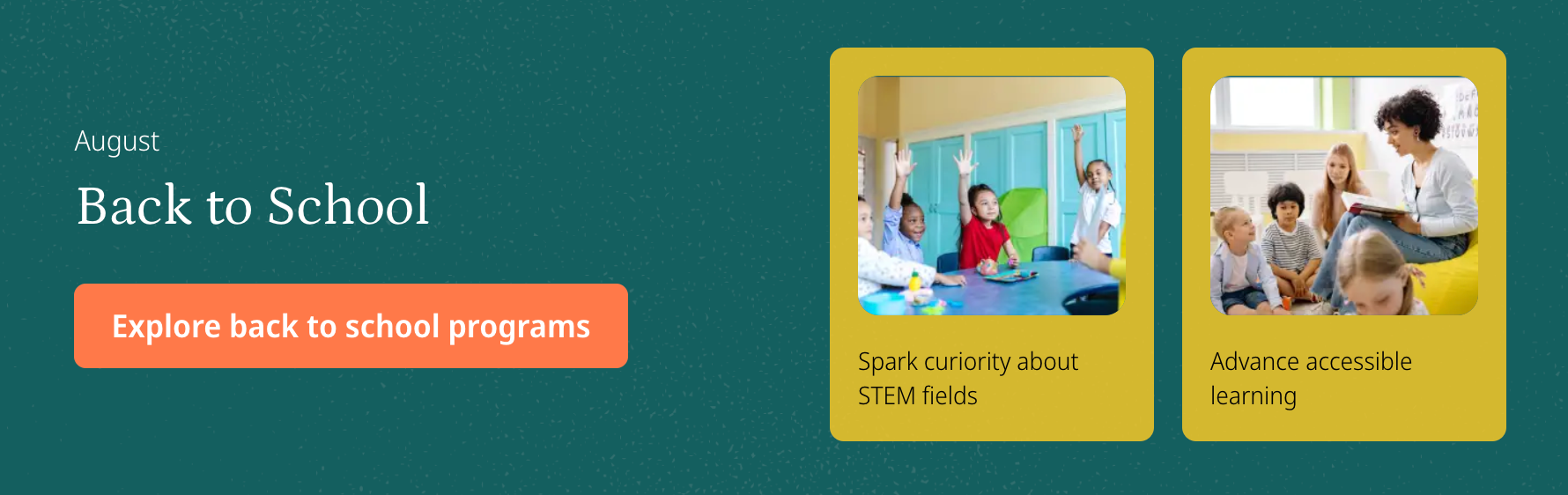
Reading programs, STEM mentorship, scholarship funds, and school supply drives connect employees to community outcomes that feel tangible and local. Companies with employees who have children in local schools often see especially strong participation here.
ALSO READ:
1. Back-to-school drive ideas
2. Back-to-school event ideas
Environmental Action (Earth Day and Sustainability Moments):

Neighborhood cleanups, tree planting, river restoration, and corporate sustainability partnerships give teams a physical, visible way to give back. These events also tend to photograph beautifully, which matters for internal storytelling and external brand presence.
ALSO READ:
1. Volunteering Ideas for Work
2. How to Celebrate Earth Day at Work
Mental Health and Social Support (Year-Round):
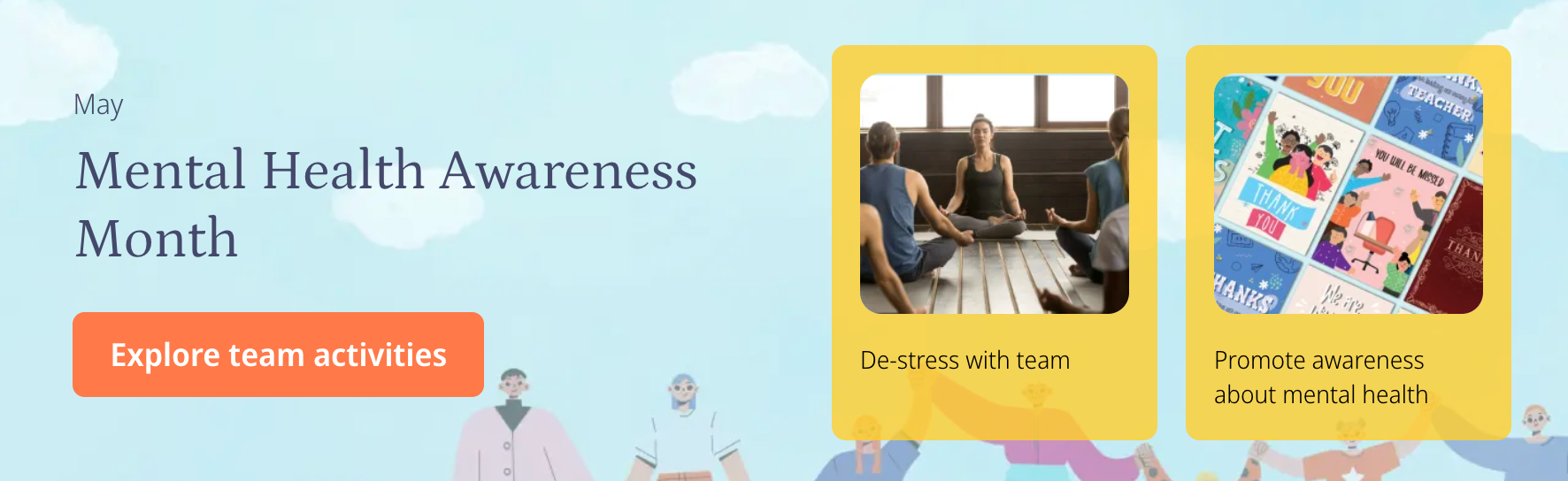
Crisis hotline support, mental health nonprofit partnerships, and giving campaigns tied to Mental Health Awareness Month (May) are increasingly important to employees who see mental health as inseparable from community wellbeing. This is an area where showing up consistently, not just once a year, matters enormously.
ALSO READ:
1. Virtual Volunteering Ideas for Mental Health Awareness Month
2. How to Celebrate Mental Health Awareness Month at Work
3. Everything You Need to Know about Mental Health Awareness Month
Disaster Relief and Emergency Response: When a community is hit by a natural disaster, employees often want to help immediately. Having a pre-established process for emergency giving campaigns, whether through a matched giving portal or a designated nonprofit partner, means you can respond quickly and meaningfully rather than scrambling.
Thanksgiving:
For many teams, Thanksgiving is the one time of year when giving back feels completely natural. Setting up a turkey drive, serving hot meals, or packing seasonal food boxes gives people a hands-on way to lean into the spirit of gratitude. But hunger relief is only part of the picture, pairing these food drives with warm coat collections or family "wish list" sponsorships turns a basic company initiative into something deeply personal.
ALSO READ:
A Year-Long Strategy for Giving Back to the Community
The question we hear most often from people in this role is a version of this: "How do we get leadership to take this seriously as a business priority, not just a feel-good initiative?"
Here's our honest answer. The data is on your side.
92% of those surveyed by Deloitte believe that volunteering improves an employee's skill set. Companies with well-established volunteer programs see less employee turnover and greater employee satisfaction, according to Fortune's research. Corporate giving grew significantly in 2024, reaching over $44 billion in charitable contributions, according to the Giving USA report, reflecting a broader shift in how companies are thinking about their role in communities.
The companies leading this well aren't treating giving as a separate track from business. They're treating it as part of how they build culture, attract talent, and earn trust in the communities where they operate. That's a business argument, not a philanthropic one.
A few things worth building for the long term:
Measure and Report Impact: Tracking how many volunteer hours your team logged is the floor, not the ceiling. The ceiling is being able to say: these hours led to this outcome for this community. Work with your nonprofit partners to gather outcome data, not just participation data. Share it internally. Make impact visible.
Build Relationships: The most durable corporate giving programs are built on genuine partnerships with community organizations, not one-off donations or annual events. Reach out to two or three local organizations and ask what a real, sustained partnership would look like for them. Let their answer shape your program design.
Give Employees Real Ownership: Benevity's research shows that companies see 12 times the participation when they offer both company-created and employee-created volunteer opportunities. That number alone should settle the "should we let employees choose?" debate. Ownership drives participation. Participation drives impact. Impact drives everything else.
Giving back is one of the few things that gets better the more seriously you take it. A company that treats corporate giving as a compliance exercise gets compliance. A company that treats it as a genuine expression of its values gets something far more valuable: a team that believes in what they're building and a community that believes in them.
Start where you are. Build from there. And don't let October, or November, or any single moment on the calendar be the only time your organization shows up.
Questions We Get Asked a Lot
1. What are the most effective ways to give back to the community as a company?
The most effective approaches combine financial giving, skilled volunteering, and genuine community partnerships. A one-time donation to a cause nobody on the team knows anything about has almost no lasting impact. A sustained partnership where employees volunteer their professional skills, the company provides matching dollars, and the relationship is built over years creates something communities can count on.
2. How do we get employees excited about giving programs, not just compliant?
Give them a real choice. Let them nominate causes. Let them lead events. Let them see where the money goes. People show up for things they helped create. They go through the motions for things that were handed to them. When employees have both company-created and employee-created volunteer opportunities available, participation increases on average 12 times.
3. Can smaller companies compete with large corporate giving programs?
Absolutely, and in some ways smaller companies have an advantage. They can move faster, build more personal relationships with community partners, and create a culture of giving that feels genuine rather than institutional. Companies with fewer than 1,000 employees saw 63.8% volunteer engagement in 2024, which outpaces many much larger organizations. Scale is not the point. Intention is.
4. How do we make sure our giving doesn't feel performative?
Ask the communities you're trying to help what they need before you decide what to give. That one shift changes everything. The gap between performative and meaningful giving is almost always a listening gap.
5. Where should we start if we're building a giving program from scratch?
Start with one cause your leadership and employees both genuinely care about. Find one community organization working on that cause and ask how you can help. Build that relationship before you build a program. The program should follow the relationship, not the other way around.
6. How to give back to the community as a company, if you're not sure where to begin?
Start with your own backyard. Look at the zip codes where your employees live and work, and find out what the most pressing needs are there. Food insecurity, educational gaps, lack of access to legal or financial services, environmental neglect. Pick one. Then find the organization in your community already working on it and ask how your company can support their existing work rather than creating something new from scratch. The most meaningful giving almost always starts with listening, not announcing.
7. What are the most practical ways to help the community without a large CSR budget?
Time and skills cost nothing to give and are often worth more than money to the organizations that need them. A team of five employees spending a Saturday with a local nonprofit, a lawyer spending two hours reviewing a nonprofit's contracts, a marketing team helping a food bank redesign their donor communications: these contributions don't require a budget line. They require intention and a willingness to show up. Start there, and the formal programs can grow around what you learn.
Frequently Asked Questions
1. What does giving back to the community mean for a company?
Giving back means directing company resources, time, and expertise toward causes and neighborhoods that need them. It goes beyond one-off donations to include Volunteer Time Off, skills-based support, product contributions, and multi-year nonprofit partnerships. The intention is community-first: understanding who is being helped and what they actually need, rather than pursuing visibility or reputation alone.
2. How can companies give back beyond writing a check?
Effective programs blend financial and non-financial contributions. Common formats include Volunteer Time Off, matched giving, skills-based volunteering, product or service donations, community grants, cause-marketing partnerships, and mentorship for underserved groups. Supplier diversity, which channels procurement to minority- and diverse-owned businesses, is another lever that creates lasting economic impact in local communities.
3. Why is Corporate Volunteering a strong way to give back?
Volunteering pairs company time with nonprofit need at meaningful scale. The ACCP 2024 CSR Insights Survey found 77% of companies reported increased workplace volunteerism in 2024, a 16-point jump year over year. Volunteering also builds employee skills, deepens community relationships, and produces measurable outputs nonprofits can plan around when it is offered consistently.
4. What is skills-based volunteering and why does it matter?
Skills-based volunteering channels employees' professional expertise, such as marketing, finance, legal, or technology, into projects nonprofits could not otherwise afford. It delivers higher per-hour value than general volunteering and helps nonprofits build long-term capacity. For employees, it develops leadership skills while addressing real community problems, making it one of the most impactful ways companies can give back.
5. How do multi-year nonprofit partnerships create deeper impact?
Sustained partnerships allow nonprofits to plan, hire, and scale programs with confidence. Instead of episodic support, companies commit funding, volunteers, and expertise across several years, aligning goals and measuring outcomes together. This continuity is what separates good corporate giving from great, moving beyond photo-op events into genuine, community-first change that endures well past a single campaign cycle.
6. What role does supplier diversity play in giving back?
Supplier diversity directs procurement toward minority-owned, women-owned, veteran-owned, and other diverse-owned businesses. Because procurement budgets are large and recurring, even modest shifts create durable economic opportunity in underserved communities. It is a form of giving back embedded in daily operations rather than philanthropy, making the impact scalable and directly tied to the company's core business.
7. How can companies measure the impact of their giving programs?
Track a mix of inputs and outcomes: dollars donated, volunteer hours, employee participation rate, nonprofit reach, and beneficiary outcomes. The Goodera 2026 VQ Report found median workforce participation of 25.6% across 240 companies, with 20% year-over-year growth. Pairing participation data with nonprofit-reported outcomes gives a truer picture than tracking activity volume alone.
8. What are common mistakes companies make when giving back?
The biggest pitfall is photo-op giving: short-lived events optimized for visibility rather than community need. Others include choosing causes disconnected from employee interests, ignoring nonprofit input on what actually helps, treating giving as marketing, and failing to measure outcomes. Sustained, intentional programs that ask nonprofits what they need consistently outperform one-time gestures in both impact and employee trust.
9. Are employees more engaged when companies give back?
Yes, and the trend is accelerating. According to ACCP, 61% of CSR professionals reported increased employee participation in 2025, the third consecutive year of growth. Giving programs, especially those combining VTO, matched giving, and employee-led causes, correlate with stronger retention, pride, and belonging, particularly among younger workers who expect their employer to act on social issues.
10. How can Goodera help companies build community giving programs?
Goodera designs and runs corporate volunteering and giving programs at scale across 90+ countries, connecting employees with vetted nonprofits through virtual, in-person, and hybrid formats. The platform handles nonprofit sourcing, event delivery, matched giving, and impact reporting, so companies can move from ad hoc events to sustained, community-first programs that measurably improve both employee engagement and nonprofit outcomes.