Back-to-School Event Ideas That Create Real Impact for Students

Every year around this time, a wave of anticipation and excitement spreads across the country. The back-to-school season marks the start of a new academic year, new books, fresh supplies, new friendships, and a sense of possibility.
Not for all.
Some students walk into the year carrying something heavier. The quiet worry of showing up without the supplies they need. The discomfort of feeling unprepared. The kind of underconfidence that makes it harder to raise a hand, ask a question, or feel like they belong.
Back-to-school season is one of those few moments in the year where the need is clear, the timing is urgent, and the opportunity to step in feels immediate.
Even for families who are preparing, the pressure is real. According to a report by Deloitte, Back-to-school spending in the U.S. is expected to reach $30.9 billion, with parents spending around $570 per K–12 student on average. And yet, more than half of parents say they’re anxious about rising costs, with many cutting back on everyday expenses like dining and entertainment just to afford school essentials.
Which means for many others, the gap is even wider.
We’ve seen what a difference back-to-school events can make, not just for students who receive crucial supplies, but for employees who step in to help. Whether it’s assembling supplies, deciding on meaningful gift ideas, mentoring, or simply showing up, these moments create something tangible.
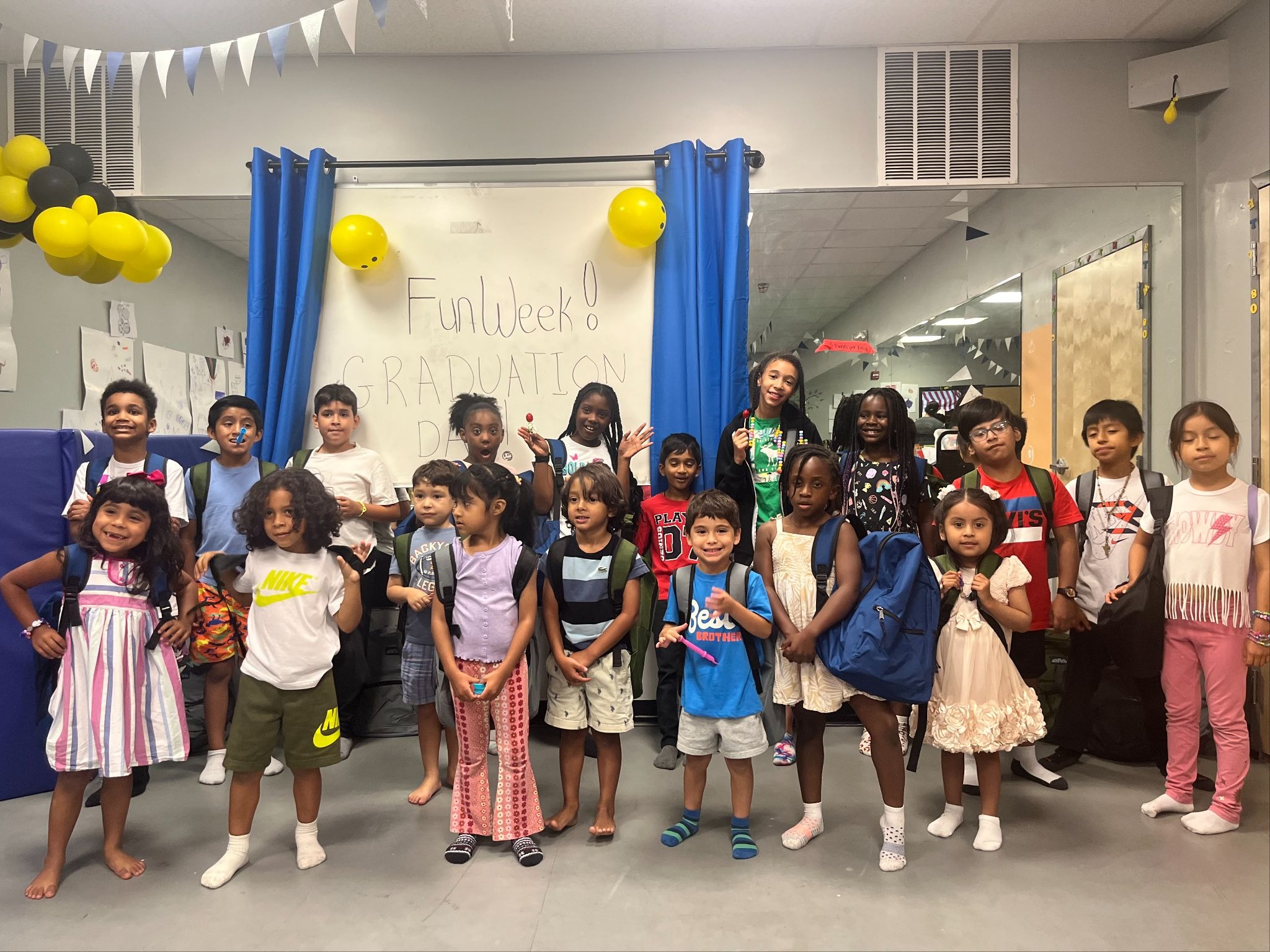
Here’s what a Children Across America member had to say,
“Our kids families cannot afford to buy these, so these backpacks make a huge difference in their lives."
What Are the Best Back-to-School Event Ideas for Companies?
The best ideas for back-to-school events in corporate settings are those that mobilize employees while solving real challenges for students, access to supplies, confidence, and a sense of belonging at the start of the year.
1. Organize School Supply Drives That Employees Can Actively Participate In
Instead of passive donation boxes, create structured drives where employees contribute complete kits for students.
This can include:
- Grade-specific backpacks (elementary, middle, high school)
- Subject-based kits (STEM, art, reading)
- Personalized notes from employees
Many companies partner with nonprofits to ensure distribution reaches the right communities.
Impact on students:
Students walk into school prepared, which directly affects participation, confidence, and performance from day one.
Goodera can help organize the entire event, tie up ideal nonprofit partners to match your cause and local impact targets, arrange the school supplies to be volunteered, design the entire back-to-school event experience, and handle hosting and end-to-end logistics to ensure that supplies reach nonprofits in the best condition. All you need to do, is join in with your teams and participate.
How to measure impact:
- Number of supplies distributed
- Students supported
- Employee participation rates
How to implement: Set a clear goal, for example, 500 supply packages, and break it down by team or department to increase ownership.
2. Sponsor Back-to-School Events Through Nonprofits
You can fund and co-create back-to-school events run by nonprofits, such as school orientations, community fairs, or student welcome days. These events are often the first real touchpoint students and families have before the academic year begins, and in most cases, nonprofits are already doing the heavy lifting, identifying needs, coordinating with schools, and reaching the right communities.
You can involve your employees directly, not just as donors, but as participants. They can help run activity stations, distribute supplies, mentor students, or support families during orientations and registrations.
What we’ve seen work especially well is partnering with nonprofits that are already embedded in these communities. Organizations like Communities In Schools, Boys & Girls Clubs of America, and United Way don’t just show up during the season, they work with students year-round. They know which schools need the most support, what resources are missing, and how to design events that go beyond basic distribution.
In many of these events, you’ll see:
- Curated school kits being distributed on-site
- Health and wellness support for students
- Resource booths for parents (meals, transport, after-school care)
- Activity zones that keep students engaged, art, STEM, reading
- Mentorship or career exposure interactions
This matters because students don’t just receive supplies, they experience a welcoming, supportive start to the year. For many, that first day feels less intimidating. For families, it removes some of the financial and emotional pressure. And for schools, it improves readiness right from day one.
Impact on students:
- Better preparedness and confidence entering the school year
- Stronger connection to school and available support systems
- Reduced stress for both students and families
How to measure impact:
- Event attendance and turnout
- Number of students and families reached
- Volunteer hours contributed
- Supplies distributed and services accessed
- Feedback from nonprofit partners and schools
How to implement: Start by identifying a nonprofit already organizing back-to-school initiatives in your community. Instead of building something from scratch, plug into what already works. You can sponsor a specific part of the event, like supply kits or activity zones, and involve your employees as volunteers. That way, you’re adding value where it’s needed most while creating a more meaningful experience for your team.
3. Put More Thought Into What You Give Students
Not everything needs to be a large-scale supply drive. Sometimes, the difference comes down to how you give, not just what you give.
Instead of collecting random items, you can create small, well-thought-out kits that are actually useful for students. Think beyond just notebooks and pens. Here are some Back-to-School gift ideas for students:
A Simple First-Day Kit (For a Strong Start)
This is about helping a student walk into school on day one without feeling unprepared.
You can include:
- Notebooks and folders
- Pens, pencils, erasers, sharpeners
- A basic timetable sheet or school planner
- A reusable water bottle
- A short handwritten welcome note from an employee
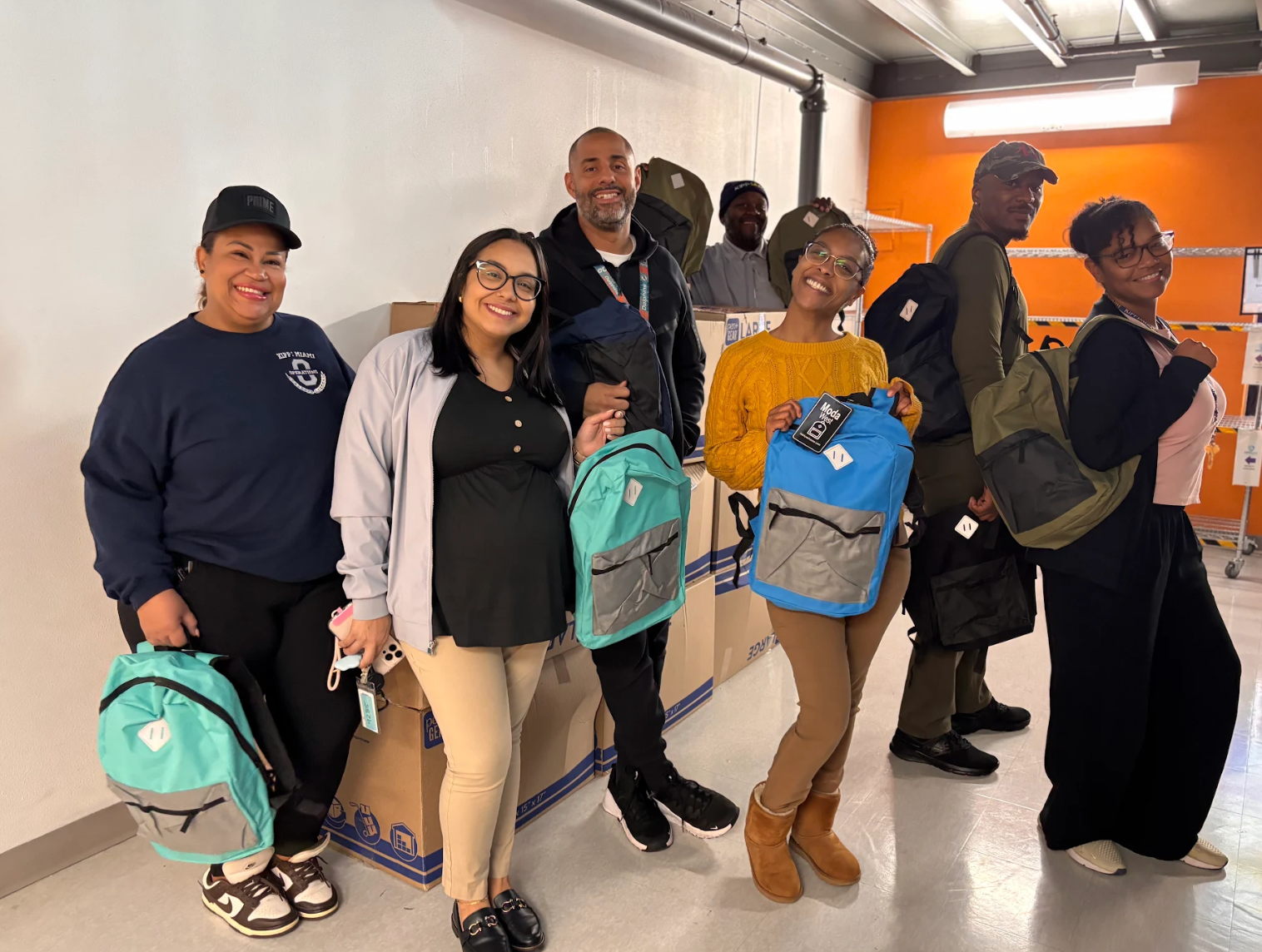
This is effective because it ensures students have what they need from day one. A short note, while simple, adds a layer of encouragement and reminds students they’re being supported as they start the year.
A Planning Kit (For Confidence and Organization)
This goes a step further, helping students stay on track beyond the first week. You can include:
- A planner or academic diary
- Sticky notes and highlighters
- Index cards for revision
- A simple study guide or goal-setting sheet
- Basic desk organizers (pouches, folders)
These gift ideas are especially useful for middle and high school students who are expected to manage their time and assignments independently.
A Daily Essentials Kit (For Dignity and Comfort)
This is often the most overlooked, but one of the most impactful.
You can include:
- Hygiene products (soap, sanitizer, deodorant)
- Tissues or wipes
- Reusable lunch containers or snack packs
- Socks or basic clothing items (where appropriate)
These are items students might hesitate to ask for, but not having them can quietly affect confidence, attendance, and participation. Including them ensures students can focus on learning, not discomfort.
What makes these kits effective is that they’re intentional. Instead of giving a mix of items, you’re giving something complete and usable.
Impact on students:
- They feel prepared from the very first day
- They’re better equipped to stay organized through the year
- They experience less stress around basic daily needs
How to measure impact:
- Number of kits distributed
- Feedback from schools or nonprofit partners
- Employee participation and repeat involvement
How to implement: Give your team clear options, they can sponsor a full kit, contribute to a specific type, or add a personal note. Keeping it structured ensures consistency, while still making the experience meaningful for both employees and students.
We’ve also seen teams add handwritten notes, something small, but surprisingly meaningful. It changes the experience from “receiving supplies” to feeling supported by someone.
4. Support Teachers Through Classroom Sponsorships
One of the most overlooked ways to contribute during back-to-school season is by supporting teachers directly.
If you’ve ever spoken to educators, you’ll know this isn’t a small gap. Many teachers regularly spend their own money to fill classroom shortages, everything from basic supplies to learning materials that help students stay engaged. When you step in here, you’re not just helping one student; you’re improving the experience for an entire classroom.
You can approach this in a more structured way by sponsoring classrooms based on actual needs rather than assumptions. Instead of sending generic supplies, you can work with schools or nonprofit partners to get teacher-specific requests, what they actually need to run their classrooms effectively.
This can include:
- Everyday classroom materials like whiteboard markers, chart paper, storage bins, and stationery
- Books and learning aids, especially for reading programs or subject-specific learning
- Creative and engagement tools like art supplies, manipulatives, or activity kits
- Technology accessories, headphones, calculators, or basic devices that support learning
Some teams take this a step further by “adopting” a classroom, where a group of employees comes together to fully fund or assemble everything a teacher has requested for the term. It creates a clearer connection between effort and outcome, employees know exactly who they’re supporting and how.
What makes this approach powerful is its ripple effect. When a teacher has the right tools, lessons run smoother, students stay more engaged, and classrooms become more inclusive for those who might otherwise fall behind. It also removes a quiet but significant burden from teachers, allowing them to focus on teaching rather than constantly filling gaps.
How to measure impact:
- Number of classrooms or teachers supported
- Completion rate of requested supply lists
- Feedback from teachers on usability and relevance
- Continued engagement or repeat sponsorships
How to implement: Start by partnering with schools, districts, or platforms that aggregate teacher needs. Instead of guessing what to send, ask for real lists. You can then assign classrooms to teams or departments, making it easier for employees to contribute in a focused, meaningful way.
5. Create Employee-Led Mentorship or Career Exposure Sessions
One of the most meaningful ways you can show up during back-to-school season is by giving your time, not just resources.
We’ve seen that for many students, especially those from underserved communities, exposure is the real gap. It’s not always about ambition, it’s about not knowing what’s possible. What does a career in tech actually look like? What does someone in marketing, finance, or healthcare do every day? How do you even get there?
That’s where you and your team can make a real difference.
You can create simple, structured opportunities for employees to interact with students, not as formal “experts,” but as people sharing their journeys. These sessions don’t need to be overly polished. In fact, the most impactful ones are often the most honest.
This can take different formats:
- Virtual sessions, where employees speak to classrooms across locations
- In-person school visits, which tend to feel more personal and engaging
- Panel discussions, where students hear multiple perspectives and career paths
- Small group conversations, where students can ask questions more comfortably
What matters most is relatability. When students hear real stories, not just success, but the confusion, the setbacks, the decisions along the way, it becomes easier for them to see themselves in those paths.
We’ve seen students ask questions like:
- “What did you struggle with in school?”
- “Do you have to be really good at math to do your job?”
- “What if I don’t know what I want to do yet?”
And those conversations stay with them.
For many students, this might be the first time they’re speaking to someone working in a corporate environment. It shifts their perspective from “this feels out of reach” to “this might actually be possible.”
How to measure impact:
- Number of sessions conducted
- Number of students reached
- Engagement during sessions (questions asked, participation levels)
- Feedback from educators and nonprofit partners
How to implement: Start small. One school, one classroom, one session. Identify a few employees who are open to sharing their experiences and give them a simple structure, talk about what you do, how you got there, and what you wish you knew earlier.
Once you see how students respond, you can build this into a repeatable program, something that continues beyond just back-to-school season and becomes part of how your organization shows up for the community.
6. Partner With Nonprofits for Large-Scale Back-to-School Campaigns
If you’re looking to create meaningful scale, one of the most effective things you can do is partner with nonprofits that are already reaching thousands of students, instead of building isolated events from scratch.
We’ve seen that the biggest impact doesn’t come from doing more events, it comes from plugging into systems that already work.
Organizations like DonorsChoose, Communities In Schools, United Way, and Boys & Girls Clubs of America operate at scale:
- DonorsChoose has supported millions of students by funding classroom projects directly requested by teachers
- Communities In Schools serves over 1.7 million students annually, focusing on those at risk of dropping out
- Boys & Girls Clubs of America reaches 4+ million youth each year through after-school and development programs
- United Way works across communities, connecting funding, volunteers, and local organizations to support education and basic needs
When you partner at this level, your contribution doesn’t just support one event, it becomes part of a much larger, coordinated effort.
You can contribute in multiple ways:
- Sponsorship, funding large back-to-school drives or campaigns
- Employee volunteering, supporting distribution, mentoring, or event operations
- Awareness campaigns, using your internal and external channels to amplify reach
What changes here is scale and efficiency. Instead of trying to reach 100 students on your own, you could be contributing to initiatives that reach thousands, often in communities that need it most.
Impact on students:
- Wider access to supplies, support, and programs at scale
- Stronger, more consistent support systems through established nonprofits
- Increased continuity beyond just the back-to-school window
How to measure impact:
- Total students and schools reached through the partnership
- Employee participation and volunteer hours
- Funds deployed and how they were utilized
- Long-term partnerships and repeat engagement
How to implement:
Start by identifying one nonprofit whose mission aligns with your goals. Instead of spreading efforts across multiple partners, go deeper, sponsor a campaign, align employee volunteering, and build a relationship that extends beyond a single season.
7. Offer Skills-Based Volunteering to Support Education
Not all contributions need to be financial or material. In many cases, what students need most is access to knowledge and guidance.
You and your team already have skills that students can benefit from, you just need to structure them in a way that’s accessible and relevant.
This could include:
- Resume-building workshops for high school students preparing for internships or part-time roles
- Digital literacy sessions, teaching basic tools like email, spreadsheets, or online research
- Financial literacy education, covering budgeting, saving, and understanding money early on
- Career readiness sessions, helping students understand different roles and industries
What makes this powerful is that it creates long-term value. Supplies help students start the year, but skills help them navigate what comes after.
We’ve seen students walk into these sessions unsure of what questions to ask, and walk out with clarity on next steps, whether it’s choosing subjects, exploring careers, or simply feeling more confident about their future.
Impact on students:
- Builds practical, real-world skills early on
- Increases confidence in navigating education and career choices
- Provides exposure that many students wouldn’t otherwise have
How to measure impact:
- Number of sessions delivered
- Students reached and engaged
- Feedback from students and educators
- Continued participation or follow-up sessions
How to implement:
Start by mapping employee skills to student needs. Keep sessions simple and focused, one topic, one session. Over time, you can build a structured program that schools and nonprofits can rely on, rather than a one-off initiative.
Frequently Asked Questions
1. What are the best Back-to-School event ideas for companies?
If you’re trying to decide where to start, focus on ideas where employees can actively participate and students see a clear benefit.
In most cases, that looks like:
- Putting together school kits or sponsoring classrooms
- Partnering with nonprofits already running back-to-school programs
- Creating opportunities for employees to mentor or interact with students
You don’t need a long list. A couple of well-run initiatives, where employees are involved and the outcome is visible, tend to work far better than spreading efforts too thin.
2. What are effective Back-to-School gift ideas for students?
Think about what a student actually needs in their first few weeks of school, and what might make them feel more prepared walking into a classroom.
That could be:
- A simple, ready-to-use kit with notebooks, pens, and basic supplies
- Tools that help them stay organized, like planners or folders
- Everyday items that support comfort, things they might not always ask for
- Access to something beyond supplies, like mentoring or learning support
What usually works best is when everything is complete and usable. When a student doesn’t have to figure out what’s missing, it just works from day one.
3. How can companies support students during Back-to-School?
There isn’t just one way to do this, and it doesn’t always have to be large-scale.
You can start by:
- Supporting nonprofits that are already working with students
- Involving employees in volunteering or kit assembly
- Sponsoring classrooms or specific school needs
- Offering time and skills, not just funding
The biggest shift happens when you move from one-time giving to something a little more intentional and consistent.
4. What are some creative Back-to-School theme ideas for corporate events?
Themes make it easier to organize activities and get employees engaged, especially when multiple teams are involved.
A few that tend to work well:
- Future Ready – focused on careers, skills, and exposure
- Level Up – centered around growth and confidence
- Creative Start – built around art, expression, and curiosity
- Ready, Set, Learn – a simple kickoff theme tied to preparedness
You don’t need anything overly complex. A clear theme just helps tie everything together so the experience feels more cohesive.
5. Why should companies invest in Back-to-School volunteering programs?
Back-to-School volunteering addresses a genuine need: US families are projected to spend $30.9 billion in 2024, or about $570 per K-12 student, and over half of parents report anxiety about rising costs. Corporate programs help close the affordability gap for low-income households, boost employee engagement, and reinforce local community ties during a high-visibility moment on the calendar.
6. How can companies measure the impact of Back-to-School volunteering events?
Track output metrics such as kits assembled, students served, dollars matched, and teacher grants funded through partners like DonorsChoose. Pair these with outcome measures, including student attendance, downstream retention, and teacher satisfaction, collected with nonprofit partners. Employee engagement rates and volunteer hours logged round out the picture and support annual ESG or impact reporting.
7. What are virtual Back-to-School volunteering ideas for remote teams?
Virtual options include one-on-one tutoring sessions, resume and interview workshops for high-schoolers, and online mentorship circles with local nonprofits. Distributed teams can also fund classroom projects on DonorsChoose, run matched giving drives, or assemble supply kits from home and ship them to partner schools. These formats keep remote employees engaged without requiring a physical event.
8. When should companies launch their Back-to-School volunteering initiatives?
Kick off planning in early July so kits, drives, and mentorship sessions land before the August start of school. Programs that peak between mid-August and Labor Day capture the highest employee participation, since the back-to-school moment is top of mind. Extend classroom funding and tutoring components through September to sustain impact into the first grading period.
9. Which nonprofit partners are ideal for Back-to-School corporate drives?
Established partners include DonorsChoose for teacher project funding, First Book and KidSmart for supply distribution, and Communities In Schools for wraparound student services. Local Boys and Girls Clubs and Children Across America also run trusted back-to-school drives. Choose partners with clear reporting, ideally those that share verified student and school counts so impact data flows back cleanly.
10. How can Goodera help companies run Back-to-School volunteering events?
Goodera helps design and run back-to-school programs end-to-end, from vetted nonprofit partners and supply sourcing to volunteer registration, virtual mentorship platforms, and impact reporting. Companies can launch kit-assembly events, family-friendly packing sessions, or global matched-giving drives across multiple offices. Post-event dashboards capture kits assembled, dollars raised, and students served for internal and ESG communications.