The Ins and Outs of Virtual Skills-Based Volunteering: A Complete 2026 Guide

Picture a specialized corporate professional logging off their daily tasks to immediately help a grassroots non-profit halfway across the world optimize its operations. A few hours later, a finance team on a different continent steps in to build a sustainability model for a completely separate community initiative, while a software engineer thousands of miles away deploys an analytics dashboard for an international education program.
None of these individuals will ever step foot in the same room. They operate across completely different time zones, yet they are solving critical operational bottlenecks through a single shared screen.
This is what virtual skills-based volunteering looks like when it is done well. Pro bono professional work, delivered remotely, producing outcomes the community organization can use and build on long after the engagement closes.
The scale of this opportunity is growing faster than most CSR programs have adapted to capture it.
Taproot Foundation data shows applications for skills-based volunteer programs grew by 60% among unique volunteers from 2024 to 2025. And virtual volunteers, per AmeriCorps tracking data, log an average of 95 hours annually, compared to 64 hours for in-person volunteers.
The data points in one direction: virtual volunteering is becoming a larger part of employee engagement. The question is whether your programs are ready for that shift.
What Is Virtual Skills-Based Volunteering?
Virtual skills-based volunteering is when employees contribute their professional expertise to nonprofit organizations remotely, using video meetings, collaborative documents, project management tools, and other online platforms to help organizations build long-term capacity.
A marketer who joins a nonprofit's team call and offers informal advice is structurally and fundamentally distinct from virtual ‘skills-based volunteering’. A marketer who conducts a structured audit of the nonprofit's donor communications strategy, delivers a documented 12-month content framework, and trains the internal team to execute it independently has done virtual skills-based volunteering. The difference is the depth of contribution and the durability of the outcome.
Why Virtual Skills-Based Volunteering Has Become a Strategic Priority in 2026
1. The Hybrid Workforce Has Made Geography Irrelevant
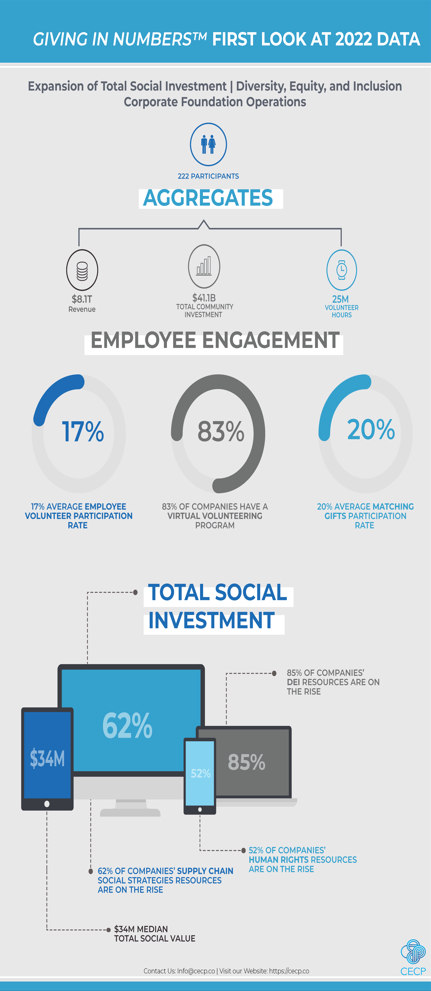
Driven by the rise of hybrid and remote work policies, 83% of companies now offer virtual volunteering opportunities, according to the Chief Executives for Corporate Purpose (CECP) 2022 Giving in Numbers report. Before 2020, asking an employee to spend three weeks working with a nonprofit in a different city or country required travel budgets, scheduling clearances, and a significant organizational investment. Today, the same work happens from a home office or a flexible workspace, on a schedule built around professional commitments rather than flight routes.
This is a talent deployment story. A company with engineering talent in Bengaluru, finance specialists in Singapore, and marketing expertise in São Paulo can now deploy any of those skills to any nonprofit anywhere in the world.
ALSO READ: Global Trends In Corporate Volunteering In 2026
Data from Goodera's Global Corporate Volunteering Trends (VQ) 2026 report highlights this shift toward borderless, skill-based engagement. Program enablers have pushed median corporate workforce participation to 25.6%, with top-performing organizations executing structured, accessible programs reaching 70% participation.
2. Nonprofits Are Actively Seeking Virtual Skilled Volunteers
The demand pull for virtual skilled volunteers is as strong as the supply push from the corporate side.
Common Impact research found that 85% of nonprofits receiving structured skilled volunteer support reported measurable and lasting increases in organizational capacity. The demand is documented. The gap between available corporate skills and accessible nonprofit support remains significant. Virtual skills-based volunteering is the structural mechanism that closes it.
3. Corporate Climate Reporting Needs Measurable, Scalable Impact
As stricter regulations like California’s SB 253 force companies to prove their environmental and social impact, sustainability teams are looking for programs that can scale fast.
In fact, California's Climate Corporate Data Accountability Act (SB 253), signed into law in 2023 and now entering its first mandatory reporting cycle with Scope 1 and 2 disclosures due in 2026, requires any company with over $1 billion in annual revenue doing business in California to publicly disclose its full greenhouse gas emissions.
The companion law, SB 261, extends disclosure requirements to companies with over $500 million in revenue.
The Unique Advantages of Virtual Skills-Based Volunteering
1. Deploying Global Skillsets for Hyper-Local Needs
The most powerful capability that virtual skills-based volunteering introduces is the ability to deploy highly specialised professional expertise to organizations that could never access it through geographic proximity alone.
A nonprofit running financial literacy programs for first-generation entrepreneurs in rural Rajasthan is unlikely to have a management consulting firm down the street. It may, however, have a connection to a global company whose strategy team can build its business development framework from Zurich.
2. Higher Participation Among Time-Constrained Employees
The employees whose skills produce the highest value in skills-based volunteering engagements, i.e., senior specialists, functional experts, and experienced practitioners, are frequently the same employees who find it hardest to participate in in-person volunteering events.
Their schedules are dense, their commitments are multiple, and the barrier of a fixed-day, fixed-location volunteering event is often the thing that keeps them out of programs they are genuinely interested in joining.
Virtual skills-based volunteering removes that barrier. The ACCP's 2025 CSR Insights Survey found that individual volunteer opportunities jumped from 26% to 37% in a single year, driven directly by employee demand for flexible, self-directed participation formats.
3. Deeper Inclusion for Distributed and Remote Teams
Virtual skills-based volunteering is inherently inclusive of distributed workforces. A fully remote employee in a city with no company office participates in exactly the same program on exactly the same terms as an employee in a major corporate hub. The program meets every employee where they are rather than requiring every employee to come to where the program is.
For companies serious about building belonging across distributed teams, virtual skills-based volunteering is one of the most accessible and meaningful levers available.
4. Asynchronous Delivery Respects Professional Schedules
Unlike in-person volunteering, which requires synchronous presence on a fixed schedule, much of the most impactful virtual skills-based volunteering work is asynchronous. A financial model gets built across several independent work sessions. A communications strategy document is drafted, reviewed, and revised through shared platforms without a single meeting required.
The Async vs. Sync Decision: The Most Important Design Choice in Virtual Skills-Based Volunteering
Of all the program design decisions in virtual skills-based volunteering, the choice between asynchronous and synchronous delivery has the largest single impact on project quality, volunteer retention, and completion rates. Most CSR guides treat format as a logistics question, but it’s a strategic one.
When Synchronous Delivery Is the Right Call
Synchronous delivery, including scheduled video sessions, live workshops, and real-time co-working, is the right format when the work requires live judgment, relationship-building, or the kind of iterative dialogue that asynchronous channels cannot replicate.
Use this format for strategic advisory engagements where the nonprofit needs to work through complex decisions in real time with the volunteer, coaching and mentoring relationships where the interpersonal dynamic is central to the value and facilitated workshops where the nonprofit's internal team needs to participate actively.
When Asynchronous Delivery Is the Right Call
Asynchronous delivery works best when the work is primarily independent, such as analysis, document production, design work, model building, framework creation.
Use this format for written strategy deliverables, financial models, design assets, data infrastructure builds, communications frameworks, process documentation, and any project where the core output is a document or system rather than a dialogue.
The Hybrid Cadence Model
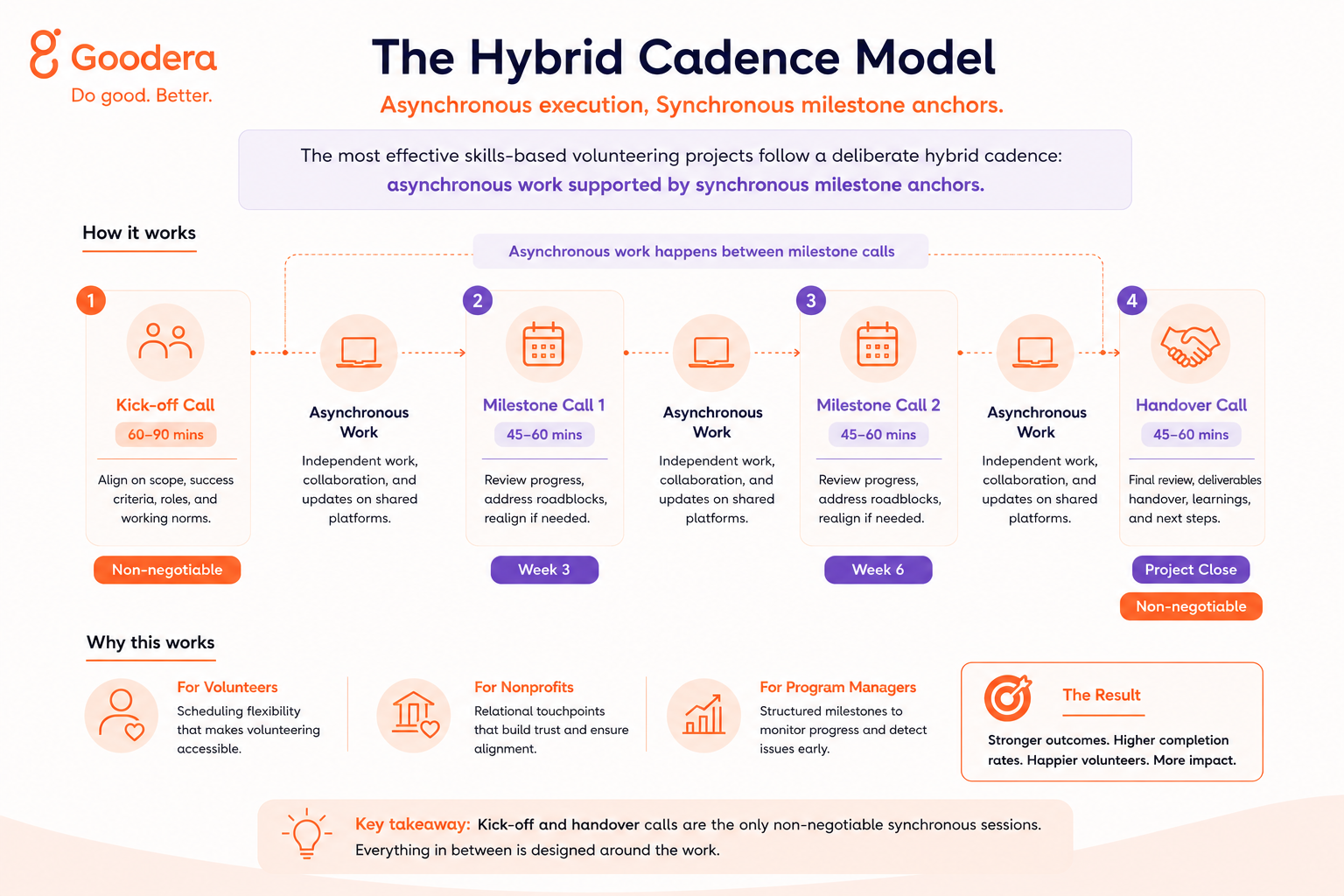
The format that consistently produces the highest project quality and completion rates is neither fully synchronous nor fully asynchronous. It is a deliberate hybrid: asynchronous execution with synchronous milestone anchors.
In practice, this looks like: a kick-off session (60-90 minutes) where volunteers and nonprofits align on scope, success criteria, and working norms, followed by independent work phases between structured milestone calls (typically 45-60 minutes each at weeks 3, 6, and at a project close for handover). Between milestone calls, all collaboration happens independently through shared platforms.
Did you know? AmeriCorps' first-ever tracking of virtual volunteering found that virtual volunteers log an average of 95 hours annually compared to 64 hours for in-person volunteers. The flexibility of async delivery is a significant driver of that 48% difference.
Practical Challenges and How To Tackle Them
The format introduces specific challenges that in-person programs do not face, and naming them is the first step to designing around them.
1. The Accountability Gap
Virtual skills-based volunteering has a measurably higher project abandonment rate than in-person skills-based volunteering. The reasons are usually structural: when work happens asynchronously across digital platforms, there is no visible social contract, no colleague watching whether you show up, and no program manager physically present to notice when engagement drops.
The accountability gap is real, but it is a program design problem, not an inherent feature of virtual work. Three design choices close it:
First, build a structured two-week check-in into every engagement as a standard program element, not an optional one. A five-minute survey to both volunteer and nonprofit at the two-week mark surfaces disengagement before it becomes abandonment.
Second, use milestone-based project structures with documented deliverables at each milestone rather than open-ended engagements with a single final deliverable. Milestones create visible progress checkpoints that both motivate continuation and surface problems early.
Third, set a clear commitment conversation at project kick-off. Ask volunteers to state explicitly: how many hours per week they can realistically commit, which weeks they anticipate being unavailable, and what their preferred communication channel is for the program manager to check in. Making the commitment spoken and specific significantly increases follow-through.
2. The Sustainability Handover Gap
Virtual skills-based volunteering has a specific vulnerability that in-person programs share but to a lesser degree: the deliverable that was built remotely can be opaque to the nonprofit team that did not watch it being built. An in-person project produces some tacit knowledge transfer simply through proximity. A virtual project, if the handover is not deliberate and comprehensive, produces a document or system that the nonprofit cannot maintain or build on independently.
Build a mandatory handover session into every virtual skills-based volunteering project brief. Here is an example of a short agenda: walkthrough of the deliverable, documentation review, live practice by the nonprofit team, and identification of the next three actions the nonprofit will take independently. If the nonprofit cannot demonstrate independent operation at the end of the handover session, the engagement is not complete.
3. Cross-Timezone and Cross-Cultural Friction
Global virtual skills-based volunteering programs introduce two friction sources that domestic or single-timezone programs do not face.
Timezone friction is primarily a scheduling problem with a design solution: make the project async-first and synchronous milestone calls an exception, not the default.
Cross-cultural friction is more nuanced and more consequential. Communication styles, hierarchy expectations, decision-making norms, and working pace vary significantly across geographies. A volunteer accustomed to direct, task-focused communication may find a nonprofit partner's relationship-first working style frustrating.
Address this at the program level, not the individual level. Build a one-page cross-cultural working norms template into every virtual project kick-off: how each party prefers to communicate, how decisions will be made within the project, what "urgent" means to each party in terms of response time, and how feedback will be given and received. Surfacing these norms explicitly in the first session prevents the friction from becoming a relationship failure later.
Virtual Skills-Based Volunteering Opportunities by Function
The most actionable way to think about virtual skills-based volunteering opportunities is by corporate function. Here is what high-impact virtual skills-based volunteering looks like across the functions where it is most commonly available.
1. Technology and Data
What Nonprofits Need:
CRM implementation and configuration (Salesforce Nonprofit Success Pack, HubSpot), donor database builds and migrations, impact dashboards in Tableau or Power BI, website redesign and accessibility audits, cybersecurity assessments, data governance frameworks, app or product UX audits.
What a Great Virtual Deliverable Looks Like:
A nonprofit with a broken donor database gets a fully configured CRM, complete documentation, and a trained internal administrator who can manage it independently.
2. Marketing and Communications
What Nonprofits Need:
Brand audits and identity development, donor acquisition communications strategy, email marketing automation setup, SEO audits and content strategies, annual report design, social media strategy, press and media outreach frameworks.
What a Great Virtual Deliverable Looks Like:
A full donor re-engagement email sequence built in Mailchimp, with segmentation logic, A/B test recommendations, and a 6-month content calendar the internal team can execute without external support.
3. Finance and Strategy
What Nonprofits Need:
Multi-year financial sustainability models, grant budgeting frameworks, board financial literacy training, strategic planning facilitation, cost structure analysis, investment policy development for endowment-holding organizations, SROI frameworks.
What a Great Virtual Deliverable Looks Like:
A three-year financial model with scenario analysis that the nonprofit's executive director can update independently, accompanied by a two-session board training on how to read and use the model.
Micro-Volunteering: The Virtual Skills-Based Volunteering Gateway
Micro-volunteering is one of the most under-utilized design elements in virtual skills-based volunteering programs, and one of the most powerful for building program participation at scale.
Micro-volunteering tasks are discrete, defined contributions completable in under three hours. Some examples include reviewing a grant proposal for structure and clarity, giving feedback on a nonprofit's pitch deck, translating a document, recording a short instructional video, or auditing a webpage for accessibility issues.
They are the right-sized contribution for a specific class of volunteers and a specific class of nonprofit needs. A CFO who cannot commit to a 50-hour financial modelling engagement can absolutely spend 90 minutes reviewing a nonprofit's grant budget and flagging the three assumptions that need strengthening. That contribution, multiplied across a large volunteer pool, produces enormous cumulative value.
Goodera's Global Corporate Volunteering Trends (VQ) 2026 report reinforces this preference for highly efficient, bite-sized engagements, noting that the global median volunteering time across surveyed organizations has condensed to 6.2 hours per employee.
Micro-volunteering functions as a primary design accelerator, lowering the barrier to entry so companies can move past low ad-hoc engagement rates and build toward the 70% workforce participation benchmarks achieved by top-performing embedded programs.
Pro Tip: Build a standing micro-volunteering catalog into your virtual skills-based volunteering program, a live list of discrete tasks available for contribution at any time, without a project application process. This creates a participation channel for time-constrained senior employees that a project-only program cannot serve. Refresh the catalog monthly with new tasks sourced directly from nonprofit partners.
Nonprofits To Consider for Virtual Skills-Based Volunteering
The following organizations have established virtual volunteer programs, documented skills-based needs, and the organizational infrastructure to receive and implement skilled contributions effectively.
Education and Youth Development
This New York organization helps entrepreneurs from under-resourced communities build thriving businesses by providing access to pro bono financial, legal, and marketing services.
They have engaged over 7,000 skills-based volunteers who have provided 50 million dollars in pro bono services to more than 5,000 small business owners. Their data shows that participating entrepreneurs see their business revenue increase by 50% or more within the first year of collaboration.
This organization from Manhattan, New York, connects driven students from low-income environments with mentors and tools to achieve college success.
According to the Minds Matter Annual Report (2024-2025), their nationwide chapters leverage nearly 2,000 volunteers to support over 1,100 high-potential students annually, with up to $3.79M in scholarships awarded to graduates.
Health and Mental Wellness
Headquartered in Boston, Massachusetts, this international organization delivers high-quality healthcare, builds medical infrastructure, and trains local workforces in impoverished communities globally.
They employ a global workforce of over 18,000 individuals across 11 countries, including thousands of trained community health workers. Their clinical networks manage millions of patient visits annually, providing comprehensive medical interventions ranging from maternal care and infectious disease treatments to highly specialized cancer therapies in resource-limited regions.
This community-based nonprofit, from Alexandria in Virginia, promotes mental wellness through public education, research, proactive screening, and advocacy campaigns across the United States.
Through their public portal, the Mental Health America Online Screening Hub, they have processed over 10 million mental health screens, creating an interactive state-by-state data map used by health systems to identify structural gaps in care. Their comprehensive annual research acts as the primary data benchmark for tracking healthcare access, prevalence measures, and legislative policy reforms across all 50 states.
Environmental and Climate Action
From New York City in New York, this environmental advocacy group uses science, economics, and law to find practical, market-based solutions to climate change and global ecological challenges.
Backed by a network of over 3 million members and supporters, they partner directly with frontline community groups to combat environmental injustices. According to the Environmental Defense Fund Impact Portal, their specialized resource initiatives have successfully helped frontline groups secure 60 million dollars in competitive federal environmental grants to fund local climate resiliency and clean-energy infrastructure.
Operating out of the San Francisco Bay Area, California, this crowdfunding platform scientifically verifies and funds carbon reduction projects worldwide, helping individuals and corporations offset their greenhouse gas emissions.
They maintain a transparent pricing structure that returns over 90% of all corporate and individual donations directly to verified field initiatives. According to the Cool Effect Global Impact Report, the platform successfully mobilized 66.1 million dollars for carbon projects, resulting in the verified retirement of over 7.67 million metric tonnes of carbon emissions globally.
Arts, Culture and Community Development
Primarily from San Francisco, California, this network of creative writing centers helps students improve their writing skills, build confidence, and discover the power of their voice through tutoring programs.
According to data tracked on the 826 National Contributor Profile, their nationwide network serves more than 32,000 under-resourced K-12 students annually across physical chapters and digital learning tools. Backed by thousands of volunteer educators, their creative writing programs provide the structured, one-on-one attention necessary to advance foundational literacy and close educational achievement gaps.
Headquartered in Washington, D.C., this national advocacy organization advances the arts and culture sector in the United States through research, professional development, and policy initiatives.
According to programmatic metrics on the Americans for the Arts Data Hub, they equip a footprint of over 6,000 local arts agencies and community advocates with targeted economic research. Their strategic resource frameworks protect billions of dollars in public allocations for cultural programs, demonstrating the measurable impact of creative development on local and national economic health.
The Tools Stack That Makes Virtual Skills-Based Volunteering Work
Virtual skills-based volunteering produces outcomes that in-person programs cannot match at scale. It also fails silently when the operational infrastructure is wrong. The tools stack, the combination of platforms covering communication, collaboration, file delivery, accountability, and measurement is the operational backbone of every effective virtual program. Here is what each layer requires.
Tools for Communication Layer
The communication layer handles all real-time and near-real-time exchanges between volunteers, nonprofits, and program managers.
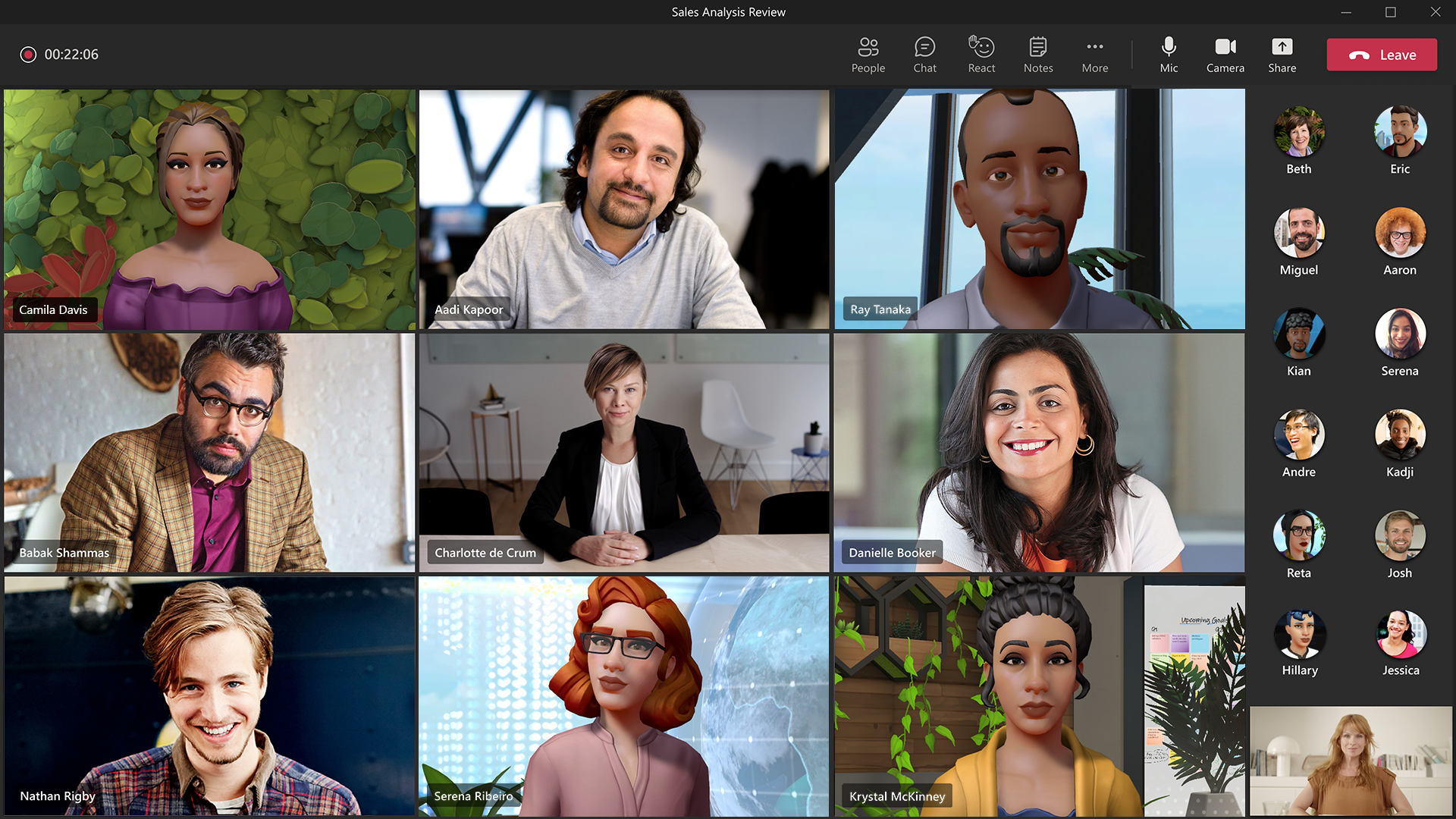
Teams is the right choice for organizations already within the Microsoft 365 ecosystem. It supports structured project channels, file sharing, video calls, and async messaging within a single platform. For companies whose nonprofit partners are also on Microsoft's nonprofit program, Teams provides a shared workspace without requiring external platform access.
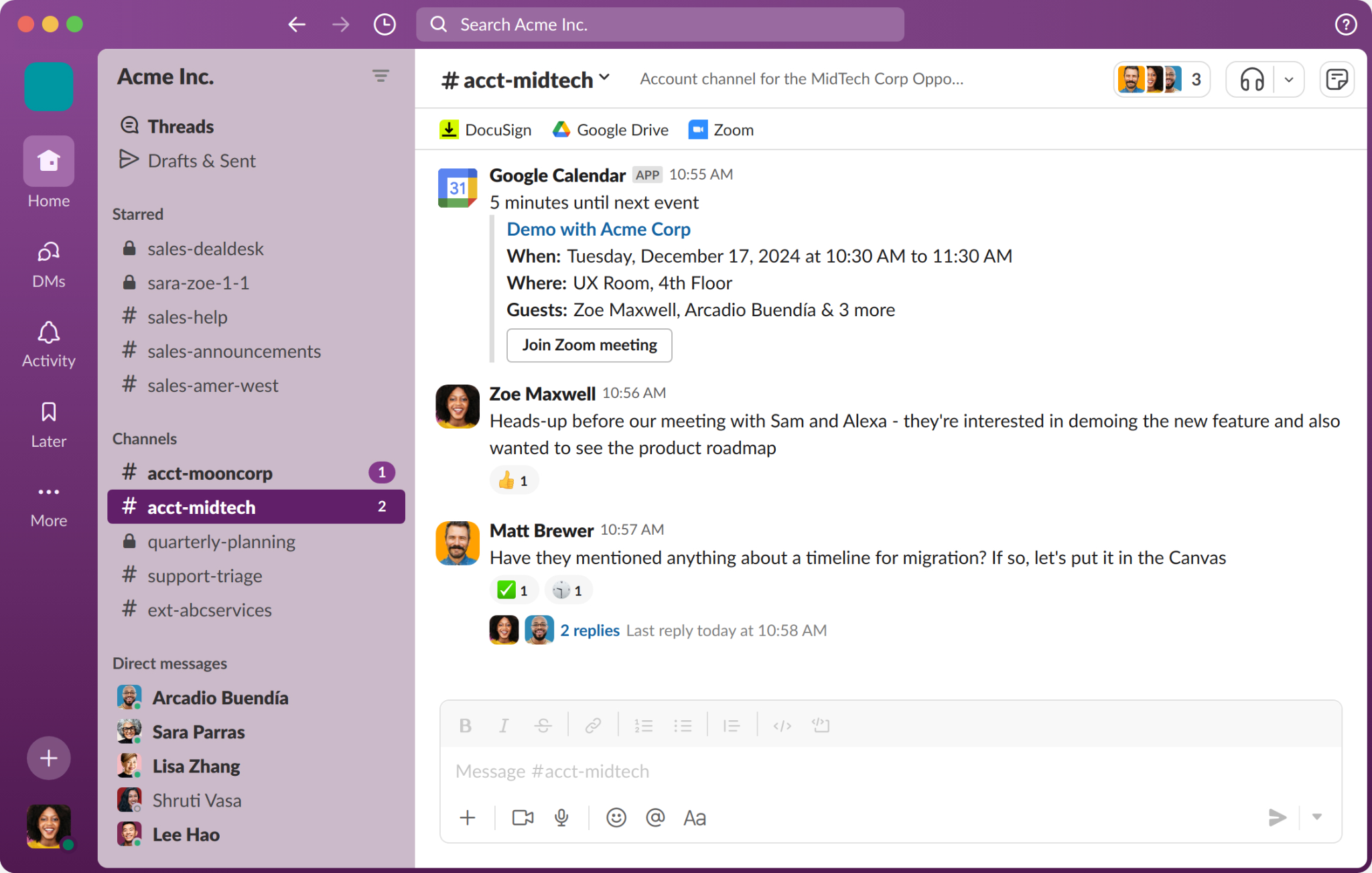
Slack works well for programs where volunteer teams are already using it internally. Dedicated project channels, nonprofit partner invites as guests, and integration with project management tools make it effective for ongoing program communication. The free tier has message history limits that affect program continuity; the Pro tier is necessary for multi-month engagements.
Tools for Collaboration Layer
The collaboration layer is where the actual work happens: shared documents, real-time editing, project coordination.
- Google Workspace (Docs, Sheets, Slides)
Google Workspace is the most universally accessible collaboration platform for cross-organizational virtual skills-based volunteering. Nonprofits across all geographies and budget levels typically have access. Real-time co-editing, comment-based feedback, and version history make it the right default for document-based skills-based volunteering deliverables.
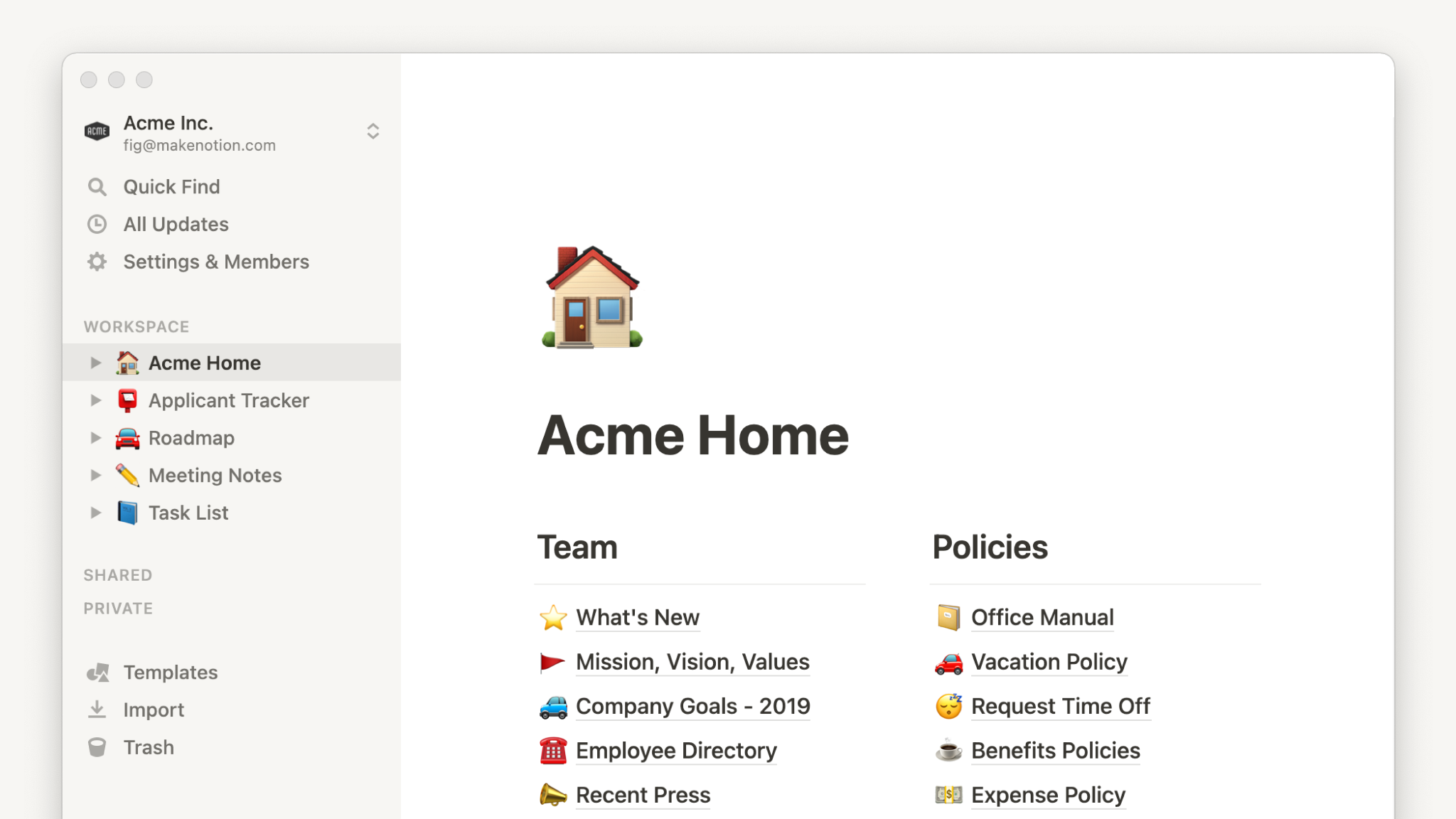
Notion works well as a shared project workspace for more complex engagements: strategy projects, multi-phase technology builds, or engagements with multiple workstreams. It functions simultaneously as documentation, project tracking, and knowledge base, making it particularly valuable for creating the comprehensive handover documentation that sustainable virtual skills-based volunteering requires.
Tools for File Delivery Layer
The file delivery layer manages how outputs are stored, shared, and handed over at engagement close.
- Google Drive / SharePoint
Both serve as the primary file repository for virtual skills-based volunteering engagements. The key design principle: create a shared folder structure at the start of every engagement that is organised from the nonprofit's perspective, not the volunteer's. The nonprofit will own and navigate these files long after the engagement closes. Structure the folder so they can find what they need without a guide.
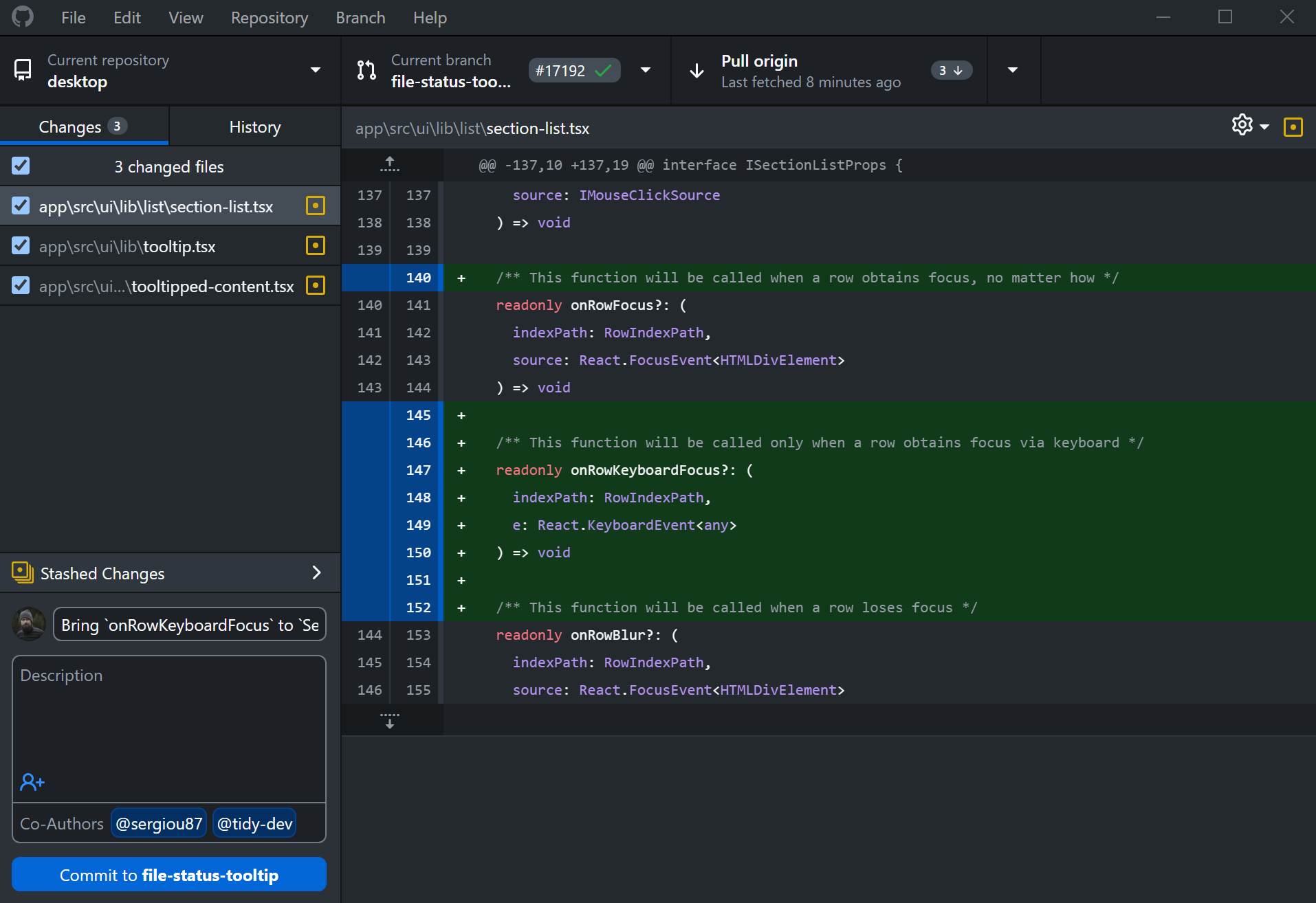
For technology engagements involving code, GitHub is the appropriate delivery platform. Ensure the nonprofit has a named repository owner who understands how to access and maintain the codebase before the engagement closes. A repository delivered without a trained internal owner is not a completed skills-based volunteering project.
Tools for Accountability Layer
The accountability layer manages project progress, milestone tracking, and the early warning system for at-risk engagements.
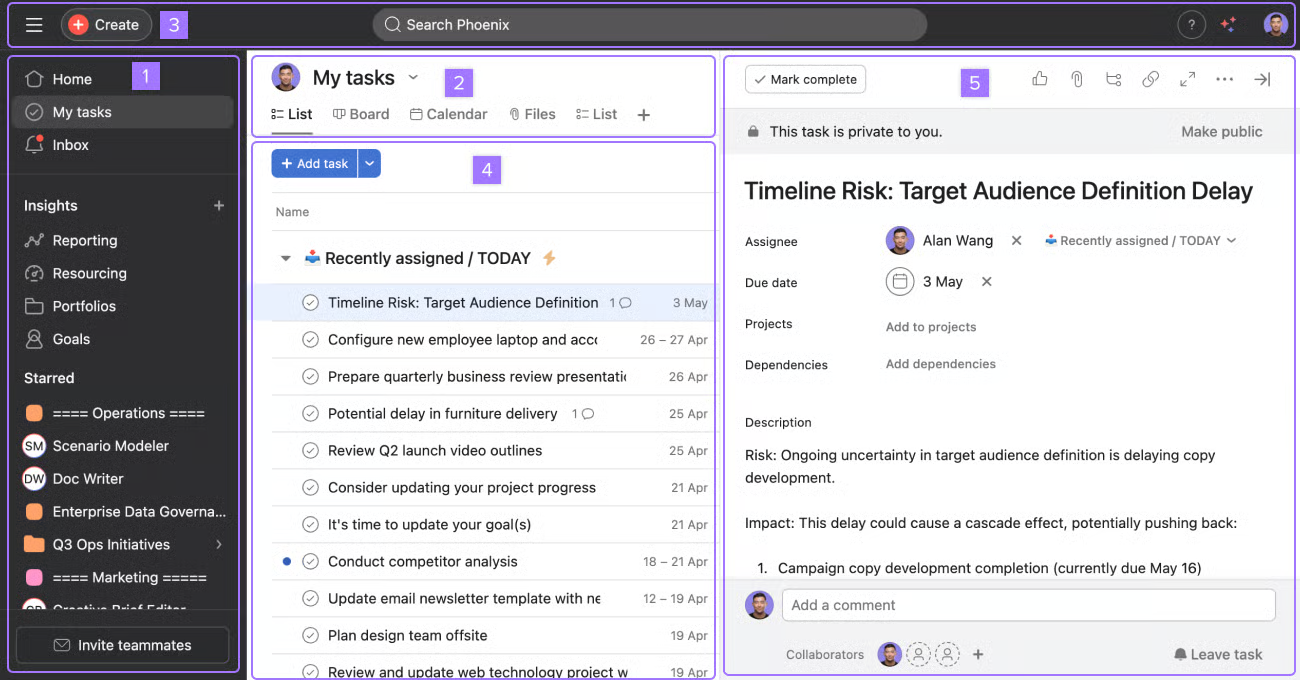
Asana's project tracking features work well for CSR program managers overseeing multiple simultaneous virtual skills-based volunteering engagements. Timeline views, milestone flagging, and task assignment make it possible to track program-level progress without requiring individual status updates from every volunteer.
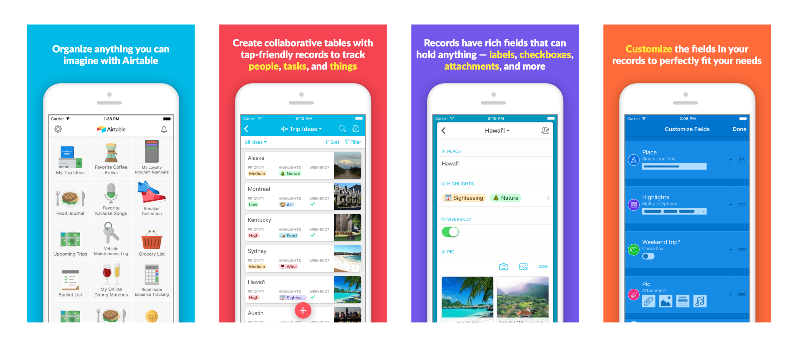
Airtable functions as a flexible program management database: volunteer profiles, engagement status, nonprofit partner records, milestone tracking, and outcome data all in one system. For programs at Stage 2 scale (100-500 volunteers), an Airtable base designed around the program's specific tracking needs is often more effective than an off-the-shelf platform.
Tools for Measurement Layer
The measurement layer captures the impact data that justifies the program investment and feeds into ESG reporting.
Goodera's platform handles the full virtual skills-based volunteering lifecycle, including volunteer tracking, project management, nonprofit matching, and impact measurement in a single integrated system.
For companies running virtual skills-based volunteering at scale, Goodera's built-in measurement infrastructure eliminates the need to stitch together separate tools for tracking, reporting, and ESG disclosure, and the skills-based volunteering catalog provides a curated, ready-matched pipeline of virtual opportunities by function.
How To Measure the Impact of Virtual Skills-Based Volunteering
Because virtual volunteering happens out of sight, measuring its impact takes a different approach than in-person programs. The measurement system must be built into the program structure, not appended at the end.
The three-touchpoint measurement framework for virtual skills-based volunteering covers the full arc from active engagement through sustained organizational change.
Mid-Project Async Check-In
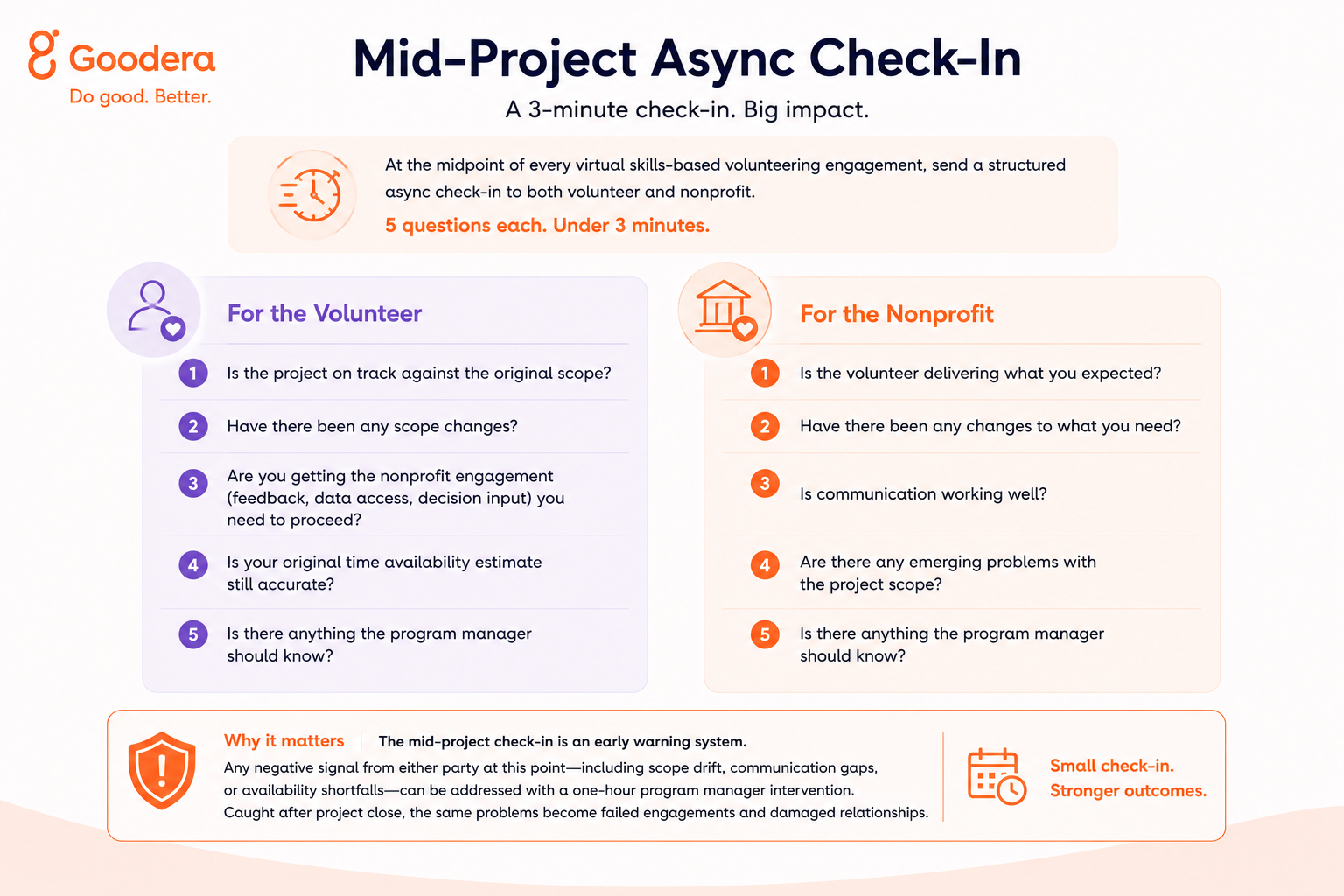
At the midpoint of every virtual skills-based volunteering engagement, send a structured async check-in to both volunteer and nonprofit. Keep it to five questions each and deliverable in under three minutes.
For the volunteer: Is the project on track against the original scope? Have there been any scope changes? Are you getting the nonprofit engagement (feedback, data access, decision input) you need to proceed? Is your original time availability estimate still accurate? Is there anything the program manager should know?
For the nonprofit: Is the volunteer delivering what you expected? Have there been any changes to what you need? Is communication working well? Are there any emerging problems with the project scope?
30-Day Post-Handover Nonprofit Survey
The most important measurement instrument in virtual skills-based volunteering is a survey sent to the nonprofit's project contact 30 days after the engagement closes, not immediately after.
Immediate post-engagement surveys capture impressions. Thirty-day surveys capture outcomes. By day 30, the nonprofit has had time to use the deliverable, discover whether it works as intended, identify gaps in the handover, and assess whether the engagement actually moved the needle on the problem it was designed to solve.
Five questions for the 30-day nonprofit survey:
- Have you been able to implement or begin using the project deliverable? (Yes / In progress / No, with follow-up if No)
- Has anything changed in the specific area the project addressed? (Scale of 1-5 with free text)
- Did the volunteer's professional skills match what you actually needed? (Scale of 1-5 with free text)
- What would you change about the project scope or volunteer match if you were doing this again?
- Would you request another skilled volunteer engagement? (Yes / No / Maybe, with reason)
The answers to these five questions give program managers everything needed to assess match quality, project design quality, and sustainability of the handover, the three variables that determine whether virtual skills-based volunteering produced real community value.
For a complete framework on measuring corporate volunteering impact across virtual and in-person programs, see Goodera's guide to CSR strategy and measurement.
In a Nutshell
The organizations getting virtual skills-based volunteering right are designing programs with the same rigour they would bring to any strategic corporate initiative: clear goals, defined deliverables, structured processes, deliberate measurement, and a feedback loop that makes the program better every cycle.
What makes virtual skills-based volunteering distinctive is the scope of what is possible when geography stops being a constraint. Your workforce's expertise is not bounded by the cities where your offices happen to be located. Neither is the community need that expertise can address.
So, build the infrastructure. Deliver the work. Measure what changes.
Explore Goodera's full catalog of virtual skills-based volunteering opportunities organised by function. For the complete operational guide to building a skills-based volunteering program from scratch, read Goodera's step-by-step skills-based volunteering program guide. For companies ready to scale, see how Goodera supports end-to-end corporate volunteering program management.
Frequently Asked Questions
1. What is virtual skills-based volunteering?
Virtual skills-based volunteering is when employees contribute their professional expertise to nonprofit organizations through remote channels like video calls, shared platforms, and digital file delivery with the goal of building lasting organizational capacity. It differs from general virtual volunteering in that the contribution must be professional-skills-based, and the outcome must leave the nonprofit more capable than it was before the engagement.
2. How is virtual skills-based volunteering different from in-person skills-based volunteering?
The skills deployed and the community outcomes produced are the same. The operational design is significantly different. Virtual skills-based volunteering requires an explicit async vs. sync decision for each project, a structured sustainability handover that compensates for the absence of tacit knowledge transfer through proximity, more deliberate accountability mechanisms to prevent disengagement, and a digital tools stack that enables collaboration across platforms and time zones.
3. What types of volunteer work are best suited to virtual delivery?
Any work where the primary output is a document, system, framework, or digital asset. Technology builds, financial models, communications strategies, legal document reviews, design work, HR frameworks, data dashboards, and written strategy deliverables all transfer to virtual delivery without quality loss. Work that depends on physical presence, in-person relationship depth, or hands-on delivery is better suited to in-person formats.
4. How do you keep virtual volunteers accountable without micromanaging them?
You can keep virtual volunteers accountable without micromanaging by combining three built-in checkpoints: milestone-based phases with documented deliverables, a mandatory bi-weekly async check-in which you can build into every engagement as a standard, and a kick-off commitment talk to explicitly match the project’s scope to the volunteer's actual available hours.
5. How do you assess whether a nonprofit is ready for virtual skills-based volunteering?
To ensure a nonprofit is fit for virtual skills-based volunteering, you need to evaluate three distinct layers:
- Digital Infrastructure Baseline: The nonprofit partner must have reliable internet, basic cloud tools, and a tech-savvy point of contact.
- Internal Management Capacity: They need to assign a specific staff member who can dedicate 3 to 5 hours a week solely to guiding the engagement.
- Implementation Ability: The organization must have the structural capacity to deploy and use the final deliverable once the project ends.
6. What is the sustainability handover, and why does it matter?
The sustainability handover is the structured transfer of capability at the end of a virtual skills-based volunteering engagement. It is more than delivering the final document. It includes walkthrough documentation of every decision made, live training of the nonprofit's team on how to use what was built, and a verified check that the team can operate independently.
7. How do you manage virtual skills-based volunteering across multiple time zones?
Make the project async-first by default. Use live video calls sparingly. When they are necessary, schedule them during genuine crossover hours so neither party is forced to work late or too early.
Flag the synchronous overlap window in every project brief before the engagement begins. For projects with minimal time zone overlap, a fully async structure with written milestone check-ins replaces synchronous calls entirely without significant quality loss.
8. What is micro-volunteering and how does it fit into a virtual skills-based volunteering program?
Micro-volunteering consists of small, bite-sized tasks that can be completed in under three hours. It functions as both a standalone high-value program element (serving time-constrained senior employees and specific nonprofit needs) and a gateway to longer project commitments.
9. How do you measure the ROI of a virtual skills-based volunteering program for an ESG report?
Use three data sources: pro bono value generated, community outcome metrics from 30-day nonprofit surveys (implementation rate, specific measurable changes), and 90-day capacity assessments (documented organizational capability changes). Together, these three produce a credible, auditable impact story. The 90-day data is the most compelling for ESG disclosure because it documents sustained change, not just activity.
10. Can companies run virtual skills-based volunteering without a dedicated CSR platform?
Yes, at Stage 1 scale (under 100 volunteers) using Google Workspace for collaboration, Asana or Airtable for project tracking, and Google Forms for measurement surveys. Beyond 100 active volunteers, the program management overhead of a manual infrastructure becomes unsustainable, and match quality begins to degrade. At Stage 2 scale and above, a dedicated platform like Goodera that handles matching, program management, and impact reporting in an integrated system is the right investment.