15 ideas para el Mes de la Sensibilización sobre el Cáncer de Mama en el trabajo

Octubre ya está aquí, y con él llega uno de los meses más significativos del calendario. 1 de cada 8 mujeres en Estados Unidos será diagnosticada con cáncer de mama a lo largo de su vida, y aun así, la sensibilización, el apoyo comunitario y la recaudación de fondos siguen impulsando avances en la investigación y en los resultados. Tanto si eres un líder de RSC planificando tu calendario de octubre, un equipo de RR. HH. buscando motivar a tu gente, o alguien que acaba de perder a un compañero por esta enfermedad y quiere hacer algo que realmente importe, nos alegra que estés aquí. Hagamos que este octubre cuente.
Empieza en el trabajo: tu lugar de trabajo puede marcar una gran diferencia
Hay algo que no decimos lo suficiente: los momentos que más importan en el trabajo no son los grandes y visibles. Son esos momentos tranquilos en los que alguien se siente visto, apoyado y un poco menos solo.
Piénsalo. Tu equipo pasa más horas despierto junto que la mayoría de las familias. Eso convierte al lugar de trabajo en uno de los espacios más naturales para apoyarse mutuamente cuando realmente cuenta.
Pero estar presente no siempre es fácil. Las conversaciones sobre el cáncer de mama pueden resultar personales, incluso incómodas. Todavía existe mucho silencio en torno al diagnóstico, el tratamiento y la recuperación, especialmente en el trabajo. Y ese silencio importa. Los estudios demuestran que muchas personas que atraviesan un cáncer temen ser tratadas de forma diferente o ser vistas como menos capaces, lo que a menudo les impide hablar del tema.
Entonces, la pregunta es: ¿cómo creamos un espacio donde las personas se sientan lo suficientemente seguras como para hablar, o incluso simplemente sentirse apoyadas sin tener que decir nada?
Aquí tienes algunas formas sencillas de lograrlo:
1. Código de vestimenta: Viernes Rosa

Elige todos los viernes de octubre como "Viernes Rosa". Invita a los empleados a vestir algo de color rosa, ya sea una camisa, un pañuelo o incluso un pequeño lazo, y a contribuir con una pequeña cantidad cada semana a una organización benéfica designada.
Lo que hace que esto funcione es su sencillez. No requiere un gran esfuerzo ni largas inscripciones, solo un pequeño recordatorio visible cada semana de que esto es importante. Con el tiempo, se construye un sentido de comunidad silencioso. La gente empieza a conversar, a hacer preguntas y a sentir que forman parte de algo juntos, sin que se sienta forzado.
2. Sesiones de almuerzo y aprendizaje
Invita a un profesional de la salud para una sesión breve de 30 a 45 minutos sobre factores de riesgo, pautas de detección y señales tempranas a tener en cuenta. Mantén la sesión sencilla, práctica y abierta a preguntas.
A veces, es solo un dato lo que se queda grabado. Por ejemplo, la American Cancer Society recomienda que las mujeres con un riesgo promedio comiencen a realizarse mamografías anuales a los 45 años. Ese es el tipo de detalle que muchas personas desconocen hasta que es demasiado tarde. Compartirlo en un entorno como este puede marcar una verdadera diferencia.
3. Un muro que dice "Recordamos"
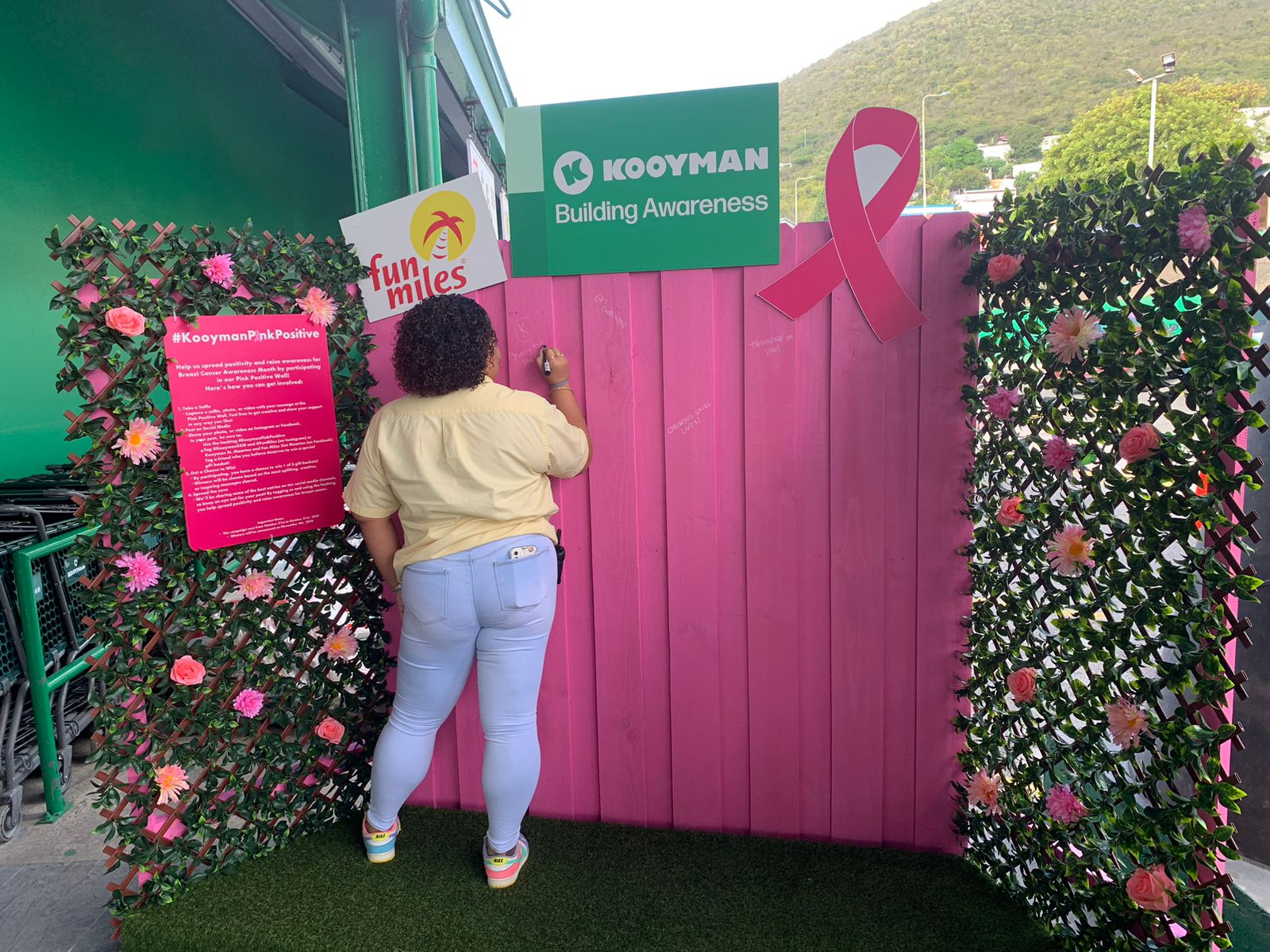
Instale un muro físico o digital donde los empleados puedan escribir los nombres de sus seres queridos afectados por el cáncer de mama y colocar un lazo junto a cada nombre.
Lo que comienza como una actividad sencilla a menudo se convierte en algo mucho más profundo. A medida que el muro se llena, se transforma en un recordatorio silencioso de que esto no es algo abstracto, sino que afecta a las personas aquí mismo, en la oficina. Ofrece a los empleados una forma de participar sin tener que hablar, y para muchos, eso es lo más importante.
4. Donaciones equivalentes de la empresa
Anime a los empleados a donar a una organización benéfica contra el cáncer de mama y aporte una cantidad equivalente a sus contribuciones, ya sea 1:1 o superior.
Las donaciones equivalentes logran dos cosas. Demuestran que la empresa está realmente comprometida, no solo fomentando la participación, sino respaldándola. Además, a menudo animan a quienes estaban indecisos a participar, al saber que su contribución tendrá un mayor impacto.
Según un informe reciente de Deloitte, las empresas que apoyan constantemente causas sociales como esta tienden a ver un mayor compromiso y un sentido de propósito compartido más profundo en sus equipos. Es una herramienta sencilla, pero significativa.
5. Invite a una sobreviviente a hablar
Si un colega o alguien de su comunidad extendida está dispuesto, invítelo a compartir su historia en un entorno pequeño y respetuoso, como una reunión de equipo o una reunión general.
Nada cambia el ambiente de una sala como escuchar a alguien que ha vivido la experiencia. Aporta un nivel de honestidad y perspectiva que ninguna presentación o estadística puede igualar.
Dicho esto, es importante abordar esto con cuidado. La participación siempre debe ser voluntaria y el espacio debe sentirse seguro y solidario. Cuando se hace correctamente, estas conversaciones no solo crean conciencia, sino que fomentan la empatía. Y eso es, a menudo, lo que conduce a una acción real y duradera.
Perspectiva general: Actividades del Mes de Concienciación sobre el Cáncer de Mama que unen a su comunidad
Una vez que haya construido esa cultura dentro de su lugar de trabajo, el verdadero impacto comienza cuando va más allá de sus propias paredes. Algunos de los esfuerzos más significativos toman forma cuando las organizaciones se proyectan hacia afuera e interactúan con las comunidades que las rodean.
Actividades al aire libre para el Mes de Concienciación sobre el Cáncer de Mama:
6. Organiza una caminata o carrera
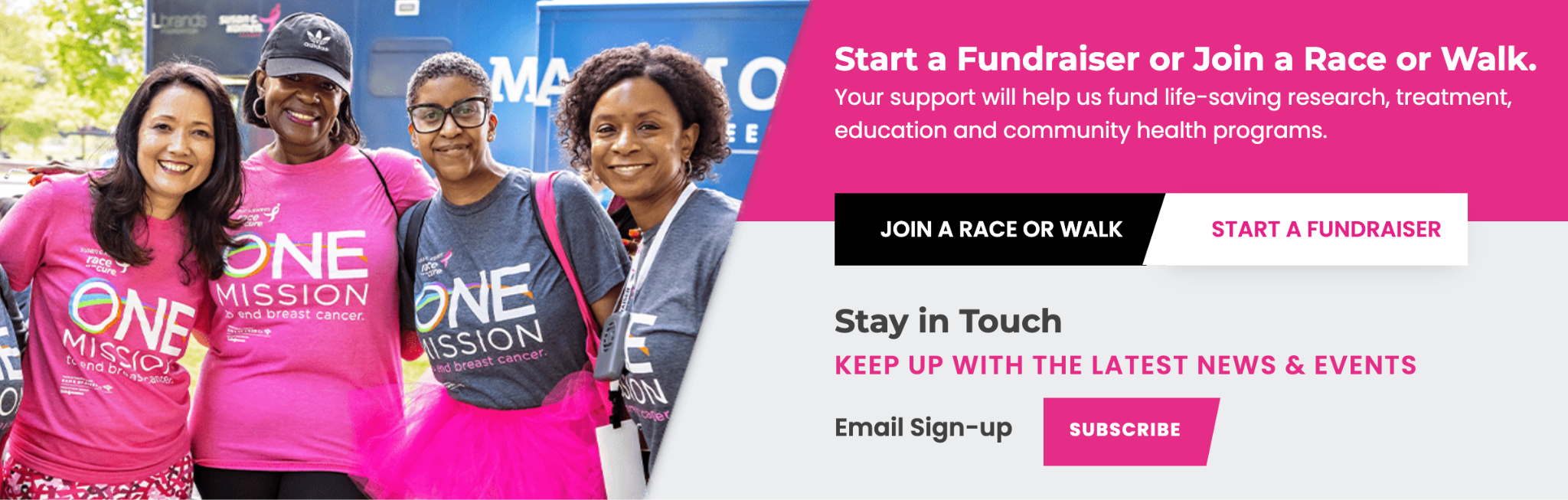
Una carrera de 5 km o una caminata benéfica en el vecindario es una de las formas más probadas, comprobadas y genuinamente queridas de marcar el mes de octubre. Puedes asociarte con organizaciones nacionales como la Fundación Susan G. Komen o destinar las ganancias a un centro oncológico local donde tu comunidad sienta el impacto directamente.
7. Mercado rosa o feria pop-up
Organiza un pequeño mercado con vendedores locales que acepten donar un porcentaje de sus ventas a una organización contra el cáncer de mama. Añade una rifa, música en vivo y puestos de información, y tendrás un día comunitario completo.
8. Muro de supervivientes, edición comunitaria
Recopila fotos e historias breves de supervivientes de tu comunidad y exhíbelas públicamente en un centro comunitario, en el pasillo de una escuela o en una página dedicada en redes sociales. Esto le pone rostro a la causa de una manera que las estadísticas simplemente no pueden.
9. Clase de yoga o fitness con causa
Asóciate con un estudio o instructor local para organizar una clase donde la tarifa completa se destine a la caridad. El bienestar y la generosidad son una combinación natural, y estos eventos suelen atraer a personas que ya están dispuestas a participar y ayudar.
Ideas de recaudación de fondos para el Mes de Sensibilización sobre el Cáncer de Mama
Hablemos de la parte financiera, porque la investigación necesita dinero y las buenas intenciones no pagan las cuentas. La recaudación de fondos más efectiva siempre combina historias personales con mecanismos de donación sencillos. Esto es lo que funciona:
10. Campañas de recaudación de fondos entre pares
Crea páginas personales de recaudación de fondos a través de plataformas como el centro de recaudación de fondos de Komen y compártelas con tus redes.
Las campañas entre pares suelen funcionar mejor que las solicitudes directas de donación por una razón sencilla: la gente dona a personas, no solo a causas. Cuando alguien comparte por qué esto es importante para ellos, hace que la petición sea más real y mucho más probable que se convierta en una donación.
Algunas plataformas de recaudación de fondos para explorar:
- Donorbox, fácil de configurar y muy utilizada para campañas pequeñas y medianas
- OneCause, ideal para campañas basadas en eventos como caminatas y desafíos en equipo
- Raisely, conocida por sus páginas de campaña personalizables y adaptadas a dispositivos móviles
- Funraise, excelente para campañas más grandes con opciones avanzadas de personalización y automatización
Estas herramientas facilitan que las personas creen sus propias páginas, compartan sus historias y sigan su progreso, convirtiendo una campaña individual en un esfuerzo impulsado por una red.
11. Subastas benéficas
Recauda artículos o experiencias donadas por empresas locales y subástalos en un evento o en línea. Un fin de semana en un alojamiento local, una cena con el chef, un día de spa. Esto genera fondos importantes a la vez que crea una expectación que el dinero no puede comprar.
12. Noche de trivia con causa
Organiza una noche de trivia con temática rosa cobrando una pequeña cuota de inscripción por equipo, ya sea en persona o virtualmente. Mantén un ambiente distendido y social: piensa en aperitivos, nombres de equipos y quizás un pequeño premio para los ganadores, pero incluye una ronda dedicada a la concienciación sobre el cáncer de mama.
Lo que hace que este formato funcione es que la gente aprende sin sentir que le están dando una lección. Una pregunta o un dato bien planteado puede permanecer en la memoria mucho más tiempo que cualquier presentación. Despierta conversaciones y momentos de sorpresa, y ahí es donde la concienciación empieza a calar de verdad.
Puedes combinar trivia general con una ronda centrada en la concienciación como esta:
Preguntas de trivia para el Mes de la Concienciación sobre el Cáncer de Mama
Historia y orígenes
- ¿En qué año se estableció por primera vez el Mes de la Concienciación sobre el Cáncer de Mama?
Respuesta: 1985 - ¿Qué dos organizaciones lanzaron la campaña original?
Respuesta: American Cancer Society e Imperial Chemical Industries (ahora parte de AstraZeneca) - ¿De qué color era el original lazo de concienciación sobre el cáncer de mama antes de que el rosa se convirtiera en el símbolo?
Respuesta: Color melocotón
Concienciación e impacto
- ¿Aproximadamente cuántas mujeres en todo el mundo son diagnosticadas con cáncer de mama cada año?
Respuesta: Alrededor de 2,3 millones - ¿Cuál es el cáncer más diagnosticado en mujeres a nivel mundial?
Respuesta: Cáncer de mama - Verdadero o falso: El cáncer de mama solo afecta a las mujeres.
Respuesta: Falso
Detección temprana y salud
- ¿A qué edad recomienda la American Cancer Society que las mujeres con riesgo promedio comiencen a realizarse mamografías periódicas?
Respuesta: Alrededor de los 45 años - ¿Cuál es el signo temprano más común del cáncer de mama?
Respuesta: Un bulto nuevo o engrosamiento en el seno o en la axila
Preguntas de reflexión
- ¿Qué porcentaje de los casos de cáncer de mama ocurre en mujeres menores de 50 años? (rango aproximado)
- ¿Cuáles son dos signos del cáncer de mama que no son bultos?
No necesitan respuestas estrictas, son ideales para iniciar una conversación.
Cómo lograr que funcione:
- Mantén los equipos pequeños (3–5 personas) para fomentar la participación
- Alterna rondas divertidas y serias para que no se sienta pesado
- Comparte un contexto breve después de cada respuesta; ahí es donde reside el verdadero valor
- Considera donar las ganancias a una organización sin fines de lucro contra el cáncer de mama o igualar las contribuciones
13. Vende artículos de marca
Diseña y vende artículos sencillos como pines, bolsas de tela o pulseras. Plataformas como Bonfire te permiten crear una tienda en línea sin costo inicial y destinar una parte de cada venta directamente a la organización benéfica que elijas.
14. Una venta de pasteles, pero convertida en evento
Recluta panaderías locales para que donen o vendan a precio de costo. Añade música en vivo, una rifa y una alcancía para donaciones en cada mesa. Las ventas de pasteles comunitarias recaudan habitualmente miles de dólares para organizaciones benéficas locales cuando se organizan con intención.
15. Desafío interno entre departamentos
Organiza una competencia amistosa: ¿qué equipo puede recaudar más antes del 31 de octubre? Haz un seguimiento del progreso en la intranet de tu empresa o en un canal compartido y actualízalo semanalmente. Un poco de competencia sana ayuda mucho.
Lo que sucede después de octubre es lo que más importa
Esta es una pregunta que escuchamos a menudo: "¿Cómo nos aseguramos de que esto no parezca una actuación?". Es una pregunta justa e importante, y valoramos que la planteen.
Aquí tienen nuestra respuesta sincera. La diferencia entre la concienciación y el impacto es la continuidad. Una charla informativa puntual es concienciación. Un grupo de apoyo entre compañeros que sigue reuniéndose en noviembre es impacto. Una campaña de donaciones igualadas es concienciación. Una colaboración sostenida con su centro oncológico local es impacto.
Algunas iniciativas que vale la pena construir a largo plazo:
Un grupo de apoyo entre compañeros que perdure
Creen un espacio voluntario y seguro para los empleados que se hayan visto afectados personalmente por el cáncer de mama, ya sea como pacientes, supervivientes o cuidadores. Contar con esa estructura en el trabajo reduce el aislamiento y demuestra que su organización realmente se preocupa. No dejen que termine cuando cambie el calendario.
Un socio comunitario, no solo una organización benéfica
Contacten con un centro de tratamiento oncológico cercano y pregunten cómo puede ayudar su organización durante todo el año. Es posible que necesiten voluntarios para campañas, ayuda con el transporte de pacientes o donaciones recurrentes de suministros. Este es el tipo de colaboración que realmente genera confianza en su comunidad.
Financien la investigación, no solo los lazos
Consideren destinar una parte de su presupuesto de RSC a organizaciones que financien la investigación activa, como la Breast Cancer Research Foundation, que destina 91 centavos de cada dólar a programas de investigación y concienciación. Ese es el tipo de transparencia que sus grupos de interés notarán y respetarán.
Frequently Asked Questions
1. ¿Cuándo es el mes de concienciación sobre el cáncer de mama y por qué en octubre?
El mes de concienciación sobre el cáncer de mama es cada octubre. El lazo rosa, que ahora es un símbolo mundial de la causa, fue introducido por primera vez por la Fundación Susan G. Komen a principios de la década de 1990. Octubre fue designado por la organización del Mes Nacional de Concienciación sobre el Cáncer de Mama, una coalición que originalmente incluía a la Sociedad Americana contra el Cáncer y a varias empresas del sector sanitario, para animar a las mujeres a realizarse pruebas de detección.
2. ¿A dónde debemos destinar el dinero que recaudamos?
Algunas de las organizaciones más prestigiosas incluyen la Fundación Susan G. Komen, la Fundación Nacional contra el Cáncer de Mama, la Fundación para la Investigación del Cáncer de Mamay los centros oncológicos locales de su comunidad. Verifique siempre la credibilidad a través de Charity Navigator antes de comprometer fondos.
3. ¿Puede una empresa o equipo pequeño generar un impacto real?
Sí, absolutamente, y esto importa más de lo que la gente cree. Algunos de los esfuerzos más significativos no provienen de grandes presupuestos o equipos numerosos, sino de acciones pequeñas e intencionadas.
Un equipo de 10 personas que participa de forma constante, ya sea organizando una recaudación de fondos sencilla, dedicando tiempo a aprender sobre la detección temprana o apoyando a alguien que está en tratamiento, puede generar un impacto real. Una nota escrita a mano, una caminata corta en equipo o incluso recaudar unos pocos cientos de dólares pueden parecer poca cosa, pero para quien lo recibe, rara vez se siente así.
El impacto no se trata de la escala, sino de estar presente de manera reflexiva, constante y auténtica.
4. ¿Cómo involucramos a los empleados que quieren ayudar pero no saben cómo?
Facilítelo y ofrezca opciones. No todo el mundo puede donar dinero. Algunas personas tienen tiempo, otras tienen habilidades y otras tienen contactos en negocios locales. Ofrezca una variedad de formas de participar y deje que cada uno elija la que mejor se adapte a ellos. La inclusión es lo más importante.
Octubre es un mes que merece hacerse bien. Ya sea que planee una pequeña acción o desarrolle una campaña completa, el objetivo es estar presente, alzar la voz y asegurarse de que las personas de su comunidad sepan que usted está atento. La concienciación sobre el cáncer de mama no se trata solo de lazos y color rosa. Se trata de financiar la investigación, la detección temprana, el cuidado comunitario y ese tipo de amor que dice: "te vemos y estamos contigo".
Empiece donde está. Use lo que tiene. Y hagamos que este octubre realmente marque la diferencia.
5. ¿Qué es el pinkwashing y cómo evitarlo en la empresa?
El pinkwashing describe campañas o productos rosas que generan visibilidad pero aportan poco a la investigación o a las pacientes. Las empresas lo evitan nombrando a la organización aliada, publicando el monto o porcentaje exacto donado y duplicando aportes hacia entidades verificadas como Susan G. Komen o la American Cancer Society. La transparencia convierte la concienciación en financiación medible.
6. ¿Cómo respetar a supervivientes, cuidadores y personas en duelo?
Asuma que en cada audiencia hay supervivientes, pacientes en tratamiento, cuidadores y personas en duelo. Haga la participación opcional, avise antes de sesiones emocionalmente intensas y ofrezca alternativas tranquilas como escribir cartas o armar kits de apoyo. Coordine con el grupo de afinidad y el programa de asistencia para brindar apoyo confidencial inmediato a quien lo necesite.
7. ¿Qué ejemplos de actividades existen más allá de recaudar fondos?
Recaudar es solo una palanca. Las empresas organizan paneles de supervivientes, conversaciones ejecutivas de vulnerabilidad, armado de kits de quimioterapia con gorros, bálsamo y diarios, cartas para pacientes en tratamiento, sesiones de concienciación sobre mamografías con clínicas locales y voluntariado en centros de recursos oncológicos. El voluntariado profesional extiende el impacto mucho más allá de octubre.
8. ¿Cómo sostener el impacto después de octubre?
Trate octubre como un lanzamiento, no como el cierre. Convierta recaudaciones puntuales en voluntariado trimestral con el mismo hospital u ONG, active todo el año un grupo de afinidad de enfermedades crónicas y revise anualmente la cobertura de mamografía, PTO para tratamiento y reconstrucción. Un patrocinador ejecutivo y un calendario multitrimestral evitan que el impulso caiga el 1 de noviembre.
9. ¿Qué beneficios de RR. HH. revisar durante octubre?
Octubre es un punto natural para auditar la cobertura preventiva: mamografías anuales sin copago, pruebas genéticas cuando estén indicadas y licencia clara para tratamiento y reconstrucción. Revise también la licencia para cuidadores, sesiones de salud mental y preservación de la fertilidad. Publicar la guía de beneficios junto con el contenido de concienciación convierte la información en acción concreta.
10. ¿Cómo pueden participar equipos remotos e híbridos?
Los equipos distribuidos pueden unirse a paneles virtuales, armar kits enviados a un hospital aliado, lanzar un reto de pasos o kilómetros ligado a donaciones o compartir una hora de escritura de cartas. Goodera diseña experiencias virtuales e híbridas para el mes rosa que canalizan fondos a ONG verificadas y permiten a cada zona horaria contribuir de forma significativa.