So feiern Sie den MLK-Tag bei der Arbeit: Ein umfassender Leitfaden
Erfahren Sie, wie Sie den MLK-Tag bei der Arbeit zielgerichtet und respektvoll feiern können. Erkunden Sie wirkungsvolle Möglichkeiten, Dr. Kings Vermächtnis durch integrative Veranstaltungen, gemeinnützige Arbeit und reflektierende Aktivitäten zu würdigen, die Vielfalt, Gleichheit und Inklusion am Arbeitsplatz fördern.
Food Banks in The UK: Statistics, History, and Where to Volunteer
The United Kingdom is facing a growing food insecurity crisis, and it’s no longer something happening on the margins. It’s affecting working families, children, and seniors across the country.
Recent data from The Trussell Trust shows that over 3 million emergency food parcels were distributed in a single year, the highest number ever recorded. Of these, more than 1 million parcels were provided for children, highlighting how deeply this crisis is impacting families.
Similarly, research from the Joseph Rowntree Foundation estimates that millions of people in the UK are experiencing destitution, unable to afford essentials like food, heating, and basic hygiene.
These numbers help answer an important question many people are asking today: how many people in the UK use food banks? The reality is, it’s not a small or isolated group; it’s a significant and growing portion of the population.
How Many People Are Facing Food Shortage in the UK
Food insecurity in the UK is affecting millions of people, and the numbers continue to rise.
Recent estimates show that around 12% of UK households, equivalent to about 6.3 million adults, experienced food insecurity in early 2026, with the situation being even more severe for families. Nearly 15% of households with children were affected, impacting approximately 2.2 million children.
Looking at the broader picture, the scale becomes even clearer. In 2024, around 1 in 6 households in the UK, or roughly 14.1 million people, faced food insecurity, including 3.8 million children. While food bank usage fluctuates year to year, demand remains significantly higher than before the pandemic, with millions of emergency food parcels still being distributed annually.
Trust for London offers a closer look at how food shortages are affecting households. In many food-insecure homes:
Over half have had to cut back on fruit consumption
Around 40% have reduced vegetable intake
Larger families are disproportionately affected, with over a quarter of households with three or more children experiencing food insecurity
At the same time, an equally powerful response has been seen. Thousands of food banks in the UK, along with community-led initiatives, have been set up to meet this growing need, supported by volunteers, donations, and partnerships with local organisations. Across both large networks and grassroots efforts, food is not only being distributed; stability, dignity, and essential support are also being provided during difficult times.
This is where the possibility for change begins to take shape.
While the scale of the challenge is undeniable, opportunities to make a difference are also within reach. Through volunteering, donations, or simply raising awareness, a meaningful contribution can be made toward strengthening the network of food bank charities in the UK and helping ensure that access to food is not out of reach for those who need it most.
Vorteile, den MLK-Tag bei der Arbeit zu feiern?
The number of food banks in the UK has grown rapidly over the past two decades, reflecting both rising demand and stronger community response.
Today, there are over 1,300 food bank centres in the Trussell Trust network alone. When independent and community-run organisations are included, estimates suggest there are over 2,500 food banks in the UK.
How many people use food banks in the UK? While there aren’t any usage numbers published, based on reports from the Trussell Trust Food bank, above 3.4 million people rely on food banks for sustenance.
How are Food Banks Distributed Across the UK
Food banks are spread across major cities and regions, ensuring access in both urban and rural communities:
London: 100+ food banks across boroughs
Manchester (Greater Manchester): 40+ food banks
Birmingham: 30+ food banks
Leeds: 20+ food banks
Glasgow (Scotland): 30+ food banks
Wales (including Cardiff & Swansea): 100+ food banks
These numbers continue to evolve as new food banks open in response to rising need.
Veranstaltungen und Feierlichkeiten zum MLK-Tag
The first food bank in the UK was established in 2000.
It was founded by The Trussell Trust in Salisbury. This marked the beginning of what would become the largest food bank network in the country.
Wie feiert man respektvoll den MLK-Tag bei der Arbeit?
Food banks in the UK operate through a structured, community-driven system designed to get essential food to people who need it most, quickly and with dignity.
While the process may seem simple on the surface, it relies on strong coordination between charities, volunteers, donors, and local support services. Here’s how it typically works:
1. Donations are Collected
Food banks rely heavily on donations to keep their shelves stocked.
Individuals donate non-perishable food items at supermarkets and community collection points
Businesses and retailers contribute surplus food or run donation drives
Large-scale redistribution is supported by organisations like FareShare
This steady flow of donations ensures that food banks in the UK can continue serving growing demand.
2. Food is Sorted and Stored
Once donations are received, they are carefully organised by volunteers.
Items are checked for quality and expiry dates
Food is sorted into categories such as canned goods, grains, and essentials
Standardised food parcels are prepared to meet basic nutritional needs
3. Referrals are Issued
Many food bank charities in the UK operate on a referral system.
Referrals are provided by frontline professionals such as social workers, schools, healthcare providers, or local councils
This helps ensure that support reaches individuals and families facing genuine financial hardship
Some independent food banks also offer walk-in support without formal referrals
This system helps manage demand while prioritising those most in need.
4. Food Parcels are Distributed
Once referred, individuals can collect emergency food supplies.
Parcels typically contain enough food for several days
Distribution centres are often set up in community spaces like churches, schools, or local halls
Many food banks also provide additional support, such as signposting to financial advice or other services
Across food banks in the UK, the goal is not just to provide food, but to offer immediate relief during difficult times.
5. Ongoing Community Support
Modern food banks often go beyond food distribution.
Some offer hot meals, community kitchens, or breakfast clubs
Others provide access to mental health support, job guidance, or welfare advice
Partnerships with local organisations help address the root causes of food insecurity
The Role of Volunteers
Volunteers are the backbone of how food banks in the UK function.
They support:
Sorting and packing food
Managing inventory and logistics
Assisting at distribution centres
Coordinating donations and outreach
For many people looking to volunteer at food banks, these roles offer a direct way to make a tangible difference in their local community.
Food Bank Charities in the UK Leading the Way
Across the country, a few major food bank charities play a critical role in supporting large-scale hunger relief efforts. These organisations not only distribute food but also build infrastructure, influence policy, and enable thousands of local food banks to operate effectively.
1. The Trussell Trust
Established: 1997 (first UK food bank launched in 2000, Salisbury) What they do: Operate the largest network of food banks in the UK
As one of the leading organisations supporting food banks in the UK, the Trussell Trust works with over 1,300 food bank centres across the country, helping people access emergency food when they need it most.
Not just food distribution, they also offer practical support and guidance to individuals facing financial hardship. In recent years alone, the network has distributed more than 3 million emergency food parcels, reaching millions of families. Alongside this on-ground impact, The Trussell Trust also plays an important role in raising awareness and advocating for long-term solutions to poverty and food insecurity across the UK
Causes supported:
Hunger and food insecurity
Poverty alleviation
Access to welfare support
Where they operate: Across England, Scotland, and Wales, with food banks in nearly every major city and town
How you can get involved:
Volunteer at a local food bank centre
Donate food through supermarket collection points
Support campaigns addressing the root causes of poverty
2. FareShare
Established: 1994 What they do: Redistribute surplus food from the food industry to charities
Working closely with food banks in the UK and other frontline organisations, FareShare ensures that good-quality surplus food is put to meaningful use instead of going to waste. This food is redistributed to thousands of charities, including shelters and community groups, helping them serve meals to those in need. Each year, FareShare helps provide millions of meals, supporting over 8,000 organisations across the country. In doing so, it plays a vital role in tackling both food insecurity and food waste at the same time.
Causes supported:
Food insecurity
Food waste reduction
Community support services
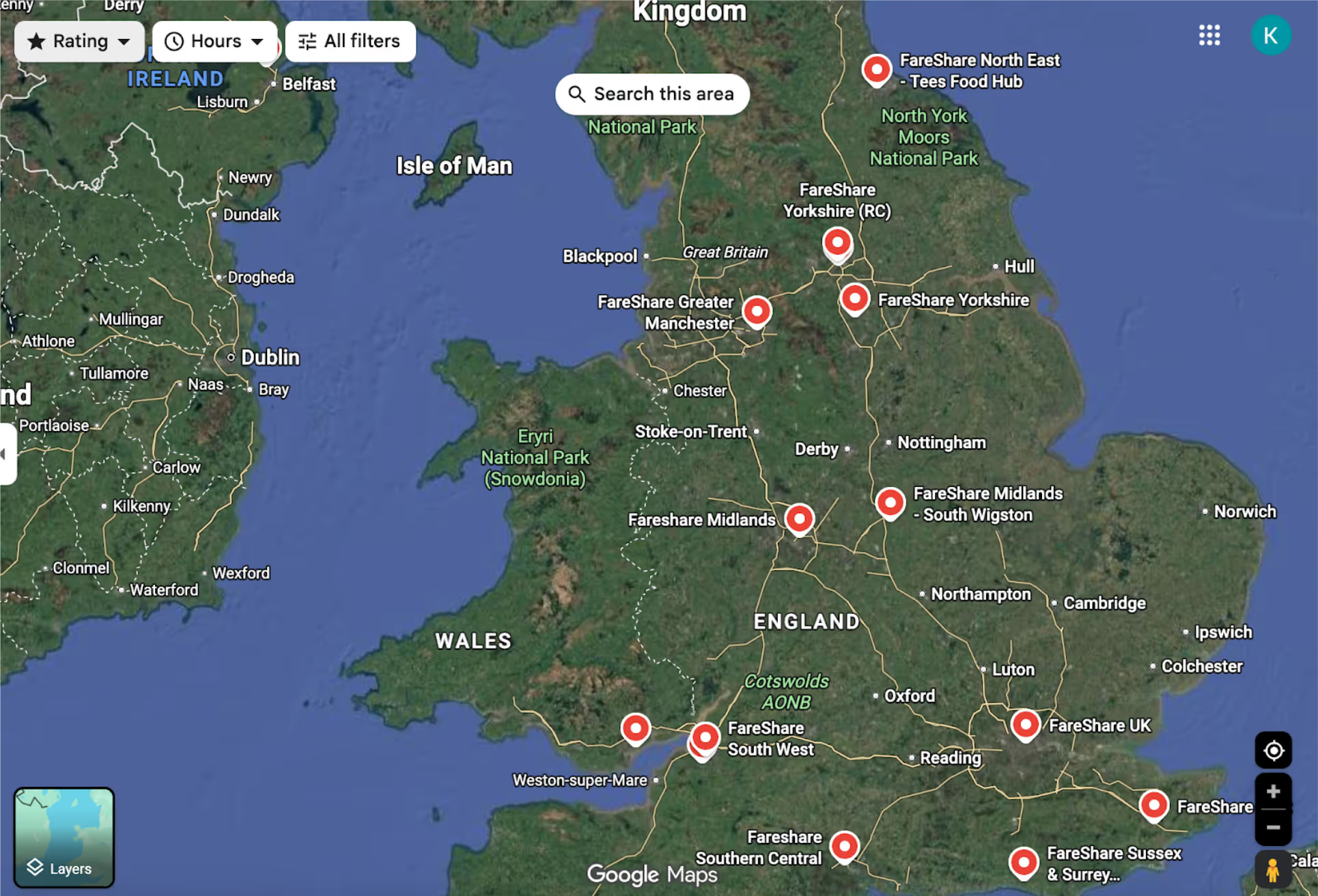
Where they operate: A network of regional centres across the UK, supplying food to organisations nationwide
Click image to check out on maps
How you can get involved:
Volunteer in warehouses or distribution centres
Partner as a business to donate surplus food
Fundraise or support logistics operations
3. Independent Food Aid Network
Established: 2016 What they do: Support and represent independent food banks across the UK
Taking a different approach from larger networks, the Independent Food Aid Network (IFAN) focuses on supporting independent food banks in the UK that operate outside formal systems. By helping these grassroots organisations gain visibility, access resources, and influence policy conversations, IFAN strengthens a vital but often overlooked part of the food aid ecosystem.
Today, it supports hundreds of independent food banks, while also advocating for long-term systemic change to reduce reliance on food aid. Through its research and data, IFAN brings important attention to the realities of food insecurity at the community level.
Causes supported:
Emergency food access
Social justice and policy reform
Community-led support systems
Where they operate: Across the UK, particularly in areas where independent food banks serve local communities (Map)
How you can get involved:
Support local independent food banks in your area
Engage in advocacy and awareness campaigns
Donate directly to grassroots initiatives
Together, these organisations form the backbone of food banks in the UK, ensuring that support reaches millions of people every year.
Soziale Entwicklungsziele (SDGs), die Sie unterstützen können, während Sie den MLK-Tag bei der Arbeit feiern
Across the UK, food banks are deeply embedded in local communities, especially in major cities where both demand and support networks are strong. From large coordinated systems to hyper-local initiatives, these food banks in the UK are helping bridge the gap for thousands of families every day.
London has one of the highest concentrations of food banks in the UK, with over 100+ active food banks operating across boroughs. Together, they support tens of thousands of residents each month, distributing large volumes of essential food supplies through both networked and independent models.
1. Hackney Food bank
Run as part of The Trussell Trust network, Hackney Food bank was established in the early 2010s to respond to rising levels of poverty and food insecurity in one of London’s most diverse, yet economically unequal boroughs. Hackney is home to a wide mix of communities, with stark contrasts in income and access to basic resources, which makes local support systems like food banks especially critical.
Since its inception, Hackney Food bank has grown into a vital lifeline for residents facing financial hardship, working closely with referral partners such as schools, healthcare providers, and social services. Beyond distributing emergency food parcels, it plays an important role in connecting individuals to additional support, including welfare advice and community services. Backed by local volunteers, donations from supermarkets, and support from faith groups and businesses, the food bank continues to address both immediate hunger needs and the broader challenges linked to poverty in the area.
Where they operate: Hackney and the surrounding East London communities (Map)
What they do & impact:
Distributes thousands of emergency food parcels annually
Supports individuals and families facing sudden financial crises
Works closely with local councils, schools, and referral agencies
Causes supported:
Food insecurity
Poverty and welfare support
Community resilience
Who backs them: Local businesses, supermarkets, faith groups, and community donors
How to volunteer:
Help sort and pack donations
Support distribution centres
Assist with warehouse coordination and logistics
2. Ealing Food bank
Ealing Food bank was launched to respond to rising levels of poverty in West London and has since grown into a vital support system for the community. As part of the Trussell Trust network, it operates multiple distribution centres across the borough, making support more accessible to residents in need.
Over the years, Ealing Food bank has supported thousands of individuals and families facing financial hardship, from sudden job loss to rising living costs. Working closely with referral partners such as schools, social services, and healthcare providers it ensures that help reaches those most in need. Beyond emergency food parcels, the organisation also connects people to additional services like budgeting advice and welfare support, helping address the root causes of food insecurity.
Where they operate: Across multiple centres in Ealing, West London (Map)
What they do & impact:
Provides emergency food to thousands of residents each year
Offers additional support such as budgeting advice and signposting services
Runs multiple distribution points to increase accessibility
Causes supported:
Household food insecurity
Financial hardship
Social inclusion
Who backs them: Supported by local charities, volunteers, and partnerships with supermarkets
How to volunteer:
Frontline distribution roles
Admin and coordination support
Donation drives and community outreach
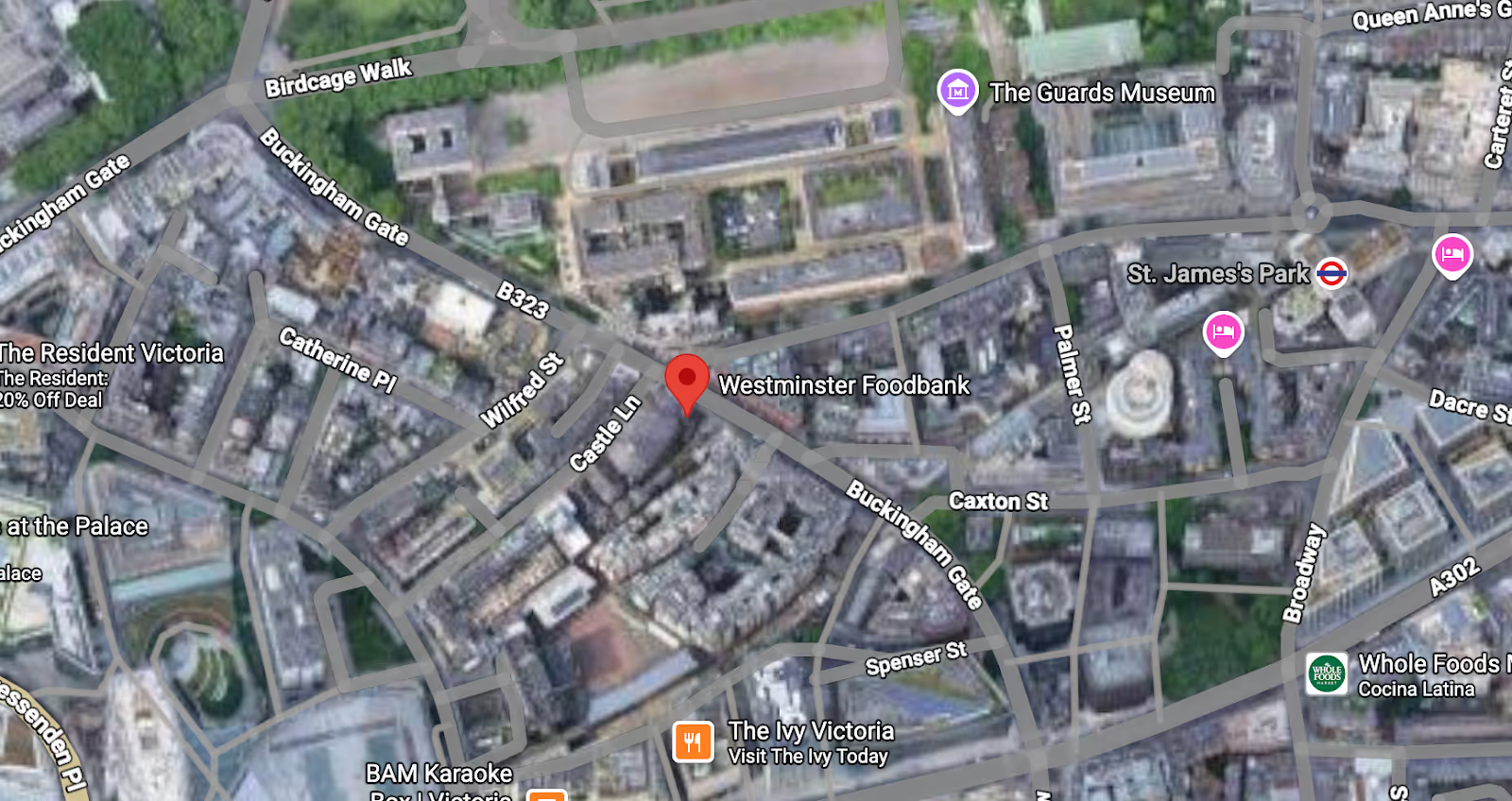
3. Westminster Food bank
Located in central London, Westminster Food bank serves a borough with stark income inequality, supporting both working families and vulnerable individuals.
Where they operate: Westminster and central London areas (Map)
Click image to check out on maps
What they do & impact:
Delivers food parcels and crisis support across multiple centres
Works with referral agencies to ensure targeted distribution
Engages with hundreds of volunteers annually
Causes supported:
Emergency hunger relief
Homelessness support
Crisis intervention
Who backs them: Faith organisations, local councils, and corporate donors
How to volunteer:
Assist in food packing and sorting
Support client-facing distribution
Help organise donation campaigns
Food Banks in Manchester
Greater Manchester has a strong and growing network of food banks, with 40+ active food banks serving communities across the region. These organisations collectively distribute millions of meals each year, responding to rising demand linked to cost-of-living pressures.
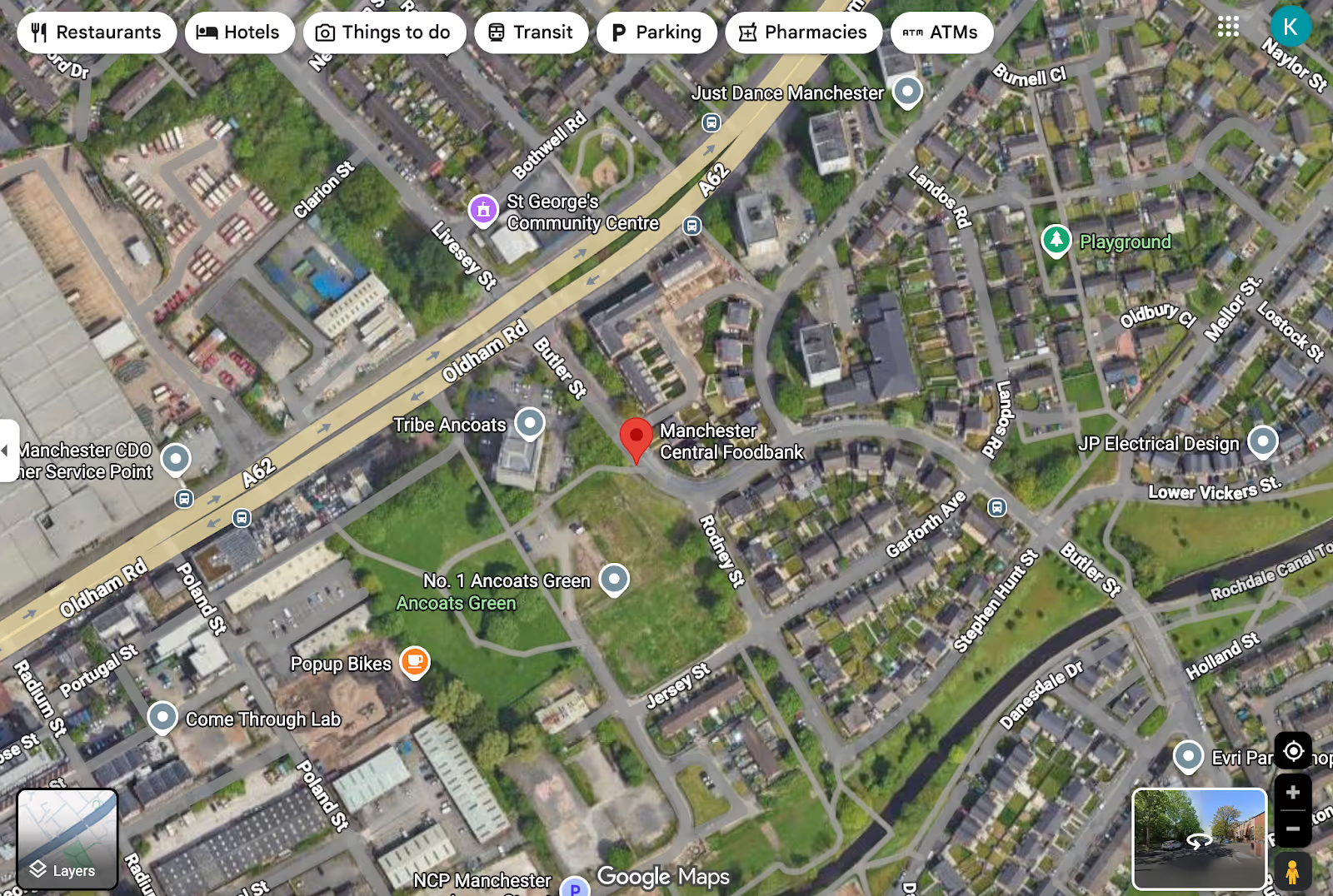
1. Manchester Central Food bank
Part of the Trussell Trust network, Manchester Central Food bank supports communities across the city facing financial hardship.
Where they operate: Central Manchester and surrounding neighbourhoods (Map)
Click image to check out on maps
What they do & impact:
Provides emergency food parcels to thousands annually
Works with local referral partners including healthcare providers
Plays a key role in crisis response across the city
Causes supported:
Food insecurity
Poverty and unemployment
Emergency relief
Who backs them: Local councils, businesses, and community donors
How to volunteer:
Warehouse sorting and packing
Distribution centre support
Community engagement activities
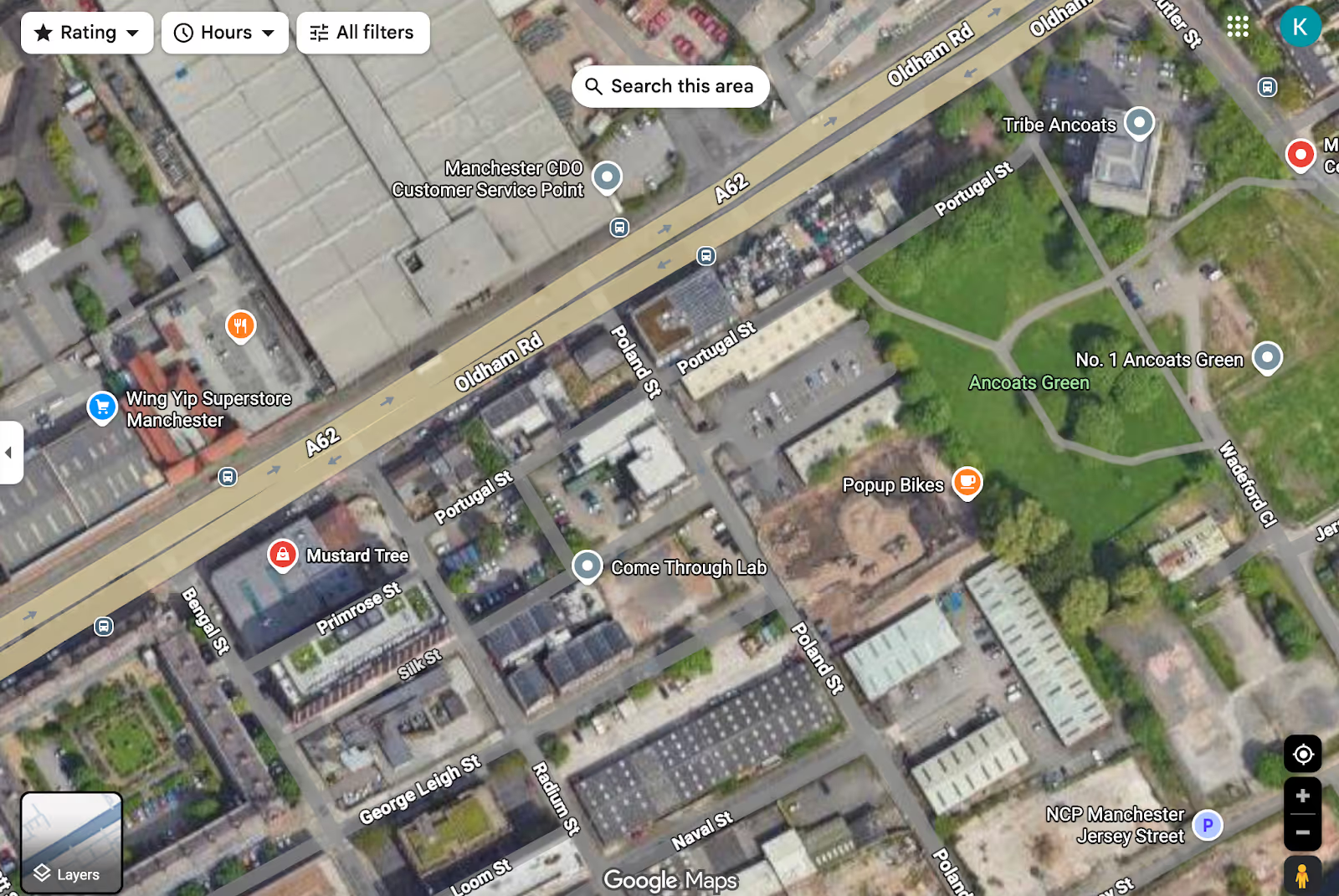
2. Mustard Tree
An independent charity, Mustard Tree goes beyond traditional food bank services to address long-term poverty.
Where they operate: Manchester and Greater Manchester (Map)
Click image to check out on maps
What they do & impact:
Provides food, clothing, and essential goods
Supports thousands of people annually through holistic programs
Offers skills training and employment support
Causes supported:
Poverty alleviation
Homelessness
Skills development and employability
Who backs them: Corporate partners, donors, and local volunteers
How to volunteer:
Support food distribution and warehouse operations
Assist in community programs
Participate in donation and fundraising drives
Food Banks in Birmingham
Birmingham has a strong and growing network of food banks, with 30+ active centres supporting one of the UK’s most diverse populations. These food banks in Birmingham collectively distribute thousands of food parcels every month, responding to rising cost-of-living pressures across the city.
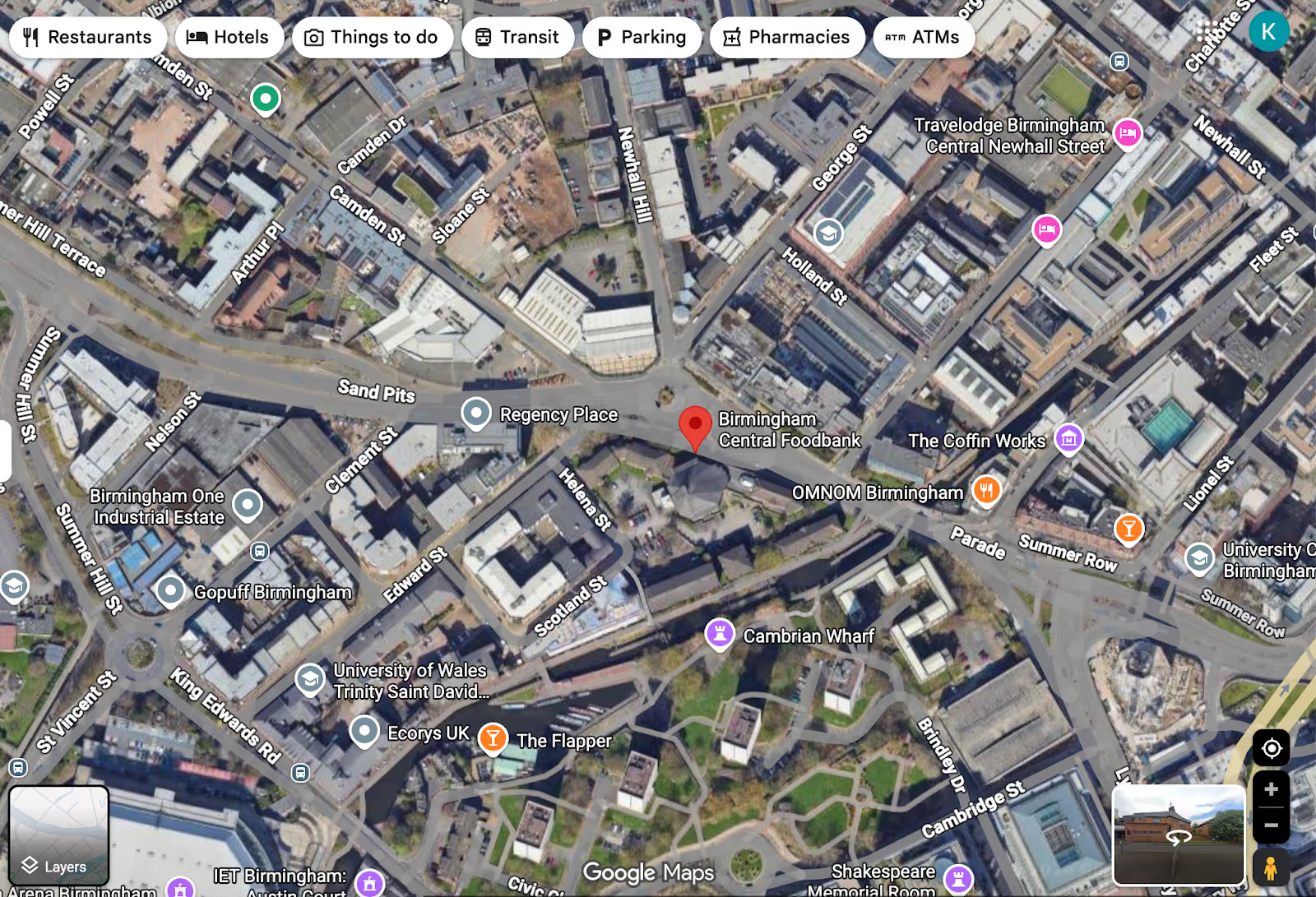
1. Birmingham Central Food bank
Part of the Trussell Trust network, Birmingham Central Food bank was established to address increasing food insecurity in inner-city communities.
Where they operate: Central Birmingham and surrounding neighbourhoods (Map)
Click image to check out on maps
What they do & impact:
Distributes thousands of emergency food parcels annually
Works with referral partners such as schools, healthcare providers, and social services
Supports individuals and families facing short-term crises
Causes supported:
Food insecurity
Poverty and unemployment
Emergency relief
Who backs them: Local councils, supermarkets, faith groups, and community donors
How to volunteer:
Sorting and packing food donations
Supporting distribution centres
Assisting with logistics and warehouse operations
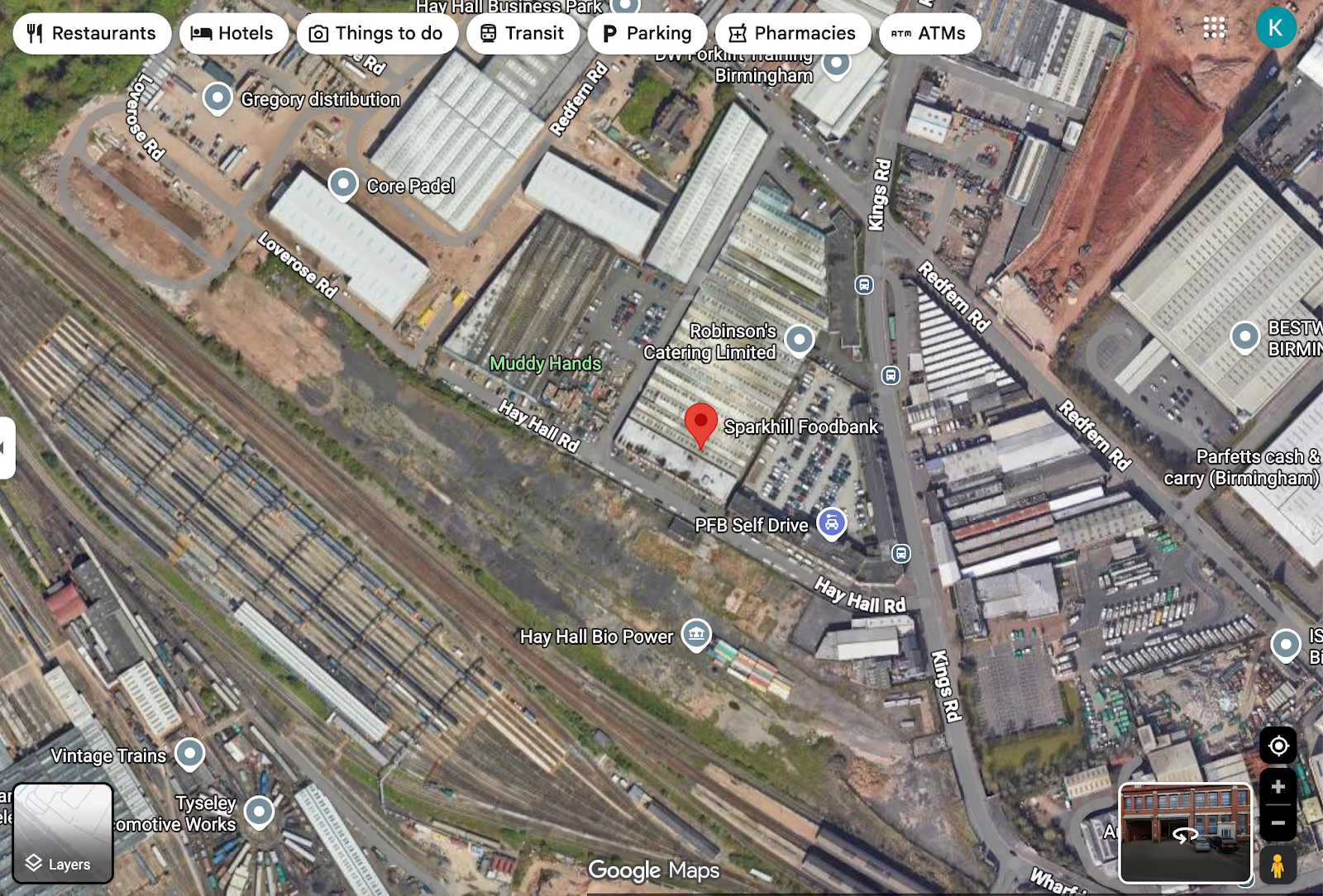
2. Sparkhill Food bank
Sparkhill Food bank serves a culturally diverse community and plays a critical role in addressing food access challenges in South Birmingham.
Where they operate: Sparkhill and surrounding areas (Map)
Click image to check out on maps
Alt Text: Sparkhill Food bank Location on Google Maps Caption: Click image to check out on maps
What they do & impact:
Provides emergency food parcels and essential supplies
Engages with local community groups to expand outreach
Supports vulnerable families and individuals regularly
Causes supported:
Community welfare
Food insecurity
Social inclusion
Who backs them: Grassroots organisations, local donors, and volunteers
How to volunteer:
Community outreach and engagement
Food packing and sorting
Supporting local donation drives
Food Banks in Leeds
Leeds has an active network of 20+ food banks, ensuring coverage across both urban and suburban communities. These food banks in Leeds play a vital role in supporting households facing financial hardship.
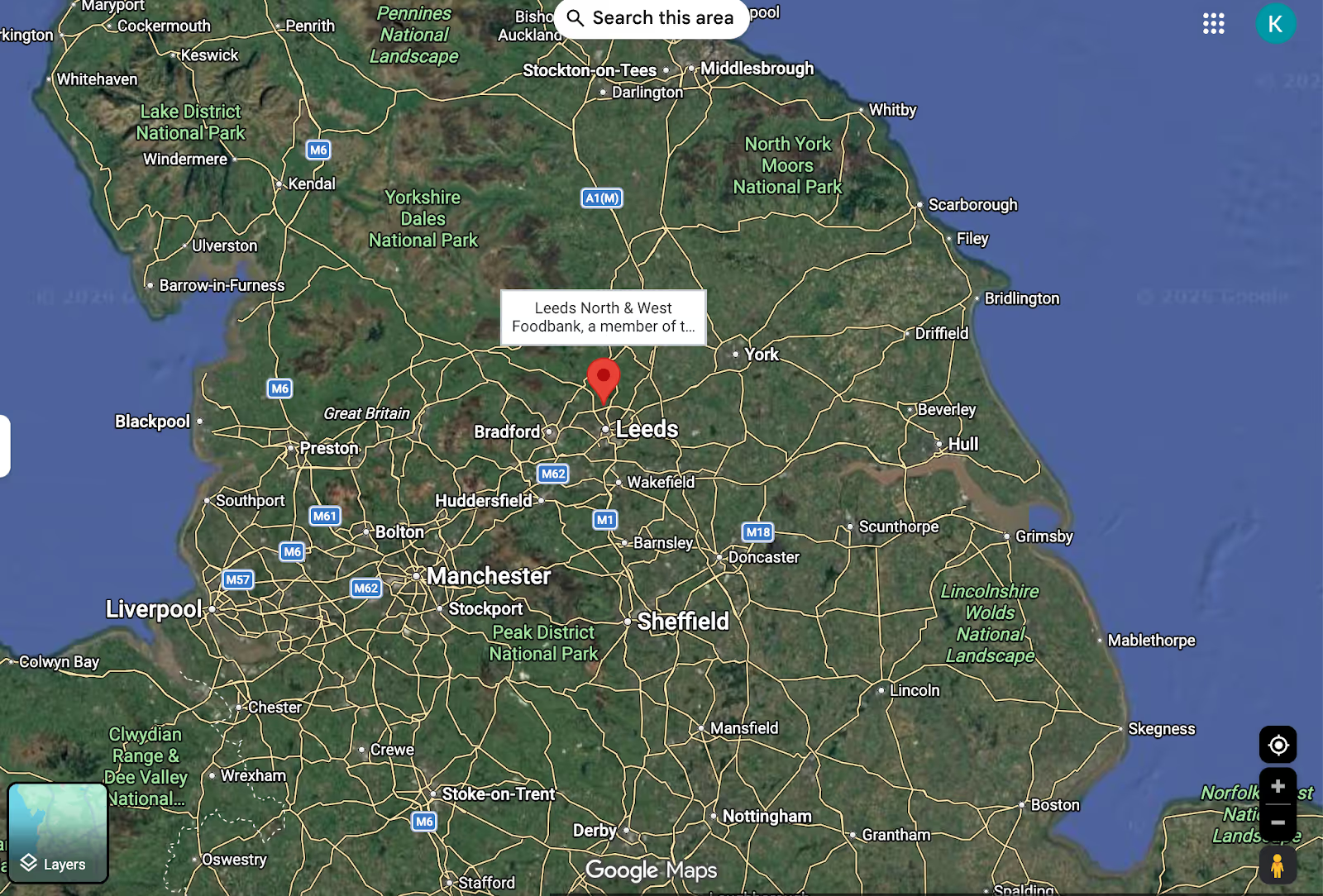
1. Leeds North and West Food bank
Part of the The Trussell Trust network, this food bank supports communities across North and West Leeds.
Where they operate: Multiple distribution centres across North and West Leeds (Map)
Click image to check out on maps
What they do & impact:
Provides emergency food parcels to thousands annually
Works closely with referral agencies
Offers additional support through community partnerships
Causes supported:
Poverty alleviation
Food access
Crisis support
Who backs them: Local charities, volunteers, and corporate donors
How to volunteer:
Warehouse sorting and packing
Distribution centre support
Administrative roles
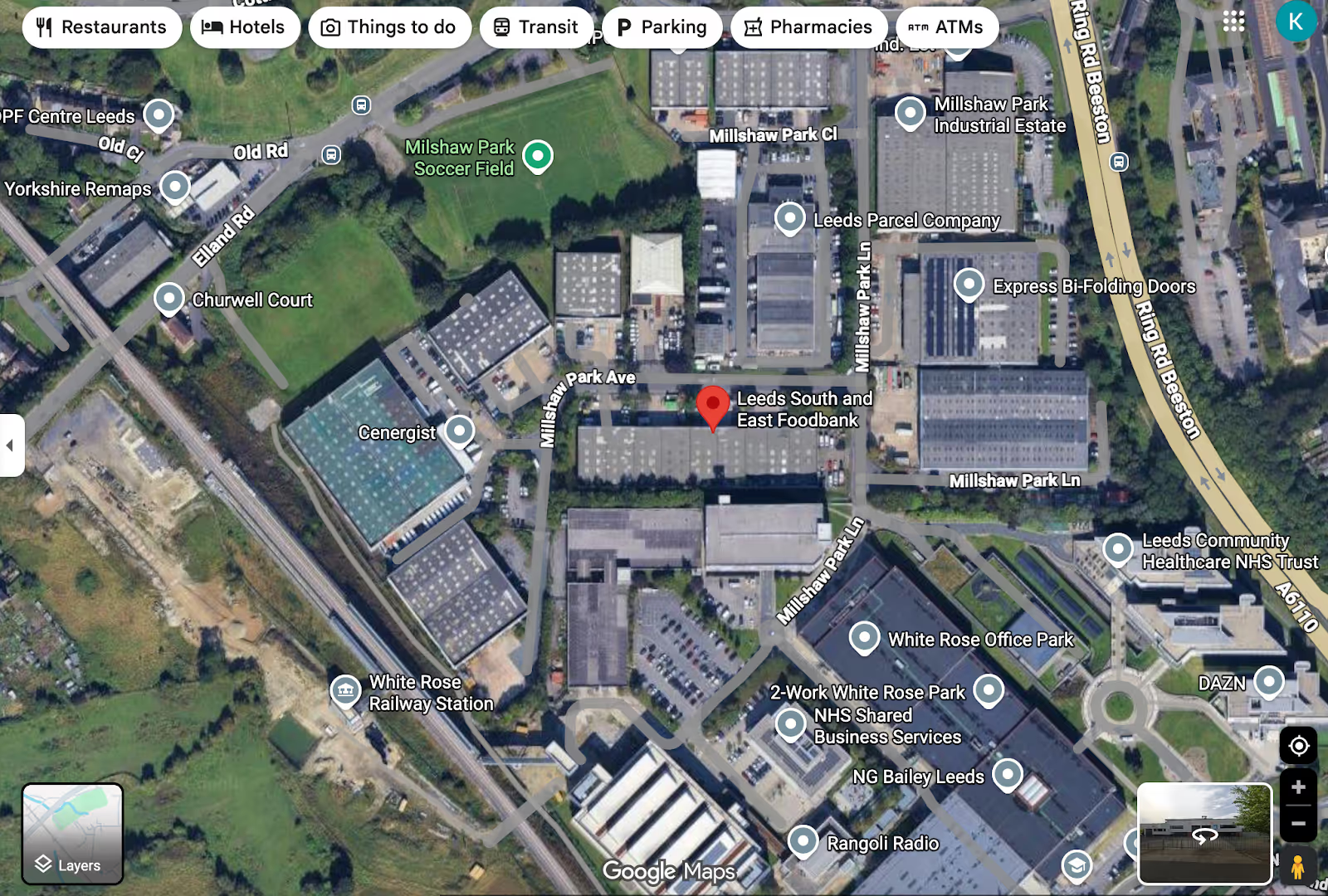
2. Leeds South and East Food bank
Serving a large catchment area, this food bank focuses on reaching underserved communities across Leeds.
Who backs them: Faith groups, local donors, and volunteers
How to volunteer:
Distribution support
Logistics and operations
Outreach and awareness
Food Banks in Wales
Wales has a well-established network of 100+ food banks, with strong coverage in major cities and rural areas alike.
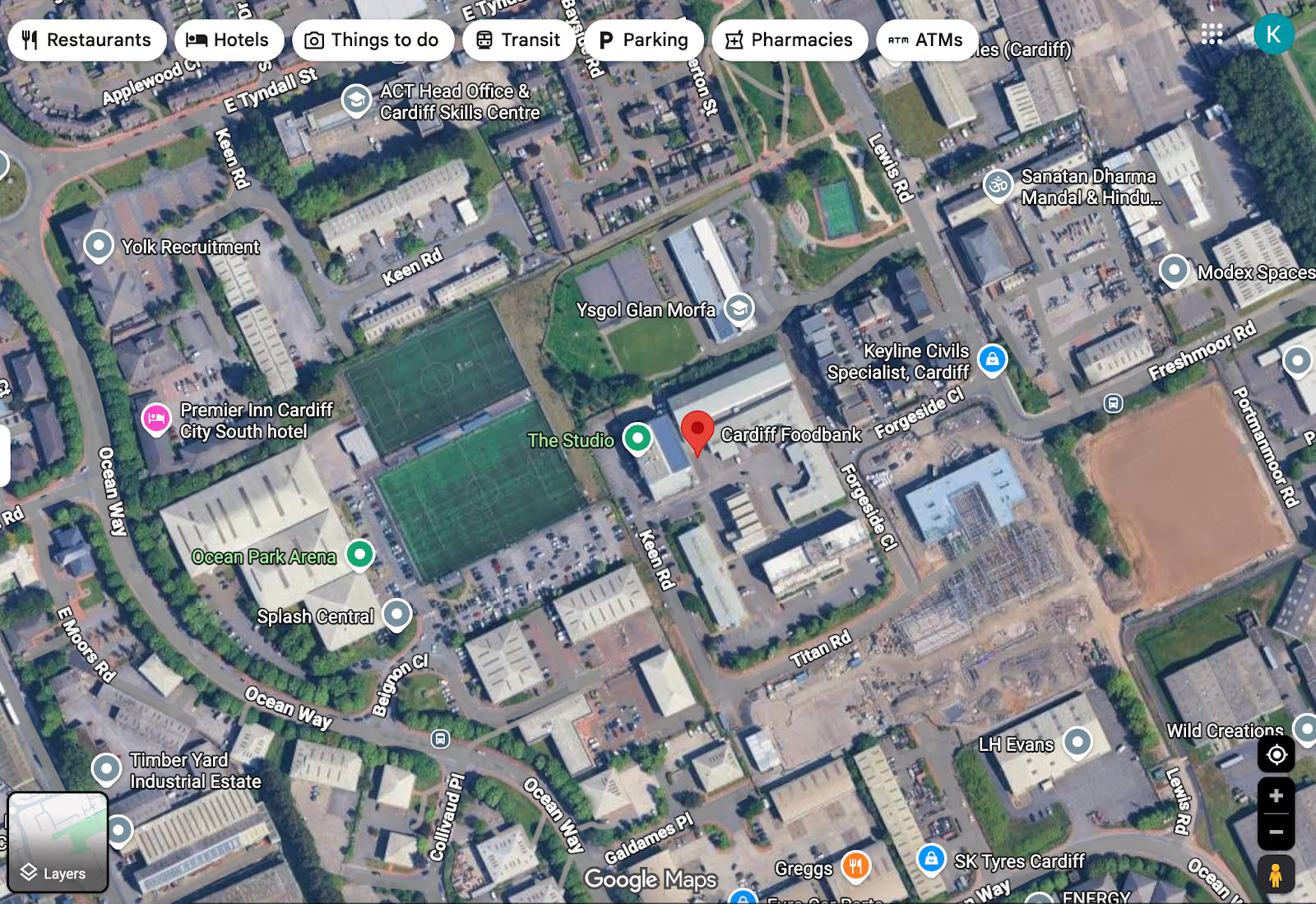
1. Cardiff Food bank
As one of the largest food banks in Wales, Cardiff Food bank operates as part of the Trussell Trust network.
Where they operate: Cardiff and the surrounding areas (Map)
Click image to check out on maps
What they do & impact:
Provides emergency food to thousands of people annually
Runs multiple distribution centres across the city
Works closely with referral partners
Causes supported:
Poverty and hunger relief
Community support
Crisis assistance
Who backs them: Local businesses, volunteers, and community groups
How to volunteer:
Sorting and packing food
Supporting distribution
Fundraising and awareness campaigns
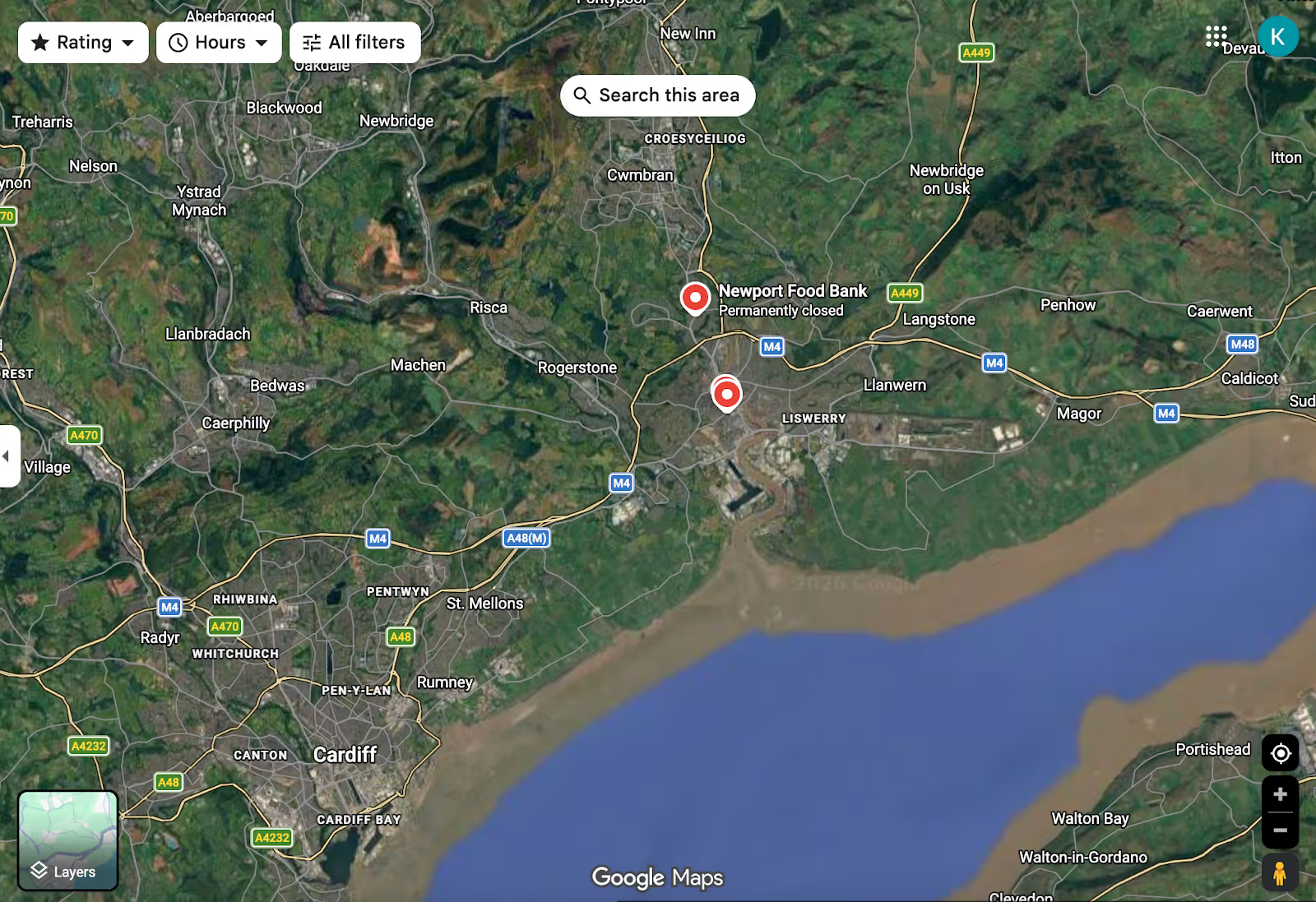
2. Newport Food bank
As part of the Trussell Trust network, Newport Food bank plays a vital role in supporting individuals and families facing financial hardship across the city.
Where they operate: Newport and the surrounding areas
What they do & impact:
Provides emergency food parcels to thousands of people each year
Operates through multiple distribution centres across Newport
Works with referral partners such as schools, healthcare providers, and local agencies
Causes supported:
Food insecurity
Poverty relief
Crisis intervention
Who backs them: Local businesses, supermarkets, volunteers, and community organisations
How to volunteer:
Sorting and packing food donations
Supporting distribution centres
Assisting with local donation drives and outreach
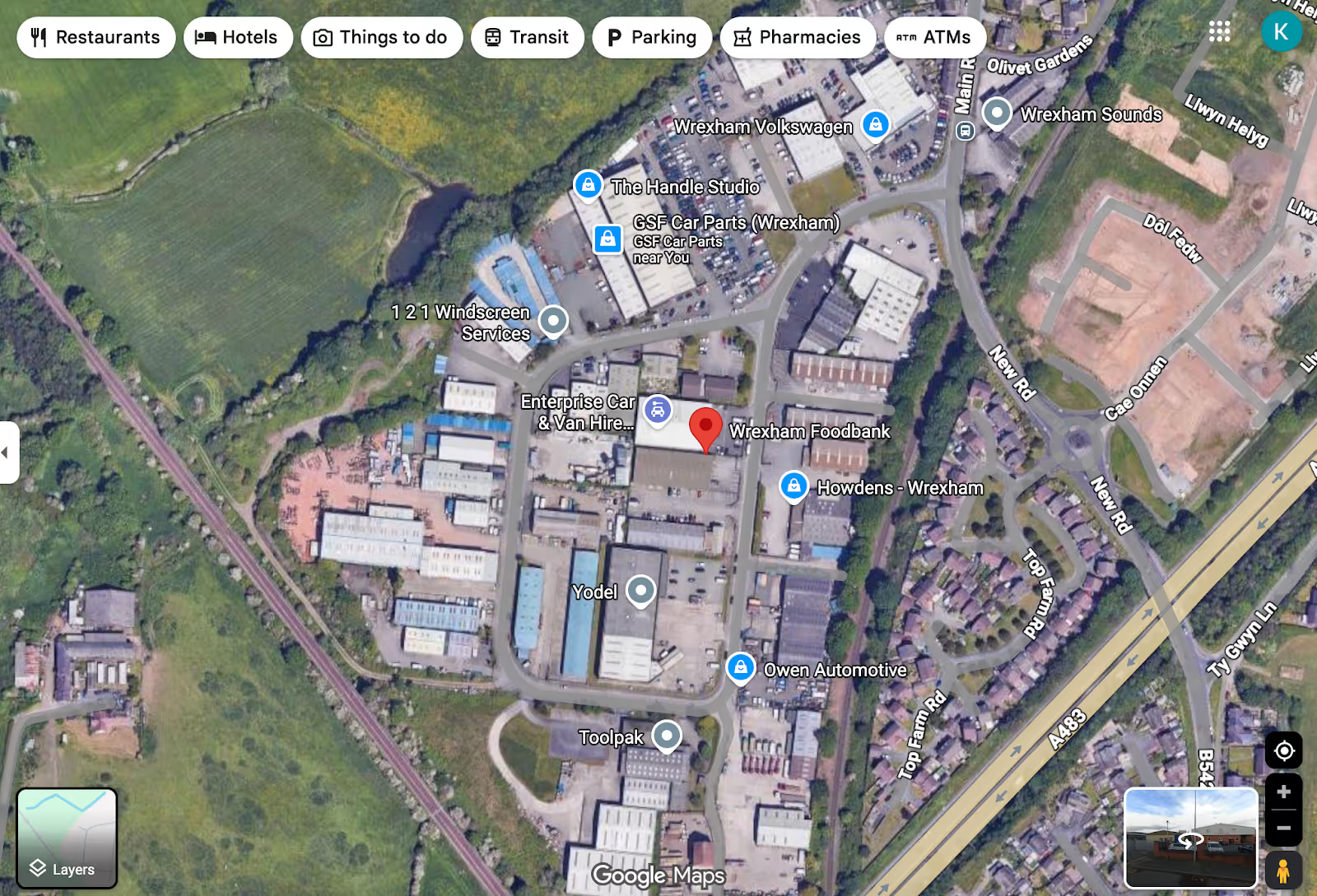
3. Wrexham Food bank
Wrexham Food bank is a key support system in North Wales, helping communities navigate rising living costs and financial challenges.
Where they operate: Wrexham and nearby areas (Map)
Click image to check out on maps
What they do & impact:
Distributes emergency food parcels to individuals and families in need
Works closely with referral agencies to reach vulnerable groups
Supports the community through accessible distribution points
Causes supported:
Hunger and food insecurity
Community welfare
Social support
Who backs them: Local charities, faith groups, donors, and volunteers
How to volunteer:
Packing and sorting food
Supporting distribution efforts
Helping with awareness and community engagement
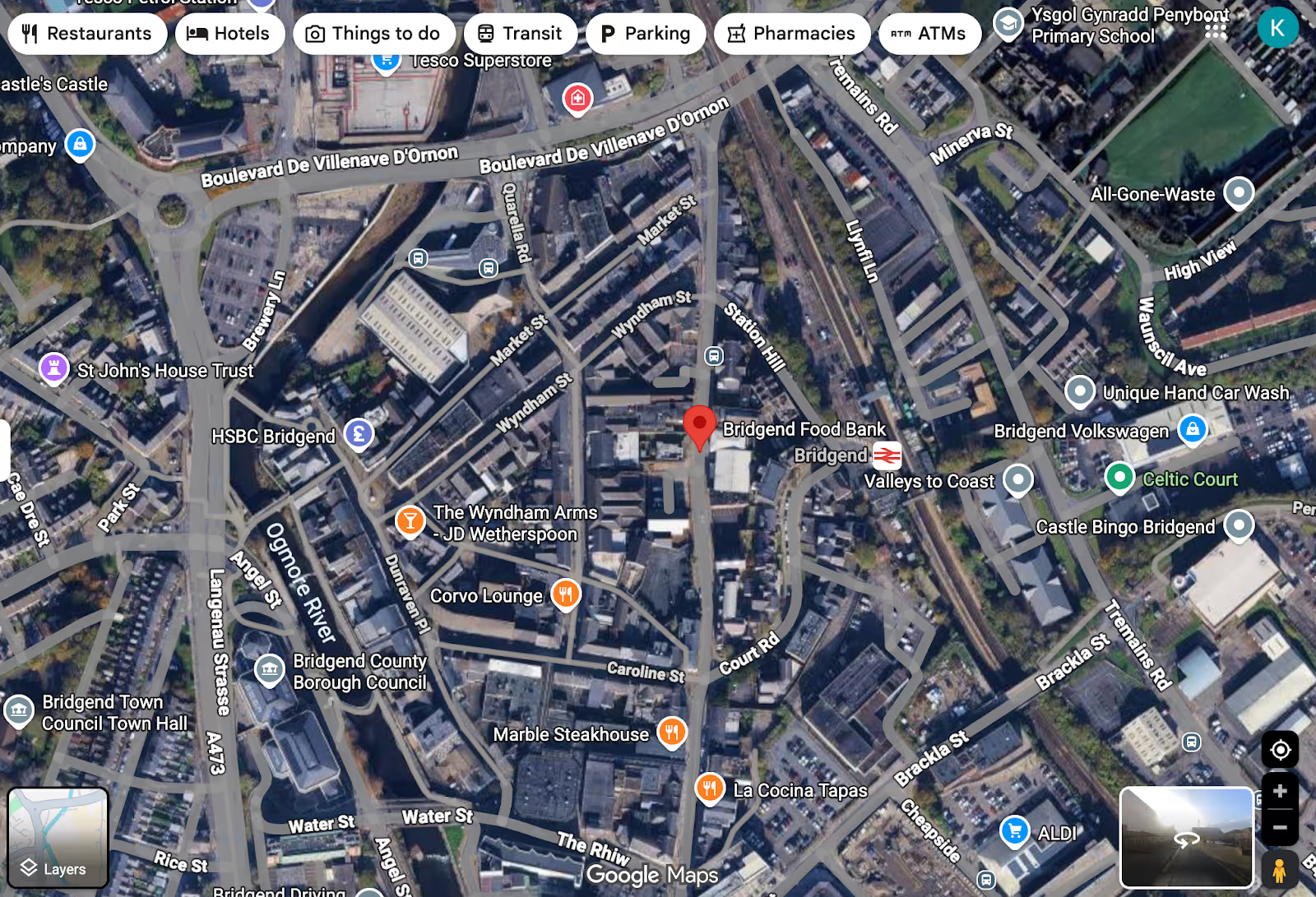
4. Bridgend Food bank
Bridgend Food bank serves as an essential community resource, supporting households facing financial instability across the region.
Where they operate: Bridgend County and surrounding areas (Map)
Click image to check out on maps
What they do & impact:
Provides emergency food supplies to individuals and families
Operates through local distribution centres to improve accessibility
Works with referral partners to ensure support reaches those most in need
Causes supported:
Poverty and food insecurity
Community resilience
Crisis support
Who backs them: Local businesses, volunteers, community groups, and donors
How to volunteer:
Sorting and packing food donations
Assisting at distribution centres
Supporting fundraising and outreach initiatives
MLK Day-Serviceideen für den Arbeitsplatz
If you’re looking to support food banks in the UK, volunteering is one of the most direct and meaningful ways to make a difference. You can either volunteer for a few hours or get involved on a regular basis. Most food banks offer flexible ways to contribute based on your availability and skills.
What Volunteer Roles Look Like
Food banks rely on volunteers to keep operations running smoothly, from handling donations to supporting people on the ground. Some of the most common roles include:
Sorting and packing food donations: Checking expiry dates, organising items, and assembling food parcels that meet basic nutritional needs
Supporting distribution centres: Welcoming visitors, managing queues, and helping ensure food is distributed respectfully and efficiently
Helping with logistics and operations: Managing inventory, coordinating deliveries, or assisting in warehouses, especially for larger networks like FareShare
Assisting with fundraising and outreach: Organising donation drives, spreading awareness, or supporting campaigns run by food bank charities in the UK
How To Get Started
Most food banks to volunteer at have a simple and accessible onboarding process:
Sign up online through the food bank’s website or volunteer platforms
Choose flexible shifts, including weekday, weekend, or one-time opportunities
Volunteer individually or in groups, making it ideal for corporate teams, students, or community groups
Some food banks may require a short induction or training session, especially for roles involving direct interaction with beneficiaries.
What To Expect as a Volunteer
Volunteering at a food bank is hands-on, fast-paced, and deeply human. You’ll often work alongside people from different backgrounds, all coming together for a shared purpose. Many volunteers find the experience not only impactful but also personally fulfilling, offering a sense of connection to the local community.
Ways To Go Beyond Volunteering
If you’re unable to volunteer your time, there are still plenty of ways to support:
Donate essential food items through local collection points
Contribute financially to help food banks scale their operations
Partner as a business to organise food drives or corporate volunteering days
There are over 1,300 food bank centres operated by The Trussell Trust alone. When independent and community-run organisations are included, estimates suggest there are more than 2,500 food banks in the UK.
These include a mix of large networks and smaller grassroots initiatives, all working together to address food insecurity. The number of food banks in the UK continues to grow as demand increases, particularly in response to rising living costs and economic challenges.
2. How many people use food banks in the UK?
Millions of people rely on food banks in the UK each year. Recent data shows that over 3 million emergency food parcels are distributed annually, with a significant portion going to families with children.
Looking at the bigger picture, around 1 in 6 people in the UK have experienced food insecurity, highlighting the scale of the issue. These numbers help answer a common question: how many people use food banks in the UK, and the reality is, it spans across working families, unemployed individuals, and vulnerable populations.
3. When did food banks start in the UK?
Food banks in the UK began in 2000, when the first one was established in Salisbury by The Trussell Trust.
Since then, the model has expanded rapidly across the country. What started as a small community initiative has grown into a nationwide network of food bank charities in the UK, supported by thousands of volunteers and partners.
4. How do food banks work in the UK?
Food banks in the UK operate through a structured system designed to deliver food quickly and efficiently to those in need.
Donations are collected from individuals, supermarkets, and businesses
Volunteers sort and pack food into emergency parcels
Many food banks distribute support through a referral system, working with schools, healthcare providers, and social services
Food parcels are then provided to individuals and families facing financial hardship
In many cases, additional support such as financial guidance or community services is also offered. This model ensures that food banks in the UK not only provide immediate relief but also connect people to longer-term support.
5. Where can I find food banks in England, Scotland, and Wales?
Food banks operate across all regions of the UK, including England, Scotland, and Wales, with strong networks in major cities and towns. Whether you’re looking to donate, access support, or explore food banks to volunteer at, there are accessible options in most communities.
Here are some well-known food banks in the UK across regions:
London: Hackney Food bank, Ealing Food bank, Westminster Food bank
Manchester: Manchester Central Food bank, Salford Food bank, Trafford Food bank
Birmingham: Birmingham Central Food bank, Sparkhill Food bank
Leeds: Leeds North and West Food bank, Leeds South and East Food bank
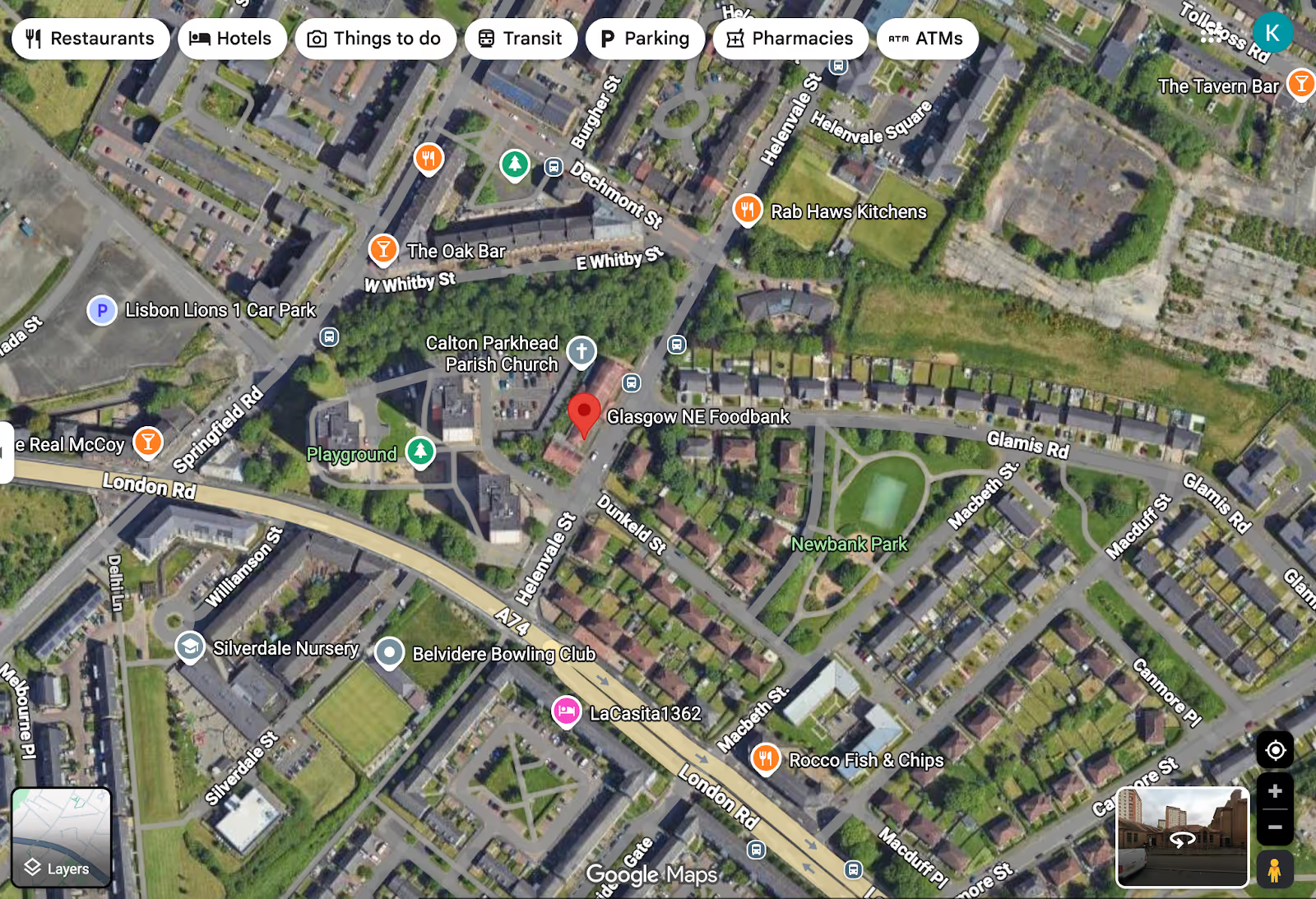
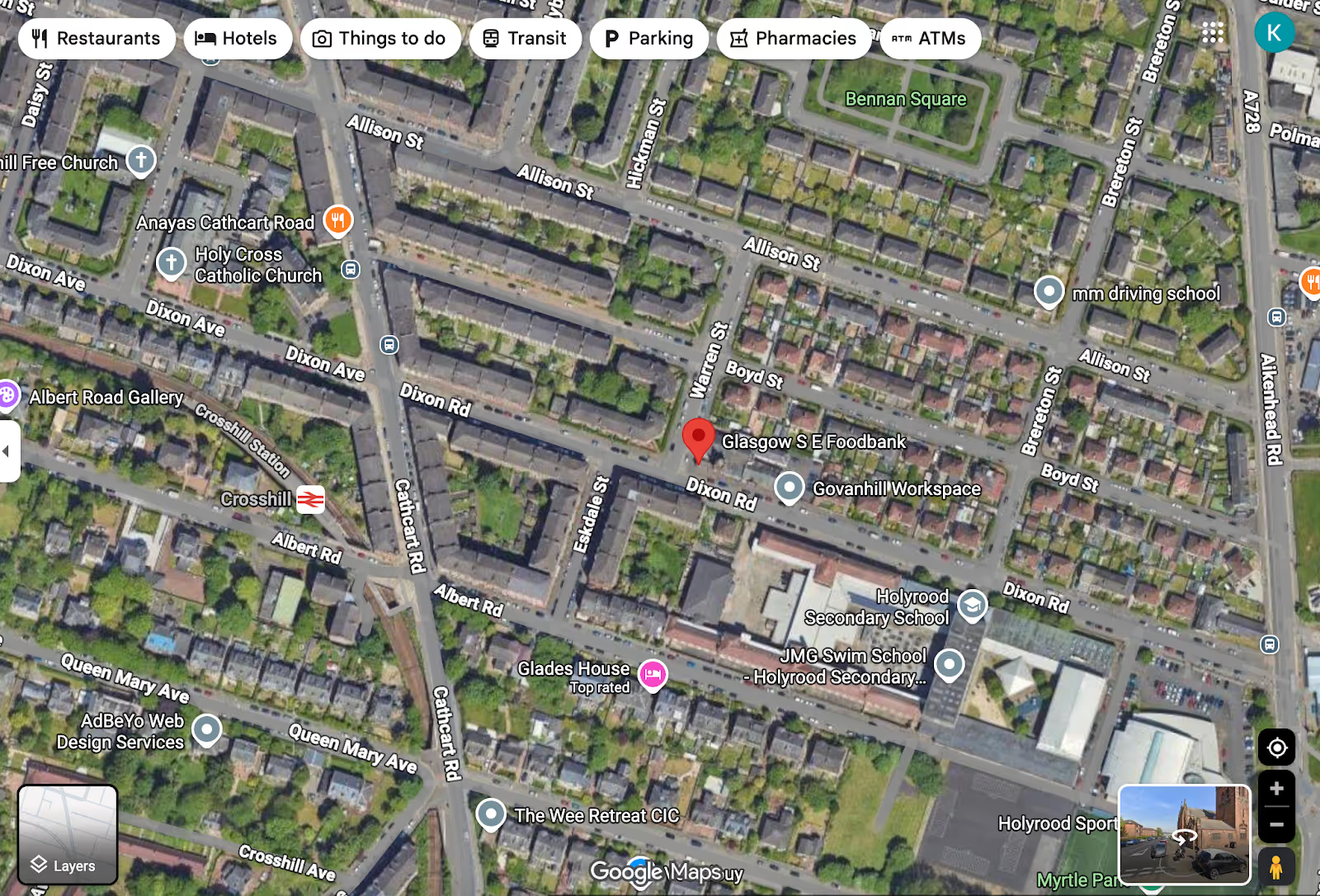
Glasgow (Scotland): Glasgow North East Food bank, Glasgow South East Food bank
Cardiff (Wales): Cardiff Food bank
Swansea (Wales): Swansea Food bank
Hull: Hull Food bank
Most of these operate through networks like The Trussell Trust or are supported by redistribution partners such as FareShare.
Local distribution centres are typically spread across neighbourhoods, making it easier to access support or get involved. The best way to find nearby options is through official websites or local directories.