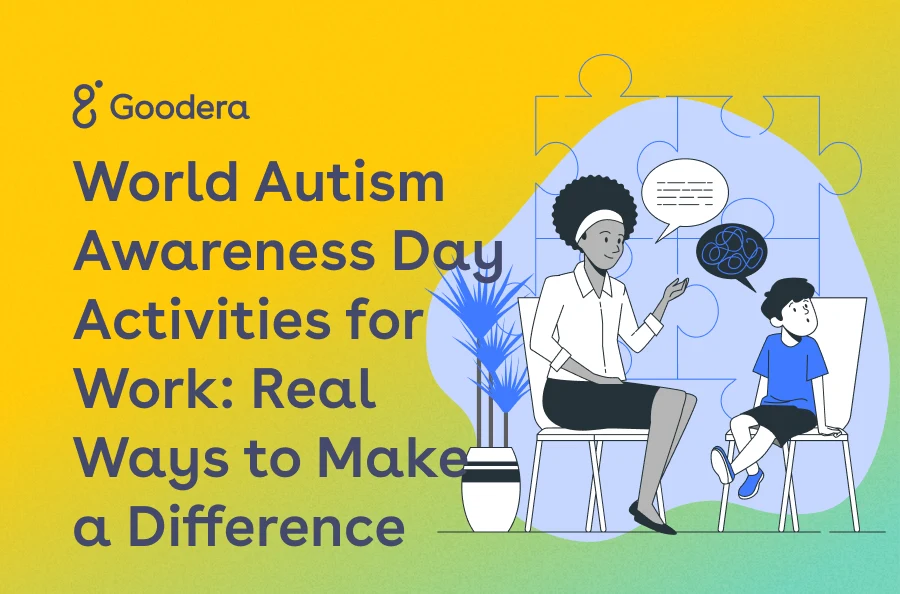
World Autism Awareness Day, observed on April 2, highlights the importance of understanding, acceptance, and inclusion for autistic individuals worldwide. This guide explores the origin of the day, its themes, and meaningful ways communities and workplaces can participate. It also shares practical activities that help move conversations from awareness to real action.
Juneteenth activities carry a deeper weight than most workplace observances, because the story behind the day is still unfolding. Even today, Black communities in the U.S. continue to face disparities in wealth, education, and access to opportunity, realities shaped by a long history of delayed justice that Juneteenth represents.
Autism Acceptance Month offers organizations an opportunity to move beyond awareness and create meaningful impact. This blog explores practical ways companies can engage employees through thoughtful volunteering initiatives that support autistic communities. From skill-based contributions to hands-on activities and nonprofit partnerships, the guide highlights how workplaces can create inclusive, purpose-driven experiences during Autism Month. Whether through company-led programs, VTO policies, or local nonprofit collaborations, these ideas help teams turn intention into action and make a real difference.
Take a look at what is it that corporations can do, apart from donations, that can create real meaning for the cause of Racial Equality?
In a city known for innovation and prosperity like San Francisco, it is easy to assume that access to food is not a widespread issue. But for thousands of residents across the Bay Area, food insecurity remains a daily reality. Recent data indicate food insecurity has surged among low-income adults in the Bay Area's nine counties, rising from 26% in 2001 to 46% in 2024 for those earning less than 200% of the federal poverty level.
Atlanta is often seen as a city full of growth, opportunity, and thriving communities. But behind that progress, many families continue to face a very real challenge: consistent access to nutritious food. Recent data show that 14.9% of people across Georgia, about 1.6 million, are food insecure, with a large number concentrated in the Atlanta metro area.



.webp)



.webp)