World Autism Awareness Day: Origin, Theme, Celebration Ideas, and More

A crowded subway platform. The screech of brakes, overlapping conversations, sudden announcements. One person steps away from the crowd, covering their ears, trying to steady themselves.
Across town, in an office meeting, a professional hesitates before speaking. They have a thoughtful idea, but rapid back-and-forth conversation makes it difficult to find the right moment to contribute.
In a living room, a teenager spends hours focused on a single interest, absorbing every detail with remarkable precision, while family members wonder why social conversations feel exhausting.
These moments may look unrelated, yet they offer just a few glimpses into the many ways people experience and navigate the world.
Autism does not follow a single pattern. It shapes how individuals communicate, process information, respond to sensory input, and interact with the world around them. Because the signs vary widely, autistic behaviors are often misunderstood as anxiety, distraction, introversion, or even rudeness.
As author and autism advocate Dr. Stephen Shore says,
“If you’ve met one person with autism, you’ve met one person with autism.”

This quote captures one of the most important truths about autism. The condition exists on a broad and diverse spectrum, which means no two autistic individuals experience it in exactly the same way.
For one person, autism might shape how they process sensory information. Busy environments, loud sounds, or bright lights can feel overwhelming. For another, the difference may appear in communication styles, social interaction, or the need for structured routines. Someone else may have highly focused interests, exceptional attention to detail, or strong analytical abilities.
These differences are precisely why World Autism Awareness Day emphasizes understanding rather than assumptions. Autism cannot be reduced to a single trait, stereotype, or behavior. Each individual brings their own strengths, challenges, preferences, and ways of navigating the world.
Did you know?
Autism affects about 1 in 130 children globally, according to a 2025 meta-analysis of over 21 million children, with boys at higher risk (1.14%). In the US, CDC's 2022 data shows 1 in 31 eight-year-olds on the spectrum.
When Is World Autism Awareness Day?
World Autism Awareness Day is observed on April 2 every year.
The date remains consistent annually, making April 2 a global moment of recognition. In 2026, World Autism Awareness Day will fall on Thursday, April 2.
Many organizations extend their efforts throughout April, often recognized as Autism Acceptance Month. However, April 2 serves as the anchor date for campaigns, events, and educational initiatives worldwide.
What Is World Autism Awareness Day?
World Autism Awareness Day is an international observance dedicated to raising awareness about autism and promoting inclusion.
The day was established by the United Nations to bring global attention to the rights, dignity, and well-being of autistic individuals. It serves as a reminder that autism is part of the human experience and that societies have a responsibility to create environments where neurodiverse individuals can participate fully.
Over time, World Autism Awareness Day has grown beyond simple awareness campaigns. The conversation today is broader and more action oriented. Communities, schools, and workplaces increasingly use the day to explore how inclusion can become part of everyday systems and decisions.
Many of these conversations focus on areas such as:
- Inclusive education, where classrooms are designed to support diverse learning styles
- Workplace accessibility, ensuring environments accommodate different communication and sensory needs
- Early diagnosis and intervention, which helps families access support sooner
- Reducing stigma, by replacing misconceptions with informed understanding
- Promoting neurodiversity, recognizing that neurological differences are a natural part of human diversity
In workplaces especially, World Autism Awareness Day often becomes a starting point for meaningful discussions about inclusive hiring, accessible work environments, and employee support systems that help neurodiverse professionals thrive.
Instead of being just a symbolic observance, the day increasingly encourages organizations and communities to translate awareness into action.
What Is the Origin of World Autism Awareness Day?
The origin of World Autism Awareness Day traces back to a United Nations resolution in 2007.
During the early 2000s, global conversations around autism were beginning to shift. Families, educators, and advocacy groups across different countries were speaking more openly about the challenges autistic individuals faced. Many pointed out that awareness remained limited and support systems were uneven or inaccessible in many parts of the world.
Recognizing the growing need for global attention, the United Nations General Assembly took a historic step. On December 18, 2007, it adopted a resolution that officially declared April 2 as World Autism Awareness Day. The decision acknowledged a simple but powerful idea. Autistic individuals deserve the opportunity to live full, meaningful lives with dignity, opportunity, and community support.
The first observance took place the following year. In 2008, countries around the world marked World Autism Awareness Day through awareness campaigns, educational discussions, and community events designed to bring autism into public conversation.
What began as a call for awareness gradually grew into a wider global movement. Each year, World Autism Awareness Day continues to build on the principles behind that original resolution. The day reflects a broader commitment by the United Nations to human rights, accessibility, and inclusion.
At its core, the message remains consistent. Neurodiversity is part of human diversity, and creating inclusive societies requires recognizing and supporting the many different ways people experience the world.
What Is the World Autism Awareness Day Theme in 2026?
Each year, World Autism Awareness Day has a theme that focuses on a key aspect of inclusion.
Themes often center around topics such as employment, accessibility, innovation, or leadership by autistic individuals. The annual World Autism Awareness Day Theme is usually announced by the United Nations closer to the date.
For World Autism Awareness Day on April 2, 2026, many organizations are centering their efforts on a simple but powerful idea: celebrating differences.
Groups like the Autism Society of America are encouraging people to move beyond awareness and toward genuine acceptance. Their 2026 message, “Celebrate Differences,” highlights the strengths, talents, and perspectives that neurodivergent individuals bring to communities, workplaces, and schools. Instead of focusing only on challenges, the conversation shifts toward valuing diversity in how people think, communicate, and experience the world.
Across the globe, other initiatives are reinforcing the same message. The Australian organization Autism Queensland continues to promote the #TrueColours movement, which encourages people to feel comfortable showing their authentic selves. The campaign focuses on creating environments where autistic individuals feel a sense of belonging at school, at work, and within their communities.

At the global level, the United Nations continues to frame World Autism Awareness Day within broader conversations about inclusion and human rights. Many discussions in 2026 focus on improving access to education, expanding employment opportunities, and ensuring that neurodiversity is reflected in policies connected to sustainable development goals.
For individuals and organizations looking to participate, the day often includes simple but visible actions. Many people wear blue as part of the “Light It Up Blue” campaign, attend educational talks or community events, and advocate for more inclusive environments in schools and workplaces.
Together, these efforts reflect an important shift. World Autism Awareness Day is no longer only about recognizing autism. It is about creating a world where neurodiversity is understood, respected, and welcomed.
What Are the World Autism Awareness Day Colors?
Blue is the most recognized color associated with World Autism Awareness Day.
Many organizations “Light It Up Blue” on April 2 to show solidarity. Buildings, offices, and landmarks glow blue to raise visibility for World Autism Awareness Day.
However, the conversation around colors is expanding. The rainbow infinity symbol is increasingly used to represent neurodiversity, emphasizing the diversity within the autism spectrum.
When using World Autism Awareness Day Colors, be mindful of evolving preferences within the autistic community. Inclusion means listening as well as showing support.
How to Celebrate World Autism Awareness Day at Work?
World Autism Awareness Day offers workplaces an opportunity to move from passive awareness to meaningful inclusion. While social media posts and symbolic gestures can help start conversations, the most impactful organizations use the day to create lasting change in how their workplaces understand and support neurodiversity.
Autistic individuals are part of every professional field, from technology and design to research, finance, and creative industries. Yet many workplaces still operate with norms that unintentionally exclude neurodivergent employees. World Autism Awareness Day provides a natural moment to reflect on these systems and ask an important question: How can we build environments where different ways of thinking, communicating, and working are respected and supported?
Organizations can mark the day by focusing on three pillars: education, accessibility, and representation. The following initiatives help teams turn the day into something meaningful rather than symbolic.
1. Host a Learning Session on Autism Inclusion
One of the most effective ways to celebrate World Autism Awareness Day at work is by creating space for learning and conversation.
Many people want to be supportive but simply lack the knowledge to understand autism beyond common stereotypes. Hosting an educational session can help employees better understand:
- What autism actually means as a spectrum
- Common misconceptions about autistic individuals
- How communication styles and sensory experiences may differ
- Practical ways colleagues can create more inclusive environments
Organizations often invite psychologists, autism advocates, or nonprofit leaders to lead these discussions. For example, experts associated with the Autism Society of America frequently facilitate workplace sessions that explore neurodiversity in professional settings.
These conversations work best when they encourage open questions and reflection rather than formal lectures. Employees should feel comfortable asking questions and learning how everyday workplace behaviors, meeting structures, or communication styles can unintentionally create barriers.
Over time, these discussions help build a workplace culture where inclusion is understood not as a policy requirement but as a shared responsibility among colleagues.
2. Conduct an Accessibility Audit
World Autism Awareness Day is also an ideal time for organizations to step back and evaluate whether their workplace environments truly support neurodivergent employees.
An accessibility audit looks at everyday workplace systems through a neurodiversity lens. While many companies focus on physical accessibility, cognitive and sensory accessibility are just as important.
Teams can review areas such as:
Workplace environment
- Are there quiet spaces where employees can work without sensory overload?
- Are lighting and noise levels considered in office design?
Communication norms
- Are instructions clear and structured?
- Do meetings allow different participation styles, such as written contributions or follow-up responses?
Hiring practices
- Do interview processes unintentionally disadvantage neurodivergent candidates?
- Are alternative evaluation methods available beyond traditional interviews?
Policies and accommodations
- Are employees aware of available accommodations?
- Is the process for requesting support simple and stigma-free?
Even small adjustments, such as offering flexible meeting formats or providing written summaries after discussions, can make workplaces significantly more inclusive for neurodivergent employees.
3. Launch Skills-Based Volunteering
World Autism Awareness Day can also become a catalyst for purpose-driven employee volunteering.
Instead of traditional one-time volunteering activities, many organizations now explore skills-based volunteering, where employees contribute professional expertise to nonprofits supporting autistic individuals and families.
This could include:
- Technology teams building accessible websites for autism support organizations
- Marketing teams helping nonprofits raise awareness through campaigns
- HR professionals advising on inclusive hiring practices
- Finance teams helping organizations improve financial planning or grant reporting
These partnerships allow employees to apply their professional skills while supporting causes aligned with inclusion and accessibility.
Platforms like Goodera help companies structure these initiatives through guided volunteering programs and nonprofit partnerships. Organizations interested in building long-term volunteering strategies can explore resources such as:
These guides show how awareness days can evolve into year-round impact initiatives rather than one-time events.
4. Support Autism-Focused Nonprofits
Another meaningful way to recognize World Autism Awareness Day is by supporting organizations that work directly with autistic individuals and their families.
Companies can encourage employees to contribute through:
- Donation matching programs
- Fundraising campaigns
- Corporate grants
- Volunteer hours with nonprofit partners
Global organizations such as Autism Speaks and Autism Society run programs focused on advocacy, research, community services, and support networks for autistic individuals.
Workplace giving initiatives not only raise funds but also increase awareness among employees about the organizations doing critical work in this space.
Many companies also use the day to highlight nonprofit partners in internal communications, helping employees understand the real-world impact of their support.
5. Amplify Autistic Voices
Perhaps the most powerful way to observe World Autism Awareness Day is to center the voices and experiences of autistic individuals themselves.
Too often, conversations about autism are led by institutions rather than the people directly affected. Creating space for autistic voices helps shift the narrative from assumptions to lived experiences.
Workplaces can amplify these perspectives by:
- Sharing blog posts, interviews, or articles written by autistic advocates
- Highlighting employee stories within internal newsletters
- Hosting panel discussions featuring neurodivergent professionals
- Promoting content created by autistic creators and thought leaders
Hearing directly from autistic individuals helps colleagues better understand the diversity within the autism spectrum. Some people may speak about sensory sensitivity, others about communication differences, and others about strengths such as deep focus, pattern recognition, or creative thinking.
These stories remind teams that autism is not a single experience. It is a spectrum of perspectives that enrich communities when workplaces create space for them.
What Are Some World Autism Awareness Day Activities for Communities?
World Autism Awareness Day activities can range from quiet conversations in small groups to large public campaigns that reach entire cities. The goal is not just visibility. The goal is understanding, inclusion, and meaningful engagement with autistic individuals and their communities. The most impactful initiatives usually create space for learning, listening, and participation.
Here are several thoughtful ways communities can mark the day:
1. Organize Community Walks or Awareness Runs
Community walks and awareness runs are one of the most visible World Autism Awareness Day activities. These events bring families, educators, advocates, and allies together in a shared public space.
Participants often wear blue or other autism awareness colors, carry signs, or share messages that highlight inclusion and support for autistic individuals. Some communities also use these events to raise funds for autism-focused nonprofits, therapy programs, or early intervention services.
Beyond fundraising, these gatherings create a strong sense of belonging for families who may otherwise feel isolated. Walking together sends a clear message that autism acceptance is a collective effort.
2. Launch Social Media Campaigns That Share Real Stories
Social media can turn local World Autism Awareness Day activities into global conversations when used thoughtfully.
Instead of only posting awareness graphics, communities can encourage people to share stories, lived experiences, and personal reflections. Autistic individuals, parents, educators, and advocates can speak about everyday realities, challenges, and achievements.
Campaigns may include:
- Sharing autism facts and myths
- Highlighting autistic creators or professionals
- Posting short videos explaining sensory experiences
- Using hashtags that connect local efforts to global conversations
Autism-Europe’s “Not Invisible” campaign invites people to share personal stories and experiences during World Autism Awareness Month. Initiatives like this show how storytelling can help communities better understand the lived realities of autistic individuals.
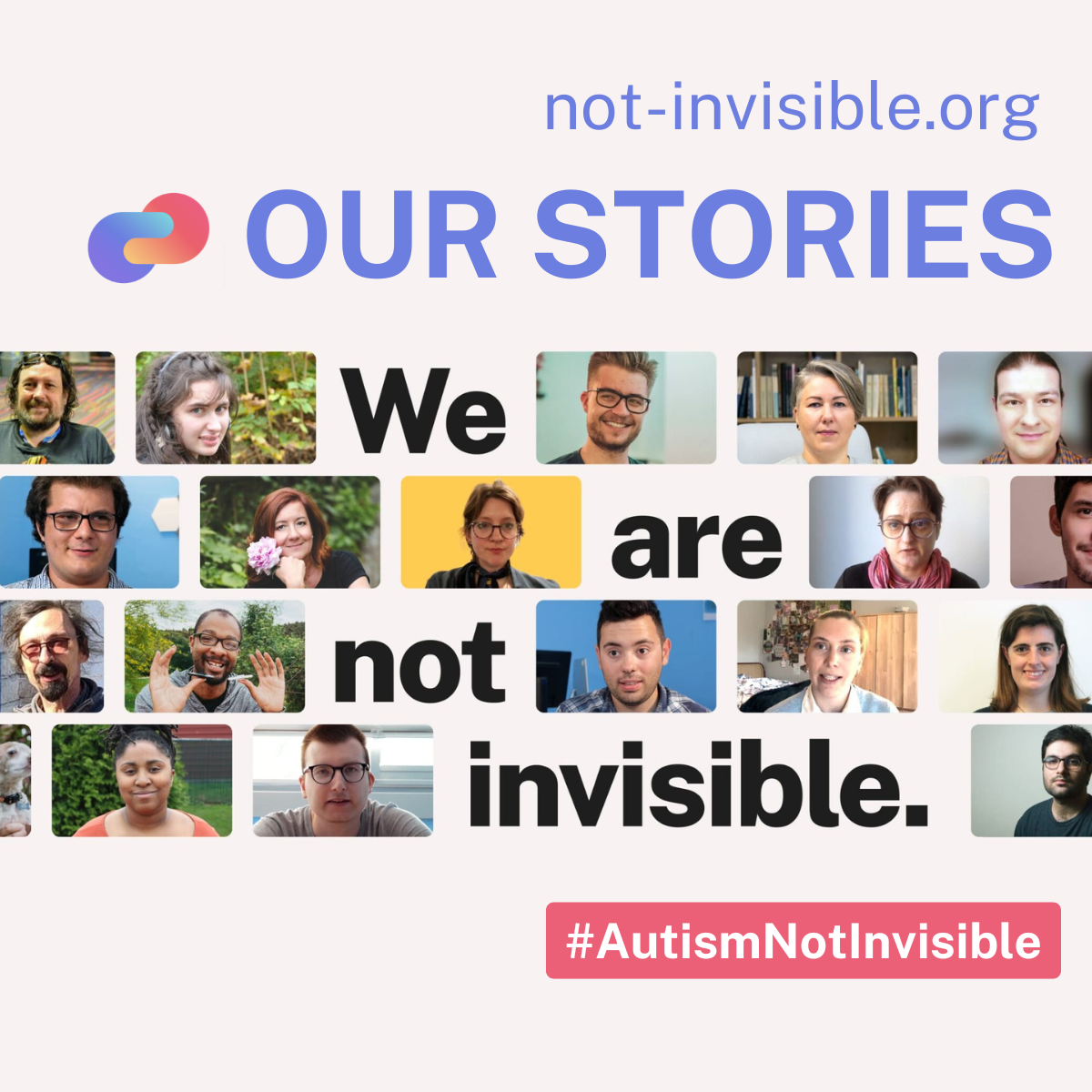
When real voices lead these campaigns, social media becomes a platform for understanding rather than just visibility.
3. Host School and Classroom Discussions
Schools play an important role in shaping how young people understand neurodiversity. Classroom conversations are one of the most meaningful ways to spread awareness about Autism because they influence attitudes early in life.
Teachers can organize discussions about autism that focus on empathy, respect, and inclusion. Students can learn how people experience the world differently and why supportive environments matter.
Activities might include:
- Reading books that feature autistic characters
- Watching short educational videos
- Discussing sensory differences and communication styles
- Encouraging students to ask questions in a safe environment
These conversations help build classrooms where autistic students feel seen and supported.
4. Organize Art Exhibitions Featuring Autistic Creators
Art is a powerful way to celebrate diverse perspectives. Many autistic individuals express themselves through visual art, music, writing, or digital media.
Community galleries, libraries, or cultural centers can host exhibitions that feature work created by autistic artists. These showcases highlight creativity, talent, and unique ways of experiencing the world.
Visitors often walk away with a deeper understanding of neurodiversity. Instead of focusing only on challenges, these events celebrate strengths and perspectives that enrich communities.
Art-centered World Autism Awareness Day activities can also include:
- Live painting sessions
- Poetry readings
- Music performances
- Digital art displays
Each piece tells a story that words alone cannot always capture.
5. Hold Panel Discussions on Neurodiversity
Panel discussions create space for thoughtful conversations about autism in education, workplaces, healthcare, and everyday life.
Communities can invite autistic self-advocates, psychologists, educators, employers, and family members to share their perspectives. Hearing from multiple voices helps people understand the many dimensions of the autism spectrum.
Topics for panel discussions might include:
- The importance of inclusive education
- Employment opportunities for autistic adults
- Sensory-friendly environments in public spaces
- The role of communities in supporting families
These discussions often spark new ideas and collaborations that continue long after World Autism Awareness Day.
6. Create Sensory-Friendly Community Events
Many public events can be overwhelming for autistic individuals due to noise, lighting, and crowds. Organizing sensory-friendly gatherings is a thoughtful way to make World Autism Awareness Day Activities more inclusive.
Communities can host events with:
- Reduced noise levels
- Soft lighting
- Quiet spaces for breaks
- Clear schedules and visual guides
Libraries, museums, and community centers are increasingly adopting these practices. These small adjustments allow more people to participate comfortably and confidently.
7. Partner With Local Autism Organizations
Communities can also collaborate with nonprofits that support autistic individuals and families. These organizations often lead workshops, therapy programs, and advocacy efforts throughout the year.
Partnerships might include volunteering opportunities, fundraising initiatives, or educational sessions led by experts and advocates.
Working with organizations already serving the autism community ensures that World Autism Awareness Day Activities are guided by real needs rather than assumptions.
When planning any of these activities, it helps to pause and ask a simple question: Does this activity amplify autistic voices, or does it simply create noise?
The most meaningful World Autism Awareness Day Activities are the ones that listen, learn, and create spaces where autistic individuals feel respected, understood, and included.
Also Read: Top Autism Awareness Nonprofit Organizations
Why Does World Autism Awareness Day Still Matter?
Conversations around autism have grown over the years, yet many barriers remain in education, workplaces, and public spaces.
One of the clearest gaps appears in employment. Many autistic adults face high rates of underemployment despite having strong skills and capabilities. The challenge is often not talent, but systems that were not designed with neurodiversity in mind. Hiring practices, communication expectations, and sensory-heavy workplaces can unintentionally exclude capable individuals.
This is why World Autism Awareness Day continues to hold relevance. It encourages organizations, schools, and communities to move beyond recognition and focus on practical inclusion. That includes accessible workplaces, supportive learning environments, and opportunities that allow autistic individuals to thrive.
As autism advocate Temple Grandin famously said, “The world needs all kinds of minds.”
That idea captures the spirit of World Autism Awareness Day. Diverse ways of thinking strengthen innovation, creativity, and problem solving.
As the day is observed each year, the goal is simple. Turn awareness into action. Listen to autistic voices, build inclusive environments, and create spaces where neurodiversity is understood and valued.
Frequently Asked Questions
1. Is World Autism Awareness Day the same as Autism Acceptance Month?
No. World Autism Awareness Day is observed on April 2 each year, while Autism Acceptance Month spans the entire month of April.
World Autism Awareness Day acts as a global focal point for conversations about autism inclusion. It often launches campaigns, events, and discussions that continue throughout Autism Acceptance Month. While the day emphasizes global awareness and advocacy, the month encourages deeper engagement through education programs, workplace initiatives, and community activities that support autistic individuals.
2. Why is blue associated with World Autism Awareness Day?
Blue became associated with World Autism Awareness Day through global campaigns such as the widely recognized “Light It Up Blue” initiative.
Landmarks, buildings, and public spaces across the world are illuminated in blue on April 2 to show solidarity with autistic individuals and their families. Over time, the color has come to represent visibility, support, and collective commitment to autism inclusion.
While blue remains widely used, many advocacy groups today also encourage broader color expressions that celebrate the diversity of the autism spectrum.
3. How can companies participate in World Autism Awareness Day meaningfully?
Companies can participate in World Autism Awareness Day by focusing on education, accessibility, and inclusion within the workplace.
Meaningful participation often includes hosting learning sessions on neurodiversity, reviewing workplace accessibility policies, supporting autism-focused nonprofits, and starting conversations about inclusive hiring practices. Organizations can also encourage employee volunteering, highlight autistic voices, and collaborate with Employee Resource Groups to lead awareness initiatives.
When companies move beyond symbolic gestures and focus on structural inclusion, World Autism Awareness Day becomes an opportunity to build more supportive workplaces.
4. Who established World Autism Awareness Day?
World Autism Awareness Day was established by the United Nations General Assembly in 2007 through an official resolution.
The UN created the observance to highlight the need for greater awareness, improved support systems, and stronger protections for the rights of autistic individuals around the world. The first official World Autism Awareness Day was observed on April 2, 2008, and it has since become one of the UN’s globally recognized awareness days focused on disability rights and inclusion.
5. What is the goal of World Autism Awareness Day?
The primary goal of World Autism Awareness Day is to promote understanding, protect rights, and expand opportunities for autistic individuals worldwide.
The observance encourages governments, schools, workplaces, and communities to address barriers that affect autistic individuals. This includes improving access to education, healthcare, employment opportunities, and supportive environments.
More broadly, World Autism Awareness Day aims to shift public conversations toward acceptance, respect for neurodiversity, and full participation of autistic individuals in society.
6. What is Autism and why is it described as a spectrum?
Autism is a lifelong neurodevelopmental condition that shapes communication, social interaction, and sensory processing. It is called a spectrum because traits, strengths, and support needs vary widely between individuals, captured in Dr. Stephen Shore's line, "If you've met one person with autism, you've met one person with autism." No two profiles look alike.
7. How common is Autism across the global population?
The World Health Organization estimates that about 1 in 100 children worldwide is autistic, while the US Centers for Disease Control put the figure closer to 1 in 36 based on 2023 surveillance data. Prevalence numbers have risen mainly due to broader diagnostic criteria and improved screening rather than a true increase in incidence.
8. Why do autistic adults face high unemployment in Corporate settings?
Unemployment among autistic adults sits around 30 to 40 percent, far above the general workforce average. Common barriers include sensory-heavy open offices with fluorescent lighting, rapid unstructured social interviews, ambiguous career paths, and hiring processes that reward small talk over demonstrated skill. These filters often screen out capable candidates before they reach the role.
9. What are the best-practice corporate programs for neurodiversity hiring?
Leading programs at SAP, Microsoft, and JPMorgan combine dedicated neurodiversity hiring pipelines with work-sample assessments in place of social interviews, sensory-friendly workspaces, autism-focused employee resource groups, and mentor networks. Written communication norms, clear task briefs, and structured onboarding help retention. These practices benefit neurotypical employees too, improving overall inclusion.
10. Which nonprofits can companies partner with for World Autism Awareness Day?
Credible partners include the Autistic Self Advocacy Network, the Organization for Autism Research, the Autism Society, and regional autism charities. Autistic-led groups are widely preferred within the community because they centre lived experience. Companies can fund research, host skills workshops, offer paid internships, or run sensory-friendly community events with these organisations.