World Refugee Day 2026: Theme, Events, and Ways to Show Up

Imagine packing your entire life into a single bag. Not because you are moving, but because staying is no longer safe. You leave behind your home, your job, your school, your community, and often the people you love most. You do not know where you will sleep next week, let alone what the future holds.
For millions of people around the world, this is reality.
According to UNHCR's Global Trends Report, 123.2 million people were forcibly displaced worldwide at the end of 2024 due to conflict, persecution, violence, or human rights violations. That is one in every 67 people on Earth. Children account for 40% of all forcibly displaced people, despite making up just 29% of the global population.
These numbers are difficult to comprehend. But behind every statistic is a person rebuilding a life from scratch, a parent searching for safety, a student hoping to continue their education, or a family trying to create a sense of normalcy after losing almost everything.
That is why World Refugee Day matters. It is an opportunity to move beyond awareness and into action. It is a chance for individuals, communities, nonprofits, and businesses to stand in solidarity with refugees and support the organizations helping them rebuild their lives.
When Is World Refugee Day 2026?
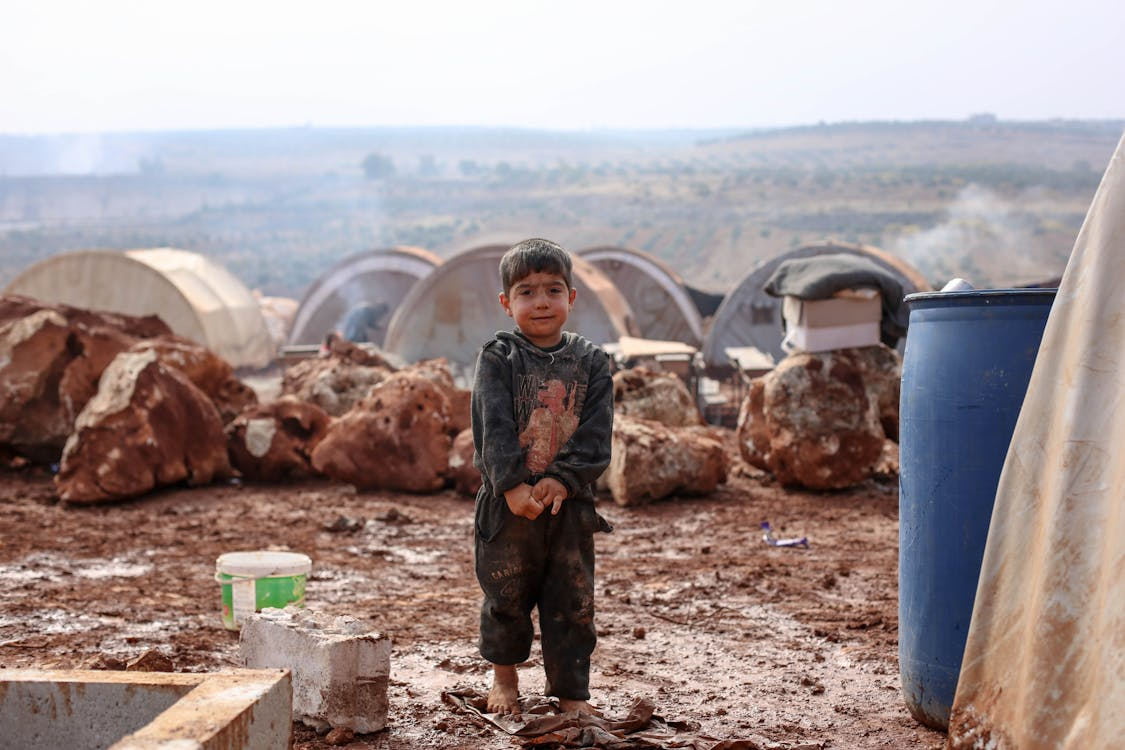
World Refugee Day 2026 falls on Saturday, June 20, 2026. The date is observed every year on June 20 to recognize the strength, resilience, and contributions of refugees around the world.
Many communities and organizations extend their activities beyond a single day. In 2026, Refugee Week runs from June 15 to June 21, creating additional opportunities for education, advocacy, volunteering, fundraising, and community engagement.
For workplaces, nonprofits, and community groups, the week-long observance often makes it easier to plan meaningful participation through a range of World Refugee Day activities and events.
What Is the World Refugee Day 2026 Theme?
This year's World Refugee Day theme is "Solidarity with Refugees."
UNHCR has connected the campaign to the 75th anniversary of the 1951 Refugee Convention, the landmark agreement that established the right to seek asylum and the principle that people should not be returned to places where their lives or freedoms are at risk. The campaign message captures that commitment clearly: "The right to seek safety was made for you and me. Until everyone is safe, we show up."
At the same time, Refugee Week 2026 adopts the theme "Courage," highlighting the resilience, determination, and everyday bravery of people rebuilding their lives after displacement.
Together, these themes encourage something more meaningful than awareness alone. They call for action, whether through volunteering, advocacy, donations, community support, or creating opportunities for refugees to thrive.
Why Does World Refugee Day Matter in 2026?
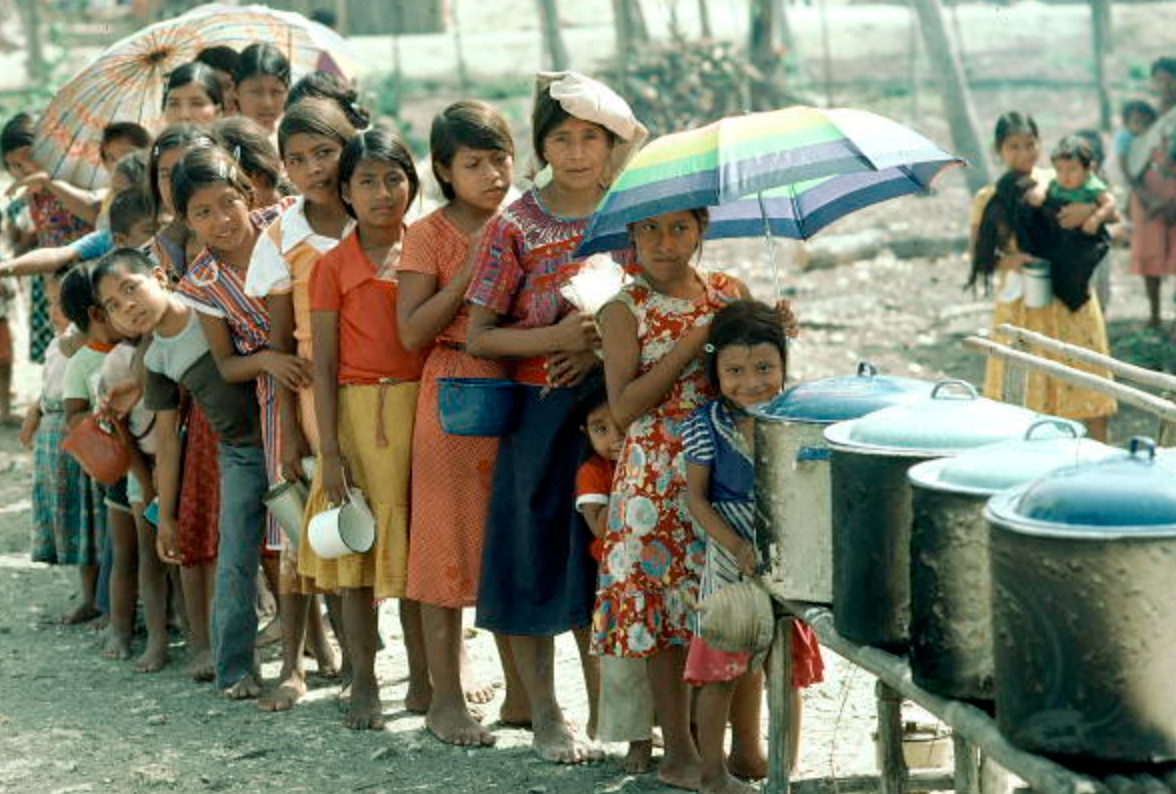
For most people, displacement is something that happens somewhere else. A headline, a news alert, or a statistic that is easy to scroll past. But for millions of refugees, displacement is not a moment. It is a daily reality that can last for years or even decades.
A child may spend much of their education in a refugee settlement. A parent may struggle to find stable work in a new country. Families often face barriers to housing, healthcare, education, and legal protection long after they have reached safety.
The scale of the challenge remains immense. By the end of 2024, 42.7 million people were formally recognized as refugees worldwide. Nearly 73% came from just five countries: Sudan, Syria, Afghanistan, Ukraine, and South Sudan. Many are being hosted by low- and middle-income countries that are already navigating significant economic and social pressures. 4.4 Million remain stateless, living without a recognized nationality and often without access to basic rights and services.
At the same time, new crises continue to drive displacement. The conflict in Sudan has forced more than 14.3 million people from their homes, while the war in Ukraine continues to impact millions of families across the region.
What makes World Refugee Day especially important in 2026 is the growing gap between rising humanitarian needs and the resources available to meet them. As funding pressures increase and refugee support systems face mounting strain, much of the day-to-day work of helping displaced people rebuild their lives falls to nonprofits, local organizations, host communities, and volunteers.
World Refugee Day serves as a reminder that solidarity is not only about raising awareness. It is about supporting the people and organizations creating opportunities for refugees to find safety, stability, belonging, and hope for the future.
What Are the World Refugee Day 2026 Events?
World Refugee Day 2026 events take place across more than 100 countries, organized by UNHCR, refugee-led organizations, nonprofits, governments, schools, and companies. Events range from large public gatherings to intimate community programs.
Global and National Events
- UNHCR flagship events take place in major cities worldwide and typically include cultural programming led by refugees themselves, storytelling sessions, film screenings, and advocacy moments. The UNHCR World Refugee Day page is updated with official event listings as June 20 approaches.
- USA for UNHCR's "More Than a Game" campaign for 2026 ties into the FIFA 2026 World Cup, spotlighting the Gamechanging Team, a symbolic lineup of global soccer players whose lives have been shaped by displacement and resilience. The campaign runs throughout the summer.
- Refugee Week events (June 15 to 21) are coordinated by refugee-led organizations in over 30 countries, with arts, film, food, and community programming designed to celebrate refugee culture and build connection between newcomers and host communities.
Company and Workplace Events
For organizations, World Refugee Day is one of the most meaningful hooks in the June calendar for structured employee engagement. The most impactful company events on this day tend to share one quality: they involve direct connection with refugee communities rather than passive programming about them.
Formats that work well for corporate teams:
- Skills-based volunteering sessions pairing employees with refugee-led nonprofits that need marketing, legal, financial, or tech support
- Career coaching and mock interview events for refugees navigating job applications in a new country
- Storytelling and cultural exchange sessions featuring refugee speakers who share their experiences directly with employee audiences
- Care kit assembly drives collecting essential supplies for refugee resettlement organizations
- Fundraising campaigns with employee matching for refugee support nonprofits
Some Meaningful World Refugee Day Activities for Companies
The most effective company initiatives create tangible value for refugees and the organizations that support them. Whether through professional expertise, fundraising, or community-building, the goal is to contribute something useful, not simply acknowledge the day.
1. Skills-Based Volunteering With Refugee-Serving Nonprofits
Few contributions are more valuable than professional expertise. Refugee-serving nonprofits often operate with limited resources and can benefit significantly from support in areas such as legal services, marketing, technology, finance, data analysis, and operations.
A legal team might assist organizations supporting asylum seekers. A marketing team could develop communications materials for a resettlement nonprofit. Data professionals can help organizations measure and report impact more effectively. These projects strengthen nonprofit capacity long after the volunteer activity ends.
ALSO READ:

2. Career Coaching and Employment Support
Finding employment is one of the biggest challenges many refugees face after resettlement. Professional qualifications may not transfer easily across borders, networks are often limited, and hiring processes can be unfamiliar.
Employee volunteers can help by conducting mock interviews, reviewing resumes, sharing industry insights, and offering mentorship. Small interventions can make a meaningful difference in helping refugees navigate the job market and build long-term economic stability.
3. Refugee-Led Cultural Exchange Programs
Some of the most impactful World Refugee Day activities focus on listening and learning.
Cooking demonstrations, storytelling sessions, art workshops, and cultural exchanges led by refugee community members create opportunities for genuine connection. These experiences help teams better understand refugee experiences while celebrating the skills, perspectives, and contributions refugees bring to their communities.
Importantly, they position refugees as experts and educators, rather than simply beneficiaries of support.
4. Care Essentials Assembly Drives
For organizations looking for a hands-on group activity, care kit assembly drives remain a practical option. Teams can assemble hygiene kits, household essentials, school supplies, or welcome packages for newly arrived refugee families.
These activities are easy to organize, accessible to employees across functions, and provide immediate support to organizations working directly with refugees.
5. Donation Matching and Fundraising Campaigns
Corporate matching campaigns can significantly increase the impact of employee giving. Rather than running an open-ended fundraiser, many organizations tie their efforts to June 20 and set a clear goal, timeline, and beneficiary organization.
Sharing stories from nonprofit partners and providing visibility into the campaign's progress can help drive participation while raising awareness about the ongoing needs of refugee communities.
How to Volunteer for Refugees Year-Round
World Refugee Day is a moment of concentrated attention. But the needs of displaced people don't follow a calendar. Here's how to move from a single June activity to sustained engagement.
Organizations that Support Refugees
If you're looking to take action beyond World Refugee Day, these organizations offer some of the most impactful ways to support refugees. Some operate globally, responding to humanitarian crises and displacement at scale. Others focus on helping refugee families build stable, independent lives after arriving in the United States.
1. UNHCR
UNHCR is the world's leading refugee agency and the primary organization responsible for protecting and assisting displaced people globally. Its work spans emergency shelter, legal protection, healthcare, education, cash assistance, and long-term resettlement support.
Today, UNHCR works in more than 130 countries and territories, supporting over 120 million forcibly displaced and stateless people worldwide. From responding to conflicts in Sudan and Ukraine to supporting refugee children with access to education, the agency often serves as the backbone of international refugee response efforts.
Supporters can contribute through fundraising campaigns, advocacy, awareness-building initiatives, and professional expertise that strengthens nonprofit and humanitarian operations.
Impact highlights:
- Supports displaced populations across 130+ countries
- Helps protect and assist more than 120 million displaced and stateless people
- Coordinates large-scale responses to many of the world's biggest refugee crises
Best for: Global humanitarian impact and refugee protection.
2. International Rescue Committee
The International Rescue Committee (IRC) works in more than 40 countries and dozens of U.S. cities, helping people affected by conflict, disaster, and displacement survive, recover, and rebuild.
In the United States, IRC is one of the largest refugee resettlement organizations. Its teams help newly arrived refugees secure housing, find employment, access healthcare, enroll children in school, and navigate life in a new country. Volunteers often support these efforts through mentoring, tutoring, career coaching, transportation assistance, and job-readiness programs.
In recent years, IRC programs have reached tens of millions of people annually through humanitarian aid, economic recovery initiatives, health services, and education programs.
Impact highlights:
- Operates in 40+ countries and numerous U.S. communities
- Supports millions of refugees and displaced people each year
- Provides employment, education, healthcare, and integration services for newly arrived refugee families
Best for: Direct refugee support in both the U.S. and international settings.
3. HIAS
For more than a century, HIAS has helped refugees and asylum seekers find safety and rebuild their lives. While originally founded to support Jewish refugees, the organization now serves displaced people of all backgrounds, faiths, and nationalities.
HIAS operates across the United States, Latin America, Europe, Africa, and the Middle East. Its work includes legal protection, asylum assistance, employment programs, gender-based violence prevention, mental health support, and economic inclusion initiatives.
Volunteer opportunities often include mentorship, employment coaching, legal assistance support, language practice, and community sponsorship programs that help refugee families integrate into local communities.
Impact highlights:
- More than 140 years of refugee support and advocacy
- Programs operating across multiple continents
- Supports refugees through legal aid, employment services, protection programs, and community integration
Best for: Refugee rights, asylum support, and long-term integration.
5. RefugeeOne
RefugeeOne demonstrates how local organizations can create life-changing outcomes for refugee families. Based in Chicago, it serves thousands of refugees, asylum seekers, and immigrants each year through comprehensive support programs.
Its services begin before arrival and continue through employment placement, youth services, English language learning, mental health support, financial literacy, and citizenship preparation. Volunteers play a critical role by tutoring students, mentoring adults, supporting job searches, and helping families navigate daily life in a new country.
Because its work is deeply community-based, volunteers often have the opportunity to see the direct impact of their support.
Impact highlights:
- Serves thousands of refugees and immigrants annually
- Provides employment, education, wellness, and citizenship services
- Offers hands-on volunteer opportunities with families and individuals
Best for: High-touch, community-centered volunteering in the United States.
6. International Institute
The International Institute network has helped refugees and immigrants establish new lives in the United States for more than a century. Through affiliated organizations in cities across the country, the network provides resettlement services, workforce development, legal assistance, language education, and cultural integration programs.
Many institutes work directly with newly arrived refugee families during their first months in the country, helping them secure housing, employment, transportation, education, and healthcare access. Volunteers frequently assist with English tutoring, job readiness coaching, cultural orientation, youth mentoring, and family support.
Because services are locally delivered, volunteers often build meaningful relationships within their own communities while contributing to refugee integration efforts.
Impact highlights:
- More than 100 years of supporting newcomers in the United States
- Thousands of refugees and immigrants served annually across affiliated locations
- Strong focus on economic mobility, education, and long-term self-sufficiency
Best for: Local volunteer opportunities and refugee integration support across the U.S.
What Sustained Volunteering Looks Like
World Refugee Day is an important moment for reflection, education, and solidarity. But the challenges refugees face do not begin on June 20, and they do not end on June 21.
The most meaningful support happens when awareness turns into ongoing action. That could mean volunteering regularly, supporting refugee-serving nonprofits, creating employment pathways, advocating for inclusive policies, or building programs that help refugees access the resources and opportunities they need to thrive.
For companies, World Refugee Day can serve as a starting point rather than a standalone event. The strongest initiatives combine education, volunteering, fundraising, and long-term partnerships throughout the year, creating deeper value for both employees and communities.
Ultimately, the purpose of World Refugee Day is not simply to recognize displacement. It is to recognize resilience, reaffirm our shared responsibility, and take practical steps toward helping displaced people rebuild their lives with dignity, stability, and hope.
Frequently Asked Questions
1. When is World Refugee Day 2026?
World Refugee Day 2026 is on Saturday, June 20, 2026. It is observed every year on June 20, a date established by the United Nations General Assembly in December 2000. The first official observance was June 20, 2001, marking the 50th anniversary of the 1951 Refugee Convention.
2. What is the World Refugee Day 2026 theme?
The World Refugee Day 2026 theme is "Solidarity with Refugees," led by UNHCR in the context of the 75th anniversary of the 1951 Refugee Convention. The campaign message is: "The right to seek safety was made for you and me. Until everyone is safe, we show up." Refugee Week 2026 (June 15 to 21) carries the complementary theme of "Courage."
3. What is the history behind World Refugee Day?
World Refugee Day was officially designated by the UN General Assembly in December 2000. The date of June 20 was chosen to mark the 50th anniversary of the 1951 Refugee Convention, which remains the cornerstone of international refugee law. The Convention, ratified by 149 countries, defines who qualifies as a refugee and establishes fundamental rights including the right to work, access education, and seek protection from return to a country where they face persecution.
4. How many refugees are there in the world in 2026?
According to UNHCR's Global Trends Report 2024, 123.2 million people were forcibly displaced at the end of 2024, including 42.7 million formal refugees. By mid-2025, that figure had fallen slightly to 117.3 million, reflecting a significant increase in voluntary returns, though many returns occurred under fragile conditions. One in every 67 people on Earth has been forced to flee their home.
5. What are good World Refugee Day activities for corporate teams?
The most impactful World Refugee Day activities for corporate teams involve direct connection rather than passive awareness. Skills-based volunteering with refugee-serving nonprofits (legal aid, career coaching, marketing and comms support), care kit assembly drives, cultural exchange programs led by refugee community members, and time-bounded employee giving campaigns with corporate matching are all consistently high-engagement formats. Goodera's volunteer platform offers curated, managed options for teams of any size.
6. What is the difference between a refugee, an asylum seeker, and an internally displaced person?
A refugee is someone who has been formally recognized as having fled their home country due to persecution, conflict, or violence and has been granted international protection. An asylum seeker is someone who has applied for refugee status and is waiting for a decision, with 8.4 million people in this category globally as of end-2024. An internally displaced person (IDP) is someone who has been forced to flee their home but remains within the borders of their own country, accounting for 73.5 million of the 123.2 million forcibly displaced people globally at the end of 2024.
7. What's the difference between World Refugee Day and Refugee Week, and can our company engage with both?
World Refugee Day is the single UN-designated date, June 20, 2026, while Refugee Week runs June 15-21 with its own theme, 'Courage.' Refugee Week hosts community-led events in 30+ countries, giving teams a longer window for programming. Companies can anchor a signature moment on June 20 and layer smaller activities — panels, giving campaigns, volunteer shifts — across the surrounding week.
8. Which refugee-serving nonprofits are worth partnering with for a corporate campaign?
UNHCR and its US arm, USA for UNHCR, coordinate global response and run high-profile campaigns like 'More Than a Game' tied to FIFA 2026. The International Rescue Committee (IRC) and HIAS handle resettlement, legal aid, and integration in host countries. For localized impact, pair a global donation with a smaller community-based nonprofit that offers hands-on volunteer roles for employees.
9. How can employee resource groups lead a meaningful observance without overburdening one team?
Share the load across ERGs — a DEI or immigrant-heritage group can host a lunch-and-learn with a refugee speaker, while a volunteering ERG organizes a care-kit build. Give each group a clear scope, a small budget, and communications support from HR or CSR. Rotate lead roles annually so no single ERG carries the full observance year after year.
10. How do we turn a one-day observance into year-round support for refugees?
Anchor June 20 as a visibility moment, then commit to two or three ongoing touchpoints — quarterly skills-based volunteering with a refugee nonprofit, an always-on payroll giving option with corporate matching, and a hiring pathway for refugee talent. Long-term partnerships with resettlement organizations create measurable outcomes for families and give employees repeatable ways to contribute.





.webp)