Top 10 Environmental Nonprofits to Support This Earth Day 2026

Environmental nonprofits are dedicated to safeguarding the planet by addressing issues such as climate change, pollution, and ecosystem degradation. These organizations transform increasing ecological awareness into action by rallying support, securing funding, and providing expertise in critical areas. As melting ice caps and rising CO₂ levels place increasing pressure on ecosystems, environmental charities have stepped up with focused, cause-driven projects across regions.
Can one environmental nonprofit really make a difference? Yes. Even locally operating organizations often create broader impact through partnerships and collective initiatives. This underscores the importance of supporting environmental nonprofits, as it can turn Earth Day into long-term environmental action.
Did you know? According to global climate research, human activity has already altered over 75% of Earth’s land surface, increasing the need for active support of environmental nonprofits. By contributing to these causes, individuals and businesses can move beyond symbolic participation and help achieve sustained, measurable environmental progress.
Why Supporting Environmental Nonprofits on Earth Day 2026 Is More Important Than Ever
Every year, thousands of environmental nonprofits come together to address urgent challenges such as ocean contamination, air pollution, and deforestation. As these issues intensify, the role of environmental nonprofit organizations has become critical in preventing long-term damage to ecosystems and communities.
Did you know? Global environmental risks now rank among the top five long-term threats to human well-being, driving increased reliance on environmental charities for on-ground action and restoration efforts.
Earth Day 2026 offers a timely opportunity to move from awareness to action. While donations remain one of the most accessible ways to contribute, Earth Day charities also enable hands-on participation through volunteering, advocacy, and community-led initiatives. For businesses, partnering with environmental nonprofits supports sustainability goals while creating meaningful engagement opportunities for employees.
Identifying the proper organization can be challenging, especially with limited time and information. This is why curated lists of trusted environmental charities play an essential role, helping individuals and companies support causes that align with their values, not just on Earth Day, but throughout the year.
How to Choose the Best Environmental Nonprofits to Support
Choosing the right environmental nonprofits starts with understanding how an organization creates impact. With thousands of such nonprofit organizations working across different causes, clarity helps ensure your support leads to meaningful outcomes.
What Should You Look for in Environmental Charities?
- Transparency: Clear reporting on programs and use of funds
- Impact focus: Defined environmental problems and practical solutions
- Volunteer readiness: Opportunities to engage beyond donations
- Measurable outcomes: Evidence of real, on-ground results
Did you know? Studies show that nonprofits with clearly defined impact metrics are more likely to sustain long-term environmental programs. Impact tracking enables optimization, with examples showing higher retention (e.g., 60%+ in mentorship programs) and long-term community changes.
Are All Environmental Nonprofit Organizations the Same?
Not all environmental charities work the same way. Some focus on direct action, while others drive change through education, research, or community partnerships. While donations matter, many Earth Day charities also rely on skills, time, and collaboration to scale their impact.
Understanding these differences makes it easier to identify the best environmental nonprofits that align with your values and how you want to contribute.
Top 10 Environmental Nonprofits to Support This Earth Day
Thousands of environmental nonprofits work year-round to tackle urgent issues such as pollution, deforestation, climate change, and ocean degradation. For Earth Day 2026, choosing the right environmental nonprofit organizations can help turn awareness into tangible environmental action.
These environmental charities offer practical ways for individuals and businesses to support environmental progress beyond a single day.
1. Pick Up China
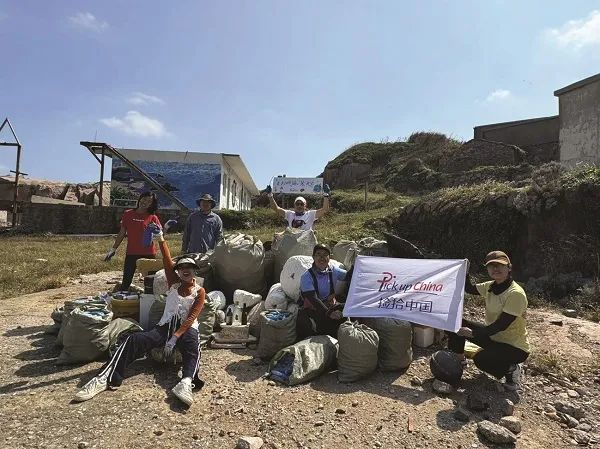
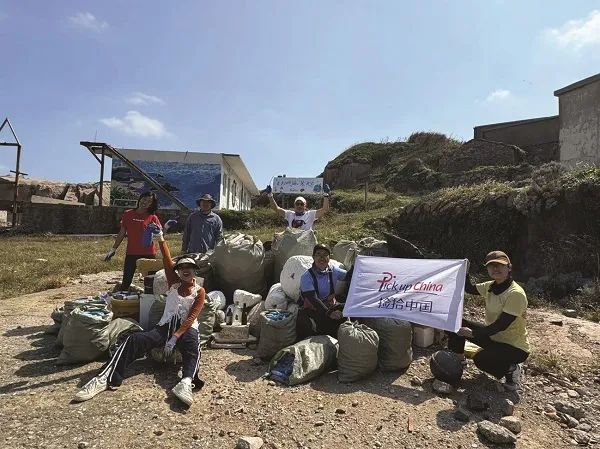
Pick Up China was established in 2014 with a clear mission to promote environmental awareness and encourage individuals to participate in nationwide waste collection activities. The Shanghai Pudong Life Environment Center serves as its operational hub, coordinating large-scale campaigns that emphasize sustainable practices and public involvement in preserving natural spaces.
By 2021, Pick Up China had successfully rallied approximately 760,000 volunteers for World Cleanup Day events, demonstrating its growing influence in fostering collective responsibility for environmental health. More recently, during the 2024 World Cleanup Day, the organization engaged over 260,000 participants who collectively removed 1,253 tons of waste from various regions, highlighting its impact on pollution reduction.
Volunteers from Pick Up China in Shanghai showed remarkable resilience by braving Typhoon Taba to collect one ton of waste. Their actions prove that consistent, hands-on involvement by dedicated groups can lead to significant environmental improvements, even under challenging conditions. These initiatives not only clean up immediate areas but also inspire broader behavioral changes toward sustainability.
2. Way For Life

Way For Life is a non-profit founded in 2017 that works in bustling cities like Bengaluru, Delhi, and Mumbai. Our mission is to tackle socio-economic and environmental issues through fun and impactful initiatives, such as reforestation, upcycling workshops, and community development projects. We’re passionate about empowering marginalized communities through education, health, hygiene, and sustainability, driven by an enthusiastic group of youth volunteers dedicated to making a difference at the grassroots level.
Way For Life has organized over 200 events and recurring activities, directly impacting more than 6,000 people while touching multiple UN Sustainable Development Goals. Their projects stand out among Earth Day charities for promoting hands-on carbon footprint reduction, including upcycling drives that transform waste into valuable resources.
In collaboration with platforms like Goodera, Way For Life facilitates corporate volunteering programs that engage employees in upcycling and tree-planting activities, fostering measurable environmental change and employee awareness. These partnerships amplify their reach, turning corporate social responsibility into tangible action for cleaner cities and ecosystems.
3. Clean Up UK
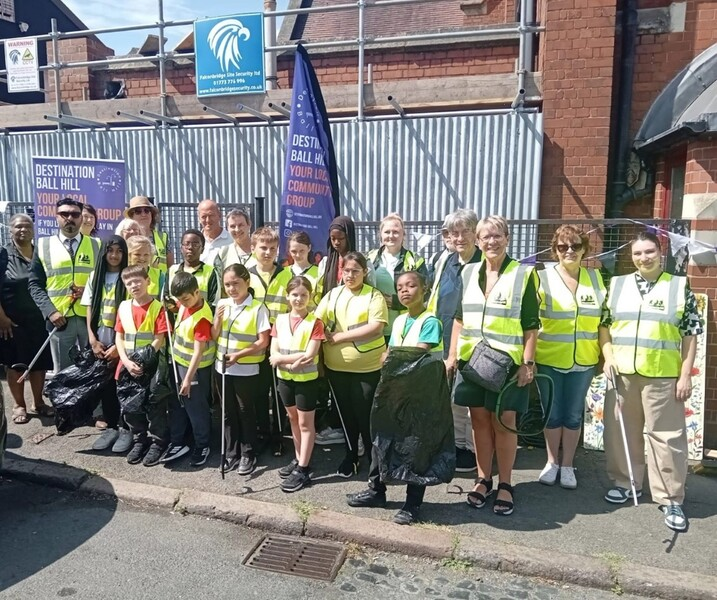
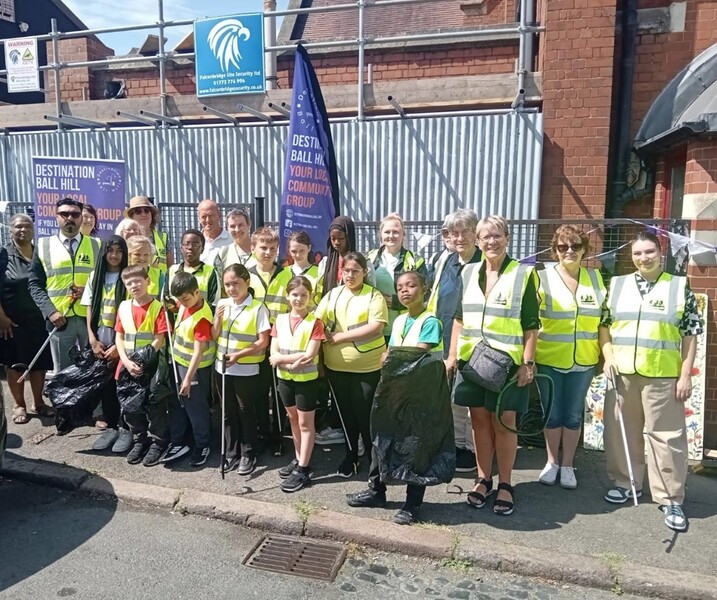
Clean Up UK was established in 2007 by George Monck to fill the gaps in local litter management that often go beyond the reach of standard council services. The organization brings together individuals from both urban and rural communities for active cleanup efforts. It also supports independent litter-picking groups across the country, focusing on empowering communities to cultivate safer, litter-free public spaces.
Clean Up UK has engaged thousands of volunteers and beneficiaries in its mission, with initiatives like the Big Barratt Cleanup demonstrating widespread participation in removing waste from streets and neighborhoods.
Recent efforts include high-profile corporate collaborations, such as the 2025 Barratt Redrow Cleanup, where volunteers tackled litter in cities like London and Leicester, highlighting Clean Up UK's role in scalable, community-driven environmental action. These programs not only remove waste but also build lasting habits for waste reduction and urban sustainability.
4. Let’s Do It World (LDIW)

Let’s Do It World originated from Estonia's 2008 Teeme ära! cleanup, which inspired nationwide actions and evolved into a cross-border NGO in 2019 with operations in over 160 countries. Accredited by UNEP and UNEA, LDIW focuses on ending the waste crisis through volunteer mobilization, awareness-raising, and sustainable waste management strategies, such as circular economy models.
LDIW's World Cleanup Day has united massive volunteer efforts, including 14.9 million participants across 191 countries in one recent year, contributing to over 91 million total engagements worldwide. The initiative, now a UN International Day since 2024, emphasizes cooperation, positivity, and systemic change beyond one-off cleanups.
Active in nearly every country, LDIW partners with governments, corporations, and communities for events like Digital Cleanup Day, driving long-term behavioral shifts toward a waste-free planet. Note that the primary site is worldcleanupday.org, with donate pages supporting their global network.
5. Neighbourhood Forest

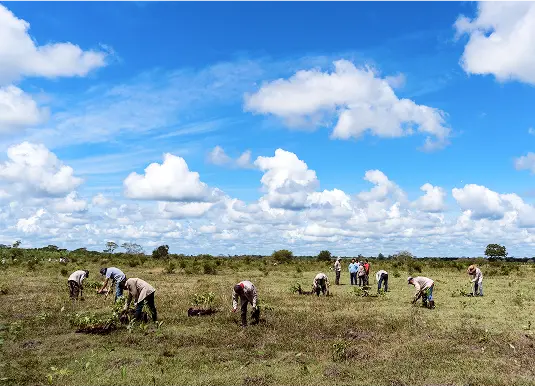
Inspired by transformative college experiences in the early 1990s, Neighbourhood Forest was founded by Vikas Narula with the vision of empowering children to connect with nature. The organization is dedicated to ensuring that every child has the opportunity to plant and nurture their own tree. Today, it operates across all 50 US states and parts of Canada, partnering with over 3,500 schools, libraries, and youth groups to distribute free trees and provide educational experiences that foster lifelong eco-consciousness.
Since its inception, Neighbourhood Forest has mobilized over 500,000 volunteers and enabled nearly 200,000 children to plant trees, with an ambitious goal of reaching 1 million kids in the coming years. Recognized as a leading tree-planting charity, its programs focus on community greening and include innovative partnerships, such as collaborations with zoos slated for 2025.
Earth Month in April is the peak activity period for Neighbourhood Forest, with heightened tree distribution and events aligned with global movements supporting youth-led environmental action, making this an ideal time to get involved or donate.
6. Plant for the Planet, Spain
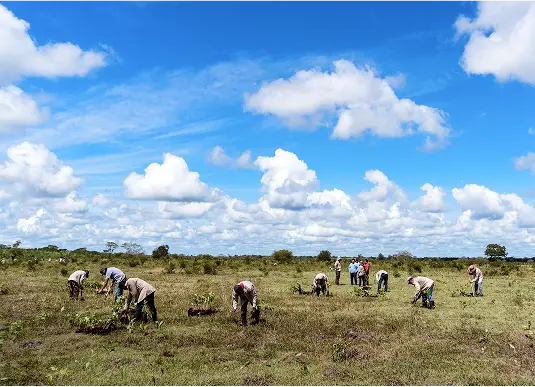
In 2007, nine-year-old Felix Finkbeiner launched Plant-for-the-Planet in Germany after completing a school project on climate change. Since then, it has grown into an international network, with a branch established in Spain in 2013. The Spain Foundation aims to train Climate Justice Ambassadors among young people, collaborate with companies and institutions on reforestation efforts, and promote projects in Andalusia and beyond.
Plant-for-the-Planet has funded over 90 million trees globally through its Forest Cloud software, which supports the monitoring and management of restoration efforts in regions such as Spain, Mexico, and Ghana. In Spain, they've planted over 652,000 autochthonous trees since 2021, aiming to reach 1 million by 2030, empowering thousands of young people through academies and labs.
Beyond planting, Plant-for-the-Planet provides free software, funding, and advice to communities worldwide, emphasizing effective, scalable restoration to combat the climate crisis while building youth leadership for long-term change. Their work positions them as a highly effective environmental charity, particularly for youth-driven sustainability.
7. Earth Share, Georgia
EarthShare Georgia was founded in 1992 by its nonprofit partners as the Environmental Fund for Georgia to streamline representation in workplace-giving campaigns. It was officially affiliated with the national EarthShare network in 2001. This partnership expanded its reach to represent over 500 environmental groups working on local, national, and international levels, while focusing on Georgia-based initiatives for air, land, and water protection.
Over the past 30 years, EarthShare Georgia has raised more than $6.5 million to support over 70 nonprofit partners, facilitating corporate Earth Day events, volunteer programs, and educational efforts that enhance biodiversity and quality of life. Its model empowers employee giving to trusted organizations, such as the Georgia Wildlife Federation, turning collective donations into tangible conservation outcomes.
As part of the broader EarthShare network, which has raised over $350 million for environmental causes, EarthShare Georgia stands out for its Earth Day collaborations, uniting businesses and nonprofits for scalable giving that addresses urgent issues such as clean water and habitat preservation.
8. Big Blue Ocean Clean-up, UK
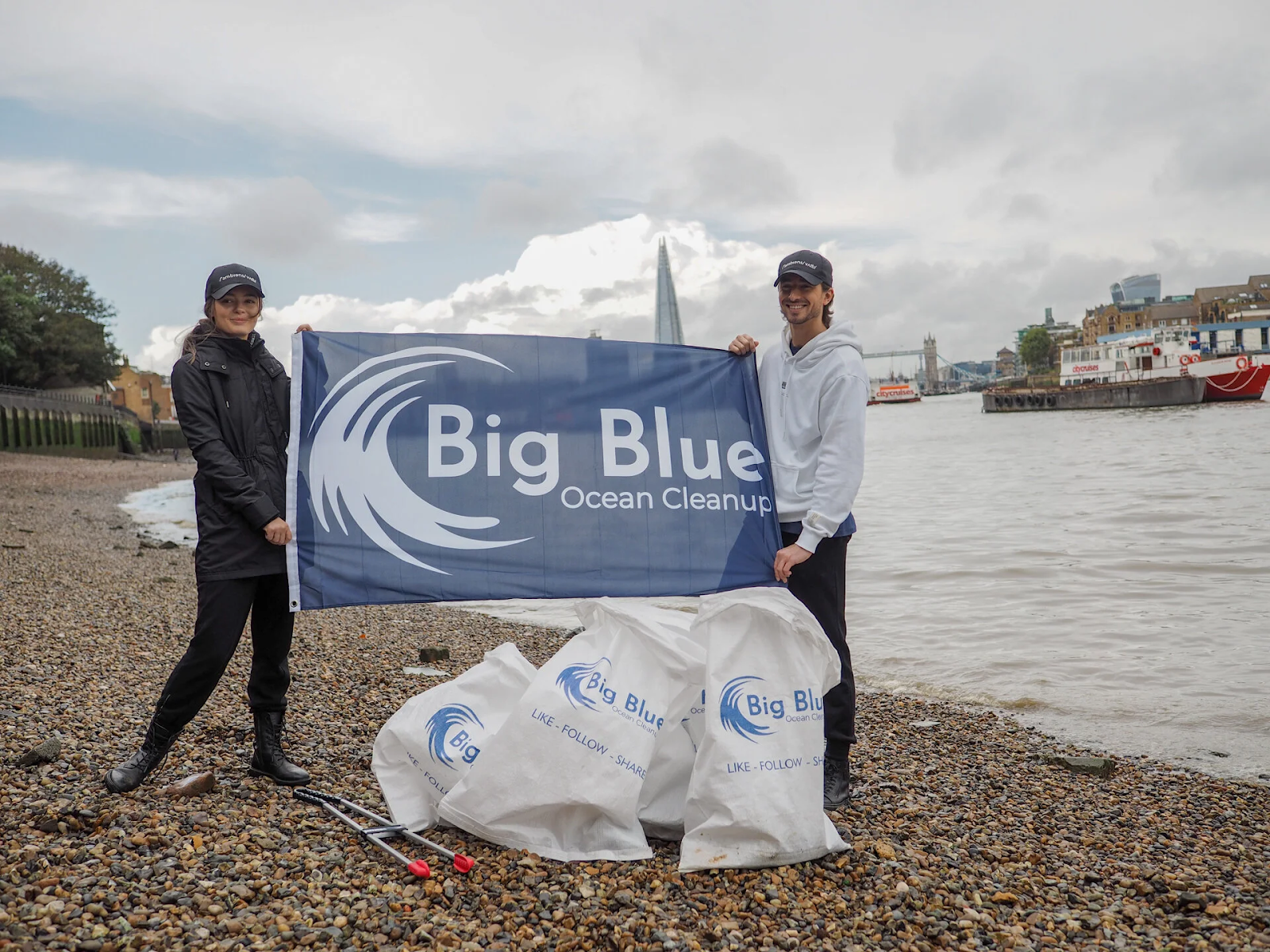
Big Blue Ocean Cleanup was established in 2018 by Rory Sinclair as a Community Interest Company (CIC) based in London, with a global presence dedicated to tackling pollution, protecting wildlife, and facilitating beach cleanups. The organization works quietly, emphasizing grassroots efforts without hype or excessive publicity. It empowers individuals, schools, and communities by providing cleanup gear, educational resources, and practical guidance, promoting ongoing local initiatives aimed at nurturing healthier marine ecosystems around the world.
The organization runs beach cleanup events involving volunteers from companies, students, and residents, alongside projects such as the "Ocean Savior" initiative for innovative cleanup tech and partnerships for microplastic data collection. It also delivers free school sessions to reconnect children with the ocean, emphasizing straightforward steps for protection rather than fear-based messaging.
In 2025, Big Blue Ocean Cleanup supported numerous community cleanups, removing thousands of kilograms of plastic, and partnered with businesses like BST Detectable Products on sustainability efforts, positioning itself as a vital player in Earth Day donations to marine causes.
9. Fostering Education and Environment for Development (FEED), Philippines

FEED, registered as a non-stock, non-profit with the Philippine SEC (CN201119068), was established to promote sustainable livelihoods through environmental stewardship, focusing on Ridge to Reef social forestry programs that span marine and terrestrial ecosystems. Based in Makati City, it fosters community development, livelihood initiatives, and research in agriculture, forestry, fisheries, and climate resilience, while offering scholarships in environmental sciences to underprivileged students.
FEED's Ridge to Reef efforts include extensive tree-planting in critical areas like the Sierra Madre, with recent corporate partnerships planting thousands of indigenous species, such as 636 trees by Glass Lewis in January 2026 and over 5,000 by Nat Re, to combat deforestation and build climate resilience. These initiatives empower local communities with skills training, carbon sequestration projects, and food forests, positioning FEED as a vital player in holistic environmental restoration.
As one of the standout environmental charities for 2025 donations, FEED's scalable reforestation and education model creates lasting planetary benefits, from protecting watersheds to enhancing food security and youth leadership in sustainability.
10. Carbon Ethics, Indonesia
Founded in May 2019 as a not-for-profit with a social enterprise arm, Carbon Ethics focuses on high-quality, tech-enabled nature-based climate solutions, starting with blue carbon ecosystems like mangroves, seagrass, and corals to restore climate balance, boost biodiversity, and improve local livelihoods. Headquartered in Jakarta Selatan, it partners with communities, businesses, and institutions such as Transjakarta and the World Resources Institute to deliver measurable decarbonization outcomes.
By 2021, Carbon Ethics had planted over 68,000 mangrove trees and 4,000 baby corals, and by 2023 had absorbed 12,500 tons of CO2 through projects in Maluku and Java, with ongoing efforts in carbon offsetting, consultancy, and policy advocacy. The group recently secured $2.1 million in seed funding to expand its projects and target international carbon markets such as Singapore and Tokyo.
Carbon Ethics provides emission calculations, tree-planting campaigns, and research-driven initiatives that reached 284 coastal beneficiaries and preserved 20+ species, making it a strong choice for Earth Day support in sustainable marine conservation.
How Businesses Can Support Environmental Nonprofits Beyond Donations
Supporting environmental nonprofits goes beyond financial contributions and allows businesses to play a more active role in environmental progress.
- Enable employee volunteering with environmental nonprofit organizations working on local issues.
- Partner with environmental charities for long-term sustainability initiatives
- Offer skills, expertise, or technology support to scale nonprofit impact
- Align company values with trusted Earth Day charities for purpose-driven engagement
Did you know? Programs drive stronger ties to ESG goals, with 70% of employees preferring companies that prioritize societal impact, such as volunteering, according to surveys from Points of Light and Deloitte.
By engaging in these ways, businesses can support environmental nonprofits consistently and create impact that lasts well beyond Earth Day.
Make an Impact This Earth Day
This year, take meaningful action by partnering with environmental nonprofits that align with your values. Whether through donations, corporate volunteering, or direct engagement, these eco charities are making a significant impact.
Need help planning your Earth Day or World Environment Day campaign? Talk to an expert from Goodera and explore how you can support top-rated environmental charities in 2026.
Frequently Asked Questions
1. Why should I support environmental nonprofits on Earth Day 2026?
Earth Day 2026 is an opportunity to move beyond awareness and support organizations creating measurable environmental impact. Environmental nonprofits address urgent issues such as climate change, pollution, biodiversity loss, and ecosystem restoration through sustained, on-the-ground action that continues long after Earth Day.
2. How do environmental nonprofits create long-term impact?
Environmental nonprofits combine community engagement, scientific research, policy advocacy, and hands-on restoration efforts. Many work through partnerships with local communities, governments, and businesses to scale solutions, track outcomes, and ensure long-term environmental and social benefits.
3. Are donations the only way to support environmental charities?
No. While donations are essential, many environmental nonprofits also offer volunteering, skills-based support, advocacy opportunities, and corporate partnerships. These options allow individuals and businesses to contribute time, expertise, and resources for more profound, more sustained impact.
4. How can businesses meaningfully support environmental nonprofits?
Businesses can support environmental nonprofits by enabling employee volunteering, sponsoring Earth Day initiatives, offering pro bono skills or technology, and forming long-term sustainability partnerships. These approaches help align environmental action with ESG goals and employee engagement strategies.
5. What should I look for when choosing an environmental nonprofit to support?
Look for transparency in reporting, clearly defined environmental goals, measurable outcomes, and opportunities for engagement beyond donations. Organizations with strong partnerships and impact tracking are more likely to deliver lasting ecological results.
6. Do small or local environmental nonprofits make a real difference?
Yes. Local environmental nonprofits often create substantial grassroots impact and influence broader change through collaboration and collective initiatives. Their work frequently addresses regional challenges while advancing global environmental goals.
7. How does volunteering with environmental nonprofits benefit employees?
Volunteering helps employees develop teamwork, leadership, and problem-solving skills while fostering a sense of purpose-driven engagement. Studies show that participation in environmental volunteering improves morale, strengthens company culture, and increases long-term employee retention.
8. Can environmental nonprofits help companies meet sustainability and ESG goals?
Absolutely. Environmental nonprofits support companies by offering structured programs that contribute to carbon reduction, biodiversity protection, community resilience, and climate action. These initiatives provide credible, trackable outcomes that align with ESG and sustainability reporting requirements.
9. Is Earth Day the best time to engage with environmental charities?
Earth Day is an excellent starting point, but meaningful impact comes from year-round engagement. Many nonprofits use Earth Day as a catalyst for longer-term programs, making it an ideal moment to begin sustained partnerships.
10. How can I get started with an Earth Day volunteering program?
You can start by identifying environmental nonprofits aligned with your values and exploring their volunteering or partnership options. Platforms like Goodera help organizations design, manage, and scale Earth Day and environmental volunteering programs efficiently.


.webp)