Volunteer Opportunities for People With Disabilities

Imagine navigating a world that wasn't designed with you in mind.
A doorway is too narrow for your wheelchair. A website doesn't work with your screen reader. A job interview focuses on limitations instead of skills. A social event becomes another reminder of how easily people can be excluded.
For millions of people with disabilities, these barriers are part of everyday life.
According to the World Health Organization, more than 1.3 billion people worldwide, roughly 16% of the global population, live with a significant disability. Yet disability inclusion remains one of the most overlooked areas of community engagement. People with disabilities continue to face higher rates of unemployment, lower educational attainment, reduced access to healthcare, and greater social isolation than the general population.
The challenge is not a lack of talent, ambition, or potential. More often, it is a lack of access, opportunity, and support.
That is where volunteering can make a real difference.
From mentoring and career coaching to adaptive sports, digital accessibility projects, and educational support, there are countless volunteer opportunities for people with disabilities that help remove barriers and create pathways to greater independence and inclusion. Many of these opportunities do not require specialized expertise. They simply require time, consistency, and a willingness to listen and learn.
Whether you want to volunteer for people with disabilities through a local nonprofit, support inclusive community programs, or explore volunteer opportunities for people with developmental disabilities, your contribution can help create a more accessible and equitable world.
Why Do People With Disabilities Need More Community Support?
People with disabilities contribute to every community, workplace, and industry. Yet many continue to encounter barriers that limit access to opportunities most people take for granted.
Globally, disability remains closely linked to economic and social inequality.
1. Employment Barriers Remain Significant
One of the largest challenges facing people with disabilities is access to employment.
According to a 2025 report cited by the World Economic Forum, only about 3 in 10 people with disabilities are active in the labor market. This highlights a persistent participation gap compared to people without disabilities and underscores the barriers that continue to limit economic opportunities.
Even when qualified, many candidates encounter inaccessible hiring processes, limited workplace accommodations, or assumptions about their capabilities. These obstacles can make it difficult to secure employment, advance professionally, and achieve long-term financial stability.
The result is not just lost income for individuals. It is also a loss of talent, innovation, and perspective for employers and communities.
This is one reason many volunteer opportunities for people with disabilities focus on career readiness, job coaching, mentoring, and professional development. Helping someone prepare for interviews, build a resume, develop workplace skills, or expand their professional network can create a meaningful pathway toward greater economic independence.
2. Social Isolation Is More Common Than Many People Realize
Disability can also increase the risk of social isolation.
Transportation challenges, inaccessible community spaces, communication barriers, and limited inclusive programming can make it harder for people with disabilities to participate fully in social and community life.
For many disability-focused organizations, volunteers play a critical role in creating connections. Whether through friendship programs, recreational activities, mentoring relationships, or community events, volunteers help build the social networks that contribute to wellbeing and belonging.
3. Education and Skill Development Opportunities Are Uneven
Children and adults with disabilities often face barriers to education, training, and lifelong learning opportunities.
Some need additional academic support. Others benefit from technology training, workplace readiness programs, financial literacy education, or access to mentors who can help them navigate new opportunities.
Volunteers frequently fill these gaps by serving as tutors, coaches, instructors, and role models.
4. Accessibility Requires More Than Physical Infrastructure
When people think about accessibility, they often think about ramps and elevators.
But accessibility also includes websites, digital tools, communication materials, workplace systems, transportation networks, and community programs.
As organizations increasingly move services online, volunteers with technology, design, communications, and accessibility expertise can help ensure that programs are usable by everyone.
Learning how to help people with disabilities often starts with understanding that inclusion is not about fixing people. It is about removing barriers that prevent people from fully participating in society.
How Can You Help People With Disabilities Through Volunteering?
The best volunteer opportunities focus on inclusion, empowerment, and removing barriers rather than simply providing assistance.
1. Mentorship and Friendship Programs
Social isolation remains a significant challenge for many people with disabilities. Limited access to transportation, inaccessible community spaces, and societal barriers can make it harder to build meaningful personal and professional relationships.
Mentorship and friendship programs help address this challenge by creating opportunities for connection, guidance, and support. Rather than focusing on assistance alone, these programs emphasize relationship-building and empowerment.
Volunteers may:
- Meet regularly with participants
- Offer peer support and encouragement
- Help build social and communication skills
- Assist with personal or professional goal setting
- Provide accountability and motivation
- Introduce participants to new community resources and networks
The impact often extends beyond the individual relationship. Participants frequently report increased confidence, stronger social connections, and a greater sense of belonging. For volunteers, these programs provide valuable opportunities to develop empathy, communication skills, and a deeper understanding of disability inclusion.
For companies, mentoring programs are among the easiest ways to engage employees in meaningful disability inclusion efforts while creating long-term community impact.
2. Life-Skills Coaching and Employment Support
Employment support is one of the most impactful forms of volunteer work for people with disabilities because it addresses a critical barrier to economic independence.
Many qualified individuals face obstacles throughout the hiring process, from inaccessible application systems to limited professional networks and misconceptions about disability in the workplace. Volunteers can help bridge these gaps by sharing professional expertise and practical guidance.
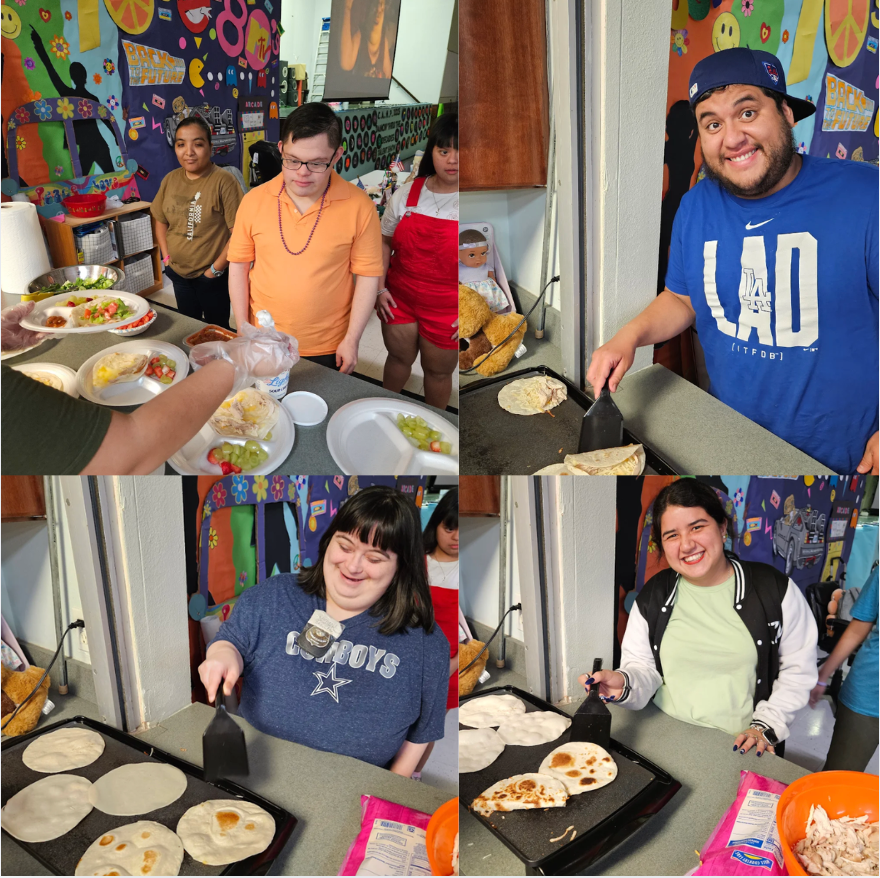
Organizations often seek volunteers to assist with:
- Resume and cover letter reviews
- Interview preparation and mock interviews
- Cooking instructions and self-help recipes
- LinkedIn profile optimization
- Workplace readiness training
- Networking introductions
- Career exploration and goal setting
- Professional mentoring
- Job search strategy development
A few hours of individualized coaching can help participants gain confidence, strengthen their job search skills, and better communicate their strengths to potential employers.
This type of skills-based volunteering is particularly valuable because it creates measurable outcomes while allowing volunteers to use expertise they already possess. It also helps employers access an often-overlooked talent pool with diverse perspectives and capabilities.
3. Education and Tutoring Programs
Educational support remains one of the most effective ways to create long-term impact for people with disabilities.
Students with disabilities may benefit from additional academic support, adaptive learning strategies, or individualized attention that schools and community organizations cannot always provide on their own. Volunteers help close these gaps by offering encouragement, guidance, and practical learning assistance.
Volunteer opportunities often include:
- Reading and literacy support
- Homework assistance
- STEM education programs
- Digital literacy training
- Financial literacy education
- College and career readiness coaching
- Study skills development
- One-on-one tutoring sessions
Beyond academic achievement, educational volunteering helps build confidence, independence, and lifelong learning habits. Volunteers often become important role models who encourage participants to pursue educational and career goals they may not have previously considered possible.
Many nonprofits serving children and adults with disabilities rely heavily on volunteer tutors to expand their reach and provide personalized support.
4. Adaptive Sports and Recreation Programs
Sports and recreation programs offer far more than physical activity. They create opportunities for social connection, confidence building, teamwork, leadership development, and community participation.
Adaptive sports programs are specifically designed to ensure individuals with disabilities can participate fully, regardless of physical, cognitive, or developmental differences.
Programs frequently need volunteers to:
- Assist coaches and instructors
- Support athletes during practices and competitions
- Coordinate event logistics
- Facilitate inclusive recreational activities
- Organize community sports programs
- Help with registration and participant support
- Provide transportation or event assistance
Organizations such as Special Olympics have demonstrated how sports can transform lives by fostering inclusion, self-confidence, and personal achievement.
For volunteers, these programs provide a unique opportunity to witness participants overcome challenges, celebrate accomplishments, and develop skills that extend well beyond the playing field.
5. Accessibility and Technology Projects
Not all volunteer opportunities require face-to-face interaction. Some of the highest-impact projects focus on improving accessibility itself.
As education, employment, healthcare, and community services increasingly move online, digital accessibility has become essential for ensuring equal participation. Volunteers with technical, design, communications, or content expertise can help organizations remove barriers that prevent people with disabilities from accessing information and services.
Volunteer projects may include:
- Testing websites for accessibility compliance
- Reviewing digital content and documents
- Improving website navigation and user experience
- Supporting assistive technology initiatives
- Creating accessible learning materials
- Adding captions and transcripts to videos
- Evaluating mobile app accessibility
- Advising organizations on inclusive design practices
Even small improvements can significantly increase access for thousands of users. This makes accessibility projects one of the most scalable and sustainable forms of disability-focused volunteering.
6. Fundraising and Advocacy
Many nonprofits serving disability communities operate with limited budgets and rely heavily on community support to sustain their programs.
Volunteers play a critical role by helping organizations raise awareness, attract donors, expand community engagement, and advocate for policies that improve accessibility and inclusion.
Common volunteer opportunities include:
- Event planning and coordination
- Awareness and education campaigns
- Fundraising drives and donor outreach
- Social media and content creation
- Community outreach efforts
- Public speaking and advocacy initiatives
- Corporate partnership support
- Volunteer recruitment campaigns
These activities help organizations expand services while increasing public understanding of disability rights, accessibility, and inclusion.
Advocacy-focused volunteering can be particularly impactful because it addresses systemic barriers and helps create lasting change that benefits entire communities rather than individual participants alone.
Final Thoughts
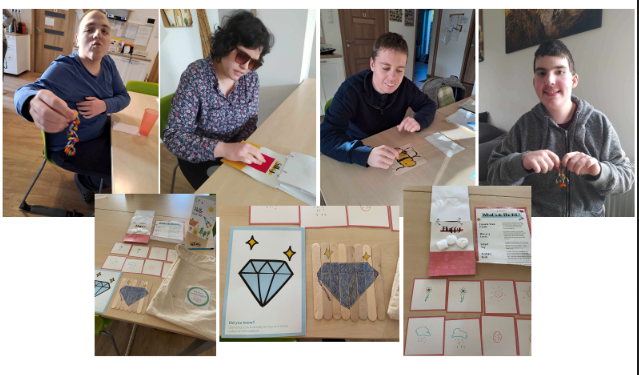
A day spent assembling sensory kits, coaching job seekers, or supporting an adaptive sports program can make a difference. But the greatest impact usually comes from showing up consistently. A mentoring relationship that lasts for months. A tutor who helps a student build confidence over time. A volunteer who shares professional expertise to improve accessibility for an entire organization.
These sustained efforts create something that one-time activities rarely can: trust.
Trust helps people try new things, develop new skills, pursue employment opportunities, build independence, and strengthen their connection to the community around them. Over time, those small moments of support can contribute to larger outcomes, including greater inclusion, improved quality of life, and expanded opportunities.
Perhaps most importantly, effective disability volunteering shifts the conversation away from charity and toward partnership. The goal is not to "help" people with disabilities in a one-sided way. It is to work alongside disability communities, listen to their needs, and help remove barriers that limit participation, independence, and opportunity.
Whether you're volunteering as an individual, leading a corporate volunteering program, or looking for ways to make a difference in your community, the most valuable contribution is often your willingness to build relationships, share skills, and stay engaged over time.
When volunteering is rooted in inclusion, respect, and consistency, everyone benefits. Communities become stronger, organizations become more accessible, and individuals gain opportunities to thrive on their own terms.
Frequently Asked Questions
1. How can I volunteer for people with disabilities?
There are many ways to volunteer for people with disabilities, depending on your interests, skills, and availability. Common opportunities include mentoring programs, educational tutoring, adaptive sports initiatives, career coaching, accessibility projects, fundraising events, and community inclusion programs.
Many nonprofits also offer virtual volunteering opportunities, making it possible to contribute from anywhere. If you're not sure where to start, look for organizations that align with causes you care about and ask about their current volunteer needs. The most impactful opportunities are often those that allow you to build ongoing relationships and contribute consistently over time.
2. What volunteer work for people with disabilities can be done remotely?
Remote volunteering has expanded significantly in recent years and offers many ways to support disability communities from home. Volunteers can provide career coaching, conduct mock interviews, mentor students, tutor learners, review resumes, support nonprofit marketing efforts, test websites for accessibility, create educational resources, or assist with virtual fundraising campaigns.
Remote opportunities are especially valuable because they allow volunteers to contribute specialized skills while increasing access for participants who may face transportation or mobility barriers.
3. What are the best volunteer opportunities for people with developmental disabilities?
The most effective volunteer opportunities focus on skill development, inclusion, confidence building, and long-term support. Popular options include life skills coaching, educational tutoring, supported employment programs, arts and creative expression initiatives, mentoring relationships, adaptive recreation programs, and community integration activities.
Programs that help individuals build independence, strengthen social connections, and pursue personal goals often create the most lasting impact. The best opportunity ultimately depends on the interests and needs of the participants as well as the strengths volunteers bring to the experience.
4. Do I need experience to volunteer with disability organizations?
In most cases, no prior experience is required. Many disability-focused nonprofits provide volunteer training, orientation sessions, and ongoing support to help volunteers feel comfortable and prepared.
While professional skills in areas such as education, technology, healthcare, or career development can be valuable, qualities like patience, empathy, reliability, and a willingness to learn are often even more important. Organizations are typically looking for volunteers who are respectful, open-minded, and committed to creating inclusive experiences.
5. How can companies support disability inclusion through volunteering?
Companies can play a powerful role in advancing disability inclusion through skills-based and employee volunteering programs. Employees can mentor job seekers, support career readiness workshops, conduct accessibility audits, create inclusive educational resources, participate in STEM programs, provide nonprofit consulting, or assist with community events.
These initiatives benefit both nonprofits and employees. Disability-focused volunteering helps organizations expand their impact while giving employees opportunities to develop leadership, communication, and problem-solving skills. It also helps companies build a more inclusive culture by increasing awareness and understanding of the barriers many people with disabilities continue to face.
6. What is volunteering for people with disabilities?
Volunteering for people with disabilities involves supporting the 1.3 billion+ individuals globally (about 16% of the population) through mentoring, adaptive sports, accessibility auditing, or educational support. Programs often partner with organizations like Best Buddies, Special Olympics, and Easterseals to address unemployment gaps, healthcare access, and social isolation faced by disability communities.
7. Why is volunteering with Disability communities important?
Volunteering with disability communities helps close persistent gaps in employment, education, and healthcare access. It reduces social isolation, expands representation, and gives volunteers direct insight into accessibility barriers. Programs run by Special Olympics, Best Buddies, and Easterseals also build inclusive networks that benefit workplaces, schools, and public services long after a single event ends.
8. What skills-based volunteer roles support Disability inclusion?
Skills-based roles include WCAG accessibility audits, screen-reader testing, career coaching, resume reviews, digital product evaluations, and sign-language interpretation. Professionals in design, engineering, HR, or education can also mentor students, advise nonprofits on inclusive hiring, or evaluate learning materials. These contributions often deliver more lasting value than one-off events by strengthening organizational capacity.
9. How can teams volunteer during Disability Employment Awareness Month?
Observed each October, National Disability Employment Awareness Month is a strong anchor for corporate volunteering. Teams can host inclusive hiring panels, audit job postings for accessibility, mentor jobseekers alongside the ADA National Network, or partner with a Disability ERG on career fairs. Awareness months focus effort and give employees a clear moment to engage meaningfully.
10. What common mistakes should Disability volunteers avoid?
Avoid assuming what a person needs, speaking to a caregiver instead of the individual, or using outdated language. Ask about preferences: some prefer person-first ("person with a disability"), others identity-first ("disabled person"). Skip pity narratives, follow the lead of disability-led organizations, and remember that meaningful support centers autonomy, dignity, and long-term participation rather than one-time gestures.


.webp)