12 Inspiring Corporate Social Responsibility Examples from Brands in Action

Corporate social responsibility isn’t something that lives only in reports anymore; it shows up in the everyday choices companies make. You see it in the CSR activities they run, the causes they support, and the way they show up for their communities.
Today, corporate social responsibility plays a much bigger role in how brands earn trust, retain employees, and stay relevant. People aren’t just looking at what companies sell; they’re paying attention to how they treat people, manage resources, and respond to real-world challenges.
And the shift is real.
The Edelman Trust Barometer reports that more than six in ten consumers actively choose or avoid brands based on their social impact and values. This states 64% of respondents buy, choose, or avoid brands based on their beliefs about societal issues.
If you’re looking for inspiration, these corporate social responsibility examples show how well-planned CSR activities, especially those aligned to the right causes and designed beyond one-off efforts, can create lasting impact. From focused CSR initiatives to long-term commitments, these examples highlight what sets truly socially responsible companies apart.
How Values Shape Buying Decisions and Workplace Loyalty
CSR initiatives influence decisions long before a transaction happens or a job offer is accepted. Socially responsible companies are more likely to earn trust, inspire advocacy, and foster long-term loyalty. People want proof that companies contribute to real solutions rather than relying on surface-level promises.
Younger generations, now a dominant force in both the workforce and purchasing decisions, evaluate companies with great CSR through actions, not statements. They pay attention to sustainability commitments, equity efforts, and community involvement. These expectations extend beyond campaigns and into measurable outcomes.
Did you know? PwC's 2024 Voice of the Consumer Survey reports that almost nine-in-ten (85%) consumers experience climate change disruptions firsthand and prioritize sustainability, with over 80% willing to pay more for sustainable goods.
This leads to an important question. When products and prices are similar, what drives preference? Purpose often becomes the deciding factor. Corporate social responsibility initiatives signal integrity, accountability, and long-term thinking.
What Separates Meaningful Action From Performative Efforts
CSR initiatives work best when they are clear, consistent, and designed for the long term. The strongest corporate social responsibility examples are backed by thoughtful CSR activities that go beyond intent and deliver lasting impact. When social responsibility becomes part of how a business operates day-to-day, it builds trust, credibility, and stronger connections with the communities it serves.
Brands Turning Purpose Into Measurable Impact
The following corporate social responsibility examples highlight how leading organizations across industries translate intent into action. Each example shows how CSR initiatives can scale while delivering meaningful benefits to communities across the globe.
1. Microsoft and Technology-Led Social Impact

Microsoft is often cited among socially responsible companies for its long-standing commitment to digital inclusion, sustainability, and employee engagement. Its corporate social responsibility initiatives focus on expanding access to skills, supporting nonprofits, and addressing climate challenges.
Key CSR examples from Microsoft include:
- Engaging millions in digital skilling, through initiatives like Skills for Jobs and LinkedIn partnerships, including underserved communities in India (7.3 million learners reported in 2022)
- Donating over $4 billion in technology and cloud services to nonprofit organizations
- Committing $1 billion to its Climate Innovation Fund in 2020 for carbon reduction, capture, and removal technologies, alongside a goal to become carbon negative by 2030.
Beyond scale, what makes Microsoft’s CSR initiatives impactful is how deeply they are integrated into the company’s long-term strategy. Rather than treating responsibility as a parallel effort, Microsoft aligns its business capabilities with social needs, especially in education, workforce readiness, and environmental resilience. This approach allows the company to deliver consistent impact year after year while empowering communities to build self-sustaining solutions through technology.
These examples of corporate social responsibility show how innovation and responsibility can move together at scale.
2. Coca-Cola’s Environmental Stewardship in Action
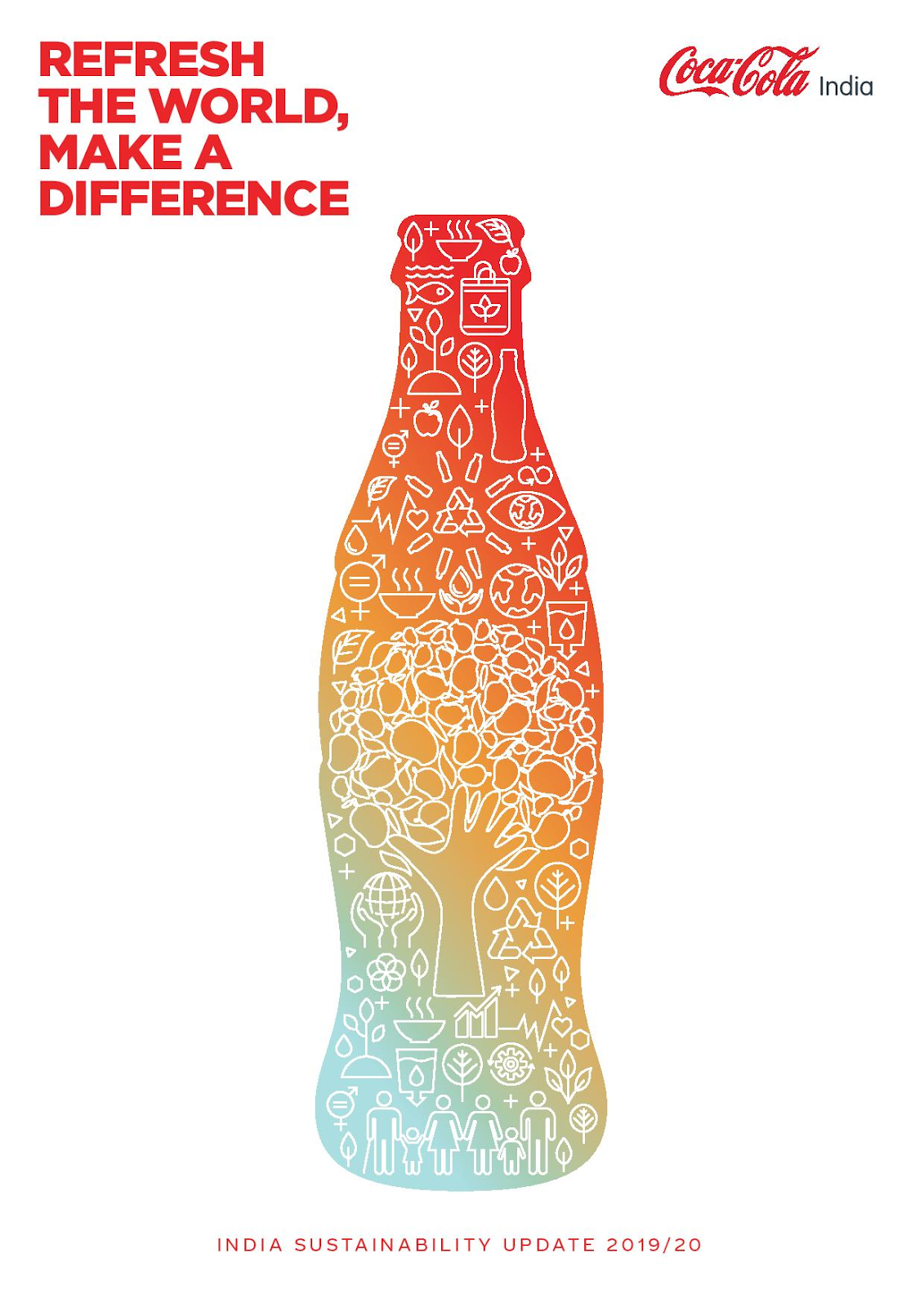
Coca-Cola stands out among companies with great CSR for its focus on water security, sustainable packaging, and emissions reduction. Its CSR initiatives emphasize accountability across the value chain, recognizing that meaningful environmental impact requires action from sourcing to consumption.
Notable examples for CSR include:
- Recycling more than sixty percent of its packaging in a single year
- replenishing over 100% of the water it uses in beverages through community programs since 2020
- achieving 90% of packaging recyclable by design globally as of 2023 (on track for 100% by 2025, though deadlines extended to 2035 in some updates), with a roadmap for 35-40% recycled content and 70-75% collection rates by 2035 to advance full circularity
What strengthens Coca-Cola’s corporate social responsibility initiatives is the way these efforts are measured, reported, and scaled across geographies. Water stewardship programs are tailored to local watershed needs, while packaging innovations are designed to reduce waste without compromising product accessibility. By pairing global sustainability goals with localized execution, Coca-Cola ensures its environmental commitments translate into tangible, on-the-ground outcomes rather than abstract targets.
Explore how you can make a difference to our planet.

These corporate social responsibility initiatives demonstrate how global brands can drive environmental progress responsibly while balancing scale, transparency, and long-term impact.
3. Starbucks and Ethical Sourcing at Scale
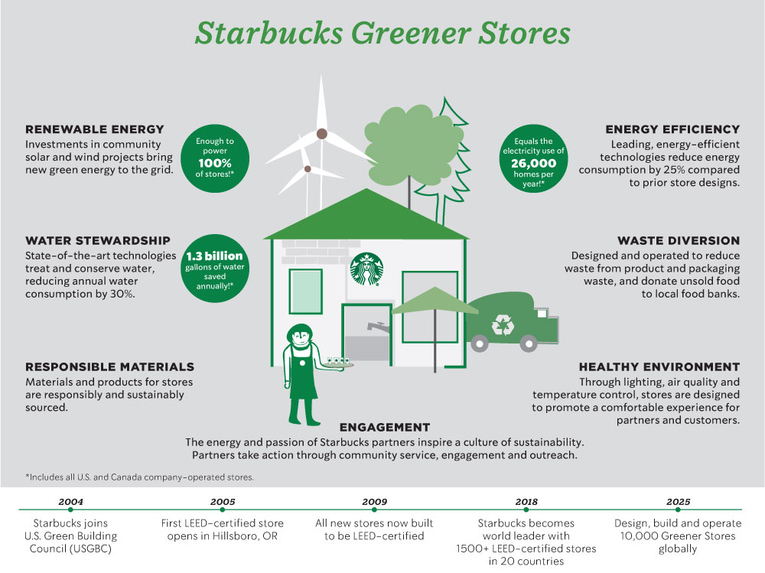
Starbucks has built its corporate social responsibility initiatives around ethical sourcing and farmer well-being. Its Coffee and Farmer Equity program promotes transparency, sustainability, and fair labor practices across its global supply chain, ensuring that responsibility begins at the source.
Key commitments from Starbucks:
- Starbucks aims for 50% reductions in carbon emissions across operations and supply chain, plus 50% less water withdrawal in stores and coffee production, focusing on replenishment in high-risk areas
- The company commits to packaging designed for reuse, recycling, or composting, including a shift from single-use items, reusable cups in every store by 2025, and 50% waste reduction from landfills
- Starbucks provides farmer education, regenerative agriculture training, and resources for ethical sourcing, including coffee sustainability programs and Greener Stores standards covering responsible materials.
What sets Starbucks apart is its long-term investment in farmer resilience and supply chain accountability. By working closely with growers and providing access to training, financing, and agronomy support, Starbucks helps farming communities adapt to climate risks and market volatility. This collaborative approach strengthens livelihoods while securing the future of coffee production, making responsibility a shared effort rather than a top-down mandate.
4. Citrix and Employee-Powered Purpose

Citrix shows how CSR initiatives grow stronger when employees are placed at the center of impact. Through its annual Month of Service, the company mobilizes teams across regions to collaborate with local nonprofit partners, allowing employees to contribute time and skills to causes that matter within their own communities.
By combining employee volunteering with environmental commitments, Citrix has created examples of corporate social responsibility rooted in participation and shared ownership. Rather than limiting responsibility to leadership-driven programs, Citrix empowers employees to lead initiatives, foster local partnerships, and sustain impact throughout the year. This approach strengthens internal culture while ensuring CSR initiatives remain relevant and community-driven.
What further elevates Citrix’s corporate social responsibility initiatives is the consistency of engagement over time. The Month of Service acts as a catalyst, encouraging year-round volunteering and deeper nonprofit relationships rather than one-off activities. By aligning employee passion with structured opportunities to give back, Citrix demonstrates how companies with great CSR can build momentum that extends beyond a single campaign.
Did you know? According to a Gallup workplace study, employees who strongly agree that their company makes a positive impact on society are 3.7 times more likely to be engaged at work and 5.8 times more likely to feel a strong sense of belonging.
These CSR examples highlight how employee-led participation can transform corporate social responsibility into a sustained, people-powered effort with measurable benefits for both employees and organizations.
5. Google’s Long-Term Climate and Social Commitments

Google is frequently referenced among companies with great CSR due to its leadership in renewable energy, racial equity, and crisis response. Its corporate social responsibility initiatives are grounded in data, transparency, and long-term targets that guide both environmental and social impact efforts.
Key CSR examples:
- Google maintains carbon neutrality since 2007 and invests billions in clean energy, matching 66% of operations to carbon-free sources hourly in 2024 while procuring over 22 GW via 170+ agreements.
- Google supports employee-led efforts through Google.org, funding racial equity, crisis response, and employee matching for disaster relief via Google Impact Challenges and volunteer programs.
- Google expands access through initiatives like Grow with Google (digital skills training for millions), AI tools for small businesses, and economic mobility programs using data centers and cloud services.
What strengthens Google’s approach is the way responsibility is built into its operational and technological decisions. Clean energy investments are tied directly to infrastructure growth, while social initiatives are supported through funding, employee expertise, and scalable digital tools. This integration ensures that CSR initiatives are not reactive, but planned alongside business expansion, allowing impact to grow as the company grows.
Did you know? Google has invested in renewable energy projects that collectively generate over 20 gigawatts of clean power annually, making it one of the largest corporate purchasers of renewable energy in the world, according to its sustainability disclosures. These examples for CSR show how accountability and innovation can reinforce each other when long-term commitments are matched with measurable action.
6. Netflix and Inclusion as a Core Principle

Netflix approaches corporate social responsibility through a strong focus on accessibility, representation, and environmental responsibility. Rather than treating inclusion as a side initiative, the company embeds it into content creation, workplace culture, and platform design. This approach ensures that responsibility is reflected both in what audiences see on screen and how people experience the platform.
Some of Netflix’s key CSR initiatives :
- Netflix launched this $100 million fund in 2021 to support underrepresented creators through grants, fellowships, and production opportunities across the entertainment industry.
- Netflix has expanded subtitles, audio descriptions, and user controls (e.g., slow-motion playback, preference profiles) to enhance experiences for users with disabilities, as outlined in product updates and inclusion reports.
- Netflix runs a global program matching employee donations to nonprofits at a 1:1 ratio (up to certain limits), amplifying contributions to causes like education and equity
- Under its "Net Zero + Nature" strategy, Netflix achieved carbon neutrality in 2022 and commits to Scope 1/2 reductions of 46% by 2030 (SBTi-aligned), covering productions, offices, and operations via efficiency and renewables.
Did you know? According to Netflix’s sustainability disclosures, the company has committed to reducing absolute greenhouse gas emissions by 50 percent from its 2019 baseline by 2030, while already sourcing 100 percent renewable electricity for its direct operations.
What strengthens Netflix’s corporate social responsibility initiatives is the way inclusion is treated as a long-term commitment rather than a content trend. By backing representation with funding, accessibility investments, and internal policies, Netflix ensures that its impact extends beyond storytelling into real-world opportunity creation. This consistency helps build trust with audiences while fostering a workplace culture that values equity and belonging.
7. Cisco and Technology for Global Good
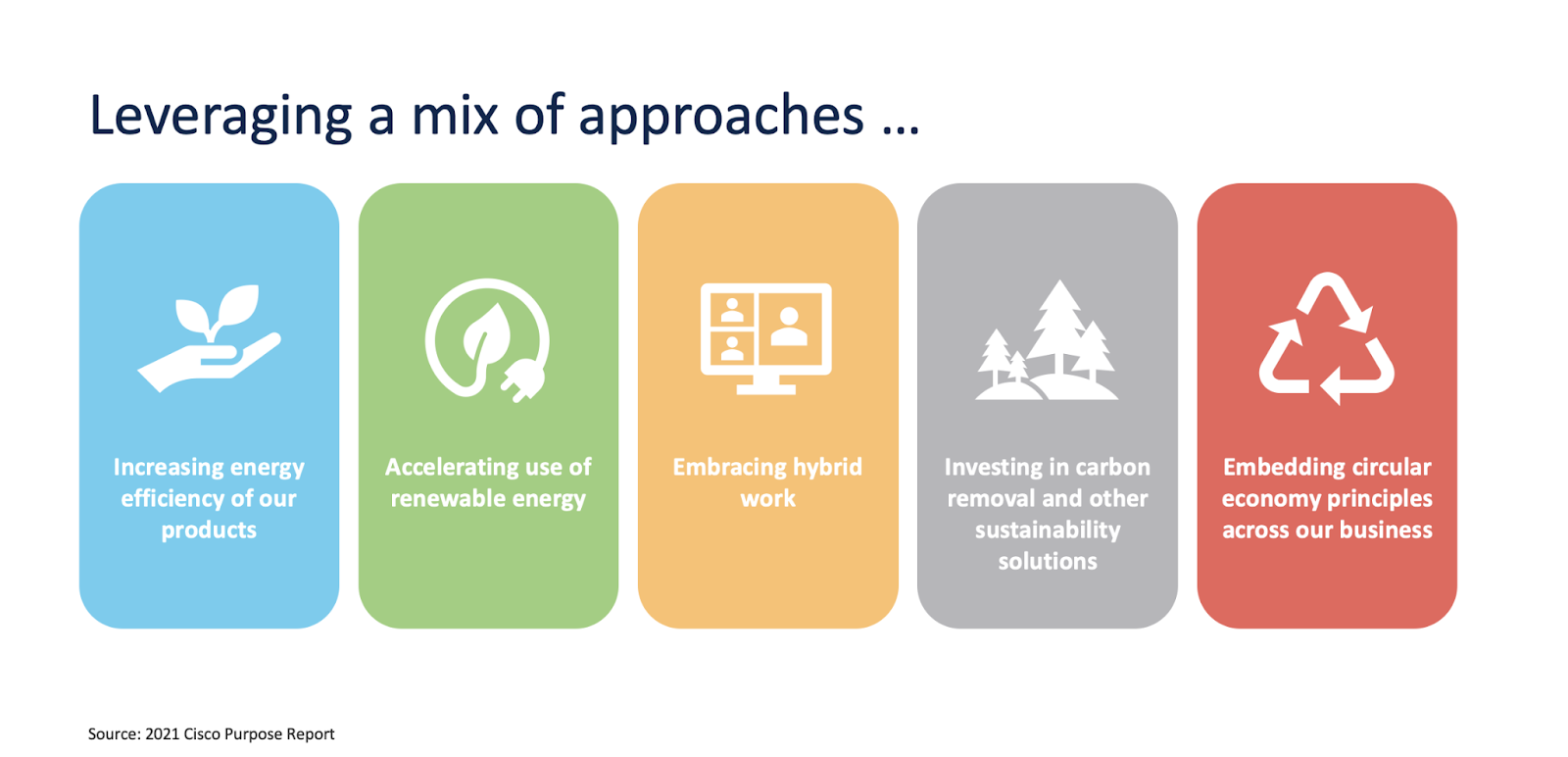
Cisco approaches corporate social responsibility with a clear belief that connectivity and technology can unlock social progress. Its initiatives focus on expanding access to digital tools, supporting communities during crises, and helping organizations solve complex challenges through technology-enabled solutions.
Cisco’s CSR efforts span multiple impact areas:
- Cisco provides networking equipment, connectivity solutions, and technical expertise during disasters, including rapid deployments for COVID-19 response ($50M in cash/PPE donated) and ongoing Country Digital Acceleration projects (1,600+ in 50 countries since 2015).
- Through Cisco Networking Academy, 4.7 million students gained workforce readiness skills in FY24, emphasizing digital literacy and employability for underserved communities.
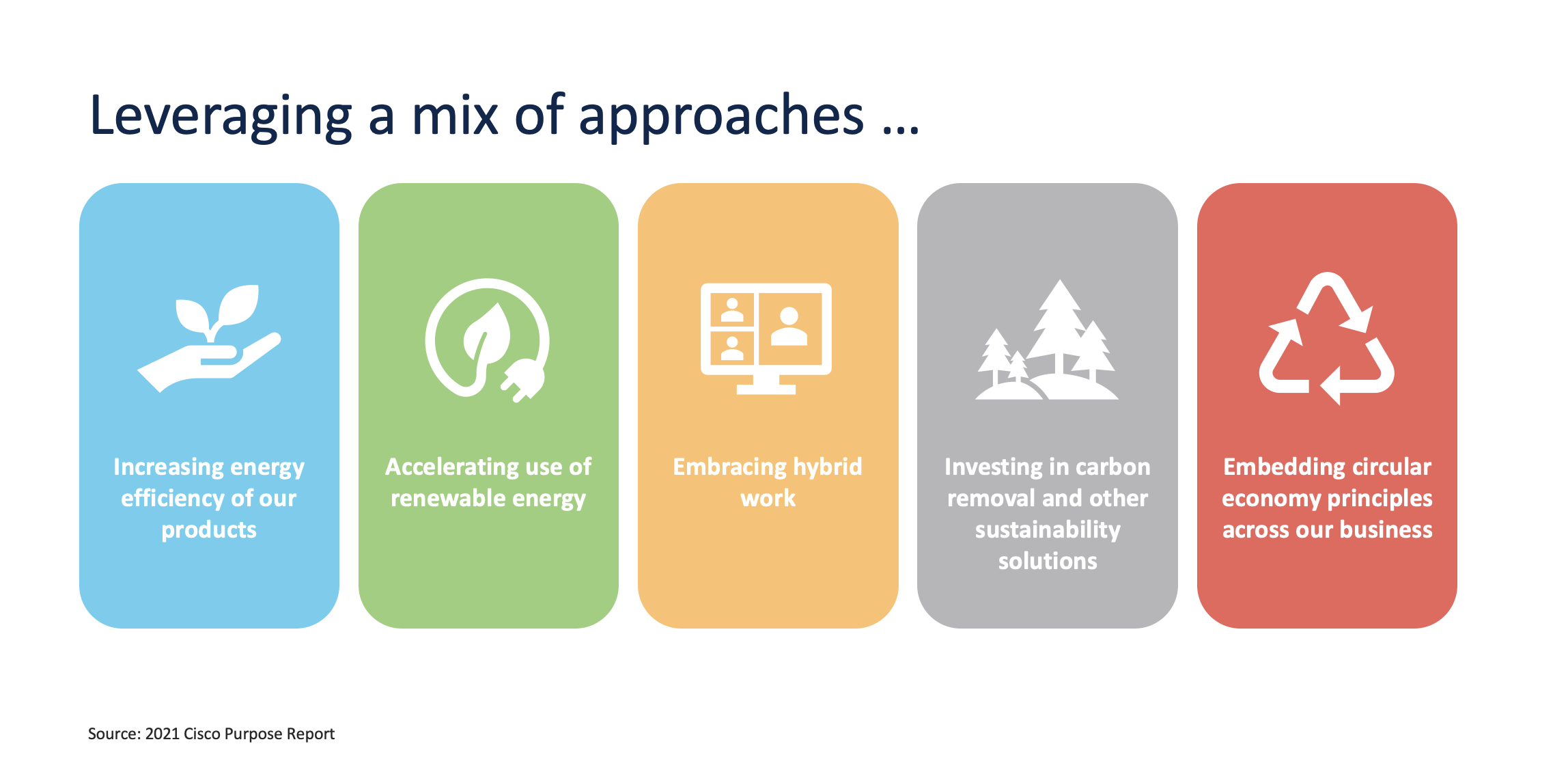
- Cisco funds clean tech via the Cisco Foundation ($35M approved since FY21), advances circular design (96% of new products/packaging), and pursues net-zero by 2040 with 90% Scope 1/2 reductions by FY25 (73% achieved).
What makes Cisco’s corporate social responsibility initiatives distinctive is the emphasis on collaboration. Rather than operating in isolation, Cisco works closely with nonprofits, startups, and local organizations to ensure solutions are practical, scalable, and rooted in community needs.
8. Apple and Responsibility Embedded in Design
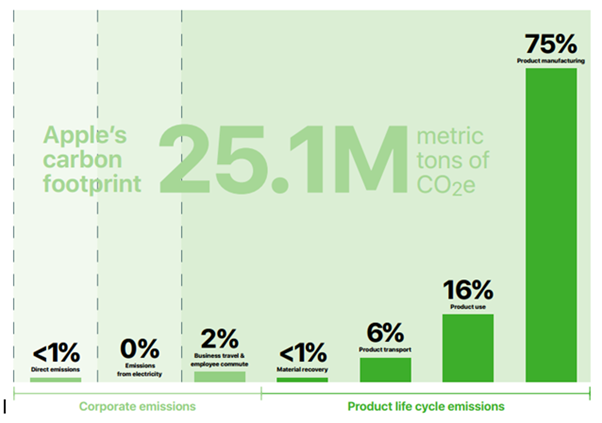
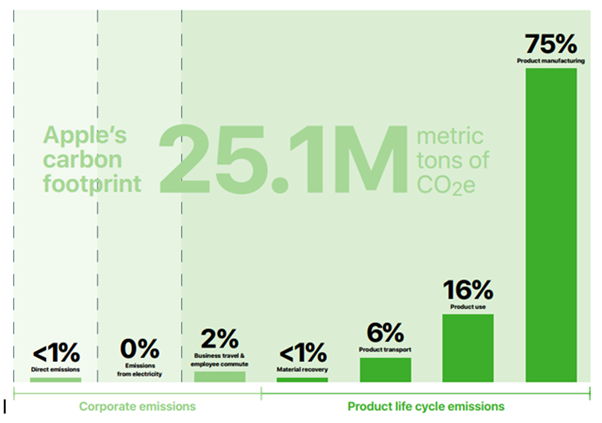
Apple’s approach to corporate social responsibility begins long before a product reaches consumers. Responsibility is integrated into how products are designed, how materials are sourced, and how suppliers are held accountable across the manufacturing process.
Apple’s CSR focus areas include:
- Transitioning global operations and suppliers toward renewable energy
- Increasing the use of recycled materials to reduce dependence on newly mined resources
- Enforcing strict labor, safety, and ethics standards across supplier networks
- Supporting education and skill-building initiatives in manufacturing communities
What strengthens Apple’s corporate social responsibility initiatives is the connection between sustainability and innovation. Environmental goals influence material choices, energy use, and product lifecycle decisions, ensuring responsibility evolves alongside technology rather than competing with it.
Did you know? Apple has reduced its total greenhouse gas emissions by more than 60 percent since 2015, according to its environmental progress data.
9. Nike and the Power of Community Through Sport
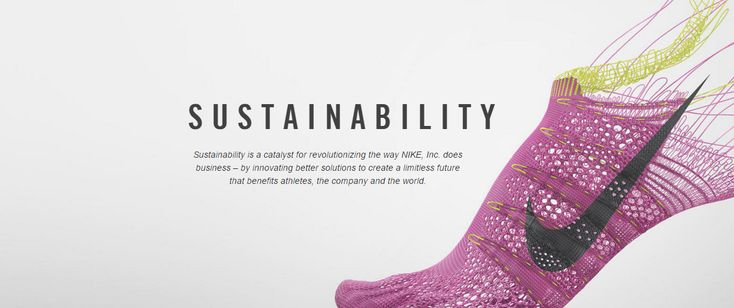
Nike views sport as a powerful catalyst for social change. Its corporate social responsibility initiatives focus on expanding access to physical activity, promoting equity, and supporting communities through long-term partnerships.
Some of Nike’s key achievements in the field of CSR:
- Nike supports underserved communities via the Nike Community Impact Fund, investing $125M+ since 2017 in youth sports programs that provide equipment, facilities, and coaching to over 6 million kids globally, emphasizing equity in athletics.
- Through initiatives like Made to Play and Athletes Unlimited partnerships, Nike advances girls' and women's sports participation, funding scholarships, coaching, and events to close gender gaps in athletic opportunities.
- Nike's Move to Zero targets include 69% Scope 1/2 emissions cuts (FY24 vs. FY20), 96% waste diversion, sustainable materials (e.g., 40%+ recycled polyester), and chemistry innovations for circularity.
- Nike provides relief through product donations, cash grants, and recovery support during crises like hurricanes and wildfires, channeling employee volunteerism and foundation funds
What sets Nike apart is its long-term investment mindset. Rather than short-term campaigns, Nike builds multi-year partnerships that strengthen community organizations and create consistent opportunities for participation and growth.
10. Walmart and Influence Through Scale
Walmart’s corporate social responsibility initiatives reflect the responsibility that comes with operating at scale. Its efforts focus on sustainability, access to essential resources, and improving practices across global supply chains.
Here are some key CSR examples from Walmart’s impact journey:
- Achieved 50% renewable energy powering its operations by 2025, reducing emissions by 18% in its own operations.
- Reduced virgin plastic use by 15% in private-brand packaging by 2025
- Collaborated with suppliers to reduce their emissions by 1 gigaton by 2030 through science-based targets.
What makes Walmart’s approach impactful is its ability to influence entire ecosystems. By setting standards and collaborating with suppliers, Walmart extends the reach of its CSR initiatives far beyond its own operations.
Did you know? Walmart and the Walmart Foundation have committed over $1.5 billion toward social impact efforts, including hunger relief, disaster response, and community resilience.
11. Amazon and Building Accountability Into Growth
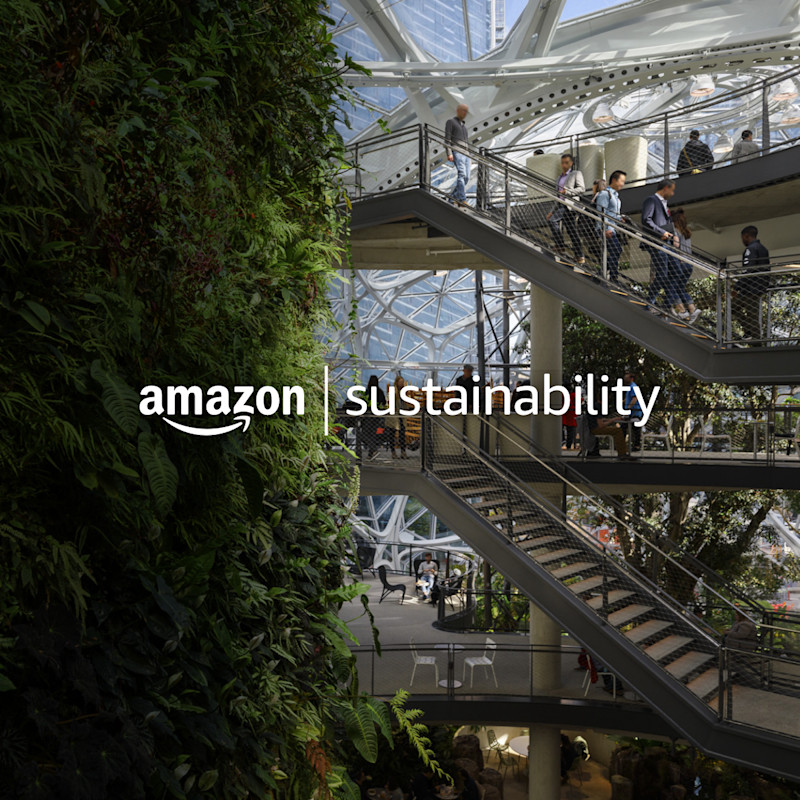
Amazon’s corporate social responsibility initiatives focus on balancing growth with environmental stewardship and community investment. The company emphasizes innovation as a pathway to reducing its footprint while expanding opportunity.
Amazon’s CSR efforts are centered around the following:
- Amazon targets 100% renewable energy by 2025, with over 600 projects (solar, wind) powering operations and data centers globally.
- Initiatives cut packaging waste by 43% per shipment since 2015 via right-sizing algorithms and recyclable materials.
- Employee affinity groups (e.g., Amazon Black Employee Network) and community investments promote diversity, with $100M+ for housing, education, and equity in underserved areas.
What differentiates Amazon’s corporate social responsibility initiatives is the use of measurable goals and public reporting. By tying progress to data and transparency, Amazon strengthens accountability while encouraging broader industry participation.
Amazon is currently the largest corporate purchaser of renewable energy worldwide, with renewable projects capable of powering millions of homes annually.
12. BMW and Responsibility Across the Value Chain

BMW integrates corporate social responsibility across manufacturing, supply chains, and community engagement. Its initiatives focus on reducing environmental impact while ensuring responsible sourcing and production practices.
BMW’s CSR priorities include:
- Targeting 40% CO₂ reduction per vehicle by 2030 (vs. 2019) via energy-efficient manufacturing, 100% renewable energy in European plants by 2025, and electrification (50% BEVs by 2030).
- Nearly 30% of vehicles use recycled/reused materials currently, aiming for 50% via "Secondary First" approach, closed-loop recycling, and designs like BMW i Vision Circular.
- Enforcing environmental and human rights due diligence across suppliers, rejecting deep-sea mining, using CO₂-reduced steel from 2025, and aligning with SBTi 1.5°C targets.
BMW’s corporate social responsibility initiatives are guided by long-term planning and transparency. Regular reporting and stakeholder engagement allow the company to track progress, identify gaps, and continuously refine its sustainability strategy. These examples of corporate social responsibility show how industrial companies can align performance, responsibility, and long-term vision.
New Ways Companies Are Scaling Social Impact
Beyond established brands, emerging CSR initiatives are reshaping how companies engage employees and communities. Instead of relying solely on traditional philanthropy, many organizations are experimenting with more participatory and flexible models of impact. Global days of service, virtual volunteering, and skills-based programs are making it easier for employees to contribute in ways that align with their interests, expertise, and availability.
These evolving approaches reflect a broader shift in how corporate social responsibility is practiced. Companies are moving away from one-size-fits-all programs and toward initiatives that are inclusive, scalable, and responsive to real-world needs. Digital platforms now allow teams to collaborate with nonprofits across regions, while skills-based volunteering enables employees to apply professional expertise to social challenges, increasing both impact and engagement.
What does this shift really change for companies? It removes the idea that impact requires massive budgets or centralized programs. Instead, it shows that meaningful CSR initiatives can grow organically when employees are given the right tools and opportunities to participate. These examples of corporate social responsibility prove that scale is not just about size, but about accessibility and consistency.
Rethinking the Role of Business in Society
Corporate social responsibility is often framed as a moral obligation, but its influence extends far beyond ethics alone. The most effective companies with great CSR recognize that responsibility and business performance are deeply connected. CSR initiatives shape how organizations are perceived, how employees feel about their work, and how resilient businesses become in times of change.
When companies embed corporate social responsibility into their decision-making, they create stronger cultures and clearer identities. Employees are more likely to feel proud of where they work, customers are more inclined to trust the brand, and partners see the organization as credible and forward-thinking. Over time, these factors contribute to stability and long-term growth.
So is corporate social responsibility really a choice anymore? In practice, it has become an expectation. Businesses that approach CSR with intention and consistency are better prepared for evolving social, environmental, and economic demands. When responsibility is treated as a core principle rather than a side initiative, companies create value that extends well beyond financial performance and into lasting societal impact.
What These CSR Examples Tell Us About the Future of Business
The corporate social responsibility examples highlighted throughout this blog reveal a clear pattern. Responsibility is no longer defined by isolated initiatives or symbolic gestures. It is shaped by consistency, accountability, and a willingness to address real-world challenges through long-term action.
From technology and manufacturing to retail and entertainment, socially responsible companies are showing that CSR initiatives can strengthen trust, engage employees, and support sustainable growth at the same time. These examples of corporate social responsibility demonstrate that doing good and doing well are no longer competing priorities. When businesses align purpose with strategy, responsibility becomes a driver of resilience rather than a cost.
As expectations continue to rise, companies with great CSR will be those that embed responsibility into everyday decisions, not just annual reports. Whether through environmental commitments, employee volunteering, or community partnerships, the most effective corporate social responsibility initiatives are built to last. The question for businesses today is no longer whether CSR matters, but how intentionally it is practiced.
Frequently Asked Questions
1. What is corporate social responsibility?
Corporate social responsibility is how businesses take accountability for their impact on society and the environment while operating ethically. It goes beyond profit-making to include how companies treat employees, support communities, and manage resources responsibly.
In practice, this often comes to life through CSR activities such as employee volunteering, sustainability programs, ethical sourcing, and community partnerships. Strong corporate social responsibility initiatives ensure that these efforts are not one-off actions but part of how a company operates every day.
Also Read: What is CSR in Businesses?
2. What are some real-world corporate social responsibility examples?
There are many corporate social responsibility examples that show how businesses can create meaningful impact at scale. These include companies reducing carbon emissions, investing in renewable energy, supporting employee volunteering programs, improving supply chain ethics, and funding education or community development.
Some well-known csr examples include brands like Microsoft, Google, and Nike, which have built long-term CSR initiatives around sustainability, inclusion, and community impact. What sets these apart is the consistency of their CSR activities, which are designed to deliver measurable, long-term results rather than short-term visibility.
Also Read: 12 Corporate Volunteering Programs Making a Real Difference
3. What are common CSR initiatives companies focus on?
Most CSR initiatives fall into a few key areas:
- Environmental sustainability, such as reducing waste or carbon footprint
- Employee volunteering and community engagement
- Ethical sourcing and responsible supply chains
- Diversity, equity, and inclusion programs
- Education and skill development
- Disaster relief and humanitarian support
The most effective corporate social responsibility initiatives align closely with a company’s values and business goals. Well-planned CSR activities in these areas help companies create deeper, more sustained impact.
4. Why are CSR initiatives important for businesses?
CSR initiatives are no longer optional; they are a key driver of trust and long-term success. Companies that invest in corporate social responsibility initiatives often see stronger brand reputation, better customer loyalty, and improved employee retention.
Beyond perception, consistent CSR activities also help businesses reduce risk, strengthen stakeholder relationships, and stay aligned with evolving expectations around sustainability and social impact. This is why many companies with great CSR treat it as a core part of their strategy rather than a side effort.
5. How can companies start building meaningful CSR initiatives?
Companies can begin by identifying social or environmental issues aligned with their values and strengths. Starting small, setting measurable goals, and involving employees are key steps. Over time, these efforts can evolve into structured corporate social responsibility initiatives that deliver sustained impact.
Also Read: Everything You Need to Know About Corporate Social Responsibility
6. How do socially responsible companies benefit employees?
Socially responsible companies tend to have more engaged and motivated employees. When people see their organization investing in meaningful CSR activities, such as volunteering or community support, it creates a stronger sense of purpose at work.
Employees are more likely to feel connected to their roles, leading to higher morale, better collaboration, and improved retention. Many corporate social responsibility examples highlight how employee participation in CSR programs directly contributes to both individual satisfaction and organizational culture.
7. How can companies start building meaningful CSR initiatives?
To build effective corporate social responsibility initiatives, companies should start by identifying causes that align with their values, expertise, and employee interests. From there, they can design CSR activities that are practical, measurable, and scalable.
Starting small is often the best approach. Pilot programs, employee volunteering efforts, or local partnerships can gradually evolve into structured, long-term CSR initiatives. The key is consistency, clear goals, and ongoing measurement of impact.
8. Are CSR and ESG the same?
Corporate social responsibility and ESG are closely related but not the same. CSR focuses on the actions companies take, including CSR activities and initiatives that contribute to social good.
ESG, on the other hand, refers to a set of measurable criteria, environmental, social, and governance, used by investors and stakeholders to evaluate a company’s performance.
In simple terms, CSR initiatives are the actions companies take, while ESG measures how effective and responsible those actions are.
9. Are CSR and ESG the same?
CSR and ESG are related but not the same. CSR focuses on the voluntary actions companies take to contribute to social good, while ESG refers to measurable environmental, social, and governance criteria used by investors and stakeholders to evaluate business performance.
10. How can companies measure the impact of their CSR initiatives?
Impact measurement starts with linking each initiative to specific inputs, outputs, and outcomes. Track inputs like dollars spent and volunteer hours logged; outputs like number of beneficiaries reached or trees planted; and outcomes like changes in community wellbeing, employee engagement scores, or emissions reduced. Frameworks like SROI (Social Return on Investment) and the UN Sustainable Development Goals give a standardized lens for reporting, while dashboards from platforms like Goodera help consolidate the data for annual CSR reports and investor communications.