12 Veterans Day Activities To Volunteer and Help Military Veterans

Veterans Day gives us a moment to recognize the people who have served our country and consider how we can support them. On November 11th, we remember their sacrifices and look for meaningful ways to give back. Veterans Day activities can help turn that gratitude into practical support for veterans as they transition to civilian life.
Have you ever wondered what difference one day of service can really make for veterans? Studies show that veterans who receive community support during their transition are 30% more likely to find stable employment and housing within their first year of civilian life (U.S. Department of Veterans Affairs). That means your decision to volunteer for Veterans Day, whether through small gestures or impactful projects, can create lasting change.
Imagine a veteran walking into a community center on Veterans Day, greeted warmly and offered resources for employment, or perhaps just enjoying a meal with neighbors. Volunteering on Veterans Day not only provides immediate support but also reminds veterans that their service has helped create a community that will always stand by them.
Wondering what to do for Veterans Day 2026? Here are some ideas for your team:
12 Inspiring Veterans Day Activities to Honor and Support Our Heroes
1. Help Veterans Readjust to Civilian Life
Why is re-entry into civilian life so difficult for veterans? Many veterans describe it as one of the toughest battles they face, leaving behind the structured “military bubble” and stepping into a world that feels unfamiliar and foreign. According to the Pew Research Center, 44% of post-9/11 veterans say readjusting to civilian life was somewhat or very difficult.
Challenges can include finding employment, building social connections, or simply adjusting to daily routines that once seemed routine in the military.
One of the most meaningful Veterans Day activities you can organize is providing direct support to veterans. Your organization can create value cards, mental health toolkits, and practical guides to support their transition. Volunteers can also mentor veterans, offer career advice, or help them navigate local resources, creating a strong safety net as they rebuild their lives.
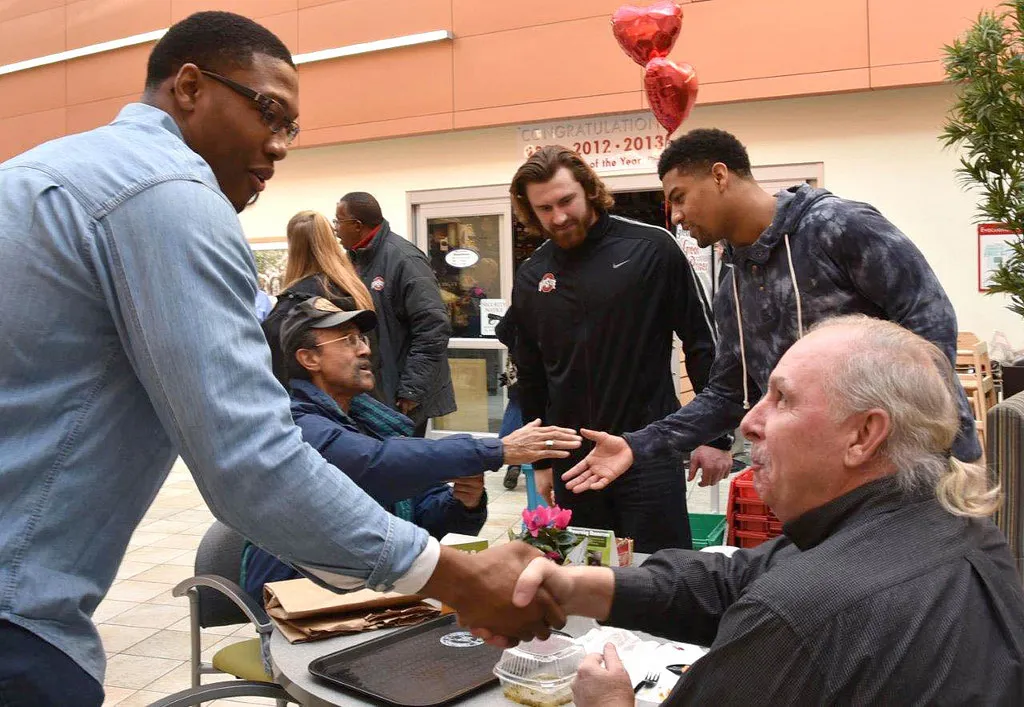
Even a few hours spent volunteering can give a veteran reassurance that they’re not alone, and sometimes, that first step toward healing is the most important one. By showing empathy and providing tangible support, you’re helping veterans regain confidence, independence, and a renewed sense of purpose.
2. Help Homeless Veterans Find Stability
Did you know that over 33,000 veterans in the U.S. experience homelessness on any given night?. For many, housing is the foundation on which everything else, employment, healthcare, and community belonging, is built. Without stable housing, veterans can struggle to access opportunities that most of us take for granted.
This is where workplace volunteering can make a practical difference. Your organization can create digital handouts, guides, or resource lists that connect veterans with affordable housing programs, VA housing assistance, and local shelters. Teams can also participate in community programs that help veterans secure housing or organize fundraising campaigns to support local initiatives.
Providing stable housing often opens doors to employment assistance and other vital resources for veterans and other individuals. Volunteers can coordinate workshops, career counseling sessions, or guidance to help veterans find jobs that match their skills and experience. For veterans who require additional support, programs offering home care services, such as basic home repairs or daily living assistance, can significantly improve their quality of life.
Imagine a veteran stepping into a safe, welcoming home for the first time in months, feeling the weight of uncertainty lift. That small act of service is a profound reminder of the difference one day of volunteering, or one thoughtful resource, can make.
3. Spread Christmas Spirit to Veterans from Home
For many veterans, the holiday season can feel lonely, especially those living far from family or in long-term care facilities. A simple holiday card can do more than brighten a day; it can remind them that their sacrifices are seen, valued, and deeply appreciated.
A really meaningful Veterans Day community service idea is organizing a festive card–making activity. Invite volunteers and their families to create Christmas cards filled with encouraging messages, colorful drawings, or heartfelt notes. Children’s handprints, doodles, or a simple “thank you for your service” can bring tears of joy and warmth to a veteran who may feel overlooked during the holidays.
These small gestures convey a powerful message: you are remembered, valued, and not alone. Imagine a veteran carefully opening a card, pausing at a hand-drawn tree, a heartfelt note, or a festive message, and feeling a rush of connection and gratitude. That single moment can transform an ordinary day into one of hope, belonging, and joy.
Even a quick, one-hour project can create lasting memories, for both the veterans receiving the cards and the volunteers giving them. It’s a simple, yet profound way to bring the spirit of the season to those who have given so much to our country.\

4. Amplify Stories That Matter
Every veteran has a story worth hearing, stories of courage, sacrifice, and resilience that often go untold. Have you ever considered how much we can learn from the silent struggles and triumphs of veterans? Their experiences usually hold valuable lessons about perseverance, leadership, and the importance of community, insights that can transform our perspective on our own challenges.
Your organization can play a pivotal role by organizing Veterans Day community service initiatives centered on storytelling. Volunteers can volunteer for Veterans Day by interviewing veterans, writing articles, or creating blog posts that highlight their experiences. Family members can also contribute insights to enrich the narrative, ensuring each story reflects both personal and service-related challenges and triumphs.
Sharing these stories can also connect veterans with support services, such as employment assistance for veterans or home care services, providing readers with actionable ways to make a meaningful difference. These Veterans Day volunteering efforts don’t just raise awareness; they create real-world impact, providing veterans with recognition, opportunities, and a sense of community.
By amplifying these stories, you help raise awareness of the unique contributions and struggles of U.S. military personnel. Even small efforts, like compiling a newsletter or posting stories online, can reach hundreds of people, creating lasting recognition and appreciation while inspiring others to participate in Veterans Day activities.
5. Provide Employment Help for Veterans
Transitioning from military to civilian life can be challenging, especially in the job market. According to the U.S. Bureau of Labor Statistics, the unemployment rate for veterans aged 18–24 was 6.4% in 2023, compared with 4% for their civilian peers. Additionally, a 2022 Pew Research study found that 40% of veterans feel underemployed, meaning their skills are not fully utilized in civilian jobs.
Offering employment help for veterans is one of the most impactful Veterans Day activities. Organizations can provide career guidebooks, resume workshops, financial self-help toolkits, and mentorship programs to empower veterans to secure meaningful, stable employment. Volunteers can also volunteer for Veterans Day by offering mock interviews, networking guidance, or insights into workplace culture.
Tips for Success:
- Tailor Guidance: Focus on translating military skills into civilian language to make resumes and applications stand out.
- Leverage Local Resources: Partner with veteran employment programs, career centers, or nonprofit initiatives for maximum impact.
- Provide Follow-Up Support: Schedule check-ins to track progress, answer questions, and offer encouragement.
- Create Mentorship Opportunities: Pair veterans with volunteers in similar industries to build confidence and networks.
Even small actions, such as reviewing a resume, sharing job postings, or hosting a virtual Q&A, can significantly improve veterans’ chances of landing meaningful employment. By providing career support, volunteers not only empower veterans but also help them regain independence and stability in civilian life.
6. Create Care Packages for Veterans
How can a simple care package make a real difference for veterans? More than just gifts, care packages provide a tangible reminder that someone values their service and sacrifices. They can lift spirits, offer comfort, and support veterans as they transition to civilian life, a process that can often feel overwhelming.
Creating care packages is an easy, assembly-based Veterans Day activity that you can organize. Volunteers can assemble boxes containing essentials such as toiletries, snacks, blankets, or books, and include personalized notes or cards of appreciation to make the gift even more meaningful. Adding a festive touch, such as seasonal greetings, can make the packages even more heartwarming.
For organizations or families that don’t have the time to host a significant event, this activity can be completed individually or virtually. Volunteers can prepare care packages at home and send them to local nonprofits or veteran support organizations. This is a simple yet powerful way to volunteer for Veterans Day, ensuring that every veteran feels remembered, appreciated, and supported.
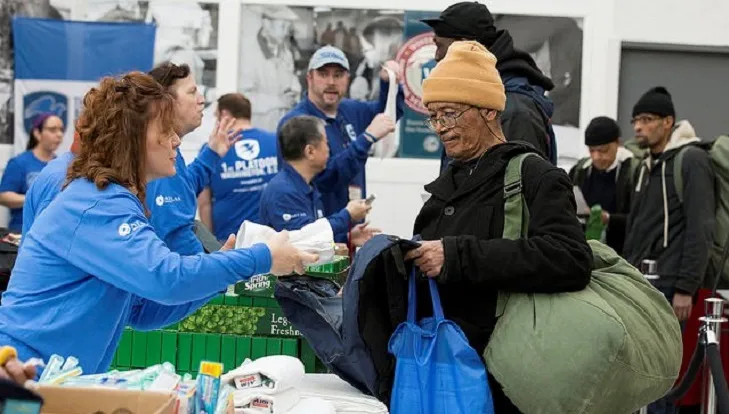
These care packages can also be paired with employment help for veterans or information on home care for veterans, providing both emotional and practical support. Whether it’s a single box or a coordinated community effort, the act of giving helps build a sense of connection and gratitude, proving that small gestures can have a big impact.
7. Assist with Home Repairs or Garden Work
Over one in ten veterans in the U.S. report challenges with home maintenance or safe living conditions, particularly older veterans or those with disabilities (National Council on Aging, 2023). Minor repairs or garden projects can make a huge difference in their comfort, safety, and overall well-being.
Simple tasks, such as fixing a leaky faucet, painting a room, or tending to the yard, can be transformative. This hands-on Veterans Day activity enables volunteers to offer practical support while expressing their appreciation for the service of veterans. Organizations such as Habitat for Humanity or local Veterans Affairs offices often coordinate projects where you can volunteer for Veterans Day to assist with home improvements.
Helping veterans with home care not only improves their living conditions but also strengthens community ties and fosters personal connections. These efforts can complement programs like employment help for veterans, ensuring holistic support for both daily life and long-term stability.
Tips for Success:
- Plan Ahead: Contact local veteran organizations early to identify projects and materials needed.
- Team Up: Group volunteering makes tasks more efficient and creates a sense of camaraderie.
- Skill Matching: Assign tasks according to volunteers’ skills. Plumbers help with plumbing, gardeners with yard work, to maximize impact.
- Document & Share: Take photos or notes of completed projects to showcase impact and inspire future volunteers.
- Include a Personal Touch: Pair home improvements with a thank-you note or card to make veterans feel truly appreciated.
Every act of service, big or small, counts. Donating your time, expertise, or resources creates a tangible, lasting impact while honoring those who have dedicated themselves to serving our country.
8. Fundraising for Veteran Support Programs
Financial support is a cornerstone of veterans’ wellbeing, covering essential needs such as housing, healthcare, and mental health resources, as well as career development programs. Many nonprofits rely on donations to sustain these initiatives, making fundraising one of the most impactful Veterans Day activities. Your team can organize charity events, virtual auctions, online campaigns, or social media drives to volunteer for Veterans Day and generate a measurable impact.
Funds raised can directly support programs such as employment help for veterans and home care for veterans, creating both immediate relief and long-term stability. Beyond monetary contributions, volunteer-led awareness campaigns can amplify local resources, ensuring veterans know where and how to access support. Even small efforts, such as hosting a bake sale or crowdfunding online, can have lasting benefits for veterans and their families.
Did You Know?
Veterans who receive consistent community support during their transition are 30% more likely to find stable housing and employment within their first year of civilian life (U.S. Department of Veterans Affairs). A well-planned fundraising campaign can directly contribute to this positive outcome.
This activity also encourages creativity and team collaboration. Volunteers can design promotional content, create virtual fundraising challenges, or host online webinars featuring veterans sharing their experiences, providing donors with a deeper connection to the cause. The visibility and engagement generated can scale support far beyond the immediate community, ensuring veterans across the region benefit from your efforts.
9. Host a Community Meal for Veterans
Sharing a meal brings people together in a deeply personal way. Hosting a community dinner is a meaningful Veterans Day volunteering opportunity and an inspiring idea for Veterans Day community service. Volunteers can cook, serve, and engage with veterans, offering not only nourishment but also valuable companionship. Many veterans face isolation, especially those living alone or far from family. This simple act can significantly help them feel more connected to their community.
Community meals can also include information about employment assistance for veterans and home care services, providing attendees with practical resources alongside emotional support. Volunteers might organize themed meals, storytelling circles, or live music sessions, creating an environment that honors service while fostering community bonds.
Also Read: Hunger Action Month Ideas

Tips for Success:
- Collaborate with local veteran centers, shelters, or nonprofits to support veterans who are most in need.
- Encourage volunteers to engage personally by listening to stories and sharing their gratitude.
- Include resources for additional veteran support, like career counseling, home services, or healthcare access.

Hosting a community meal goes beyond food; it’s about building relationships, celebrating resilience, and creating a sense of belonging. Even a single event can leave a lasting impression on both veterans and volunteers, reinforcing the idea that service to the country continues through community care and support.
10. Organize Mental Health Awareness Workshops
Mental health challenges affect a significant number of veterans, ranging from anxiety and depression to PTSD. Organizing workshops offers veterans practical tools for resilience, stress management, and community connection, making this a highly impactful Veterans Day activity. Volunteers can facilitate discussions, distribute resource guides, or coordinate professional speakers, creating supportive spaces where veterans feel seen and understood.
Not a mental health professional, but still want to contribute meaningfully? Don’t be worried. You can partner with licensed experts, nonprofits, or the local VA office. Volunteers can handle logistics, promote events, or provide peer support, while professionals lead discussions.
These workshops can also provide information on employment help for veterans and home care services, bridging emotional support with practical solutions. For example, volunteers could provide guidance on accessing therapy services, connecting with community programs, or learning self-care techniques. Such initiatives help reduce stigma around mental health while promoting overall well-being.
Did You Know?
Veterans who participate in structured mental health support programs are 25% more likely to maintain stable employment and engage in community services (National Center for PTSD, 2023).
Mental health workshops also offer opportunities for skill development and peer support. Volunteers can create discussion groups, offer mindfulness sessions, or organize interactive activities that emphasize social connection and coping strategies. The impact of these workshops often extends far beyond Veterans Day, creating ongoing networks of care and empathy.
Explore Mental Health Awareness Month activities to volunteer with your teams:
11. Offer Transportation Assistance
Reliable transportation is a practical but often overlooked barrier for veterans seeking healthcare, employment, or access to community services. Volunteering to provide rides, organize shuttle programs, or coordinate carpools is a hands-on Veterans Day community service idea and a significant way to volunteer for Veterans Day.
This activity can also complement other Veterans Day activities, such as delivering care packages or assisting with home repairs. It may include guidance on employment help for veterans or services such as home care for veterans. Volunteers may schedule recurring rides, accompany veterans to appointments, or assist with navigating public transit systems, ensuring that veterans reach their destinations safely and comfortably.
Transportation assistance promotes independence, reduces isolation, and strengthens community connections. By removing logistical barriers, volunteers help veterans access critical resources, pursue employment opportunities, and participate more fully in community life.
Even a small effort, like offering weekly rides to job interviews or healthcare visits,can have a significant impact, building trust and demonstrating that the community values their service and well-being.
12. Provide Technology Training for Veterans
In today's digital-first landscape, many veterans face challenges with essential online skills, including navigating telehealth platforms and completing job applications. Organizing workshops or providing one-on-one technology training can serve as a meaningful Veterans Day activity and a creative way to volunteer for Veterans Day.
Volunteers can help veterans learn how to use email, navigate job portals, and access virtual healthcare. This connection provides them with valuable resources, including employment assistance and home care services for veterans. The training may involve creating step-by-step guides, interactive tutorials, or follow-up support sessions to ensure that veterans gain the confidence to use technology independently.
Did You Know?
A 2016 study found that 44% of older veterans did not have internet access, and those without access were significantly more likely to feel uncomfortable using technology. Specifically, 62.1% of veterans without internet access reported being "very uncomfortable" using it, compared to only 11.6% of those with access. However, this study did not quantify a reduction in social isolation or an increase in confidence by a specific percentage due to digital literacy programs.
This initiative enhances both career and social opportunities for veterans while also reducing isolation. It empowers them to manage their personal, professional, and healthcare needs online. By equipping veterans with digital skills, volunteers create a lasting impact that strengthens their independence, fosters connections, and builds confidence.
Imagine a Vietnam veteran learning to video call his grandchildren for the first time, or a recently retired service member navigating an online job application with confidence. That small boost in digital skills can combat loneliness, open new opportunities, and empower independence.
Q: How can volunteers adapt technology training for veterans of varying skill levels?
A: Begin with one-on-one or small group sessions, focus on practical tasks like online job applications and telehealth access, and provide printed or digital guides for reference. Encourage patience and repetition to build confidence gradually.
Technology training also opens doors for further engagement, such as virtual volunteering, online mentorship, and access to community support networks. This ensures that veterans continue to benefit from digital literacy well beyond the Veterans Day initiative.
Explore over 50 meaningful Veterans Day activities designed to honor service, foster team unity, and create lasting community impact. Make this Veterans Day a day of action and appreciation.
Wrapping It Up
Veterans Day is more than just a holiday; it’s an opportunity to take meaningful action. Every gesture of support, whether through volunteering, fundraising, or providing resources, helps veterans transition to civilian life with dignity and confidence. This can include offering employment assistance, home care for veterans, hosting community meals, sharing personal stories, or providing technology training. Your contributions can create a lasting impact.
By getting involved this Veterans Day, you honor their service, strengthen our communities, and empower veterans to thrive. Even small contributions matter. Together, we can ensure that every veteran feels valued, supported, and remembered. Let’s make this Veterans Day a day of action, connection, and gratitude.
Frequently Asked Questions
1. What is Veterans Day volunteering and why does it matter?
Veterans Day volunteering refers to service activities organized around November 11 to support U.S. military veterans, active-duty troops, and their families. It matters because 44% of post-9/11 veterans report readjusting to civilian life as somewhat or very difficult, according to Pew Research. Corporate initiatives help address gaps in employment, housing, mental health, and community integration.
2. How can employees help veterans readjust to civilian life?
Employees can help veterans readjust by assembling care packages with mental health toolkits, drafting transition guides that translate military skills into civilian job language, and writing personalized value cards. VA research shows veterans receiving community support during transition are 30% more likely to secure stable employment and housing within their first year post-service.
3. What are the best Veterans Day volunteering activities for companies?
Impactful activities include care kit assembly for deployed troops, resume workshops and career mentorship for transitioning veterans, letters of gratitude campaigns, VA hospital companionship visits, cemetery flag placements, and fundraisers for nonprofits like Wounded Warrior Project, Fisher House Foundation, and USO. The strongest programs combine hands-on service with financial support and executive advocacy for veteran hiring.
4. How do care kit assembly events support deployed troops?
Care kit assembly events bring employees together to pack personal items, snacks, hygiene supplies, and handwritten notes for troops deployed overseas. These kits provide practical comfort during long deployments and signal ongoing civilian support. They work well as team-building activities and can be organized in partnership with organizations like the USO, which handles distribution to service members worldwide.
5. How can volunteers contribute at VA hospitals on Veterans Day?
Volunteers at VA hospitals can lead recreational activities, provide companionship visits to long-stay patients, assist with meal services, and support event programming. Many facilities schedule Veterans Day ceremonies where volunteers welcome families, distribute refreshments, and staff information tables. Advance coordination is required, as VA volunteer programs typically involve background checks and orientation sessions.
6. What are effective virtual Veterans Day volunteering ideas for remote teams?
Remote teams can host virtual letter-writing campaigns for deployed troops, run digital resume review sessions for transitioning veterans, assemble care kit supplies shipped to a central hub, and organize online fundraisers for veteran nonprofits. Virtual mental health awareness sessions featuring veteran speakers and PTSD education also work well for distributed workforces during the November 11 week.
7. How can companies support veteran mental health and suicide prevention?
Companies can partner with Mission 22 and similar nonprofits to run PTSD awareness campaigns, fund peer-support programs, and train managers to recognize warning signs. Sponsoring veteran suicide prevention hotlines, embedding veteran mental health resources into employee assistance programs, and hosting listening sessions with veteran ERG members are practical, sustained ways to address this crisis.
8. What are meaningful ways to help homeless veterans on Veterans Day?
Meaningful support for homeless veterans includes preparing and serving meals at shelters, assembling winter clothing and hygiene kits, sponsoring transitional housing programs, and volunteering at stand-down events that offer haircuts, medical checks, and legal aid. Partnering with local veteran shelters or nonprofits like U.S.VETS ensures resources reach those facing housing insecurity during and after the holiday.
9. Why should Veterans Day engagement extend beyond November 11?
Veterans face challenges year-round, including chronic unemployment, mental health struggles, and social isolation that do not end on November 12. Sustained engagement through workplace veteran ERGs, ongoing mentorship, quarterly service projects, and executive-level advocacy for veteran hiring builds lasting impact. One-day campaigns risk feeling performative and fail to address the long transition period most veterans experience.
10. How can Goodera help companies run impactful Veterans Day programs?
Goodera designs turnkey Veterans Day volunteering programs including in-person care kit builds, virtual letter-writing sessions, VA hospital coordination, and fundraising drives for veteran nonprofits. Programs can be scaled across global offices, tracked through impact dashboards, and tied to internal veteran ERGs. Support extends beyond November 11 with year-round veteran service opportunities and reporting.


.webp)