Die besten Plattformen und Softwarelösungen, um Ihre betrieblichen Freiwilligenprogramme zu optimieren

Corporate Volunteering ist längst mehr als nur gelegentliche Aktionstage oder bürointerne Initiativen. Da Belegschaften immer dezentraler arbeiten und Mitarbeiter nach tieferen Möglichkeiten suchen, einen Beitrag zu leisten, setzen Unternehmen verstärkt auf Technologie. So lassen sich Volunteering-Programme gestalten, die einfacher umzusetzen, inklusiver und skalierbar sind.
Die besten Corporate-Volunteering-Plattformen bieten weit mehr als nur eine Liste mit Möglichkeiten. Sie vernetzen Mitarbeiter über Standorte hinweg, vereinfachen Planung und Koordination und übersetzen Engagement in klare, messbare Ergebnisse. Ohne das richtige System werden Programme oft fragmentiert, leiden unter manuellen Prozessen, ungleichmäßiger Beteiligung und mangelnder Transparenz. Software für das Corporate-Volunteering-Management führt alles an einem Ort zusammen, hilft Teams bei der Durchführung kohärenter Programme und macht es für Mitarbeiter mühelos, sich sinnvoll zu engagieren.
Wussten Sie schon? Deloitte hat herausgefunden, dass ehrenamtliche Möglichkeiten am Arbeitsplatz die Erfahrung der Mitarbeiter und ihre Bindung an den Arbeitgeber verbessern können: 91 % geben an, dass dies einen positiven Einfluss hat, und 87 % sagen, dass dies bei der Entscheidung, ob sie bleiben oder gehen, eine Rolle spielt.
Diese Erkenntnisse unterstreichen, warum Unternehmen über punktuelle Freiwilligenarbeit hinausgehen und Plattformen nutzen müssen, die eine Teilnahme mühelos, sinnvoll und grenzüberschreitend zugänglich machen.
Lesen Sie auch: Der umfassendste Leitfaden für Corporate-Volunteering-Programme
Was bedeutet das Management von Corporate-Volunteering-Programmen eigentlich?
Kurz gesagt: Das Management von Corporate Volunteering ist der bewusste, strukturierte Prozess, durch den ein Unternehmen seine Aktivitäten im Bereich Mitarbeiter-Engagement und Spenden plant, koordiniert, unterstützt und misst. Es geht darum, ein durchgängiges Erlebnis zu gestalten, das über Zeitzonen, Kulturen, Arbeitsmodelle und individuelle Prioritäten der Mitarbeiter hinweg funktioniert. Da Teams immer globaler und hybrider arbeiten, können sich Unternehmen nicht mehr auf verstreute E-Mails oder Tabellenkalkulationen verlassen. Sie benötigen ein Volunteer-Management-System, das Planung, Kommunikation, Teilnahme und Wirkungsmessung in einem einheitlichen Rahmen zusammenführt.
Warum das in der modernen globalen Arbeitswelt so wichtig ist
Mitarbeiter erwarten heute mehr als nur eine Liste mit Möglichkeiten für Freiwilligenarbeit. Sie wünschen sich Relevanz, Flexibilität und einen klaren Sinn. Wenn Programme manuell durchgeführt werden, wird die Teilnahme inkonsistent, das Reporting unzuverlässig und die Begeisterung der Mitarbeiter schwindet. Während des Season of Giving-Webinarsvon Goodera betonten Führungskräfte wie Missy Peck, dass Volunteering-Programme, die mit Klarheit und Struktur organisiert sind, die Arbeitsmoral stärken, die Verbundenheit zur Gemeinschaft fördern und das langfristige Engagement erhöhen.
Deshalb setzen Unternehmen zunehmend auf Software für das Management von Mitarbeiter-Engagement. Diese Plattformen bieten die nötige Vorhersehbarkeit und Konsistenz für eine Skalierung und ermöglichen es den Mitarbeitern gleichzeitig, sich mühelos auf eine Weise zu beteiligen, die zu ihrem Zeitplan und ihren Interessen passt.
Wenn sich die globale Mitarbeiterzahl Ihres Unternehmens morgen verdoppeln würde, könnte Ihr aktuelles Volunteering-Framework dann immer noch jedem Mitarbeiter, unabhängig vom Standort, ein sinnvolles Erlebnis bieten? Die meisten Unternehmen stellen fest, dass bei der Expansion in neue Regionen kulturelle Nuancen, Compliance-Anforderungen, Terminkonflikte und Kommunikationslücken zutage treten. Genau dann wird ein skalierbares System unverzichtbar – es zeigt, dass es beim Management von Corporate-Volunteering-Programmen nicht nur um einzelne Veranstaltungen geht, sondern um eine Infrastruktur, die mit dem Unternehmen wächst.
Wichtige Komponenten eines Freiwilligenmanagementsystems für Unternehmen
1. Programmplanung, die globale und lokale Anforderungen unterstützt
Effektive Planung erfordert mehr als nur die Festlegung von Terminen. Es geht darum, sich mit gemeinnützigen Organisationen abzustimmen, regionale Kalender zu berücksichtigen, kulturelle Kontexte zu verstehen und sicherzustellen, dass die Angebote den Interessen der Mitarbeitenden an jedem Standort entsprechen. Eine leistungsstarke Plattform hilft CSR-Teams dabei, diese Schritte zu optimieren, verschiedene Veranstaltungsformate zu organisieren und logistische Engpässe zu vermeiden, die bei der großflächigen Verwaltung von ehrenamtlichem Engagement entstehen können.
2. Wege zum Mitarbeiterengagement, die zugänglich und intuitiv sind
Mitarbeitende engagieren sich, wenn Freiwilligenarbeit einfach ist. Das bedeutet: mobiler Zugriff, einfache Anmeldung, klare Anweisungen und Möglichkeiten, die zu unterschiedlichen Vorlieben passen. Manche bevorzugen Präsenzeinsätze, andere virtuelle oder Micro-Volunteering-Angebote. Eine Plattform, die verschiedene Formate und eine intuitive Suche bietet, baut Hürden ab und steigert die Teilnahme – besonders in großen, hybriden oder dezentralen Teams.
3. Wirkungsmessung, die über die reine Stundenzahl hinausgeht
Unternehmen möchten die tatsächlichen Ergebnisse ihrer Programme verstehen. Dazu gehört nicht nur die Erfassung der geleisteten Stunden, sondern auch die Wirkung auf den guten Zweck, erworbene Kompetenzen, gesammelte Erfahrungsberichte, beteiligte Teams und der Beitrag zu den CSR-Zielen. Ein gutes Managementsystem ermöglicht es Organisationen, sowohl quantitative als auch qualitative Daten zu erheben, um präzise zu berichten, Strategien zu verfeinern und Transparenz gegenüber Führungskräften, Mitarbeitenden und Partnern zu wahren.
4. Globale Einsatzbereitschaft, die Kultur, Compliance und Kommunikation respektiert
Ein Freiwilligenprogramm in den USA kann sich stark von einem in Indien oder Europa unterscheiden. Unternehmen benötigen Tools, die sich an unterschiedliche Sprachen, regulatorische Anforderungen, Feiertage, Barrierefreiheit und kulturelle Erwartungen anpassen. Globale Einsatzbereitschaft stellt sicher, dass sich jede Region einbezogen und respektiert fühlt, was wiederum die Teilnahme erhöht und die Glaubwürdigkeit des gesamten Programms stärkt.
5. Integration, die Freiwilligenarbeit mit der gesamten Mitarbeitererfahrung verbindet
Freiwilligenarbeit sollte nicht isoliert von anderen Systemen stattfinden. Integrationen mit HR-Plattformen, Spendentools, Lernsystemen, Kommunikationskanälen und internen Portalen helfen Mitarbeitenden, ihr Engagement als Teil der Unternehmenskultur zu begreifen. Zudem können CSR-Teams den Verwaltungsaufwand reduzieren, Daten sauber halten und eine nahtlose User Journey von der Entdeckung über die Teilnahme bis hin zum Impact-Reporting schaffen.
Die Verwaltung von Corporate Volunteering bedeutet, Systeme und Strukturen zu schaffen, die Mitarbeitende bei ihrem Wunsch zu helfen unterstützen und es Organisationen ermöglichen, ihre Programme effektiv zu koordinieren, zu messen und zu skalieren. Wenn Unternehmen die besten Plattformen für ihr Freiwilligenmanagement wählen, investieren sie nicht nur in operative Effizienz, sondern schaffen eine sinnstiftende und nachhaltige Kultur des Engagements.
Warum die beste Software für globales Mitarbeiter-Engagement und Freiwilligenarbeit nutzen?
Die Verwaltung von Corporate Volunteering über mehrere Regionen hinweg ist weit mehr als eine reine Terminplanung. Mit dem Wachstum von Unternehmen und der zunehmenden Verteilung von Teams über die USA, Indien und Europa steigt die Komplexität. Die Koordination von Partnern, die Nachverfolgung der Teilnahme, die Sicherstellung der Barrierefreiheit und eine konsistente Mitarbeitererfahrung werden ohne strukturierte Unterstützung schnell unüberschaubar. Hier wird der Einsatz der besten Software unverzichtbar. Sie schafft Klarheit, entlastet operativ und stellt sicher, dass jeder Mitarbeitende die gleiche Chance hat, sich sinnvoll einzubringen.
Auf den Punkt gebracht: Die Verwaltung globaler Freiwilligenarbeit ohne Technologie ist, als würde man ein weltweites Event nur mit verstreuten E-Mails, Tabellenkalkulationen und gutem Willen organisieren. Eine speziell entwickelte Software für das Freiwilligenmanagement automatisiert das, was Menschen allein nicht effizient skalieren können: Konsistenz, Reporting und eine einheitliche Erfahrung.
Was sind die Risiken, wenn man keine dedizierte Software verwendet?
- Teams erleben eine fragmentierte Kommunikation, bei der Mitarbeitende in verschiedenen Regionen widersprüchliche oder gar keine Informationen erhalten
- CSR-Verantwortliche haben Schwierigkeiten, präzise Berichte zu erstellen, was es erschwert, die Wirkung nachzuweisen oder zukünftige Investitionen zu sichern
- Die Programmqualität wird ungleichmäßig: Während einige Standorte ein starkes Engagement zeigen, beteiligen sich andere kaum
- Manuelle Prozesse verschlingen Zeit, die besser in Strategie, Storytelling und den Aufbau von Community-Beziehungen investiert wäre
Diese Risiken entstehen nicht durch böse Absichten. Sie resultieren aus den natürlichen Grenzen, die entstehen, wenn man ein globales Programm ohne unterstützende Struktur betreibt.
Welche Vorteile bietet eine speziell entwickelte Software für das Management von Unternehmensfreiwilligenarbeit?
- Mitarbeiter können Angebote sofort finden und wahrnehmen, was die Teilnahme erhöht und Hürden abbaut
- Unternehmen erhalten präzise, konsolidierte Berichte über Märkte, Zeitzonen und Themenbereiche hinweg
- Lokalisierungsoptionen sorgen dafür, dass globale Programme kulturell relevant wirken, statt nach dem Gießkannenprinzip zu funktionieren
- Die Führungsebene erhält klare Einblicke, wie Freiwilligenarbeit Engagement, Mitarbeiterbindung und die Arbeitgebermarke stärkt
- Automatisierungen übernehmen Anmeldungen, Erinnerungen, Wirkungsanalysen und Feedback-Sammlungen, sodass CSR-Teams mehr Freiraum für Kreativität und Skalierung haben
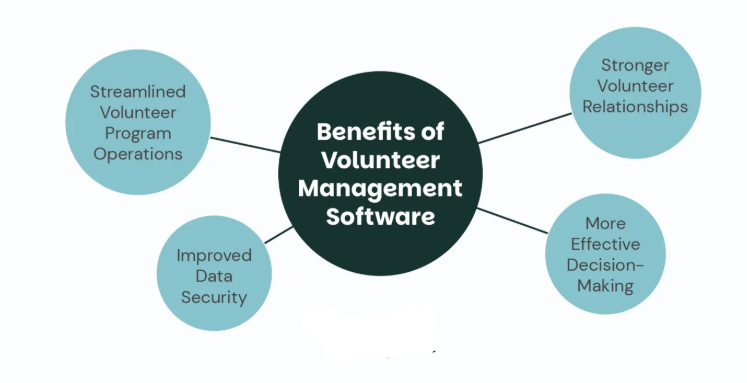
Wenn diese Vorteile ineinandergreifen, wandelt sich die unternehmerische Freiwilligenarbeit von einer Reihe isolierter Ereignisse zu einer kohärenten globalen Bewegung, die für Mitarbeiter mühelos und für Unternehmen strategisch wertvoll ist.
Im Webinar zum Corporate Volunteering Quotientvon Goodera erklärte Harshith von Atlassian, dass die Teilnahme drastisch steigt, wenn Unternehmen das Finden von Freiwilligenprojekten so einfach machen wie das Buchen eines Kinotickets. Ein nahtloser digitaler Prozess kann durch den Abbau von Einstiegshürden zögerliche Erstteilnehmer zu regelmäßigen Freiwilligen machen.
Wenn Ihre Mitarbeiter in weniger als dreißig Sekunden relevante Freiwilligenangebote durchsuchen könnten, wie würde das die Kultur des Gebens in Ihrem Unternehmen verändern? Unternehmen, die optimierte Systeme einführen, stellen oft fest, dass es nie an der Motivation der Freiwilligen mangelte. Das Problem war der Zugang – und die richtige Plattform beseitigt diese Barriere sofort.
Unternehmensfreiwilligenarbeit gedeiht, wenn sie durch durchdachtes Design, mühelose Technologie und ein klares Verständnis der Mitarbeiterbedürfnisse unterstützt wird. Bei der Nutzung der besten Plattformen für das Management von Corporate-Volunteering-Programmen geht es nicht nur um Bequemlichkeit. Es geht darum, inklusive, zugängliche und skalierbare Wege zu schaffen, damit Mitarbeiter sich für die Anliegen engagieren können, die ihnen am wichtigsten sind.
Um zu erfahren, wie globale Organisationen nahtlose Freiwilligenerlebnisse über Regionen und Zeitzonen hinweg gestalten, entdecken Sie die Season of Giving-Kampagnevon Goodera. Sie zeigt echte Programme, Beispiele und Strategien, die Sie für Ihre eigenen Teams adaptieren können.

Die wichtigsten Funktionen einer Software für das Freiwilligenmanagement von Mitarbeitern
Bei der Wahl einer Plattform geht es im Grunde darum zu verstehen, welche Funktionen Ihre Corporate-Volunteering-Programme über eine globale Belegschaft hinweg skalierbarer, zugänglicher und wirkungsvoller machen. Die besten Tools für das Management von globalem Mitarbeiterengagement und Freiwilligenarbeit reduzieren die Komplexität, damit sich CSR-Teams auf die Strategie statt auf die Logistik konzentrieren können.
1. Globale Reichweite und mehrsprachige Unterstützung
Eine leistungsstarke Plattform sollte Lokalisierung über Sprachen, Feiertage und kulturelle Kontexte hinweg bieten. Mitarbeitende in Indien, Europa und den USA müssen auf Möglichkeiten zum freiwilligen Engagement so zugreifen können, dass sie sich für sie natürlich und kontextbezogen anfühlen. Dies verhindert, dass Freiwilligenarbeit zu regionenzentriert wirkt, und stellt sicher, dass globale Programme ein Gefühl der Inklusivität vermitteln.
Während des Webinars zum Corporate Volunteering Quotientvon Goodera betonte Harshith von Atlassian, dass die Anmeldezahlen für Freiwilligenarbeit deutlich steigen, wenn die Angebote lokalisiert und für die jeweilige Region relevant sind, da die Mitarbeitenden das Gefühl haben, dass die Aktivitäten den Bedürfnissen ihrer eigenen Gemeinschaft entsprechen.
2. Echtzeit-Dashboards und Analysen
CSR-Teams benötigen die Möglichkeit, Teilnahmequoten, geleistete Stunden, Themenbereiche und die Programmleistung sofort zu messen. Echtzeitdaten helfen dabei, zu erkennen, welche Regionen mehr Aufmerksamkeit benötigen, welche Veranstaltungen bei den Mitarbeitenden am besten ankommen und wie das freiwillige Engagement mit übergeordneten CSR-Zielen korreliert.
Viele globale Unternehmen haben festgestellt, dass sie durch die Einführung von Software mit Echtzeit-Dashboards Rückgänge bei der Teilnahme frühzeitig erkennen und gezielte Kommunikationskampagnen starten konnten, um das Engagement innerhalb weniger Tage wieder zu steigern, anstatt bis zu den Quartalsberichten zu warten.
3. Nahtlose Integration in HR- und Spenden-Systeme
Freiwilligenarbeit funktioniert am besten, wenn sie Teil des Mitarbeiterlebenszyklus ist. Integrationen in HRIS-Systeme, Single Sign-On, interne Kommunikationskanäle und Spendentools helfen Mitarbeitenden dabei, Angebote mühelos zu finden, und ermöglichen es CSR-Teams, die Wirkungsberichterstattung über verschiedene Plattformen hinweg zu konsolidieren.
Integrationen reduzieren Reibungsverluste, eliminieren doppelte Dateneingaben und stellen sicher, dass sich freiwilliges Engagement natürlich in die Personalentwicklung, Leistungszyklen und Mitarbeiterbefragungen einfügt.
4. Mobilfreundliche und hybride Volunteering-Erlebnisse
Modernes freiwilliges Engagement muss die Mitarbeitenden dort abholen, wo sie sind – egal ob im Büro, zu Hause oder unterwegs. Die mobile Erreichbarkeit stellt sicher, dass Mitarbeitende jederzeit nach Aktivitäten suchen und sich anmelden können. Hybride Volunteering-Optionen, einschließlich kurzer virtueller Aufgaben oder persönlicher Veranstaltungen vor Ort, steigern die Teilnahme in globalen Teams.
Ein Technologieunternehmen mit einem hohen Anteil an Remote-Mitarbeitenden verzeichnete einen Anstieg der Teilnahme um mehr als 35 Prozent nach der Einführung von mobilem Volunteering, da die Mitarbeitenden während der Reise, in Pausen oder nach der Arbeit ohne Laptop an Aktivitäten teilnehmen konnten.
5. Anpassbare Volunteering-Kataloge und Themenbereiche
Unternehmen sollten in der Lage sein, Angebote basierend auf den Interessen, Fähigkeiten und dem CSR-Fokus des Unternehmens zusammenzustellen. Ob Nachhaltigkeit, Bildung, DEI oder Katastrophenhilfe im Vordergrund stehen – der Katalog für Freiwilligenarbeit muss flexibel genug sein, um sich anzupassen.
Anpassungsmöglichkeiten helfen den Mitarbeitenden, sich emotional mit den gewählten Anliegen verbunden zu fühlen, was zu wiederholter Teilnahme und tieferem Engagement führt.
6. Engagement-Tools, die zur Teilnahme motivieren
Funktionen wie Erinnerungen, Social Sharing, Einladungen an Kollegen, Team-Challenges oder der Austausch von Erfahrungen verleihen dem Engagement neuen Schwung. Wenn Mitarbeiter sehen, wie ihre Kollegen teilnehmen und Erfolge feiern, entsteht eine Dynamik, die zu einer breiteren Beteiligung führt.
Selbst einfache Impulse wie personalisierte Empfehlungen oder Benachrichtigungen zu neuen Möglichkeiten helfen Mitarbeitern, mit dem Programm verbunden zu bleiben, ohne sich überfordert zu fühlen.
7. Compliance und Sicherheit
Global agierende Unternehmen müssen Datenschutzgesetze, Anforderungen an die Prüfung gemeinnütziger Organisationen, Datenschutzbestimmungen und regionale rechtliche Vorgaben einhalten. Eine zuverlässige Plattform stellt sicher, dass alle Daten zu Freiwilligen, gemeinnützigen Organisationen und Mitarbeitern sicher bleiben und gleichzeitig die erforderlichen Compliance-Standards erfüllt werden.
Compliance ist besonders für Unternehmen wichtig, die in Regionen mit strengen regulatorischen Rahmenbedingungen tätig sind. Sie stellt sicher, dass Freiwillige vertrauensvoll teilnehmen können und Unternehmen betriebliche Risiken vermeiden.
8. Wirkungsberichte und Storytelling für Freiwillige
Zahlen sind wichtig, aber erst Geschichten erwecken sie zum Leben. Leistungsstarke Reporting-Tools helfen CSR-Teams dabei, Reflexionen zu sammeln, Ergebnisse hervorzuheben und Beiträge von Freiwilligen auf eine Weise zu würdigen, die authentisch und inspirierend wirkt. Dies unterstützt sowohl die interne Unternehmenskultur als auch die externe Kommunikation für ESG-Berichte, Präsentationen vor der Geschäftsführung oder Employer-Branding-Maßnahmen.
Ein System, das Storytelling ermöglicht, hilft Mitarbeitern, die menschliche Wirkung hinter ihrem Einsatz zu erkennen, was das Sinngefühl in den Teams stärkt.
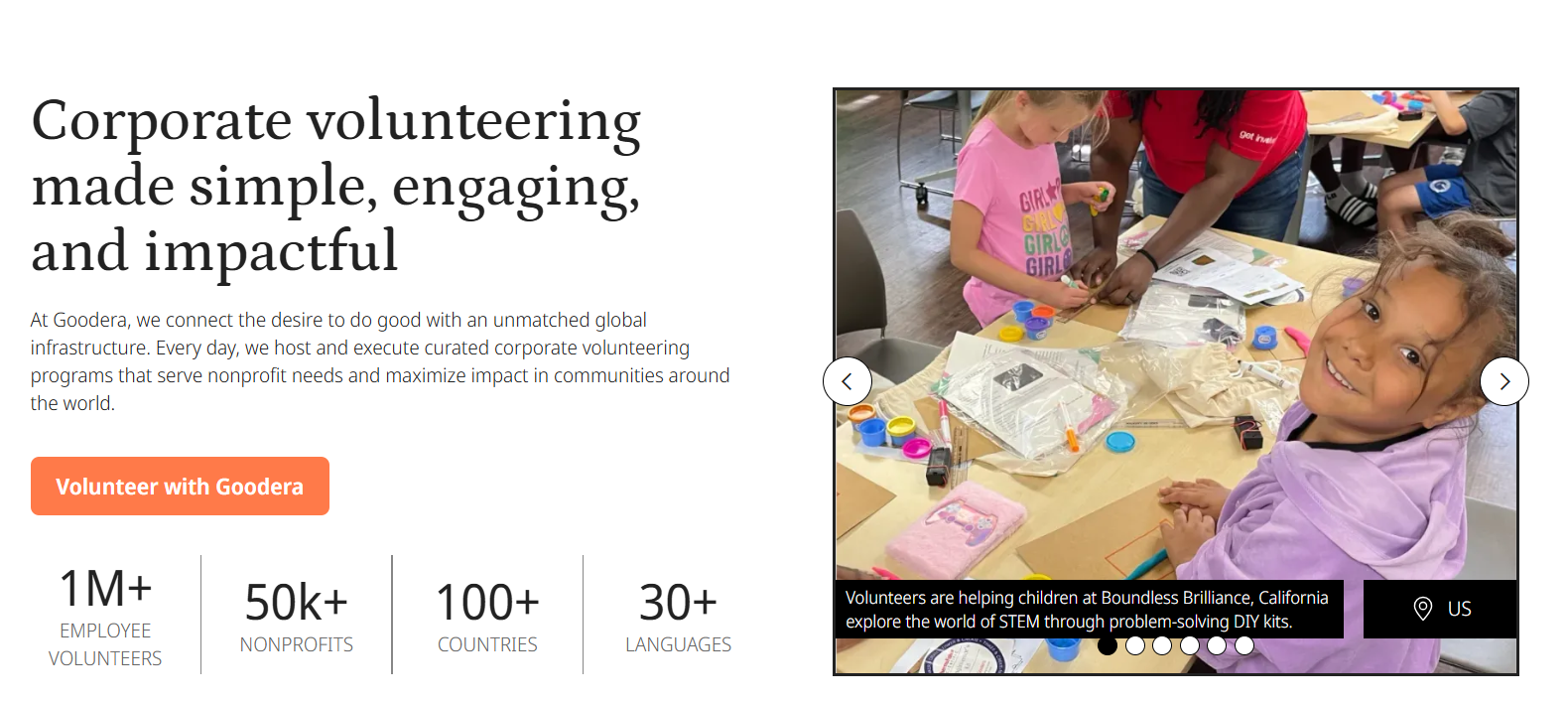
Um zu erfahren, wie führende Unternehmen ihr globales Engagement mit Echtzeit-Dashboards, mehrsprachiger Unterstützung und hybriden Freiwilligenoptionen optimieren, können Sie sich Gooderas Plattform für Mitarbeiterengagement ansehen. Sie unterstützt CSR-Teams dabei, Programme ganzheitlich zu verwalten, globale Teams einzubinden und die Wirkung klar zu messen. Das Banner für unternehmerisches Engagement von Goodera zeigt Mitarbeiter, die Kindern bei Boundless Brilliance in Kalifornien mit MINT-DIY-Kits helfen, und unterstützt 1 Million Mitarbeiter sowie 50.000 gemeinnützige Organisationen in 100 Ländern.
Die 7 besten Plattformen für das Management von Corporate-Volunteer-Programmen
Die Wahl der besten Plattform für das Management von Corporate-Volunteer-Programmen hängt von der Größe, der Kultur, der geografischen Reichweite Ihres Unternehmens und der Art der Erfahrung ab, die Sie Ihren Mitarbeitern bieten möchten. Die folgenden Plattformen gehören zu den stärksten, innovativsten und am weitesten verbreiteten Tools für globales Engagement und Mitarbeiterförderung. Jede hat ihre eigenen Stärken; wenn Sie deren einzigartige Funktionen verstehen, können Sie leichter entscheiden, was zur Vision Ihres Unternehmens passt.
1. Goodera
Goodera ist eine globale Plattform für Mitarbeiterengagement, die für Unternehmen entwickelt wurde, die eine durchgängige Einfachheit bei gleichzeitig starker globaler Umsetzung suchen. Sie bietet kuratierte Freiwilligenangebote in mehr als 100 Ländern, unterstützt über 30 Sprachen und arbeitet weltweit mit zehntausenden gemeinnützigen Organisationen zusammen. Eines der wichtigsten Alleinstellungsmerkmale von Goodera ist die Fähigkeit, Freiwilligenprojekte in großem Maßstab zu konzipieren und durchzuführen, wodurch sich CSR-Teams auf die Strategie statt auf die Logistik konzentrieren können.
Unternehmen entscheiden sich oft für Goodera, wenn sie globale Service-Events, Möglichkeiten für Remote-Engagement oder gezielt kuratierte Kampagnen starten möchten. Die globale Infrastruktur macht die Plattform besonders geeignet für verteilte Teams in den USA, Indien und Europa. Im Kern verbindet Goodera Unternehmen mit echten Bedürfnissen der Gemeinschaft und bietet messbare Wirkungsberichte, die CSR-Verantwortlichen helfen, aussagekräftige Geschichten über ihre Erfolge zu erzählen.
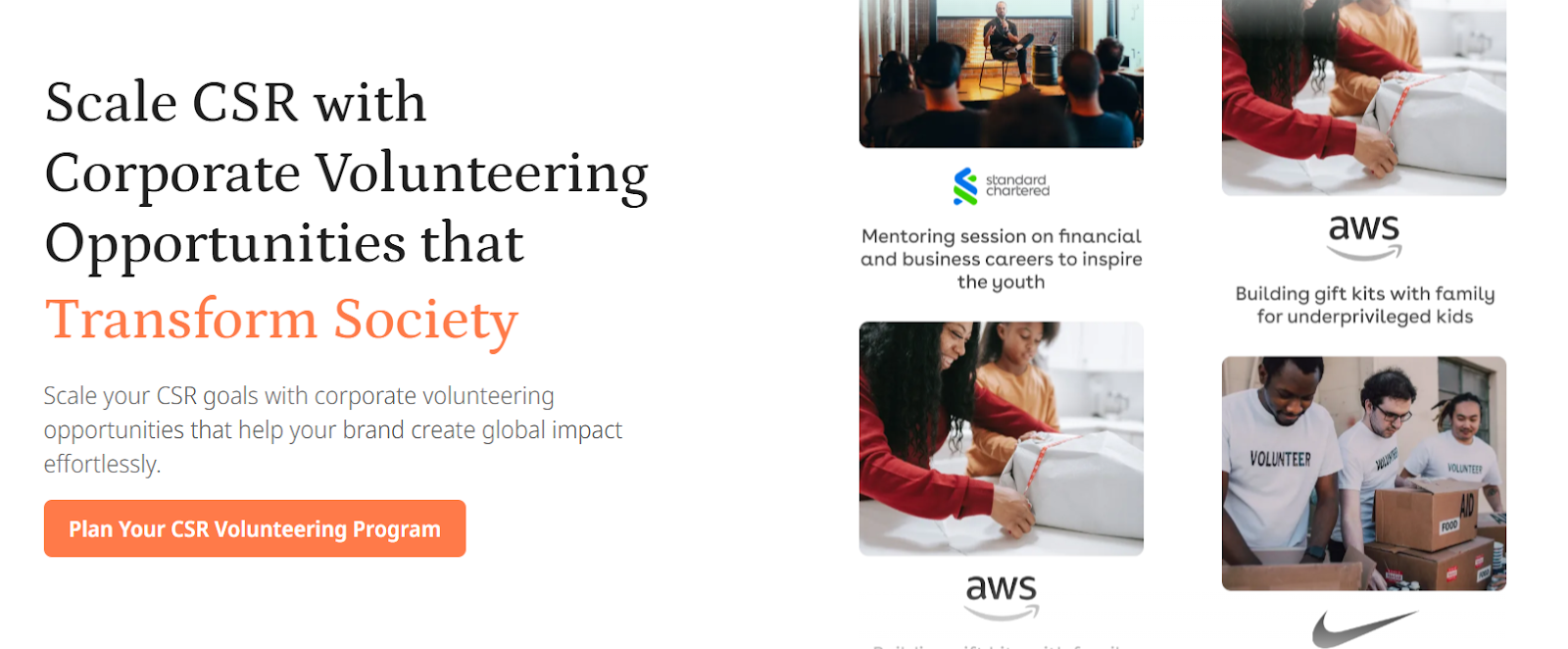
Um zu erfahren, wie führende globale Marken sinnvolle und skalierbare Freiwilligenprogramme gestalten, entdecken Sie Gooderas kuratierte Freiwilligenangebote. Diese Praxisbeispiele von Teams bei Standard Chartered, AWS und Nike zeigen, wie strukturiertes Mitarbeiterengagement Jugendliche inspirieren, benachteiligte Familien unterstützen und in verschiedenen Regionen einen gesellschaftlichen Beitrag leisten kann.
2. Benevity
Benevity ist weithin bekannt für die Unterstützung von Großunternehmen, die ein integriertes Ökosystem für Freiwilligenarbeit und unternehmerisches Spendenwesen suchen. Die Plattform wurde entwickelt, um Mitarbeitenden zu helfen, Möglichkeiten zu entdecken, an geprüfte gemeinnützige Organisationen zu spenden und ihren Einfluss an einem zentralen Ort zu verfolgen. Die Stärke von Benevity liegt in der Datenbank für gemeinnützige Organisationen, den Automatisierungsfunktionen und den globalen Prüfverfahren, die ideal für Unternehmen sind, bei denen Compliance und Governance im Vordergrund stehen.
Unternehmen, die Benevity nutzen, schätzen oft den einheitlichen Ansatz für Freiwilligenarbeit und Spenden. Die Plattform lässt sich in HR-Systeme, Treueprogramme und Lernplattformen integrieren, wodurch es einfacher wird, Freiwilligenarbeit mit umfassenderen Zielen zur Mitarbeiterbindung zu verknüpfen. Für große multinationale Konzerne, die komplexe Compliance-Anforderungen bewältigen müssen, bietet Benevity Zuverlässigkeit und Tiefe.
3. Submittable
Submittable begann als Tool für das Einreichungsmanagement, hat sich jedoch auf CSR- und Community-Impact-Programme ausgeweitet und ist zu einem starken Wettbewerber im Bereich der betrieblichen Freiwilligenarbeit geworden. Was Submittable auszeichnet, ist der Fokus auf die Vergabe von Fördermitteln und die Verfolgung sozialer Auswirkungen, was für Unternehmen attraktiv ist, die sowohl Freiwilligenarbeit als auch Programme zur Investition in die Gemeinschaft betreiben.
Im Bereich der Freiwilligenarbeit bietet Submittable Veranstaltungskoordination, Anmelde-Workflows und eine Dokumentation der Auswirkungen. Es ist besonders wertvoll für CSR-Teams, die sowohl Freiwilligenarbeit als auch die Vergabe von Fördermitteln an die Gemeinschaft an einem Ort verwalten möchten. Unternehmen mit einem starken Engagement für die Gemeinschaft entscheiden sich oft für Submittable aufgrund der Flexibilität der Arbeitsabläufe und der transparenten Berichterstattung.
4. Alaya by Benevity
Alaya wurde mit einem starken Fokus auf emotionale Bindung und Storytelling entwickelt. Es kombiniert Freiwilligenarbeit, Spenden und nachhaltige Aktionskampagnen in einer visuell ansprechenden, intuitiven Benutzeroberfläche. Mitarbeitende entdecken Möglichkeiten, die ihren Interessen, Fähigkeiten und Werten entsprechen, und die Plattform fördert die Teilnahme durch soziale Funktionen.
Teams entscheiden sich für Alaya, wenn sie eine moderne, visuell ansprechende Erfahrung wünschen, die sich persönlich und gemeinschaftsorientiert anfühlt. Es eignet sich besonders für Organisationen, die den Aufbau einer Unternehmenskultur, die interne Vernetzung und ein Gefühl für gemeinsame Ziele in den Vordergrund stellen. Das Design von Alaya hilft neuen Freiwilligen zudem, sich willkommen und motiviert zu fühlen.
5. Bright Funds
Bright Funds konzentriert sich auf das Spenden und die Freiwilligenarbeit von Mitarbeitenden, indem es ihnen ermöglicht, Anliegen durch kuratierte Fonds, gemeinnützige Partner und personalisierte Empfehlungen zu unterstützen. Die übersichtliche Benutzeroberfläche und der Fokus auf die Glaubwürdigkeit gemeinnütziger Organisationen machen es zu einem Favoriten bei Unternehmen, die Transparenz und Benutzerfreundlichkeit suchen.
Organisationen, die den Einfluss gemeinnütziger Arbeit priorisieren, wählen oft Bright Funds, da es detaillierte Profile, Finanzdaten und organisatorische Ziele präsentiert. Die Tools für Freiwilligenarbeit ermöglichen es Unternehmen, Veranstaltungen zu organisieren, Stunden zu erfassen und Geschichten von Mitarbeitenden hervorzuheben. Diese Ausgewogenheit macht Bright Funds sowohl für wachsende Unternehmen als auch für etablierte Konzerne geeignet, die ihren Ansatz für soziale Auswirkungen vertiefen möchten.
6. Golden
Golden ist bekannt für sein dynamisches Veranstaltungsmanagement und sein starkes Netzwerk an gemeinnützigen Organisationen. Die Plattform bietet flexible Möglichkeiten für Freiwilligenarbeit, von Präsenzveranstaltungen bis hin zu kurzen virtuellen Aufgaben. Die Technologie von Golden priorisiert die Koordination in Echtzeit, was CSR-Teams dabei hilft, mehrere Veranstaltungen gleichzeitig zu verwalten und schnell auf die Bedürfnisse von Freiwilligen zu reagieren.
Eine herausragende Stärke von Golden ist die Fähigkeit, durch seine Partnerschaften mit gemeinnützigen Organisationen schnell Möglichkeiten zu finden. Organisationen wählen Golden oft, wenn sie Agilität bei der Aktivierung von Freiwilligen benötigen, etwa bei der Katastrophenhilfe, der Mobilisierung lokaler Gemeinschaften oder bei intensiven Aktionstagen.
7. VolunteerMatch
VolunteerMatch ist eine der bekanntesten Plattformen, um Freiwillige mit gemeinnützigen Organisationen zu vernetzen. Mit einer riesigen Datenbank an Möglichkeiten bietet sie Mitarbeitenden einen einfachen und effektiven Weg, Projekte zu finden, die ihnen am Herzen liegen. Obwohl es sich nicht um eine umfassende Software zur Verwaltung von Corporate Volunteering handelt, nutzen viele Unternehmen sie als Recherche-Tool im Rahmen einer breiteren Engagement-Strategie.
Unternehmen kombinieren VolunteerMatch häufig mit ihren internen CSR-Systemen, um die Vielfalt der Angebote für ihre Mitarbeitenden zu erhöhen. Besonders wertvoll ist dies für Teams, die ihren Mitarbeitenden über strukturierte, unternehmenseigene Events hinaus ein breites Spektrum an Möglichkeiten bieten möchten, sich gesellschaftlich zu engagieren.
Jede dieser Plattformen bietet spezifische Vorteile – von der globalen Umsetzung von Freiwilligenarbeit über die Integration von Fördermitteln bis hin zur schnellen Mobilisierung für Events. Die Kenntnis der individuellen Stärken der Anbieter hilft Unternehmen dabei, die optimale Software für die Verwaltung von globalem Mitarbeiterengagement und Freiwilligenarbeit zu finden, die zu ihrer Unternehmenskultur, ihren Zielen und ihrer globalen Präsenz passt.
So implementieren Sie eine Software für das Corporate Volunteer Management in Ihrem Unternehmen
Die meisten Unternehmen stellen sich vor der Einführung einer Software für das Freiwilligenmanagement eine einfache, aber entscheidende Frage: Was ist nötig, um das ehrenamtliche Engagement der Mitarbeitenden über alle Teams, Regionen und Anliegen hinweg reibungslos zu koordinieren? Diese Frage ist essenziell, da der Erfolg einer solchen Software nicht nur von der Akzeptanz abhängt, sondern auch von der klaren Vision, die dahintersteht.
Die Implementierung der besten Plattformen gelingt leichter, wenn Unternehmen einem klaren, menschenzentrierten Fahrplan folgen. Dieser sorgt für einen reibungslosen Übergang für die Mitarbeitenden, etabliert planbare Arbeitsabläufe für CSR-Teams und stellt sicher, dass jede Erfahrung als motivierend, sinnvoll und im Einklang mit der Unternehmensmission wahrgenommen wird.
Beginnen Sie mit der entscheidenden Frage
„Wie stellen wir sicher, dass sich Freiwilligenarbeit für Mitarbeitende in verschiedenen Regionen strukturiert, zugänglich und emotional bereichernd anfühlt?“
Diese Frage hilft Führungskräften, über technische Funktionen hinauszublicken und sich auf das kulturelle Fundament zu konzentrieren, das für den Erfolg notwendig ist. Wenn Unternehmen definieren, wie sich die Kultur des Engagements anfühlen soll, wird die Wahl der passenden Software klarer und strategischer.
Schritt für Schritt: So verwalten Sie Corporate-Volunteering-Programme
1. Bestandsaufnahme
Verschaffen Sie sich zunächst einen Überblick über den Ist-Zustand. Analysieren Sie die aktuell genutzten Tools, die erfassten Daten, die Häufigkeit des Engagements und mögliche Reibungspunkte. Viele Unternehmen stellen fest, dass die Beteiligung nicht an mangelndem Interesse scheitert, sondern an einem unübersichtlichen Prozess.
2. Klare Ziele und Kennzahlen definieren
Bewährte Methoden im Corporate Volunteer Management setzen auf Ziele wie die Steigerung der Beteiligungsquote, geleistete Stunden, Team-Engagement, Vielfalt der Projekte und Feedback der gemeinnützigen Organisationen. Klare Kennzahlen helfen Unternehmen, bei der Einführung des neuen Systems den Fokus zu behalten.
3. Den richtigen Anbieter auswählen
Die Wahl der besten Software für den Überblick über globales Mitarbeiterengagement hängt von Faktoren wie Geografie, Unternehmensgröße, bevorzugten Themenbereichen, Reporting-Anforderungen und Integrationsmöglichkeiten ab. Unternehmen, die in den USA, Indien und Europa tätig sind, legen oft Wert auf Lokalisierung und mehrsprachigen Support, damit sich das Engagement über Kulturgrenzen hinweg intuitiv anfühlt.
4. Pilotprojekt starten
Ein Pilotprojekt ermöglicht es, den Ansatz vor dem globalen Rollout zu verfeinern. Der Start in einem bestimmten Büro oder einer mittelgroßen Region hilft dabei, die Motivation der Teams zu verstehen und Barrieren abzubauen. Zudem entstehen so erste Fürsprecher, die das neue System für Freiwilligenmanagement im Unternehmen unterstützen können.
5. Mitarbeiter schulen und einbinden
Die Akzeptanz durch die Mitarbeiter hängt von der Kommunikation ab. Ein klares, freundliches und einfaches Onboarding hilft den Mitarbeitern zu verstehen, wie sie teilnehmen können, warum ehrenamtliches Engagement wichtig ist und wie sie Projekte finden, die sie persönlich ansprechen. Storytelling und Beispiele von Kollegen vertiefen die emotionale Bindung und lassen das neue System einladend statt überfordernd wirken.
6. Globaler Start
Sobald das Fundament steht, kann das Unternehmen skalieren. Erfolgreiche globale Einführungen berücksichtigen Zeitzonen, lokale Feiertage, hybride Formate und kulturelle Besonderheiten. Eine leistungsstarke Software unterstützt virtuelle Veranstaltungen, lokale Community-Treffen und die Koordination in Echtzeit über Kontinente hinweg.
7. Messen und Optimieren
Die Verfolgung von Fortschritten hilft dabei, zukünftige Kampagnen zu verfeinern. Das Sammeln von Feedback, das Verständnis von Teilnahmemustern und die Identifizierung beliebter Anliegen helfen CSR-Teams dabei, das Angebot an Freiwilligenarbeit anzupassen und zu verbessern. Dies fördert ein kontinuierliches Engagement und stellt sicher, dass sich das Programm mit den Interessen der Mitarbeiter weiterentwickelt.
8. Storytelling verstärken
Wenn Mitarbeiter sehen, welche Wirkung ihr Engagement hat, identifizieren sie sich stärker mit dem Programm. Das interne Teilen von Ergebnissen, das Vorstellen von Teams und das Hervorheben von Erfolgsgeschichten gemeinnütziger Organisationen stärken das Zugehörigkeitsgefühl und machen die Mitarbeiter stolz auf ihren Beitrag.
Wussten Sie schon? Die Teilnahme an betrieblicher Freiwilligenarbeit nimmt weltweit stetig zu. Branchenstudien zufolge ist das Engagement der Mitarbeiter in strukturierten Freiwilligenprogrammen von Jahr zu Jahr gestiegen, da Unternehmen zunehmend intuitivere Plattformen nutzen. Organisationen, die ein spezielles Managementsystem für Freiwilligenarbeit einsetzen, berichten von einem Anstieg von bis zu 40 Prozent bei der Teilnahme, da Mitarbeiter Angebote leichter entdecken und ihre Wirkung in Echtzeit verfolgen können.
Diese wachsende Dynamik spiegelt einen Wandel in den Erwartungen der Mitarbeiter wider. Menschen suchen nach sinnvollen Erfahrungen, die ihren persönlichen Werten entsprechen, und Unternehmen mit einer starken Infrastruktur für Freiwilligenarbeit erzielen oft höhere Werte bei Mitarbeiterbindung und Engagement.
Im Goodera-Webinar „C-Suite und Engagement“ erklärte Alissa May, Vice President of Impact bei Goodera, dass die Unterstützung durch die Geschäftsführung die Akzeptanz während der Implementierung drastisch beschleunigt. Ihre Erkenntnis: Wenn Führungskräfte über Freiwilligenarbeit sprechen, selbst mit gutem Beispiel vorangehen und strukturierte Dashboards nutzen, fühlen sich die Mitarbeiter darin bestärkt, dass ehrenamtliches Engagement ein geschätzter Teil der Unternehmenskultur ist. Sie betonte, dass die Integration von Daten zur Freiwilligenarbeit in regelmäßige Geschäftsberichte dazu beiträgt, die Ausrichtung der Führungsebene und die langfristige Dynamik aufrechtzuerhalten.
Diese Erkenntnis unterstreicht, wie wichtig es ist, Software für das Freiwilligenmanagement fest in den Unternehmensalltag zu integrieren, anstatt sie als isolierte Initiative zu betrachten.
Die Implementierung einer Software für das betriebliche Freiwilligenmanagement ist mehr als nur ein operatives Upgrade. Sie steht für den Wandel hin zu einer einheitlicheren, gestärkten und zweckorientierten Mitarbeitergemeinschaft. Wenn Unternehmen einem klaren Fahrplan folgen, in Kommunikation investieren und auf kontinuierliche Verbesserung setzen, wird Freiwilligenarbeit zu einem festen Bestandteil der Mitarbeitererfahrung und nicht nur zu einem einmaligen Ereignis.
Fazit
Betriebliche Freiwilligenarbeit entwickelt sich schneller denn je, und Unternehmen, die diesen Wandel annehmen, entdecken dabei ein enormes Potenzial. Wenn Mitarbeiter einfache, intuitive und sinnvolle Möglichkeiten erhalten, sich einzubringen, werden sie nicht nur zu Freiwilligen, sondern zu Botschaftern für einen guten Zweck. Die richtige Technologie wertet diese Erfahrung auf, indem sie Freiwilligenarbeit über Grenzen hinweg zugänglich, über Programme hinweg messbar und für jedes Team inspirierend macht. Ob ein Unternehmen gerade erst am Anfang steht oder seine Wirkung über Kontinente hinweg skaliert: Ein durchdachtes Managementsystem für Freiwilligenarbeit bildet das Fundament für eine Kultur des Gebens, die nachhaltig, inklusiv und zutiefst menschlich ist.
Die moderne Arbeitswelt sucht nach Verbindung, Sinn und Möglichkeiten, greifbare Veränderungen zu bewirken. Durch Investitionen in erstklassige Plattformen für das Management von Corporate-Volunteering-Programmen sowie in Software für globale Spenden- und Freiwilligeninitiativen entwickeln sich Unternehmen von rein transaktionalen Abläufen hin zu transformativen Erlebnissen. Dies stärkt das Zugehörigkeitsgefühl, fördert das Wohlbefinden der Mitarbeitenden und erzielt echte soziale Wirkung. Indem Unternehmen diese Systeme einführen, ebnen sie den Weg in eine Zukunft, in der ehrenamtliches Engagement zum natürlichen Bestandteil des Arbeitsalltags wird, die Stärkung der Gemeinschaft zur gemeinsamen Verantwortung avanciert und jeder Mitarbeitende mit Zuversicht und Klarheit einen Beitrag leisten kann.
In einer Welt, in der Sinnhaftigkeit zu einer treibenden Kraft für Organisationen und Einzelpersonen geworden ist, ist technologiegestütztes Corporate Volunteering kein bloßes „Nice-to-have“ mehr. Es ist eine essenzielle Strategie für jedes Unternehmen, das bewusst wachsen, mit Empathie führen und eine engagierte Belegschaft aufbauen möchte, die bereit ist, eine bessere Welt zu gestalten.
Frequently Asked Questions
1. Was ist eine Software für das Management von Corporate Volunteering und warum benötigen Unternehmen sie?
Eine Software für das Management von Corporate Volunteering ist ein digitales System, das Organisationen dabei unterstützt, ehrenamtliches Engagement und Spendenprogramme über Teams und Regionen hinweg zu planen, zu koordinieren, nachzuverfolgen und zu skalieren. Unternehmen benötigen sie, da manuelle Koordination mit wachsender globaler Belegschaft ineffizient und inkonsistent wird. Eine zentralisierte Plattform sorgt für reibungslose Kommunikation, präzises Reporting, inklusive Teilhabe und ein einheitliches Erlebnis für alle Mitarbeitenden weltweit.
2. Wie verbessert ein Volunteer-Management-System für Unternehmen die Beteiligung der Mitarbeitenden?
Ein Volunteer-Management-System macht es einfach, ehrenamtliche Tätigkeiten zu finden, sich anzumelden und teilzunehmen. Mitarbeitende erhalten klare Anweisungen, personalisierte Empfehlungen und flexible Formate wie Vor-Ort-, virtuelle oder hybride Angebote. Wenn der Prozess einfach und intuitiv gestaltet ist, steigt die Beteiligung ganz natürlich, da Hürden wie verstreute E-Mails, unklare Logistik oder veraltete Anmeldemethoden wegfallen.
3. Welche Funktionen sollten Organisationen bei der Auswahl der besten Plattformen für das Management von Corporate-Volunteering-Programmen priorisieren?
Unternehmen sollten auf globale Lokalisierung, leistungsstarke Reporting-Tools, mobile Verfügbarkeit, Integrationen für HR und Spenden, die Prüfung von Non-Profit-Organisationen, Unterstützung für hybride Formate sowie Engagement-Tools zur Motivation der Mitarbeitenden achten. Plattformen, die diese Fähigkeiten vereinen, schaffen konsistente, skalierbare Programme, die über Zeitzonen, Kulturen und individuelle Präferenzen hinweg funktionieren.
4. Können auch kleine oder mittelständische Unternehmen von einer Software für das Management von Corporate Volunteering profitieren?
Ja. Auch Organisationen mit kleineren Teams profitieren von strukturierten Tools, da diese den administrativen Aufwand reduzieren, die Koordination mit Non-Profit-Partnern vereinfachen und den Mitarbeitenden einen klaren, zugänglichen Weg zum Engagement bieten. Kleinere Unternehmen erleben oft einen schnelleren Aufbau ihrer Unternehmenskultur, da die Systeme es ermöglichen, Programme ohne große CSR-Abteilungen zu starten.
5. Wie wird die Wirkung von ehrenamtlichem Engagement durch Software gemessen?
Die Wirkung wird durch eine Kombination von Kennzahlen gemessen, wie etwa geleistete Stunden, Beteiligungsraten der Teams, Verteilung auf verschiedene Themenbereiche, regionales Engagement, Feedback der Mitarbeitenden und die Ergebnisse für die Non-Profit-Organisationen. Die Software konsolidiert diese Daten in Dashboards und Berichten, die der Führungsebene helfen, den ROI zu bewerten, zukünftige Kampagnen zu optimieren und Erfolgsgeschichten intern sowie extern zu kommunizieren.
6. Ist es möglich, globales Volunteering ohne Software zu verwalten?
Es ist möglich, aber selten effektiv skalierbar. Ohne Software stehen Organisationen vor Herausforderungen wie inkonsistenter Kommunikation, mangelnder Transparenz, verstreuten Daten, Compliance-Problemen und ungleichen Erfahrungen in verschiedenen Regionen. Mit zunehmender Verteilung der Teams wird Software essenziell, um Qualität, Zugänglichkeit und verlässliches Reporting in allen Märkten sicherzustellen.
7. Wie kann ein Unternehmen Mitarbeitende dazu ermutigen, eine neue Software für das Volunteer-Management zu nutzen?
Organisationen können die Akzeptanz steigern, indem sie ein einfaches Onboarding bieten, inspirierende Geschichten über ehrenamtliches Engagement teilen, die Unterstützung der Führungsebene sichern, personalisierte Empfehlungen versenden und Pilotgruppen starten, die als interne Multiplikatoren fungieren. Klare Kommunikation und sichtbare Teilnahme der Führungskräfte helfen den Mitarbeitenden, Volunteering als wertvollen Bestandteil der Unternehmenskultur wahrzunehmen.
8. Was ist der Unterschied zwischen einer Software für das Management von Corporate Volunteering und Spendenplattformen?
Software für das Management von Corporate Volunteering konzentriert sich darauf, Mitarbeitende für gemeinnützige Aktivitäten zu gewinnen, die Teilnahme zu erfassen und Veranstaltungen zu koordinieren, während Spendenplattformen primär für finanzielle Zuwendungen konzipiert sind. Viele moderne Lösungen kombinieren beides, sodass Mitarbeitende sich engagieren, spenden und ihre gesamte soziale Wirkung an einem Ort nachverfolgen können.
9. Wie koordinieren Unternehmen globale Volunteering-Programme effektiv?
Unternehmen sind erfolgreich, wenn sie Software einsetzen, die mehrsprachige Erlebnisse, regionale Kalender, Compliance-Anforderungen, virtuelle und hybride Freiwilligenoptionen sowie einheitliche Berichterstattung unterstützt. Klare Prozesse, lokale Ansprechpartner und kulturell relevante Angebote tragen zudem dazu bei, dass sich globale Teams im Programm repräsentiert und unterstützt fühlen.
10. Lassen sich diese Softwareplattformen an die CSR-Ziele unseres Unternehmens anpassen?
Die meisten modernen Plattformen bieten umfangreiche Anpassungsmöglichkeiten. CSR-Teams können Zweckkategorien individuell festlegen, gebrandete Seiten erstellen, globale Kampagnen entwerfen, benutzerdefinierte Berichtsfelder anlegen und Kataloge für Freiwilligenarbeit zusammenstellen, die die Werte des Unternehmens widerspiegeln. So wird sichergestellt, dass sich das Programm stimmig in die Mission und Kultur des Unternehmens einfügt.



.webp)