What Is El Niño and Why Is the 2026 Event So Alarming?

"El Niño is being supersized before our eyes." — UN Secretary-General António Guterres, World Meteorological Organization, September 2026
Remember when summer heat meant a few brutal days you could escape with a cold drink and some air conditioning?
Lately, extreme heat has felt different. Across the U.S., familiar seasons have brought unfamiliar weather: hotter-than-usual days, intense rainfall, flooding, drought, and storms that seem harder to predict. And the changes are not limited to one country. Parts of South America have faced intense rainfall and flooding, while Australia and Indonesia are experiencing severe heat and drought. Across Asia, shifting rainfall patterns are disrupting agriculture, water supplies, and livelihoods.
There is a natural climate phenomenon behind some of these swings: El Niño.
El Niño occurs when sea surface temperatures in the central and eastern tropical Pacific Ocean become warmer than average. That warming sets off a chain reaction in the atmosphere, altering the jet stream and shifting weather patterns far beyond the Pacific.
The result is being felt thousands of miles from the Pacific. Some regions are seeing heavier rain and flooding, while others are facing drought, extreme heat, or disrupted growing seasons. El Niño typically develops every two to seven years and lasts around nine to 12 months.
And this time, the phenomenon is reaching extraordinary levels.
That is not a figure of speech. On September 14, 2026, NOAA's Climate Prediction Center confirmed that this year's El Niño had crossed the +2.0°C sea surface temperature anomaly threshold, the point at which meteorologists formally call it "very strong," or in common language, a Super El Niño. As of late September 2026, the weekly Niño-3.4 reading had already climbed to +2.2°C and rising.
NOAA now puts the probability of a "very strong" event at greater than 90% for the Northern Hemisphere fall and winter of 2026-27, and the chance of a "historic" event, meaning one that would surpass every El Niño recorded since 1950, at 75% for October through December 2026. AccuWeather meteorologist Alex DaSilva told Newsweek the current El Niño is "the strongest on record to date if you take the daily value."
The last time the world experienced a Super El Niño, in 1997-98, it triggered catastrophic flooding in Peru and Ecuador, devastating droughts across Southeast Asia and Australia, crop failures across three continents, and an estimated $100 billion in global economic damages. The 2026-27 event, arriving on top of already elevated global ocean and air temperatures from climate change, is forecast to be stronger.
This is not a weather story. It is a preparedness story. And for organizations that care about communities, it is an urgent call to action.
What Is El Niño? The Science Behind the Name
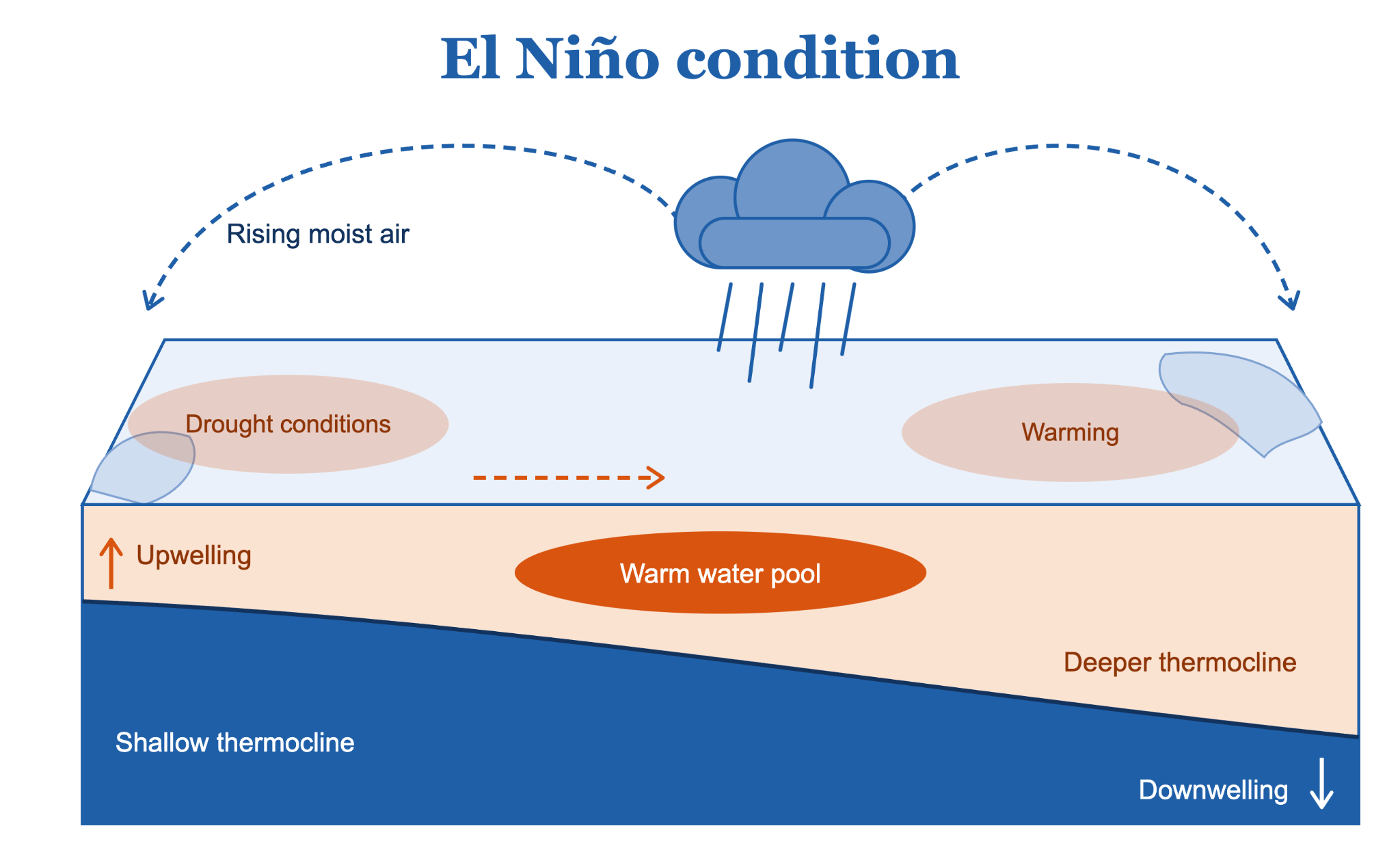
The name El Niño has a surprisingly human origin. Long before scientists understood the phenomenon, fishermen along the coasts of Peru and Ecuador noticed that the normally cool coastal waters would periodically become unusually warm around Christmas. The warmer water affected fish populations and their livelihoods, so they called the phenomenon El Niño, Spanish for "the boy," referring to the Christ Child. NOAA traces the name to observations made by fishermen in the 1800s, although the phenomenon itself has been occurring for centuries.
Scientists now use El Niño to describe the warm phase of a much larger climate pattern called the El Niño-Southern Oscillation (ENSO). ENSO is a recurring interaction between the tropical Pacific Ocean and the atmosphere above it. Its two main phases are El Niño, when the central and eastern tropical Pacific becomes warmer than average, and La Niña, when those waters become cooler than average.
That distinction matters because El Niño is not simply a hot patch of ocean. The unusual warmth changes how heat and moisture move through the atmosphere, influencing weather patterns far beyond the Pacific.
The ocean also provides an important clue to what happens next. During a typical year, winds and ocean currents help bring cold, nutrient-rich water from the deep ocean toward the surface along the coasts of Peru and Ecuador. When El Niño develops, that upwelling weakens. Fish populations that depend on those nutrients decline, which is why the phenomenon was first recognized as an economic and ecological problem by coastal communities long before it became a global climate story.
In other words, the name came from a seasonal observation by fishermen. The science came later.
What Is El Niño and What Does It Do?
The easiest way to understand El Niño's effects is to follow what happens to the systems people depend on: water, food, health, infrastructure, and livelihoods.
- Rainfall and water: El Niño shifts where moisture accumulates and where rain falls. Indonesia and Australia often experience drier conditions, while parts of western South America can receive much heavier rainfall. These changes can strain water supplies in drought-hit areas and overwhelm drainage systems, rivers, and communities elsewhere. NOAA explains these typical regional effects.
- Agriculture and food: A change in rainfall or temperature during a growing season can affect when farmers plant, how much they harvest, and how much they pay for water. Drought can reduce crop yields, while excessive rain and flooding can damage fields and infrastructure. These disruptions can travel through food markets well beyond the regions directly experiencing the weather.
- Health: Extreme heat increases the risk of heat-related illness, while floods can contaminate water supplies and create conditions for disease outbreaks. The World Meteorological Organization has warned about the health risks associated with El Niño, including those linked to extreme heat, flooding, and drought.
- Infrastructure and livelihoods: Roads, homes, power systems, schools, farms, and businesses are all exposed when extreme rainfall, flooding, drought, or heat lasts for weeks or months. Communities with weaker infrastructure and fewer resources to prepare or recover tend to face the greatest consequences.
- Global temperatures: El Niño also temporarily adds to global surface temperatures by shifting heat from the ocean into the atmosphere. Strong El Niño events are therefore often followed by exceptionally warm global years, as climate scientists have explained.
These effects do not occur in exactly the same way every time. Geography, the strength and timing of the event, and other climate patterns all influence what a particular region experiences. That is why scientists talk about El Niño risks and tendencies, rather than treating its effects as a fixed global recipe.
For communities and organizations preparing for the months ahead, that variability is important. Knowing that El Niño is underway provides an early warning, but understanding the likely regional effects is what turns that warning into preparation.
What Is the Cause of El Niño?
El Niño begins with a disruption in the usual relationship between the tropical Pacific Ocean and the atmosphere. The key players are trade winds, ocean temperatures, and the movement of warm and cold water.
In normal conditions, trade winds generally push warm surface water westward across the tropical Pacific. This allows colder water from deeper in the ocean to rise near the coasts of Peru and Ecuador. That process, called upwelling, brings nutrients to the surface and supports productive marine ecosystems.
Sometimes, those trade winds weaken. As they lose strength, the warm water that has accumulated in the western Pacific begins moving eastward. The eastern and central Pacific warms, evaporation increases, and more heat and moisture enter the atmosphere.
That creates a feedback loop. The warmer ocean changes atmospheric circulation, while the changed atmosphere alters the winds that influence the ocean. As the winds weaken further, even more warm water can move east. NOAA describes this ocean-atmosphere interaction as the mechanism that allows an El Niño event to develop and strengthen.
This is why El Niño is described as a natural climate pattern. It is part of Earth's climate system and has occurred long before modern climate change. NASA explains how scientists have identified evidence of past El Niño events using natural climate records.
What has changed is the background climate in which today's El Niño is occurring. The planet's oceans and atmosphere are already warmer because of human-caused climate change. That means the impacts of a naturally occurring El Niño are unfolding on top of an already warmer climate system.
Scientists are still studying exactly how climate change will affect the frequency, intensity, and characteristics of individual El Niño events. Claims that climate change simply makes every El Niño stronger or more frequent are too broad. What is clear is that the same El Niño event can produce greater heat extremes when it occurs on top of a warmer baseline.
That combination is especially important in 2026. The current El Niño is developing while global ocean temperatures remain exceptionally high, increasing the potential for its weather and climate effects to compound existing risks. World Vision's 2026 El Niño explainer provides additional context on how the current event could affect communities around the world.
Where El Niño Hits Hardest: A Region-by-Region Breakdown
El Niño does not affect every region in the same way. Its influence depends on geography, existing climate patterns, and the strength and timing of the event. For communities already dealing with food insecurity, weak infrastructure, water stress, or limited disaster-response capacity, even a temporary shift in rainfall or temperature can have lasting consequences.
Southeast Asia and the Pacific: Drought and Heatwave
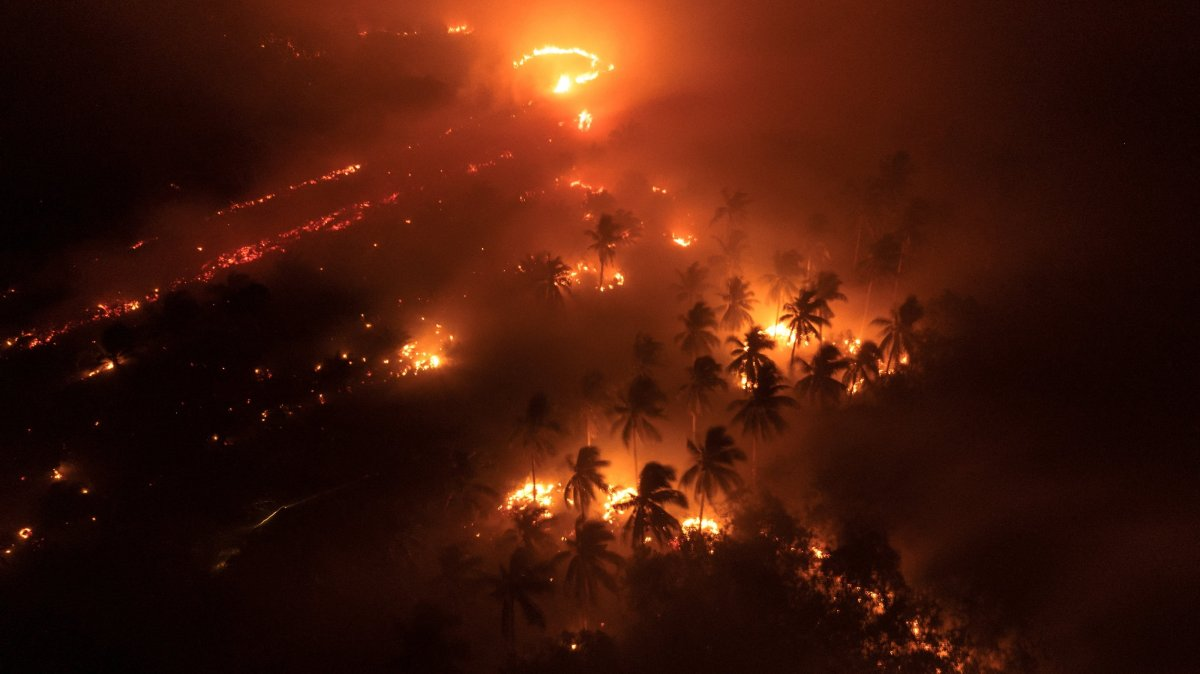
Image Source: Dailysabah
Southeast Asia, the Pacific Islands, and Australia face the highest combined climate and food security risk from this El Niño. Countries including Indonesia, the Philippines, Vietnam, Cambodia, Laos, Myanmar, Thailand, Malaysia, and Timor-Leste are facing a higher likelihood of prolonged heat, drought, and below-average rainfall.
The implications extend well beyond weather. Water shortages can affect households, agriculture, sanitation, and local businesses, while reduced rainfall can put pressure on food production. Rice is particularly important across the region, and the IFRC's Asia Pacific assessment warns that reduced fertilizer use is already threatening rice yields and increasing food costs for vulnerable households.
Drier and hotter conditions also increase wildfire risk. During the 2015-16 Super El Niño, fires in Indonesia affected 4.2 million people, while smoke pollution spread across large parts of Southeast Asia for months.
South America: Flooding in the South, Drought in the North
The effects are almost the opposite along parts of the western coast of South America. Peru and Ecuador, which normally experience relatively dry conditions, face an increased risk of intense rainfall and flooding during El Niño.
The 1997-98 El Niño demonstrated how severe those impacts can become, with catastrophic flooding, deaths, displacement, and billions of dollars in infrastructure damage.
Farther north, Central America and the Caribbean are experiencing drought-related pressures. El Salvador, Honduras, and Panama declared states of emergency in August 2026 as dry conditions intensified.
The consequences also extend into global commerce. The Panama Canal Authority has reduced the number of ships allowed to transit because of lower-than-expected rainfall in its watershed. A disruption in one region can therefore create delays and additional costs across supply chains far beyond the communities experiencing the drought.
East Africa: Flooding and Disease Risk
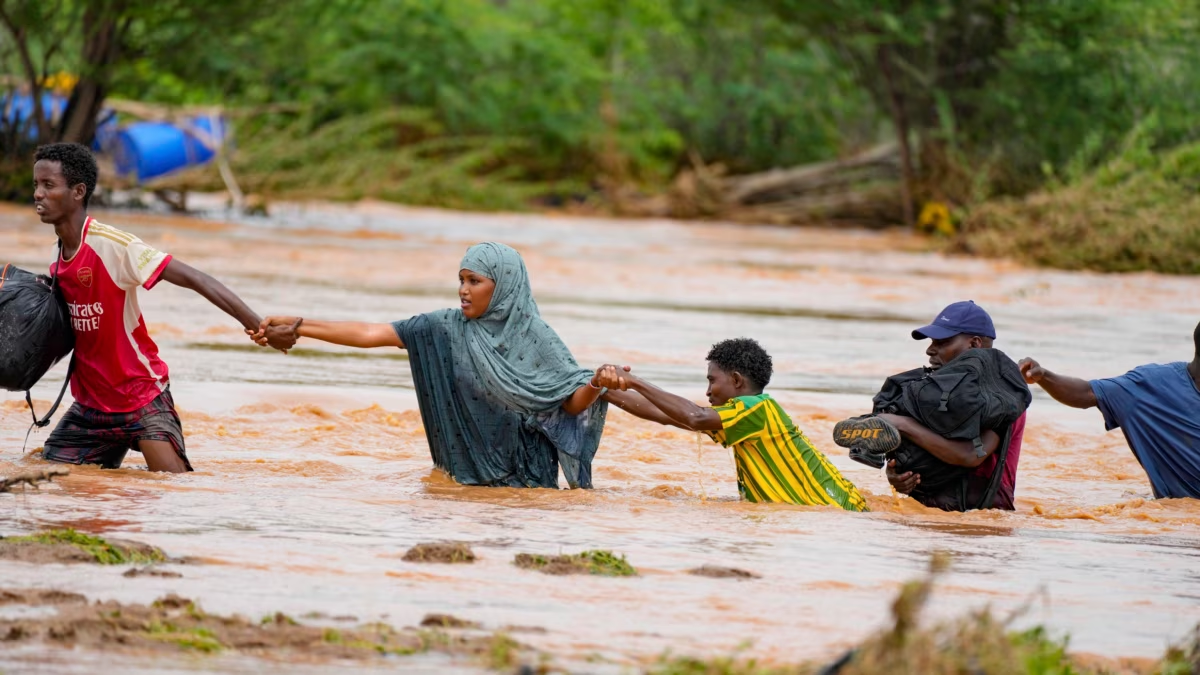
Parts of East Africa, particularly the Greater Horn of Africa, are forecast to experience above-average rainfall during the October to December 2026 short rains season.
More rain does not necessarily mean better conditions. Where drainage, housing, roads, healthcare systems, and water infrastructure are already under pressure, intense rainfall can quickly become a humanitarian challenge. The WMO's assessment highlights the potential for loss of life, crop destruction, infrastructure damage, and increased risks from water- and vector-borne diseases.
Southern Africa: Drought and Food Crisis
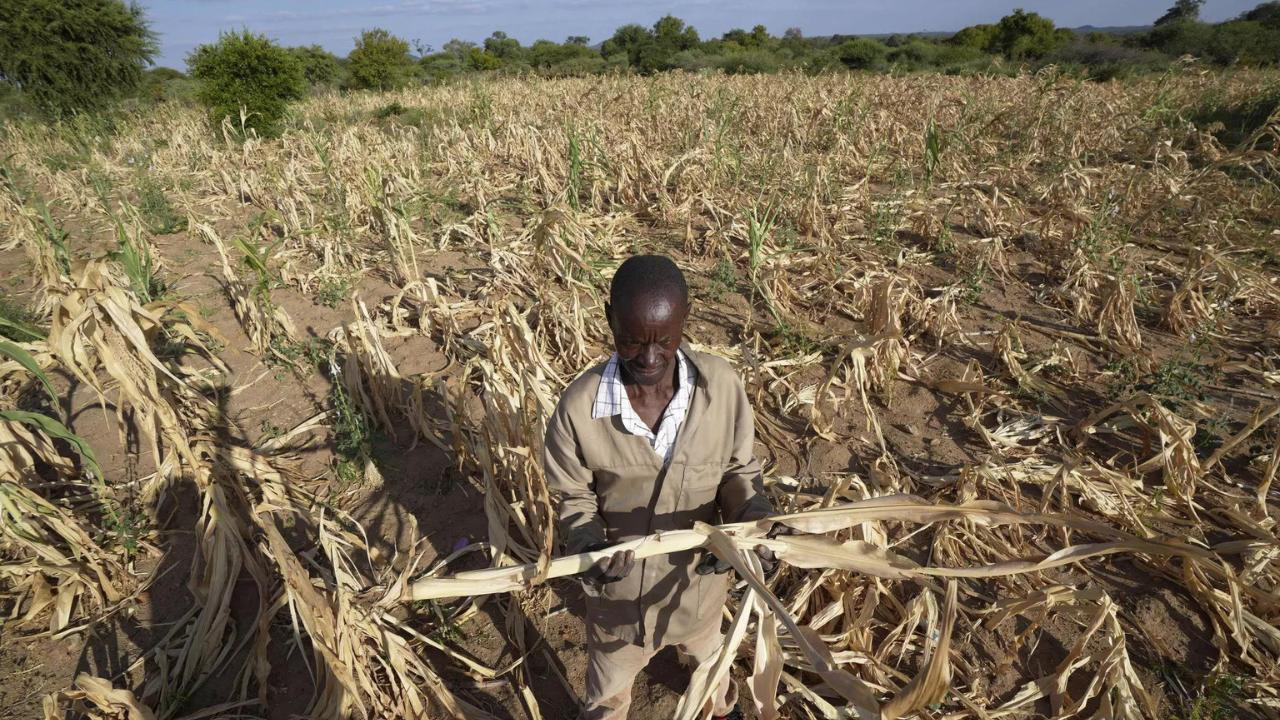
Southern Africa relies heavily on seasonal rainfall for agriculture, making the region particularly exposed to prolonged dry conditions during El Niño.
During the 2015-16 El Niño, South African farmers suffered an estimated $600 million in losses, while drought contributed to food insecurity across the wider region.
For communities that depend on rain-fed agriculture, another severe drought can affect far more than a single harvest. It can reduce household income, increase food prices, put pressure on water supplies, and force families to make difficult choices about food, healthcare, and education.
The United States: A Split-Country Forecast
The United States is likely to experience a much more geographically divided pattern.
NOAA's precipitation outlook for December 2026 through February 2027 shows a higher probability of above-average precipitation across a broad band extending from Southern California through parts of the southern and eastern United States, while other regions face different temperature and precipitation patterns.
The impacts can also vary within individual states. Heavy precipitation can increase flooding and landslide risks in vulnerable areas, while warmer conditions and reduced snowpack elsewhere can affect water availability later in the year. Hawaii has also faced destructive hurricanes during a strengthened Central Pacific hurricane season associated with the current El Niño.
There is one important counterpoint. A strong El Niño typically suppresses Atlantic hurricane activity by increasing wind shear over the tropical Atlantic. NOAA gives the 2026 Atlantic season a 75% chance of being below normal. That may reduce one category of risk for the United States, but it does not eliminate the broader impacts of El Niño across the country or the rest of the world.
What Climate Change Is Adding to the Equation
El Niño is natural. The warmer climate in which this El Niño is unfolding is not.
This El Niño arrives on top of already elevated global ocean and air temperatures. That matters because El Niño temporarily pushes additional heat from the ocean into the atmosphere. When that happens against a warmer baseline, extreme heat can reach higher levels than it otherwise would.
The same principle applies to other risks. A drought affecting an already water-stressed community leaves less room for error. Heavy rainfall falling on flood-prone communities can overwhelm infrastructure more quickly. A heatwave occurring where temperatures are already rising can place additional pressure on health systems, energy grids, and households.
This does not mean climate change causes every El Niño event or that every El Niño becomes stronger because of climate change. Scientists are still studying how a warming climate will influence the frequency and intensity of individual El Niño events. The more immediate concern is the compounding effect of a strong natural climate pattern on an already warmer planet.
There is also a preparedness challenge. NOAA's capacity to study and forecast this event has faced significant disruption under the Trump administration, at a time when accurate forecasting and early warnings are particularly valuable.
For organizations, this makes preparedness more important than waiting for the full effects of the event to become visible. The question is no longer simply where El Niño will bring rain or drought. It is which communities are most exposed, what resources will they need, and how can organizations help before those needs become emergencies?
Why This Demands a Response From Organizations Right Now
NOAA expects this El Niño to peak around November and December 2026 and persist into spring 2027. That gives organizations an important window to prepare.
For companies, responding to El Niño does not have to mean waiting for a disaster and then organizing a one-time relief drive. A stronger approach is to combine awareness, preparedness, volunteering, giving, and longer-term environmental action.
1. Spread Awareness Before a Crisis Hits
Employees cannot respond to a risk they do not understand. You can use internal communications, learning sessions, town halls, and employee resource channels to explain what El Niño means for different regions and why communities with existing vulnerabilities may need additional support.
This can also help them understand why climate preparedness matters beyond the countries where their company operates. A drought in Southeast Asia can affect food prices and supply chains elsewhere. Flooding in South America can disrupt transportation and infrastructure. Extreme weather can affect employees, customers, suppliers, and communities across the same global system.
2. Help Build Community Preparedness Stocks
You can work with nonprofits and local community groups to prepare essential supplies before a disaster strikes.
Depending on the region, these may include drinking water, water purification supplies, hygiene products, first-aid materials, emergency food, solar lights, protective equipment, or other locally identified essentials.
Employees can volunteer to sort, pack, inventory, and distribute these supplies. The value of this work is straightforward: when flooding, drought, wildfire, or extreme heat creates an emergency, communities have essential resources available without waiting for a response operation to start from zero.
3. Volunteer With Disaster Preparedness Organizations
Disaster response requires much more than emergency relief after an event. Volunteers can help organizations with preparedness campaigns, community education, emergency planning, logistics, warehouse operations, and local outreach.
Employees with relevant professional skills can also contribute through skills-based volunteering, supporting nonprofits with areas such as communications, technology, data analysis, project management, fundraising, or supply-chain planning.
ALSO READ: Empowering Communities Through Skills-Based Volunteering

These contributions strengthen the organizations that communities rely on before, during, and after a disaster.
4. Support Afforestation and Ecosystem Restoration
El Niño-related heat and drought can place additional stress on forests and ecosystems. Companies can support tree planting, native habitat restoration, watershed restoration, and forest conservation projects in regions where these interventions are appropriate.
Employees can participate in planting and restoration activities while also learning about the relationship between healthy ecosystems, water retention, soil health, biodiversity, and climate resilience.
A sapling planted today will not prevent the next El Niño. But restoring ecosystems is a long-term investment in healthier landscapes that can better withstand heat, drought, erosion, and extreme rainfall.
Learn more about how companies can shift from ad-hoc, relief events to strategic preparedness, respons, eand resilience.
5. Reduce Plastic Waste and Protect Waterways
Plastic waste is not a direct cause of El Niño, but waste that enters rivers, drainage systems, and waterways can make communities more vulnerable during heavy rainfall and flooding.
Companies can organize river, beach, neighborhood, and community cleanups, alongside waste-segregation and recycling activities. Employees can also volunteer with nonprofits working on waste reduction and circular-economy initiatives.
These activities address an environmental problem that exists regardless of the ENSO cycle while helping keep local waterways and public spaces healthier.
6. Tackle Digital Waste and Energy Use
Climate action does not have to happen outdoors. Companies can organize employee volunteering around digital cleanup and responsible technology use, such as helping nonprofits organize and securely remove redundant digital files, improve data practices, or understand responsible device disposal.
Organizations can also support e-waste collection and refurbishment programs, where employees help collect, sort, repair, or prepare devices for reuse.
These actions connect everyday business practices with broader efforts to reduce resource consumption and electronic waste.
7. Support Food Security Beyond Emergency Relief
When droughts, floods, and heat disrupt agriculture, communities need support that extends beyond emergency food distribution.
Employees can volunteer with food banks, community kitchens, community gardens, food-rescue organizations, and nonprofits working on sustainable agriculture. Companies can also support programs that help communities develop more resilient food systems.
This is particularly relevant during El Niño because food insecurity can emerge through several pathways: crop losses, water shortages, disrupted transportation, and rising food prices.
8. Volunteer Around Water Conservation
Water becomes especially important in regions facing prolonged heat and drought.
Employees can support community organizations working on water conservation, rainwater harvesting, watershed restoration, water-access education, and drought preparedness. Companies can also organize local awareness campaigns that help employees understand how water scarcity affects communities and ecosystems.
The impact extends beyond the immediate El Niño cycle because better water management strengthens resilience to future droughts as well.
9. Make Climate Volunteering a Year-Long Practice
The most important step is to avoid treating El Niño as a one-off volunteering theme.
El Niño may peak in late 2026 and continue into 2027, but the vulnerabilities it exposes will remain. Communities need disaster preparedness before emergencies, ecosystem restoration before the next drought, food-security programs before the next crop failure, and stronger local organizations before the next crisis.
Companies can therefore build a year-round climate volunteering calendar that combines seasonal disaster preparedness with longer-term environmental and community programs.
For example:
- Q4 2026: Climate awareness, disaster-preparedness volunteering, emergency-stock preparation, and giving campaigns
- Q1 2027: Flood and drought response, food-security volunteering, water-access programs, and community support
- Q2 2027: Afforestation, ecosystem restoration, and biodiversity activities
- Q3 2027: Plastic-waste reduction, water conservation, e-waste and digital-waste initiatives
- Year-round: Skills-based volunteering for nonprofits working on climate resilience, disaster preparedness, and community development
You can also use their employee volunteering programs to connect employees with vetted nonprofits working in the regions most affected by the current event. Goodera helps companies organize employee volunteering opportunities with nonprofits across causes and geographies, making it possible to build climate and disaster-resilience activities into an ongoing volunteering calendar rather than limiting participation to a single response campaign.
The goal is not to predict every consequence of El Niño. It is to make sure communities and the organizations supporting them have more capacity to respond when conditions change.
Preparedness starts before the emergency. And meaningful climate action continues long after the headlines move on.
Frequently Asked Questions
1. What Is El Niño?
El Niño is the warm phase of a naturally occurring climate pattern called the El Niño-Southern Oscillation (ENSO). It develops when sea surface temperatures in the central and eastern tropical Pacific become warmer than average, disrupting normal ocean and atmospheric circulation. El Niño events typically occur every two to seven years and last around nine to 12 months, although the timing and intensity vary from one event to another.
2. What Is El Niño Weather?
El Niño weather refers to the regional shifts in temperature, rainfall, and storm patterns associated with the phenomenon. Some areas experience increased rainfall and flooding, while others face drought and heat. In the United States, El Niño can influence winter precipitation and temperature patterns, while its effects can be much more severe in communities already exposed to drought, flooding, or food insecurity.
3. What Causes El Niño?
El Niño begins with changes in the relationship between the tropical Pacific Ocean and atmosphere. When trade winds weaken, warm surface water can move eastward across the Pacific, raising sea surface temperatures and altering atmospheric circulation. This creates feedback between the ocean and atmosphere that can strengthen the event.
4. What Is a Super El Niño?
A Super El Niño is a commonly used term for an exceptionally strong El Niño event. For the current 2026-27 event, NOAA's Climate Prediction Center has classified conditions as "very strong" after the Niño-3.4 temperature anomaly crossed +2.0°C.
5. How Does El Niño Affect the United States?
El Niño can produce different effects across the United States. Southern parts of the country often experience wetter-than-average conditions during winter, while some northern areas may experience warmer temperatures. The precise pattern varies by event. The current NOAA precipitation outlook for December 2026 through February 2027 shows elevated precipitation probabilities across parts of the southern and eastern United States.
6. Which Communities Are Most at Risk From the 2026-27 El Niño?
Communities facing significant risks include those in Southeast Asia and the Pacific Islands, where drought and heat can affect water and food security; coastal Peru and Ecuador, where heavy rainfall can cause flooding; parts of Central America, where drought is already affecting communities; the Greater Horn of Africa, where excessive rainfall can increase flood and disease risks; and Southern Africa, where drought can disrupt agriculture.
The greatest concern is often where El Niño intersects with existing vulnerability. Limited infrastructure, food insecurity, water stress, poverty, or weak disaster-response capacity can turn a weather disruption into a much larger humanitarian crisis.
7. How Does Climate Change Affect El Niño?
El Niño itself is a natural climate phenomenon, but it is occurring against a warmer global baseline. Elevated ocean and air temperatures mean that the heat associated with a strong El Niño can contribute to exceptionally high global temperatures. Scientists are still studying how climate change will influence the frequency and intensity of individual El Niño events, so it is more accurate to describe climate change as compounding the risks associated with El Niño rather than simply causing stronger El Niño events.
8. How Can Companies Prepare for El Niño?
Companies can prepare by identifying employees and operations that may be exposed to climate-related risks, educating employees about the event, supporting disaster-preparedness organizations, helping nonprofits build emergency stocks, and directing giving toward communities facing elevated risks.
They can also incorporate climate-related volunteering into their annual employee engagement calendars, including disaster preparedness, food security, water conservation, afforestation, ecosystem restoration, plastic-waste reduction, e-waste management, and skills-based volunteering.
9. What Are Some El Niño-Related Volunteering Ideas for Employees?
Companies can organize emergency-supply packing, disaster-preparedness workshops, food-bank volunteering, community-garden activities, tree planting, watershed restoration, river and beach cleanups, plastic-waste reduction drives, e-waste collection, water-conservation campaigns, and skills-based volunteering for climate and disaster-response nonprofits.
The best activity depends on the needs of the community. A drought-affected region may benefit more from water conservation and food-security programs, while a flood-prone community may need disaster preparedness, emergency-stock preparation, and drainage or watershed initiatives.
10. Should Companies Treat El Niño Volunteering as a One-Time Campaign?
No. El Niño provides a timely reason to mobilize employees, but the underlying community and environmental challenges persist beyond the event. Companies can use the 2026-27 El Niño as a starting point for year-round climate and community resilience volunteering, combining immediate disaster preparedness with longer-term activities such as afforestation, biodiversity restoration, food security, water conservation, waste reduction, and skills-based support for nonprofits.
A sustained program gives employees multiple ways to contribute while helping communities build resilience before the next climate-related disruption.