Food Banks in Chicago: Where to Volunteer, Donate, and Support Your Community

In a city as vibrant and resource-rich as Chicago, it’s easy to assume that access to food is not a widespread concern. But for hundreds of thousands of residents, that isn’t the reality.
Recent data shows that over 1.8 million people across Cook County rely on food assistance each year, with a significant portion living in Chicago itself. Food insecurity continues to affect 1 in 5 households in some neighborhoods, driven by rising living costs, inflation, and unequal access to resources.
According to organizations like Feeding America, Illinois consistently sees millions of food-insecure individuals annually, including children and seniors.
The need becomes even more visible through food bank usage. In recent years, millions of meals have been distributed across Chicago, with demand remaining significantly higher than pre-pandemic levels. For many families, food banks are not a one-time solution, but a recurring support system.
And yet, alongside this challenge, there is a powerful response.
Across the city, a network of food banks and community organizations continues to step up, ensuring that individuals and families have access to nutritious meals and essential support. These food banks do more than distribute food; they provide dignity, stability, and a sense of community.
If you’re looking for a food bank in Chicago to support or volunteer with your teams, here are some of the most impactful organizations making a difference.
Top Food Banks in Chicago, Illinois
1. Greater Chicago Food Depository
Location: Chicago, Illinois (serving Cook County)
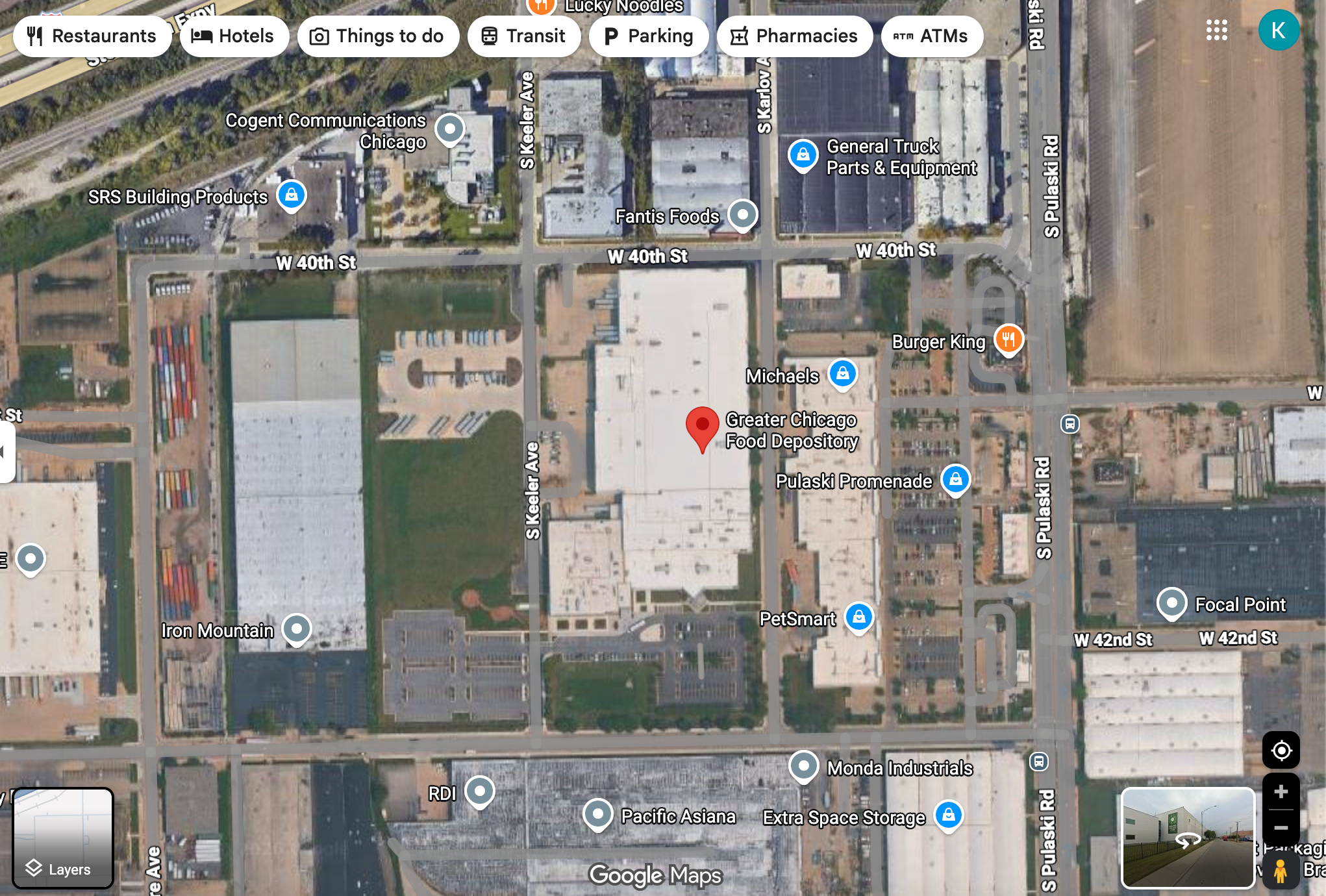
Founded in 1979, the Greater Chicago Food Depository has grown into one of the largest food banks in the Midwest, distributing over 70 million meals annually. It works through a network of more than 800 partners, including food pantries, soup kitchens, shelters, and healthcare providers such as Cook County Health and Advocate Health Care. Together, this network helps deliver nutritious food to food-insecure individuals across Cook County while also offering additional support through programs such as on-site cooking classes and workforce training.
Causes supported:
- Hunger relief
- Workforce development (job training programs)
- Community health and nutrition
How you can contribute:
Individuals can get involved by volunteering in warehouse sorting and packing shifts or supporting mobile food distributions that bring food directly into underserved neighborhoods. Donations, whether financial or in the form of essential food items, also play a critical role in sustaining operations.
For companies, there are several meaningful ways to participate. Corporate teams can organize group volunteering sessions, where employees work together on sorting, packing, or distribution activities, making it both a team-building and impact-driven experience. Businesses can also host corporate food drives, encouraging employees and stakeholders to contribute essential items at scale. Financial contributions, sponsorships, or matching donation programs help food banks expand their reach and serve more communities. Additionally, companies can partner on ongoing hunger relief initiatives, integrating volunteering into employee engagement or CSR programs to create sustained, long-term impact.
2. Lakeview Pantry
Location: 3945 N Sheridan Rd, Chicago, IL
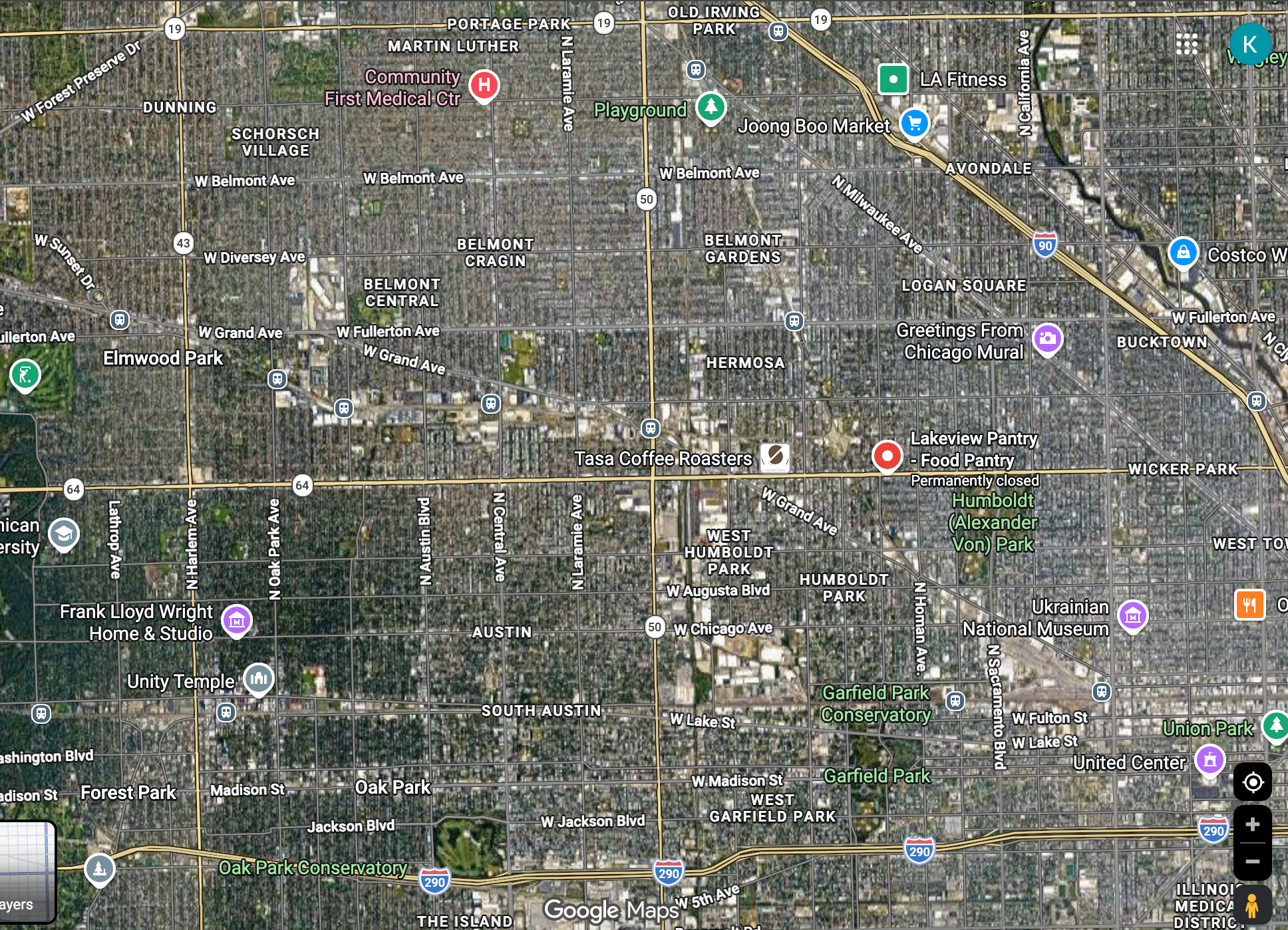
Established in 1970, Lakeview Pantry has evolved from a small community initiative into one of Chicago’s most comprehensive hunger relief organizations. Today, it serves tens of thousands of individuals annually, offering not just food distribution but also wraparound services such as mental health support, housing assistance, and employment programs, helping individuals move toward long-term stability.
Causes supported:
Hunger relief, mental health support, housing, and employment stability
How you can contribute:
Individuals can volunteer in food distribution, client services, or administrative support, directly engaging with the community. Donations, both financial and in-kind, help sustain its wide range of services.
For companies, Lakeview Pantry offers strong opportunities for team-based volunteering, where employees can support client services or warehouse operations. Organizations can also contribute through fundraising campaigns, sponsorships, or long-term partnerships, aligning employee engagement with broader social impact goals.
3. The Love Fridge Chicago
Location: Multiple community fridge locations across Chicago
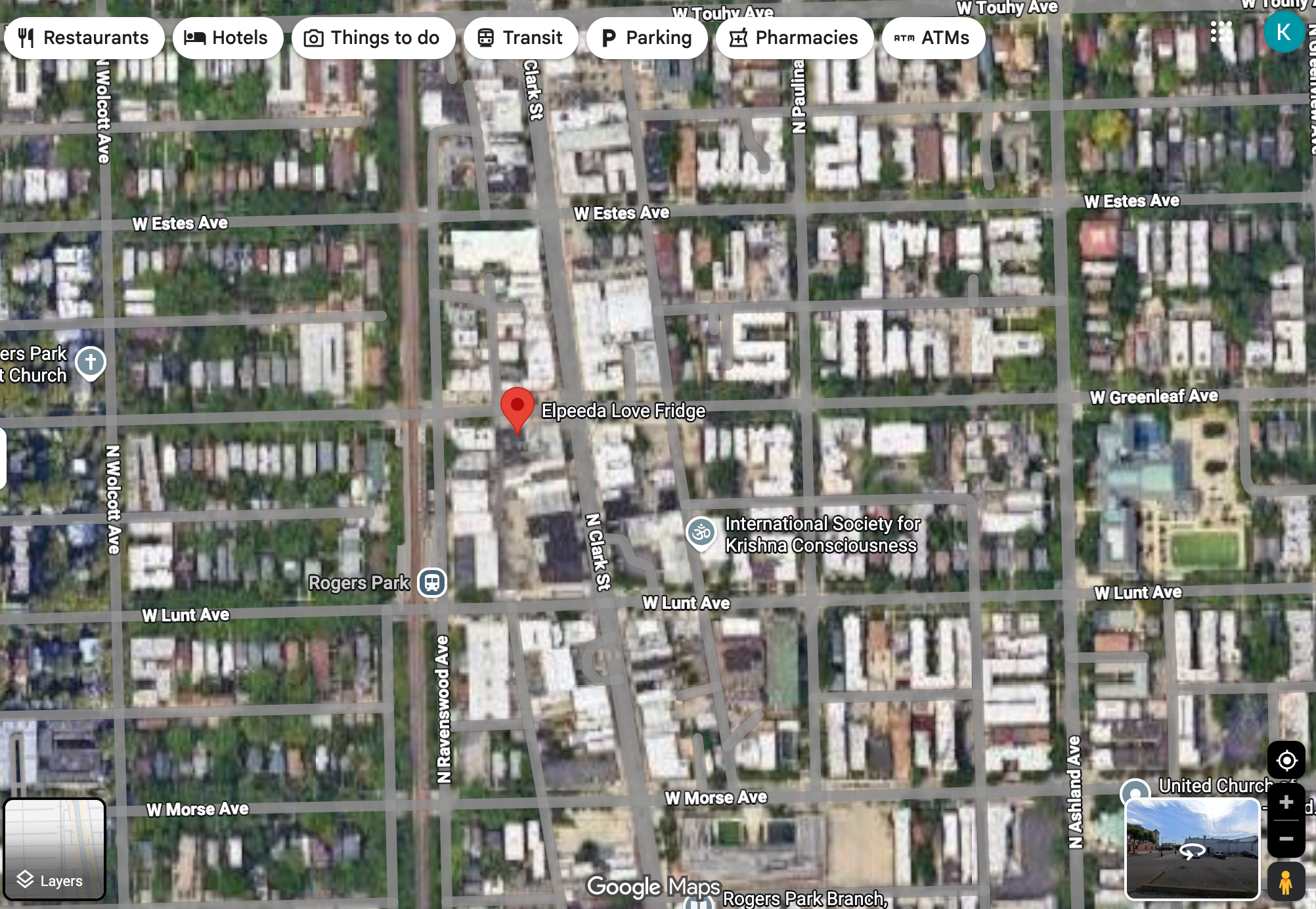
Launched during the pandemic, The Love Fridge Chicago is a grassroots mutual aid initiative focused on immediate and barrier-free food access. By maintaining dozens of community fridges across the city, it provides free, fresh food that is accessible 24/7, allowing anyone in need to take what they require without restrictions.
Causes supported:
Food justice, community mutual aid, and reducing food waste
How you can contribute:
Individuals can contribute by stocking fridges with fresh food, volunteering to clean and maintain fridge locations, or supporting community outreach.
For companies, this model offers a unique way to engage through decentralized impact initiatives. Teams can “adopt” a fridge location, organize regular stocking drives, or partner on food waste reduction programs. Businesses in the food and retail sectors can also contribute surplus inventory, directly supporting both sustainability and hunger relief.
4. Care for Real
Location: 5339 N Sheridan Rd, Chicago, IL
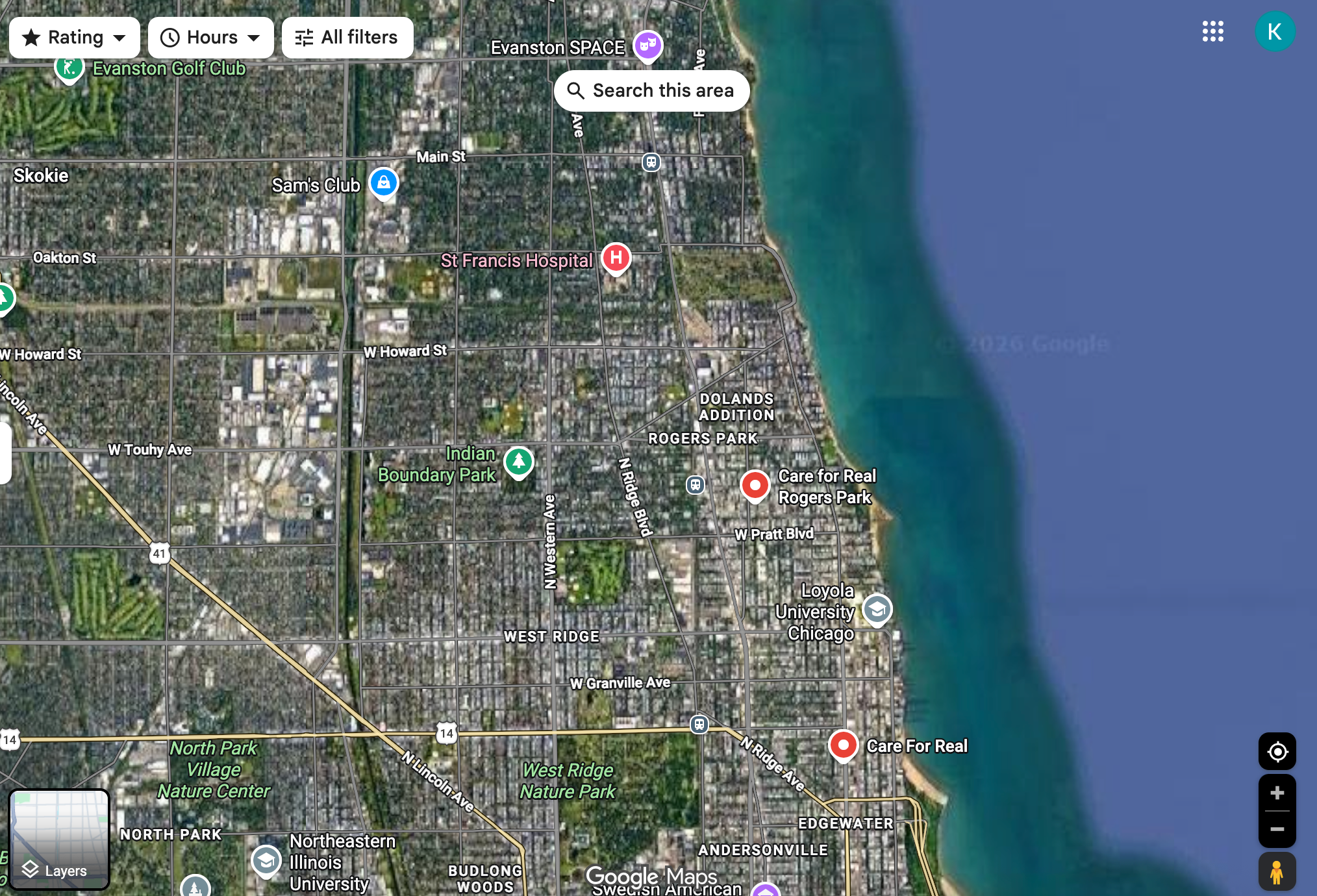
Founded in 1969, Care for Real has long been a cornerstone of support on Chicago’s North Side. It serves thousands of households each year by distributing fresh produce, groceries, and essential supplies, while also connecting individuals to resources related to housing, health, and wellness.
Causes supported:
Hunger relief, housing assistance, health and wellness
How you can contribute:
Individuals can volunteer in food distribution, logistics, or client support, helping ensure smooth day-to-day operations. Donations of food, clothing, or funds are also critical to maintaining services.
For companies, Care for Real offers opportunities for hands-on group volunteering as well as corporate donation drives. Organizations can also support through sponsorships or recurring partnerships, helping expand access to essential services across the community.
5. Common Pantry
Location: 3744 N Damen Ave, Chicago, IL
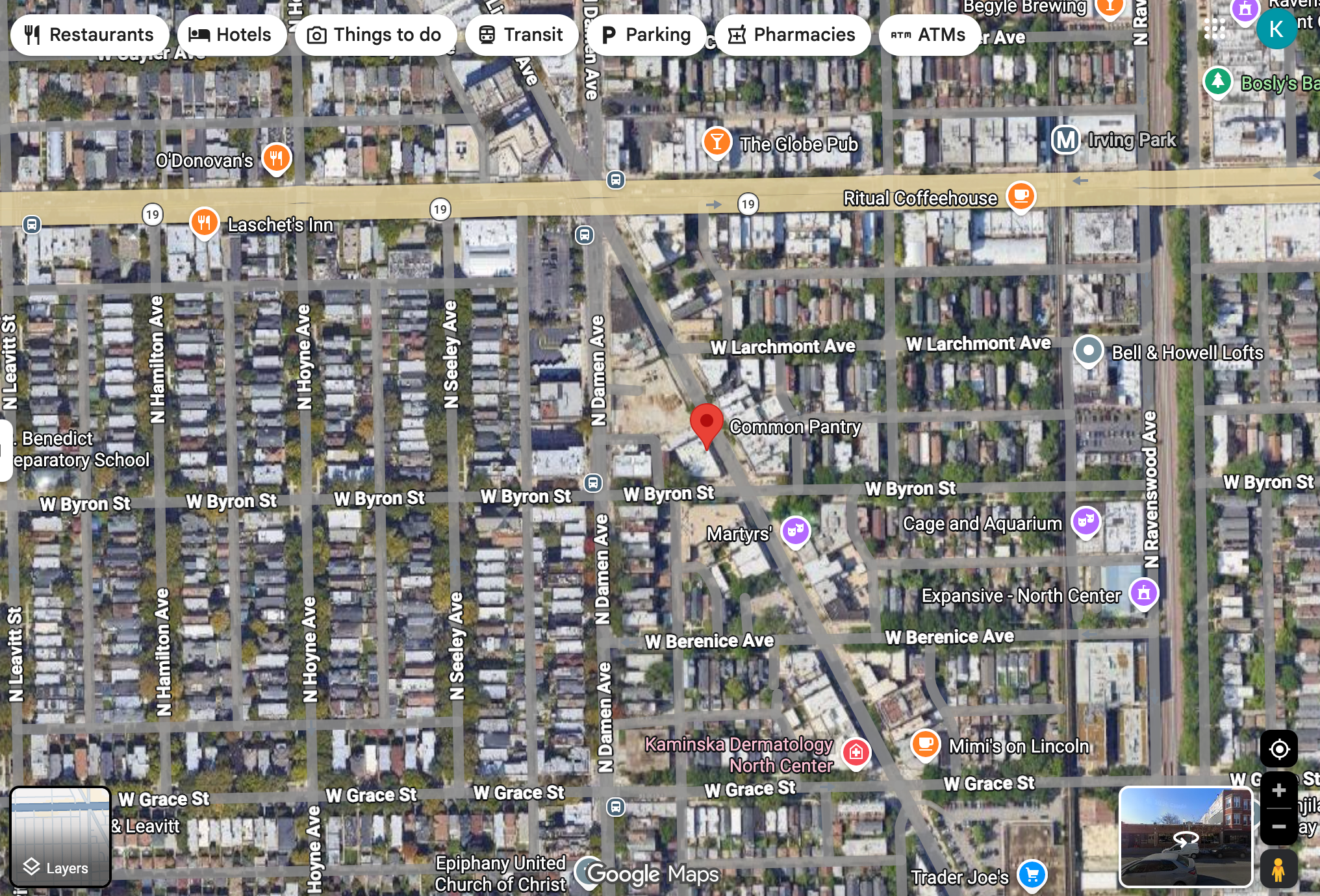
Established in 1967, Common Pantry is one of the longest-running food pantries in Chicago. It provides consistent weekly food support to thousands of families while also offering hot meals and additional social services, making it a vital resource for individuals facing ongoing financial challenges.
Causes supported:
Hunger relief, poverty alleviation, community support
How you can contribute:
Individuals can volunteer in meal service, food distribution, or pantry operations, directly contributing to daily impact. Supporting donation drives or making financial contributions helps sustain long-term programs.
For companies, Common Pantry provides strong avenues for team volunteering experiences, particularly through meal service and distribution events. Businesses can also organize large-scale donation drives or fundraising campaigns or partner on ongoing initiatives to support sustained hunger relief efforts in Chicago.
How to Volunteer at Food Banks in Chicago
If you’re looking to support food banks in Chicago, volunteering is one of the most direct and meaningful ways to make an impact. Across Chicago, food banks rely heavily on volunteers to keep operations running, from sorting donations to ensuring food reaches families in need.
What volunteering looks like
Most food banks offer a range of hands-on and flexible opportunities:
- Warehouse support: Sorting, packing, and organizing food donations
- Distribution roles: Assisting at food pantries or mobile distribution events
- Community outreach: Supporting local initiatives and awareness drives
- Special programs: Helping with meal services, nutrition programs, or admin tasks
Whether you have a few hours or want to commit regularly, there are options for both individuals and groups.
How To Get Started
Getting involved with food banks is usually simple:
- Sign up through the food bank’s official website
- Choose a shift based on your availability
- Attend a short orientation or training (if required)
- Start volunteering, either independently or with a group
Many organizations also offer corporate volunteering opportunities, making it easy for teams to participate together.
Action You Can Take Today
If you’re unsure where to begin, one of the most effective ways to create impact is by turning intent into organized action.
Partner with Goodera to plan and execute a food supply drive or hunger relief volunteering event.
Whether you’re an individual, a team, or an organization, Goodera can help you:
- Organize food donation drives that directly support local communities
- Set up on-ground or virtual volunteering events focused on hunger relief
- Engage employees or groups in meaningful, impact-driven experiences
Even a single, well-planned initiative can help distribute thousands of meals and support families across Chicago. By bringing people together around a shared cause, you’re not just contributing, you’re creating sustained, collective impact.
Frequently Asked Questions
1. How do I volunteer at food banks in Chicago?
Most food banks in Chicago allow you to register online. You can browse available shifts, sign up, and receive confirmation with details on what to expect. Some roles may require a short orientation before your first shift.
2. Do I need prior experience to volunteer at a food bank in Chicago?
No prior experience is needed. Volunteers are guided on-site, and tasks like sorting, packing, or distribution are easy to learn. Food banks are designed to be accessible for first-time volunteers.
3. What is the minimum time commitment for volunteering?
Many food banks offer flexible shifts that last 2 to 4 hours, making it easy to contribute even with a busy schedule. You can volunteer once or sign up for recurring shifts.
4. Can groups or companies volunteer together?
Yes, most food banks in Chicago Illinois encourage group volunteering. Corporate teams often participate in warehouse activities or food drives as part of team-building or CSR initiatives.
5. What should I wear or bring when volunteering?
Volunteers are usually advised to wear comfortable clothing and closed-toe shoes. Some locations may recommend gloves or provide them on-site. It’s best to check instructions shared during sign-up.
6. Are there virtual volunteering opportunities available?
While most roles are in-person, some food banks offer virtual opportunities such as fundraising, awareness campaigns, or coordinating donation drives.
7. What impact does volunteering actually make?
Every volunteer shift contributes directly to hunger relief. A single session can help sort and pack thousands of pounds of food, supporting hundreds of families. Volunteers play a critical role in ensuring food banks operate efficiently and reach more people in need.
8. What tasks do volunteers typically perform at Chicago food banks?
Volunteers sort fresh produce, pack meal kits, and repackage bulk donations during structured shifts. At the Greater Chicago Food Depository's Warehouse Producing Center, teams prepare food for distribution to 700+ partner pantries and shelters across Cook County. Smaller sites like Care for Real add tasks such as organizing clothing donations or managing pet food programs, offering more direct community interaction.
9. Why is food insecurity such a pressing issue in Chicago?
Roughly 1 in 5 residents on Chicago's South and West Sides rely on food assistance at some point, driven by uneven grocery access, income inequality, and rising living costs. Neighborhoods designated as food deserts often lack nearby supermarkets, pushing families to depend on mobile pantries and community food banks. Sustained volunteer support helps close this gap year-round.
10. What impact does a single volunteer shift make at a Chicago food bank?
A typical two-hour team shift produces meals for hundreds of households, sorting and packing enough food to reach Cook County families that same week. The Greater Chicago Food Depository distributes over 100 million pounds of food annually, and volunteer labor drives most of that throughput. Even short group shifts translate directly into meals on kitchen tables.