Nonprofit Corporate Partnerships: A Practical Guide for Both Sides of the Table

There’s a version of nonprofit corporate partnerships most of us recognize. A company sponsors an event, the logo goes up, a check is written, and everyone walks away having done something good. The nonprofit gains funding. The company supports a cause. It works, and it has for a long time.
We’ve seen this play out at countless events, a quick photo, a handshake, maybe a LinkedIn post, and then both teams move on to what’s next.
But here’s what’s changing. Corporate giving isn’t slowing down, it’s accelerating. According to the Giving USA 2025 Report, corporate giving reached $44.4 billion in 2024, growing 9.1% over the previous year, its highest level on record.
Meanwhile, corporate volunteering programs are delivering strong employee engagement, with median workforce participation reaching 25.6% across 240 companies worldwide, according to Goodera's VQ Report 2026.

That shift is where things start to get interesting. Today, nonprofit and corporate partnerships are moving beyond one-time sponsorships toward more thoughtful, ongoing collaboration. The focus is less on visibility alone and more on shared impact, employee engagement, and long-term value.
We’re seeing more corporate partnerships with nonprofits that bring in skills, time, technology, and people, not just funding. And for many organizations, this shift is not about replacing traditional giving, it’s about building on it.
In this guide, we’ll break down how corporate nonprofit partnerships are evolving, the different ways they show up today, and how both sides can build partnerships that feel meaningful, practical, and worth sustaining.
Why Corporate and Nonprofit Partnerships Look Different Now
For a long time, many corporate charity partnerships followed a simple and effective model. A company provided funding, often through sponsorships or grants, and nonprofits used that support to deliver programs and reach more communities. These partnerships were, and still are, an important foundation for the sector.
In many cases, these relationships continued year after year with consistency and trust, even if they didn’t always involve deeper day-to-day collaboration.
What is replacing it is something more durable and more demanding. Companies are increasingly asking not just "how much can we give?" but "what does this partnership actually accomplish?" Nonprofits are asking not just "how do we get funded?" but "who shares our values enough to build something with us?"
Today, more nonprofit and corporate partnerships are expanding beyond financial support to include employee volunteering, skills-based contributions, and shared initiatives. This shift is less about replacing traditional giving and more about adding new layers of value, for nonprofits, companies, and the communities they serve.
Corporations are becoming more discerning about their philanthropic investments and are seeking evidence of tangible outcomes from their partnerships with nonprofits. As a result, nonprofits are developing more robust evaluation frameworks that demonstrate their impact effectively.
At the same time, nonprofits are increasingly prioritizing diversified revenue streams over reliance on grants and foundation giving, with a 5.3% increase in contributions, according to 25 Nonprofit Trends You Should Know in 2025 by Daxko. Corporate partnerships are no longer a nice-to-have supplement to grant funding. They are becoming a structural part of how sustainable nonprofits fund their work.
Note: If you’re a nonprofit looking to build meaningful corporate partnerships, you can join Goodera’s global nonprofit network and connect with companies ready to engage.

Types of Corporate Partnerships With Nonprofits
Understanding the landscape of partnership models is the starting point for any organization, whether you are building a pitch or evaluating an approach. Many successful relationships start as sponsorships and evolve into partnerships as trust builds and both parties see increased mutual benefit. Here is the full spectrum:
1. Corporate Sponsorships
Corporate sponsorship refers to a company providing financial support, resources, or services to an event, organization, or cause in exchange for promotional benefits and exposure. This is the most transactional end of the spectrum and often the entry point for new relationships. A company sponsors a gala, a 5K, or an annual campaign. The nonprofit receives funding and gives the company brand visibility in return.
Sponsorships work best when the audience alignment is genuine. A financial services firm sponsoring a financial literacy nonprofit. An outdoor retailer sponsoring a conservation organization. When the company's brand and the nonprofit's mission are a natural fit, the sponsorship credibility holds for both parties.
2. Cause Marketing Partnerships
Cause marketing is a term that means both nonprofit and corporate partners are working for the same end. It may overlap other types of corporate partnership, because working for the cause may involve sponsorship, workplace giving, in-kind and skills-based volunteerism, or any combination of the above.
In practice, cause marketing often takes the form of a company donating a percentage of product sales to a nonprofit, co-branded campaigns where both logos appear together, or point-of-sale donation programs at retail. But the strongest examples go further than campaign visibility. They build the social cause directly into the brand’s identity and customer experience.
Take Patagonia, for example. Since 1985, the company has pledged 1% of all sales, not profits, to environmental preservation and restoration through its “1% for the Planet” initiative.
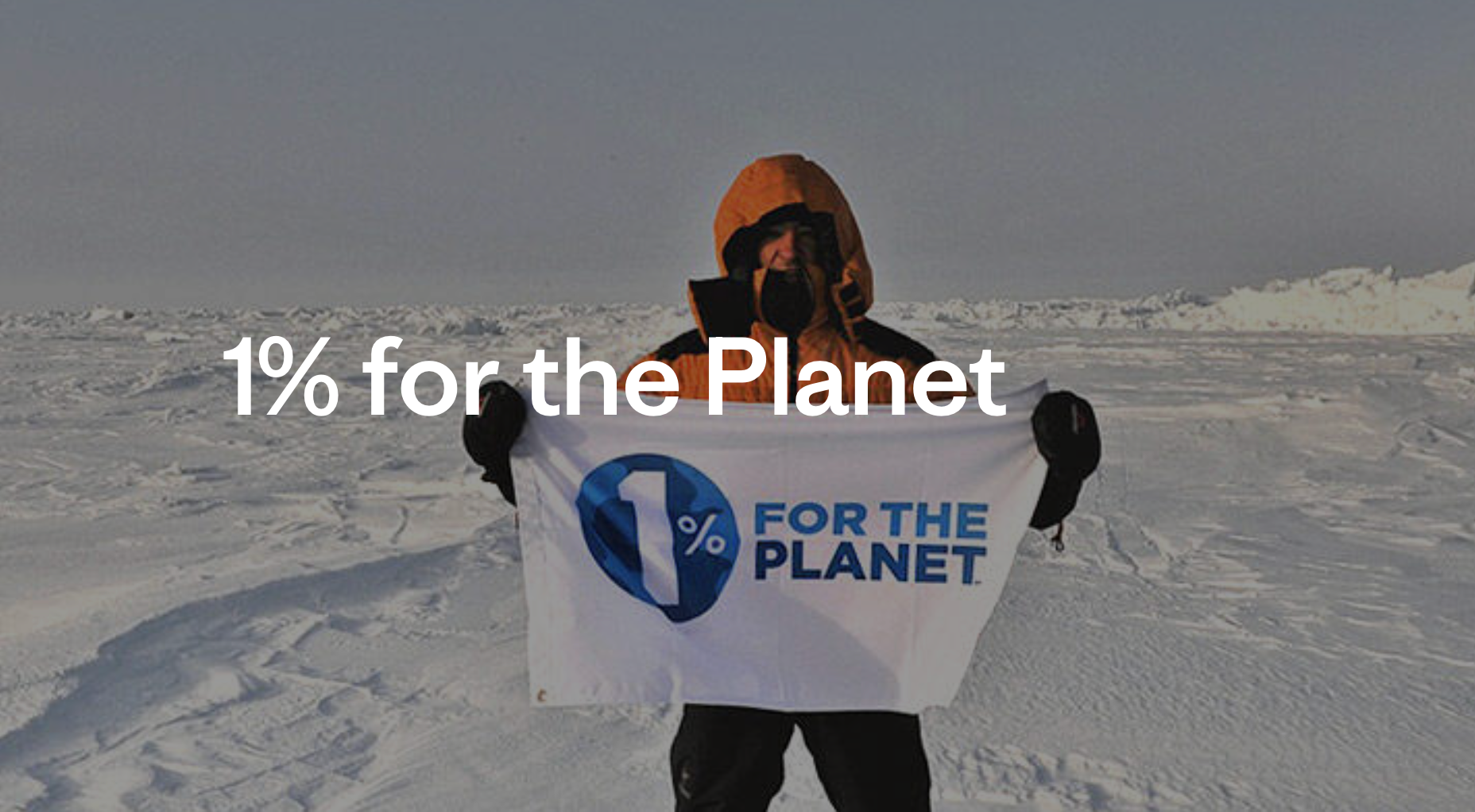
The company has contributed more than $140 million in cash and in-kind support to grassroots environmental organizations worldwide. Over time, environmental activism became inseparable from the brand itself, influencing everything from product repair programs to climate advocacy campaigns.
TOMS became another defining example of cause-driven branding through its well-known “One for One” model.

For every pair of shoes purchased, the company originally donated a pair to a child in need. While the model evolved over time, the partnership between commerce and impact remained central to the company’s identity. TOMS reports that it has now given more than 100 million pairs of shoes, contributed over $200 million in grants and donations, and positively impacted more than 106 million lives since 2006.
Then there’s Starbucks and its partnership with the RED campaign, which helped raise awareness and funding for the Global Fund’s fight against AIDS in Africa through co-branded products and in-store campaigns.

Customers weren’t just buying coffee or merchandise, they were participating in a larger public health initiative tied directly to the brand experience. The partnership helped normalize cause-led consumer campaigns at a global retail scale.
What makes these business charity partnerships memorable is not simply the donation itself. It’s the fact that the company’s commercial behavior and the nonprofit’s mission become genuinely intertwined, not just adjacent. When done thoughtfully, these corporate charity partnerships stop feeling like temporary campaigns and start becoming part of how the brand is understood by employees, customers, and the public..
3. In-Kind and Product Donations
Rather than cash, companies provide goods, services, or knowledge that can directly benefit the nonprofit or its programs. Examples of corporate in-kind donations include providing technology, office supplies, event space, or skills-based volunteer hours.
In-kind partnerships are often undervalued by nonprofits who default to asking for cash. But a software company donating licenses, a law firm providing pro bono legal support, or a catering company supplying food for a fundraising event can represent significant operational cost savings. For companies, in-kind giving can be more tax-efficient than cash and directly showcases their product or expertise.
ALSO READ: In-Kind Donation: A Practical Guide to Giving More Than Money
4. Skills-Based Volunteering and Pro Bono Partnerships
This model moves beyond the in-kind framework into something more sustained. Rather than one-off donations of time, skills-based partnerships involve employees working on substantive projects that advance a nonprofit's mission over weeks or months. A marketing team redesigning a nonprofit's donor communications. A technology team building a new database. A finance team supporting a nonprofit's multi-year budget planning.
Also known as pro bono support, employees donate their time and skills to advance a nonprofit's mission, for example, by providing legal support at no cost. Taproot Foundation facilitates this type of matching at scale, connecting nonprofits with corporate volunteers who have the specific skills their organizations need.
ALSO READ:

5. Employee Giving and Volunteer Programs
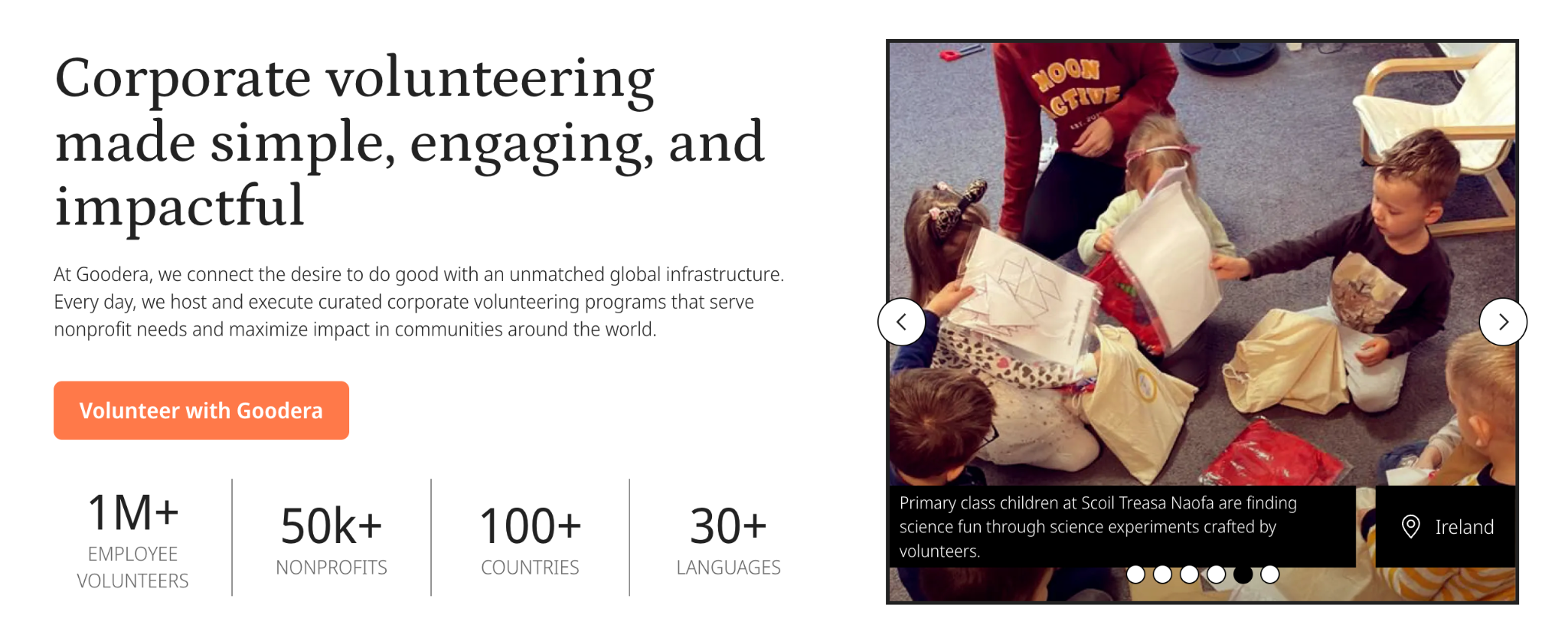
Workplace volunteerism is on the rise and is increasingly central to fundraising and engagement strategies within corporate nonprofit partnerships. These partnerships involve companies building structured volunteer and giving programs around a specific nonprofit or cause, running matching gift campaigns tied to employee donations, organizing team volunteer days, or creating skills-based volunteer opportunities for employees at every level.
For nonprofits, a well-structured employee engagement partnership can deliver funding, volunteer hours, and skills simultaneously. For companies, these programs drive employee engagement, retention, and the kind of visible purpose that attracts talent. The best of these partnerships are long-term: a company and a nonprofit building a genuine relationship that outlasts any individual campaign.
6. Strategic and Multi-Year Partnerships
A strategic partnership involves ongoing collaboration where both parties work together toward shared goals. These relationships tend to be longer-term, involve multiple touchpoints, and can include shared expertise, volunteer programs, and integrated problem-solving.
At the far end of the spectrum, some corporate and nonprofit partnerships involve deep integration: joint programs, shared communications, co-created initiatives, and multi-year funding commitments. Aldi and Feeding America are one of the most cited examples. Aldi helps Feeding America solve hunger-related problems through cause marketing, disaster support, employee engagement, philanthropy, and product donations. Every year since the start of their partnership, Aldi has organized volunteer events for its employees to pack disaster relief boxes, which support individuals and families displaced from their homes due to natural disasters.
This level of integration takes time to build and requires trust on both sides. But it produces a very different kind of impact than a one-year sponsorship ever could.
What Companies Gain From Corporate Charity Partnerships
The business case for corporate charity partnerships has never been stronger, and it goes well beyond tax deductions.
1. Brand Trust and Consumer Loyalty
Sponsoring nonprofits shows customers and employees that a business stands for more than just profit, building loyalty and trust. In a market where consumers have more choices than ever and more information about the companies behind the products they buy, brand trust is a competitive advantage. A genuine, well-publicized partnership with a nonprofit whose mission resonates with your customers says something about your company that advertising cannot replicate.
2. Employee Engagement and Retention
Employees who participate in workplace giving and volunteer programs have a 57% lower turnover rate than non-participants, according to Benevity's Engagement Study of more than 2 million employees across 118 enterprise companies. Corporate partnerships with nonprofits are one of the most direct paths to building the kind of purpose-driven culture that retains people. When employees volunteer together, give together, and see the impact of their company's community investment, they feel differently about where they work.
3. ESG and Stakeholder Accountability
Environmental, social, and governance performance is increasingly evaluated by investors, customers, and regulators. A structured nonprofit partnership, with measurable outcomes and transparent reporting, contributes directly to a company's social impact narrative. For publicly traded companies in particular, the ability to point to specific community outcomes, not just donation totals, is becoming a meaningful differentiator.
4. Tax Advantages
With the right setup, companies can deduct part or all of their sponsorship, making it both a generous and financially smart move. Cash donations to qualifying nonprofits are generally deductible up to 10% of taxable income for corporations. In-kind donations of inventory or property can also be deductible. Engaging a tax advisor early in the partnership structure conversation helps companies maximize both their generosity and their financial efficiency.
What Nonprofits Gain From Corporate Nonprofit Partnerships
For nonprofits, the benefits of a well-structured corporate partnership extend well beyond the funding.
1. Diversified and Sustainable Revenue
Grant funding is cyclical, often restricted, and frequently tied to specific program outcomes. Corporate partnerships can provide more flexible, multi-year support that gives nonprofits the operational stability to invest in infrastructure, talent, and long-term growth. Revenue streams like corporate partnerships and recurring donations offer more consistent, unrestricted funding that supports operational resilience.
2. Access to Expertise and Networks
A corporate partner brings more than money. It brings marketing expertise, legal resources, technology, distribution networks, and a professional community that most nonprofits could never afford to access independently. A nonprofit partnering with a law firm gains access to legal counsel. A nonprofit partnering with a technology company gains access to software, infrastructure, and technical knowledge. These are not peripheral benefits. They are often transformative.
3. Increased Visibility and Credibility
Being publicly associated with a respected corporate partner extends a nonprofit's reach into audiences it would never otherwise access. A company's employee communications, customer channels, social media presence, and event networks all become potential touch points for the nonprofit's mission. That kind of amplification can build awareness faster than any organic campaign.
4. Volunteer Capacity
Skilled volunteers from corporate partners can do work that nonprofits simply cannot staff on their own. A team of ten employees spending a day sorting food at a food bank is useful. A team of three strategists helping redesign a nonprofit's theory of change is transformative. The best corporate partnerships deliver both.
How to Build Business Charity Partnerships That Last
Whether you are approaching this from the corporate side or the nonprofit side, the partnerships that endure share a set of qualities worth building toward from the beginning.
1. Lead With Alignment, Not the Ask
The most common mistake nonprofits make when approaching corporate partners is leading with what they need rather than what they share. A pitch that begins with "we need funding" rarely lands. A pitch that begins with "we noticed your company cares deeply about education, and here is what we are building in that space" opens a real conversation. Nonprofits should position themselves as solutions to business challenges like employee retention, community relations, and ESG goals, rather than just funding recipients.
2. Define What Success Looks Like for Both Parties
Before any agreement is signed, both sides should be clear about what they are hoping to get from the partnership: the company's brand goals, employee engagement targets, and community visibility; and the nonprofit's funding needs, volunteer capacity, and skill gaps. Partnerships that begin with aligned expectations are far more likely to renew and deepen than those built on vague goodwill.
3. Build Reporting Into the Partnership Structure
One of the most frequently asked questions from companies regarding nonprofit-corporate partnerships is: "How can we best measure the ROI and impact a partnership has on our company, for our nonprofit partner, and for the community as a whole?" The answer starts with defining metrics before the partnership begins. What will you measure? How often will you report? What does a successful year look like in numbers? Establishing this early removes ambiguity and builds the trust that sustains long-term relationships.
4. Start Smaller Than You Think You Need To
The best long-term partnerships rarely begin as multi-year, multi-faceted agreements. They begin with a single event, a single campaign, or a single volunteer day. Both sides learn how the relationship works, build personal connections, and then expand based on what they discover. Many successful relationships start as sponsorships and evolve into partnerships as trust builds and both parties see increased mutual benefit. Give the relationship room to grow.
5. Invest in the Human Relationship
Partnerships are not agreements between logos. They are agreements between people. The nonprofit's development director and the company's CSR lead are the relationship. When one of them leaves, that relationship needs to have been built broadly enough to survive the transition. Regular check-ins, shared impact celebrations, and genuine two-way communication are what turn a contractual arrangement into a genuine collaboration.
Final Thoughts
The best nonprofit corporate partnerships are not the ones with the largest checks or the most prominent logos. They are the ones where both sides genuinely understand what the other needs, show up consistently beyond the initial campaign, and build something that outlasts any single budget cycle.
That takes honesty at the outset, humility in the middle, and the willingness to measure what you promised to measure and report what you actually find. Neither side is doing the other a favor. They are building something together. And when it works, the impact is real, the relationship sustains, and both organizations are better for it.
That is the version of partnership worth building. And it is more available than most people on either side of the table realize.
Frequently Asked Questions
1. What is a nonprofit corporate partnership, and how is it different from a sponsorship?
Sponsorship is typically a transactional exchange where a company provides financial or in-kind support in return for brand visibility and promotional benefits. It is often event-focused, time-limited, and centers on marketing value. Partnership involves a deeper, more strategic collaboration where both parties work together toward shared goals, tending to be longer-term and involving multiple touchpoints, shared expertise, and integrated problem-solving. In practice, many productive relationships begin as sponsorships and evolve into partnerships over time.
2. What are the most common types of corporate partnerships with nonprofits?
The most common types are corporate sponsorships, cause marketing partnerships, in-kind and product donations, skills-based volunteering and pro bono programs, employee giving and volunteer programs, and strategic multi-year partnerships. Each serves a different purpose and works best in different contexts. Most mature nonprofit-corporate relationships combine several of these models simultaneously.
3. How do nonprofits find and approach corporate partners?
Start with alignment rather than a general ask. Identify companies whose business interests, employee demographics, or customer base intersect naturally with your cause. Research their existing CSR commitments and giving programs. Build a pitch that begins with shared values and demonstrates the specific business value of the partnership, not just the charitable case. A warm introduction through a board member or mutual contact is consistently more effective than a cold outreach.
4. How do companies evaluate nonprofit partners before committing?
Companies increasingly look for nonprofits with transparent financial reporting, clear impact metrics, organizational stability, and a mission that resonates authentically with their brand and employee community. Credibility markers like Charity Navigator ratings, audited financials, and third-party impact evaluations matter. So does the quality of the relationship with the nonprofit's leadership and the clarity of what the nonprofit is asking for and offering in return.
5. What makes a corporate charity partnership fail?
Most partnerships fail for one of three reasons. The first is misaligned expectations: one party wanted visibility and the other wanted strategic support, and neither said so clearly at the outset. The second is a lack of follow-through on reporting and communication, which erodes trust faster than almost anything else. The third is over-reliance on a single relationship: when the key contact at either organization leaves, a partnership built on one relationship rather than institutional commitment often does not survive.
6. How long should a corporate nonprofit partnership last?
There is no universal answer, but the most impactful partnerships are multi-year by design. A one-year sponsorship gives both parties barely enough time to understand how the relationship works before it ends. A three-year commitment gives both sides time to build trust, deepen the collaboration, and measure outcomes that matter. For nonprofits, multi-year commitments also enable the kind of program planning that annual funding cycles make nearly impossible.
7. What are the main benefits of a nonprofit corporate partnership?
Nonprofit corporate partnerships create value on both sides. Companies gain measurable employee engagement, stronger brand trust, and credible ESG proof points, with U.S. corporate giving reaching $44.4B in 2024. Nonprofits gain sustainable funding, access to professional expertise, technology, and volunteer capacity that would otherwise be out of reach for lean impact teams.
8. How do you measure the success of a corporate nonprofit partnership?
Strong partnerships track both output and outcome metrics. Common KPIs include dollars raised, volunteer hours contributed, program beneficiaries served, and employee participation rate — the Goodera VQ Report 2026 pegs the median at 25.6% across 240 companies. Nonprofits also measure capacity gains, while companies watch retention, engagement scores, and brand sentiment linked to the cause.
9. What is skills-based volunteering, and how does it strengthen partnerships?
Skills-based volunteering pairs employee expertise — legal, marketing, finance, technology, HR — with nonprofit needs that traditional grants cannot cover. Formats include pro bono projects, board service, and mentorship programs. It deepens partnerships beyond dollars, builds nonprofit capacity in areas where hiring is expensive, and lets employees apply craft skills to a cause they care about.
10. What trends are shaping corporate nonprofit partnerships in 2026?
Corporate giving hit a record $44.4B in 2024 and is trending toward multi-year, outcomes-based commitments rather than one-time checks. Companies increasingly blend financial, volunteer, and skills-based support into unified programs. Employee-directed giving, virtual and hybrid volunteering, and shared impact dashboards are now standard, alongside stronger scrutiny of DEI alignment, climate goals, and measurable community results.