Top Literacy Nonprofit Organizations to Support in 2026

“I have always imagined that Paradise will be a kind of library.” That beautiful thought from Jorge Luis Borges reminds me just how life-changing the ability to read and write truly is. Literacy opens doors to education, to employment, to empathy.
Yet in 2026, the gap remains urgent. UNESCO estimates that more than 760 million adults still lack basic literacy skills. In the United States, a significant percentage of students are still not reading at grade level by fourth grade.
Imagine navigating daily life without being able to confidently read a rental agreement, a prescription label, or a job offer. For millions of people, this is not hypothetical. It is reality. When literacy is missing, opportunity shrinks. When literacy improves, everything expands. That is why this issue is not only educational, but deeply economic and deeply human, and why the organizations featured in this guide deserve attention and support in 2026.
In this blog, we spotlight leading literacy nonprofit organizations making a measurable impact, explore why their work matters now more than ever, and share how individuals and companies can support them meaningfully.
How Literacy Nonprofit Organizations Are Creating Measurable Change in 2026
Literacy nonprofit organizations are creating measurable change by going far beyond book distribution. They design structured reading interventions, train volunteer tutors, support families, and build long-term partnerships with schools and community centers. Their programs address early childhood literacy, adult learning, bilingual education, rural access, and digital inclusion. Instead of treating literacy as a short-term challenge, they approach it as the foundation for lifelong stability.
In 2026, literacy work includes more than reading printed pages. It also means navigating digital platforms, understanding financial documents, and accessing online services with confidence. Strong literacy skills influence graduation rates, employment opportunities, income growth, and even health outcomes. When reading proficiency improves, communities experience stronger workforce participation and long-term economic mobility.
Did you know? Children who are not reading proficiently by the end of third grade are significantly more likely to struggle academically in later years, and adults with limited literacy skills face lower lifetime earnings and higher unemployment rates. Literacy is not simply an educational milestone. It functions as economic infrastructure. If reading ability predicts workforce readiness and income stability, then investing in literacy becomes a practical strategy for building stronger communities.
High-impact organizations measure progress carefully. They track reading-level improvements, attendance consistency, and long-term learner outcomes. Many also prioritize:
- Family engagement to reinforce reading at home
- Volunteer-led tutoring for personalized support
- Technology-enabled learning to reach underserved regions
This focus on accountability and measurable outcomes is what distinguishes leading literacy initiatives from short-term awareness efforts.
How to Choose the Right Literacy Charity to Support in 2026
Not all Literacy charities operate in the same way. Choosing the right one depends on the kind of impact you want to create and how measurable that impact is. But here is a deeper question worth considering: are you donating to feel good in the moment, or to create measurable change that compounds over time? The difference matters. Whether you are an individual donor or a company designing a volunteering strategy, a structured approach ensures your support drives lasting, trackable progress rather than short-term visibility.
1. Start With Measurable Impact
Look for clear reporting on outcomes. Strong organizations publish how many learners they serve, how reading levels improve, and what long-term results look like. If impact data is vague or missing, that is often a red flag. The most effective literacy programs track real progress, not just attendance numbers. When initiatives improve third-grade reading proficiency or help adults secure stable employment, those are tangible indicators of success.
2. Evaluate Program Design and Delivery
Examine how programs are implemented. Do they collaborate with schools, libraries, or community centers? Are volunteers trained properly? Do they combine traditional reading instruction with digital literacy skills? In 2026, literacy support must prepare learners not only to read books but also to navigate online systems, financial documents, and workplace tools confidently.
3. Look for Family and Community Engagement
Programs that involve families often produce stronger results. Organizations that integrate caregiver workshops, take-home reading materials, or community-based learning environments typically see more sustainable improvement. Literacy growth accelerates when learning continues beyond a classroom or tutoring session.
4. Align With Your Values and Capacity
If you are an individual, decide which focus area resonates most with you, whether early childhood reading, rural literacy access, adult workforce development, or bilingual education. If you are a company, evaluate scalability and the potential for employee engagement. Programs that allow teams to tutor, mentor, assemble literacy kits, or support digital classrooms can generate both measurable community impact and meaningful internal engagement.
5. Think Long-Term, Not One-Time
The strongest partnerships are built over time. Instead of viewing support as a single donation, consider sustained collaboration. Literacy progress compounds. Long-term partnerships allow organizations to plan effectively, expand programs responsibly, and deepen measurable outcomes year after year.
Choosing the right partner is not just about giving. It is about investing strategically in initiatives that transform literacy into economic mobility and long-term opportunity.
Did you know? Adults with low literacy skills earn, on average, 30 to 42 percent less than those with strong literacy skills. That gap compounds over a lifetime, affecting financial stability, career growth, and even access to healthcare. The scale of this economic impact makes it clear why identifying high-impact literacy nonprofit organizations is so critical, and why the organizations featured next are creating measurable change in 2026.
10 Literacy Nonprofits Creating Real Impact in 2026
Around the world, innovative literacy nonprofit organizations are proving that reading is more than an academic milestone. It is a foundation for long-term economic mobility, workforce readiness, and community resilience. The organizations featured below are creating measurable change across rural regions, urban centers, and underserved communities. Each one combines structured programming with clear impact goals, ensuring that literacy support translates into lasting opportunity.
1. Rural Literacy Solutions
Cause Areas: Rural education, foundational literacy, community development

Source: Rural Literacy Solutions
Rural Literacy Solutions tackles one of education’s most persistent challenges: access. Based in Ghana’s Northern Region, this grassroots initiative delivers structured reading support to children in rural communities where books, trained educators, and learning infrastructure are limited. This Literacy Foundation approach ensures that geography does not dictate a child’s academic future.
The organization strengthens foundational literacy through:
- Community-based literacy clubs for primary-grade students
- Volunteer training programs that build local teaching capacity
- Distribution of age-appropriate books and learning materials
- Partnerships with rural schools to reinforce classroom instruction
The organization reached 7 underserved villages through its Little Libraries Program, circulating 1,200+ books, with 415 children and 85 adults borrowing over 500 books, boosting home reading time by 45% according to a parent survey. Its After-School Literacy Tuition Program supported 320 pupils at Kanvilli Nuriya Primary, achieving a 92% attendance rate, 27% reading fluency gains, and 78% of children reaching grade level (up from 51% baseline)
In recent years, Rural Literacy Solutions has expanded programming into additional underserved villages while deepening engagement with families and educators to create sustainable learning environments. Their ongoing target is to improve early-grade reading proficiency rates across partner schools, as evidenced by lifting 78% of after-school participants to grade level from a 51% baseline, and scaling their literacy club model, like Little Libraries and tuition programs, to reach more rural communities, with 2026 plans targeting over 1,000 children.
When access improves, outcomes follow. Supporting Rural Literacy Solutions means investing in foundational literacy, where it can create generational change, strengthening both academic pathways and long-term economic mobility.
2. Reading Is Fundamental
Cause Areas: Early childhood literacy, educational equity, access to books
Impact: Over 100 million books distributed to 100+ million children since 1966
Reading Is Fundamental (RIF) is one of the most enduring literacy nonprofit organizations in the U.S., and for good reason. With a mission to inspire a passion for reading, RIF delivers free books, digital literacy resources, and community programming to children in underserved areas—including Boston, Chicago, Washington D.C., and New York City. Their efforts are rooted in the belief that every child deserves the opportunity to become a confident reader.
As a leading literacy foundation, RIF is helping to narrow educational gaps and build brighter futures. Whether through their classroom partnerships or their Book Fund initiatives, this literacy charity continues to lead the way in early literacy support.
3. Starfish Foundation
Cause Areas: Youth education, gender equity, literacy access
Impact: Supporting 250+ students annually across Ecuador

Source: Starfish Foundation
Starfish Foundation focuses on breaking the cycle of poverty by expanding access to education and literacy for girls and young women in Ecuador. As one of the emerging Literacy nonprofit organizations combining mentorship with academic support, it takes a holistic approach, recognizing that reading skills alone are not enough without guidance, confidence, and long-term opportunity.
The foundation supports students through:
- Structured reading and academic enrichment programs
- Mentorship and leadership development initiatives
- Scholarship support to ensure continued school attendance
- Family engagement to strengthen learning environments at home
Currently, Starfish Foundation supports hundreds of students annually, providing consistent academic guidance alongside literacy development. Their approach integrates reading support with life skills training, helping students not only improve comprehension but also build the confidence to pursue higher education and career pathways.
One of their recent priorities has been expanding access to mentorship (1,700+ active mentors paired with students). Aims to boost retention/graduation: Recent cohort achieved 100% graduation rate and 91% college enrollment. Serves 34 high schools to increase long-term outcomes) to ensure that literacy gains translate into long-term academic retention. By pairing reading development with sustained support systems, they aim to increase graduation rates and long-term employability outcomes among the communities they serve.
What sets Starfish Foundation apart is its belief that literacy must be reinforced with opportunity. Supporting this organization means investing in both reading proficiency and leadership potential, ensuring that literacy becomes a stepping stone to economic mobility rather than an isolated academic metric.
4. Literacy Inc
Cause Areas: Early literacy, family engagement, local community empowerment
Impact: Serving thousands of children annually across New York City

Source: Literacy Inc.
Literacy Inc. strengthens early reading skills by turning entire communities into literacy ecosystems. Based in New York City, this organization works at the neighborhood level, partnering with schools, families, and local volunteers to ensure children build strong reading habits from an early age.
Rather than operating as a standalone tutoring program, Literacy Inc. focuses on community-powered literacy. Their core work includes:
- Early-grade reading support for elementary students
- Family engagement workshops that reinforce reading at home
- Training volunteers to serve as reading mentors
- School partnerships that align with classroom goals
By embedding literacy into everyday community spaces, Literacy Inc. ensures reading development continues beyond school hours. Their model recognizes that consistent exposure, encouragement, and access (Emphasizes "immersive literacy environments" via interconnected school/family/community programming for sustained reading culture. 95% of parents report understanding the importance of reading; 75% of parents with kids under 5 (who read 5+ days/week) are key drivers of long-term reading confidence.
Each year, the organization serves thousands of children across New York City neighborhoods, focusing on strengthening early literacy proficiency before academic gaps widen. Their continued goal is to improve grade-level reading benchmarks by increasing caregiver participation and sustained reading engagement.
Literacy Inc. demonstrates that literacy growth accelerates when communities take ownership. Supporting this initiative means investing in a model that brings together families, volunteers, and schools to create measurable academic momentum.
5. After School All Stars Las Vegas
Cause Areas: After-school education, literacy, STEAM enrichment
Impact: Serving over 6,000 students annually in Clark County, Nevada
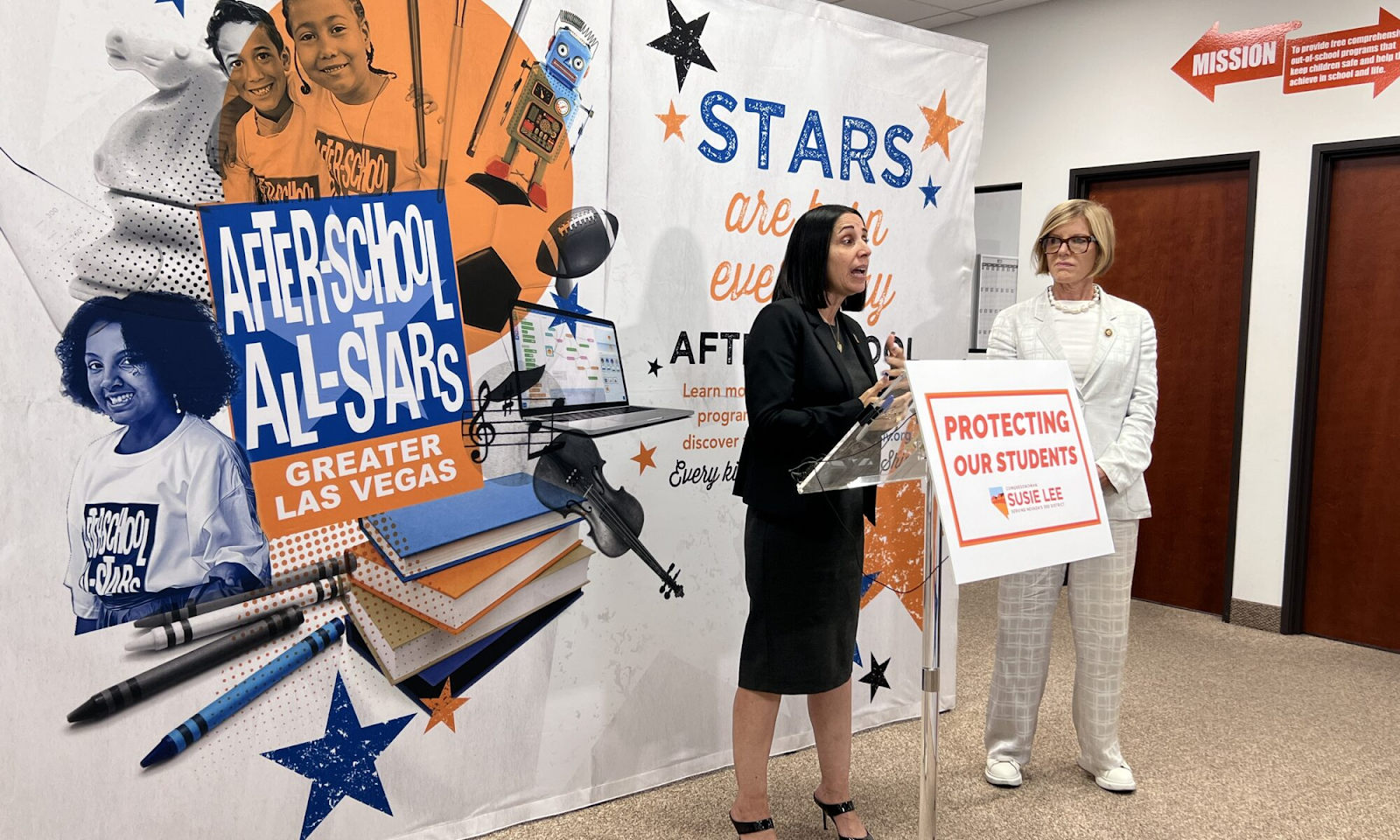
After School All Stars Las Vegas connects literacy development with enrichment and workforce readiness. As one of the Literacy nonprofits integrating reading support into broader after-school programming, it ensures that students build academic confidence alongside life and career skills.
Serving more than 6,000 students annually in Clark County, Nevada, the organization provides structured after-school programs designed to improve literacy while exposing students to STEAM learning and mentorship opportunities.
Their programming includes:
- Academic support and guided reading sessions
- English language development for multilingual learners
- STEAM enrichment activities that reinforce comprehension skills
- Mentorship and social-emotional learning components
By combining literacy instruction with hands-on enrichment, the organization helps students strengthen reading comprehension skills and apply them in practical settings. This integrated model improves academic performance and increases long-term engagement with school.
Recent efforts have focused on addressing post-pandemic learning gaps and expanding access to structured after-school literacy support. Their ongoing goal is to ensure that students not only meet grade-level reading benchmarks but also develop the confidence and critical-thinking skills needed for future academic and career pathways.
After School All Stars Las Vegas demonstrates that literacy thrives when it is reinforced across multiple learning environments. Supporting this organization means investing in students’ academic foundations while preparing them for long-term opportunities.
6. Reading Partners
Cause Areas: Early literacy intervention, tutoring, academic equity
Impact: 75,000+ students served since inception across 10 states
Reading Partners addresses one of the most pressing challenges in American education: early literacy intervention for struggling readers. As one of the most data-driven Literacy nonprofit organizations in the United States, it focuses on pairing students with trained volunteer tutors to deliver personalized, evidence-based reading support.
Operating across multiple states, Reading Partners has served more than 75,000 students since its inception, working directly with schools to identify children who need structured intervention. Their model is built around:
- One-on-one tutoring sessions during the school day
- Research-backed literacy curriculum
- Regular reading-level assessments to track growth
- Strong school partnerships to align tutoring with classroom goals
What makes Reading Partners stand out is its measurable approach. Students receive consistent tutoring throughout the academic year, and progress is tracked through standardized reading benchmarks. The goal is not short-term exposure, but sustained improvement in fluency, comprehension, and grade-level performance (Students receive one-on-one tutoring (average 1.5 sessions/week over 28 weeks) from volunteers, with progress tracked via standardized assessments for fluency, comprehension, and sight-word efficiency. MDRC's randomized study found statistically significant impacts, equivalent to 1.5–2 months of additional reading growth, even compared to students receiving other interventions.
In recent years, the organization has expanded virtual tutoring models to increase access and flexibility while maintaining structured, outcomes-driven instruction. Their ongoing target is clear: accelerate reading growth for students who are below grade level and help them reach key academic milestones before learning gaps widen further.
Reading Partners demonstrates that structured, one-on-one support can significantly improve literacy outcomes when delivered consistently. Supporting this organization means investing in proven intervention models that translate directly into measurable academic progress.
7. The Lucy Project
Cause Areas: Early childhood education, reading readiness, literacy access
Impact: 20,000+ books distributed and 1,000+ students supported since launch
The Lucy Project focuses on closing early literacy gaps by ensuring children have access to high-quality books and structured reading support from a young age. This community-driven initiative works directly with schools and families to strengthen reading readiness before academic challenges compound.
Since its launch, The Lucy Project has distributed over 20,000 books and supported more than 1,000 students, targeting communities where access to books is limited and early intervention is critical.
Their work centers on:
- Distributing culturally relevant, age-appropriate books
- Supporting early-grade reading development programs
- Partnering with schools to reinforce literacy instruction
- Engaging families to build consistent reading habits at home
What makes The Lucy Project impactful is its focus on reading readiness. Research consistently shows that exposure to vocabulary and early access to books significantly influence long-term academic performance. By intervening early, the organization ensures that students enter later grades with strong foundational skills.
Their continued target is to expand book distribution and deepen school partnerships to strengthen early-grade literacy benchmarks. By combining access with structured support, The Lucy Project turns books into a long-term opportunity.
Supporting this initiative means investing in the earliest stages of literacy development, when the right intervention can change the entire trajectory of a child’s education.
8. Community Education Partnerships
Cause Areas: Homelessness, educational equity, early literacy
Impact: More than 20,000 hours of tutoring provided annually to children experiencing housing instability
Community Education Partnerships addresses literacy challenges at one of the most vulnerable intersections: housing instability. As one of the Literacy charities working with students experiencing homelessness or transitional housing, the organization focuses on maintaining academic continuity when stability is disrupted.
Each year, the organization provides more than 10,000 hours of tutoring and academic support to students facing housing insecurity. Their programs are designed to prevent learning loss and keep literacy development on track during periods of uncertainty.
Their impact model includes:
- One-on-one tutoring for students in transitional housing
- Early literacy support to prevent grade-level setbacks
- School supply distribution and academic resource access
- Family engagement to support consistent learning environments
When students experience frequent moves or instability, reading progress can quickly stall. Community Education Partnerships works to ensure that literacy support remains consistent, even when a child’s living situation does not.
Recent efforts have focused on expanding tutoring capacity and strengthening school partnerships to reduce educational disruption. Their continued target is to improve grade-level reading proficiency among students experiencing housing instability while increasing retention and graduation outcomes.
Supporting Community Education Partnerships means recognizing that literacy progress must be protected, especially for students navigating complex life challenges. When academic continuity is preserved, long-term opportunity remains within reach.
9. Villa Communitaria
Cause Areas: Bilingual education, adult literacy, family learning
Impact: Supporting 1,500+ community members annually in Washington State

Source: Villa Communitaria
Villa Comunitaria strengthens literacy by focusing on bilingual education and adult learning within immigrant and underserved communities in Washington State. As one of the community-rooted Literacy nonprofits expanding access to both youth and adult learners, it recognizes that literacy growth must support entire families, not just students.
Serving more than 1,500 community members annually, the organization offers programs that improve reading and language skills and long-term workforce readiness.
- Bilingual literacy classes for children and adults
- English language development programs
- Family learning workshops that reinforce reading at home
- Community-based tutoring and mentorship
What makes Villa Comunitaria impactful is its dual focus. By supporting both young learners and adults, the organization strengthens literacy across generations. When parents improve their language proficiency and reading skills, children often experience stronger academic outcomes as well.
Recent efforts have focused on expanding English-language programs and increasing access to workforce-oriented literacy support. Their ongoing target is to improve educational mobility for immigrant families by strengthening foundational reading and language skills that open pathways to stable employment.
Supporting Villa Comunitaria means investing in literacy as a tool for integration, confidence, and economic advancement across entire communities.
10. eVidyalok
Cause Areas: Rural education, digital learning, literacy access
Impact: Reached 30,000+ students across 250+ villages in India
eVidyaloka is transforming rural education in India by connecting volunteer teachers with students in government schools through technology-enabled learning. As one of the innovative literacy nonprofit organizations addressing both access and digital gaps, it focuses on strengthening foundational literacy in villages where qualified teachers and academic resources are limited.
Through the Organisation’s functions, 30,000+ students across 300+ rural government schools (2023–24 Annual Report); cumulative 1.89 lakh (189,000) students have been impacted, with 6.43 lakh via its Digital Classroom program.
Its model includes:
- Virtual volunteer-led classes for rural government schools
- Curriculum-aligned literacy and foundational subject support
- Partnerships with local schools to ensure continuity
- Digital infrastructure that enables consistent remote instruction
What makes eVidyaloka impactful is its ability to bridge geographic barriers. Leveraging technology brings structured literacy instruction into classrooms that might otherwise lack the capacity for subject-specific instruction. This approach strengthens reading comprehension while also improving digital familiarity, a critical skill set in 2026.
Recent expansion efforts have focused on scaling village coverage and strengthening volunteer recruitment to maintain consistent instructional quality. Their ongoing goal is to deepen foundational literacy rates in rural schools while expanding their reach to additional underserved districts.
Supporting eVidyaloka means investing in access to literacy at scale, combining technology, volunteer engagement, and measurable academic outcomes to close rural education gaps.
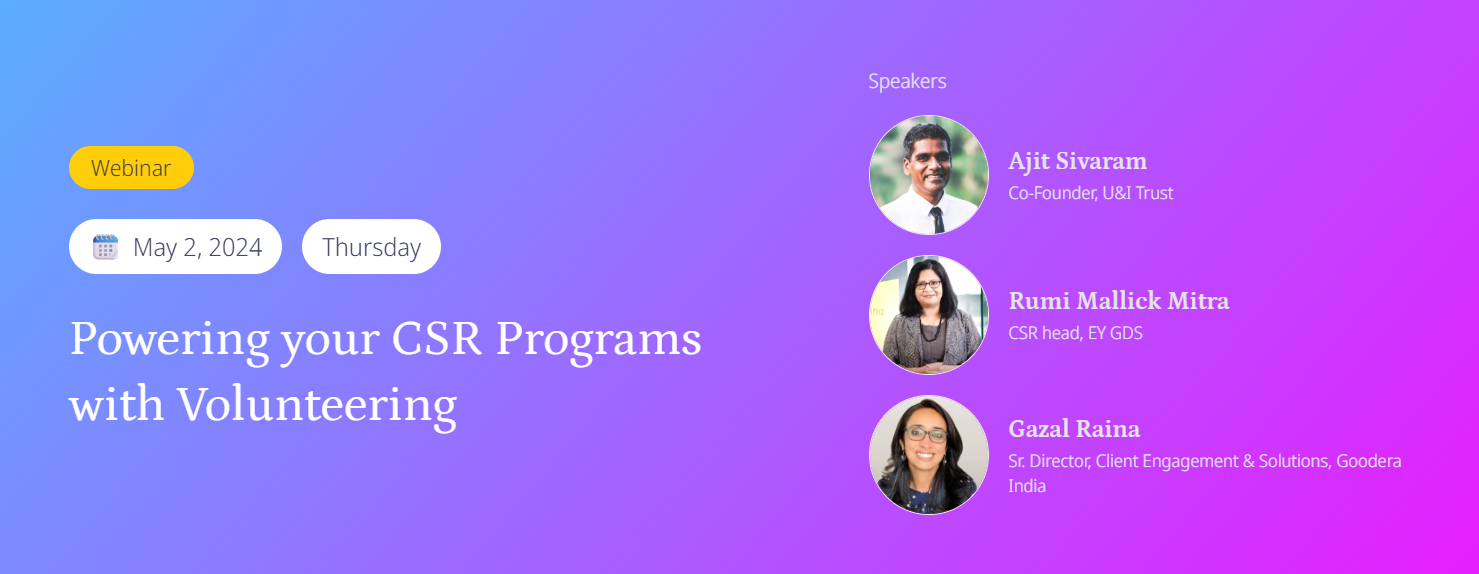
Ready to strengthen your CSR strategy through meaningful employee volunteering? Watch our webinar, Powering Your CSR Programs with Volunteering, and learn how leading organizations are driving measurable impact through structured literacy initiatives.
Corporate Volunteering and Literacy in 2026
Corporate support has become a powerful force behind the expansion of modern literacy. Today, companies are not just funding programs. They are actively engaging employees in tutoring, book distribution, mentorship, and digital literacy initiatives. This shift reflects a growing understanding that literacy development directly influences workforce readiness and long-term economic stability.
In 2026, structured literacy volunteering often includes:
- Virtual tutoring sessions
- Book assembly and distribution drives
- Mentorship for first-generation learners
- Digital literacy workshops
But here is a question worth reflecting on: Is literacy volunteering simply a community outreach activity, or is it long-term workforce development? The answer is increasingly clear. When companies invest in early literacy and educational continuity, they help build the very talent pipelines they will depend on in the future.
Strategic literacy partnerships allow organizations to create measurable community impact while strengthening employee engagement and leadership development internally.
How to Successfully Organize a Literacy Drive in 2026
Organizing a literacy drive requires more than collecting books. The most effective initiatives are structured, measurable, and aligned with a partner organization’s real needs. Here’s how to do it effectively:
Step 1: Define a Clear Objective
Start by identifying the focus of your drive. Are you supporting early-grade reading, adult literacy, bilingual learners, or digital access? A clearly defined goal ensures your effort addresses a specific literacy gap rather than becoming a general donation campaign.
Step 2: Partner With the Right Organization
Collaborate with vetted literacy nonprofit organizations that can guide you on real-time needs. The right partner will help you understand:
- Age-appropriate book requirements
- Language preferences
- Community-specific literacy challenges
- Distribution logistics
Alignment with an experienced partner ensures your contributions are practical and impactful.
Step 3: Align Donations With Real Needs
Not all books create equal impact. Coordinate with your partner organization to ensure materials match reading levels and cultural context. Random donations can overwhelm nonprofits, while curated collections directly strengthen literacy outcomes.
Step 4: Incorporate Volunteer Engagement
A literacy drive becomes more powerful when it includes human interaction. Consider adding:
- Volunteer-led reading sessions
- Virtual tutoring opportunities
- Book labeling and literacy kit assembly events
Engagement deepens both community impact and participant commitment.
Step 5: Measure What Matters
Track outcomes beyond participation numbers. Instead of only counting books collected, measure how many learners were reached, how programs were supported, or how reading access improved.
A successful literacy drive is not defined by volume alone. It is defined by how effectively those resources strengthen reading confidence and academic growth over time.
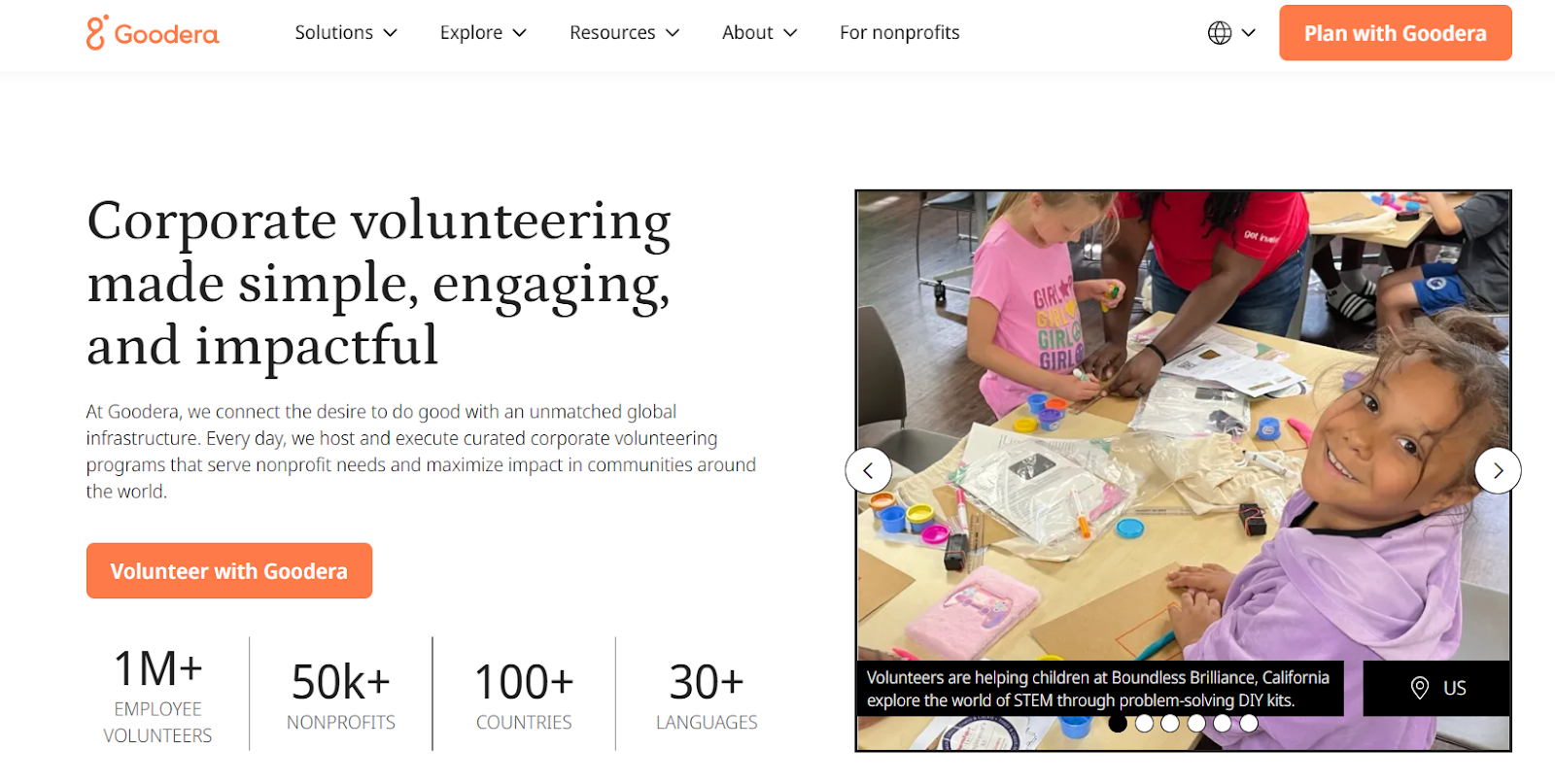
Ready to turn your literacy drive into a measurable impact? Partner with Goodera to design structured, high-impact corporate volunteering programs that strengthen reading outcomes worldwide.
Literacy and Economic Mobility
Literacy is one of the strongest predictors of long-term income stability and employment outcomes. Individuals with strong reading skills are more likely to graduate, secure stable employment, and adapt to evolving workplace demands. Communities with higher literacy rates also experience stronger economic participation and reduced reliance on social support systems.
If literacy directly influences income, employment, and economic resilience, why is it often treated as a secondary issue rather than core infrastructure? The reality is that literacy functions much like transportation or technology systems. Without it, progress slows. With it, opportunity expands.
Investing in literacy is not only about academic improvement. It is about building sustainable pathways to financial independence and long-term mobility.
Frequently Asked Questions
1. Why is it important to support literacy nonprofits?
Supporting Literacy nonprofits helps break cycles of poverty and expand long-term economic opportunity. Strong reading skills influence graduation rates, employability, income stability, and even health outcomes. When literacy improves, communities experience measurable gains in workforce participation and economic resilience.
2. What types of programs do literacy nonprofit organizations typically run?
Literacy nonprofit organizations often run early childhood reading programs, adult literacy classes, bilingual education initiatives, tutoring interventions, and digital literacy training. Many also provide book distribution, volunteer-led mentoring, and family engagement workshops to reinforce reading habits at home. The most effective programs combine a structured curriculum with measurable impact tracking.
3. How can individuals get involved with literacy charities?
Individuals can support Literacy charities by volunteering as reading tutors, donating books or funds, organizing literacy drives, or amplifying awareness. Many organizations also offer virtual tutoring opportunities, allowing contributions from anywhere in the world. Even small, consistent engagement can create long-term reading confidence for learners.
4. How do companies participate in literacy-focused volunteering?
Companies can partner with a Literacy foundation or nonprofit to design structured employee volunteering programs. These may include virtual tutoring, assembling literacy kits, book drives, mentorship initiatives, or digital learning support. Corporate literacy volunteering strengthens community outcomes while also improving employee engagement and leadership development.
5. How can I evaluate whether a literacy nonprofit is effective?
Look for transparency in reporting and measurable outcomes. Strong organizations publish reading-level improvements, the number of learners served, program completion rates, and long-term academic benchmarks. Effective Literacy nonprofits focus on sustained progress, not just participation numbers.
6. What is the difference between literacy charities and general education nonprofits?
Literacy charities specifically focus on reading, writing, comprehension, and language development. General education nonprofits may address broader academic support, infrastructure, or policy issues. Literacy-focused organizations concentrate on foundational skills that directly influence long-term academic and economic mobility.
7. What are examples of leading Literacy nonprofits worth supporting in 2026?
Prominent organizations include Reading Is Fundamental, Room to Read, ProLiteracy, First Book, and the Barbara Bush Foundation for Family Literacy. Each addresses a distinct gap — early childhood reading, global girls' education, adult literacy, or book access. Reviewing mission alignment, geographic reach, and program evidence helps narrow the shortlist for individual donors and corporate partners.
8. What is Digital Literacy and why does it matter alongside traditional reading skills?
Digital literacy covers the ability to navigate online platforms, evaluate credible sources, complete financial forms, and access government services digitally. It has become inseparable from basic literacy as essential tasks move online. Nonprofits increasingly bundle digital literacy with reading instruction, particularly for adult learners re-entering the workforce or older adults managing benefits and healthcare portals.
9. How does improved literacy influence long-term economic and health outcomes?
Reading proficiency correlates strongly with graduation rates, employment stability, and income growth across a lifetime. Adults with limited literacy face lower earnings and higher unemployment, while low health literacy affects chronic-disease management and medication adherence. UNESCO reports that 760 million adults globally still lack basic literacy, making the economic case for sustained investment compelling.
10. How can Goodera help companies build literacy-focused Corporate Volunteering programs?
Goodera designs curated volunteering experiences that connect employee teams with vetted literacy nonprofits, spanning virtual reading buddies, book-drive logistics, and skills-based tutoring engagements. Programs include impact tracking, ERG-friendly formats, and multi-market execution, helping CSR and People teams scale participation without managing nonprofit sourcing, volunteer training, or reporting internally.