Hispanic Heritage Month Celebrations for Work

There’s a story behind every celebration, and sometimes, those stories begin long before they’re recognized on a national calendar.
In classrooms where bilingual children are still told to “speak English only.” In workplaces where Hispanic professionals remain underrepresented in leadership roles. In communities where contributions to art, science, labor, and culture are woven deeply into the American fabric, yet often go unacknowledged. For many Hispanic and Latino families, identity is not just something to celebrate, it’s something that has had to be preserved, protected, and continuously reclaimed.
Today, more than 64.7 million people in the United States identify as Hispanic or Latino, making up nearly 1 in 5 Americans, according to the U.S. Census Bureau. Hispanic consumers contribute over $3.2 trillion to the U.S. GDP annually, yet gaps persist in income equity, education access, and representation in executive leadership. For example, while Hispanics make up a significant share of the workforce, they hold less than 5% of Fortune 500 CEO positions, highlighting a disconnect between contribution and recognition.
That’s what makes Hispanic Heritage Month celebrations so important.
Not just to celebrate, but to notice. To listen a little more closely. To understand how much of what feels “everyday American culture” has been shaped by Hispanic voices, often without being named as such.
When Is National Hispanic Heritage Month Celebrated in the U.S.?
Hispanic Heritage Month is celebrated from September 15 to October 15 each year in the United States.
The celebration begins on September 15 because it marks the independence anniversary of several Central American countries that share a deeply connected history. On that day in 1821, Costa Rica, El Salvador, Guatemala, Honduras, and Nicaragua collectively declared independence from Spanish rule. Rather than celebrating in isolation, these nations share that date as a symbol of regional unity and liberation.
The timing also naturally extends into other significant milestones. Mexico celebrates its independence on September 16, and Chile follows on September 18. By anchoring the month around these dates, the observance reflects a broader, cross-cultural moment of transformation across Latin America.
Choosing a mid-month to mid-month window allows these histories to be honored together, rather than limiting recognition to a single national narrative. It acknowledges that Hispanic heritage in the U.S. is not tied to one country or one story, but to a rich mix of cultures, each with its own journey to independence, identity, and influence.
In that sense, the timeframe quietly connects histories across borders, reminding us that many of the cultures celebrated during this month are linked by shared moments of resilience and change.
Why Is Hispanic Heritage Month Celebrated?
Hispanic Heritage Month is celebrated to recognize the history, culture, and contributions of Hispanic and Latino communities in the United States, and to correct how often those contributions have been overlooked in mainstream narratives.
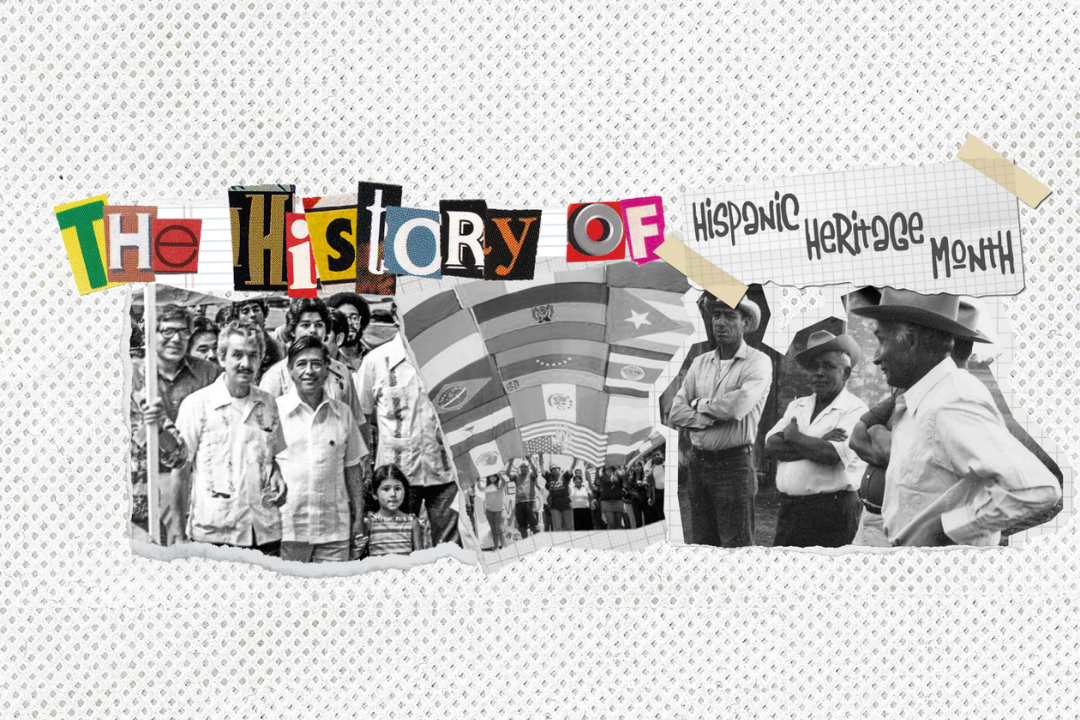
The observance began in 1968 when Lyndon B. Johnson established it as Hispanic Heritage Week. It was later expanded to a full month in 1988 under Ronald Reagan, reflecting both the growing population and the increasing influence of Hispanic communities across the country.
At a practical level, the month creates space to focus on three things:
1. Honoring Cultural Traditions and Heritage
Hispanic culture in the U.S. is not a single story; it spans dozens of countries, languages, and traditions. From literature and music to food and family structures, these cultural expressions have shaped what Americans experience every day, often without realizing their origins.
2. Recognizing Contributions Across Industries
Hispanic Americans contribute significantly across sectors, including:
- Business and entrepreneurship: Latino-owned businesses are among the fastest-growing segments in the U.S. economy
- Labor force participation: Hispanics represent nearly 1 in 5 workers, playing a critical role in industries like healthcare, construction, agriculture, and services
- Arts, science, and public service: Contributions range from Nobel Prize winners to local community leaders
Despite this, representation gaps persist, especially in executive leadership, policy-making, and media visibility. That gap is a key reason why celebrating Hispanic Heritage Month continues to matter.
3. Increasing Awareness and Understanding
For many people, this month serves as an entry point, a time to learn histories that are not always fully covered in standard curricula. It encourages:
- More accurate representation of Hispanic history in the U.S.
- Conversations about identity, language, and belonging
- A better understanding of the diversity within Hispanic communities themselves
At its core, Hispanic Heritage Month celebrations are about visibility backed by recognition. Not just acknowledging that Hispanic communities are part of the American story, but understanding how central they are to it.
When Was Hispanic Heritage Month First Celebrated in the U.S.?
Hispanic Heritage Month is celebrated to recognize the history, culture, and contributions of Hispanic and Latino communities in the United States, and to address how often those contributions have been underrepresented.
The observance began in 1968 when Lyndon B. Johnson established it as Hispanic Heritage Week. It was later expanded to a full month in 1988 under Ronald Reagan, acknowledging the growing cultural and economic influence of Hispanic communities across the country.
At the time, Reagan emphasized the importance of this recognition, stating:
“The observance of Hispanic Heritage Month recognizes the contributions of Hispanic Americans to the United States and celebrates the Hispanic heritage and culture that are so vital to our nation.”

That framing still holds up. The month is not just symbolic, it’s meant to direct attention toward contributions that have long been part of the country’s foundation, but not always fully acknowledged.
This shift from a week to a month highlights how the importance of celebrating Hispanic heritage has evolved over time.
Why Is Hispanic Heritage Month Celebrated in September and October?
Hispanic Heritage Month spans two months because of the historical significance of mid-September for many Latin American countries.
Rather than following the traditional calendar-month format, the observance was designed to center on key independence milestones, making it more culturally meaningful.
This unique timing reflects a deeper connection to history, rather than convenience.
Hispanic Heritage Month is primarily a U.S. observance, but it reflects the cultures, histories, and identities of countries across Latin America and Spain. It’s less about which countries “celebrate” the month formally, and more about whose histories and contributions are being recognized within the U.S.
At its core, the month acknowledges communities with roots in:
- Mexico
- Spain
- Puerto Rico
- Cuba
- Dominican Republic
- Countries across Central America, including Guatemala, Honduras, and El Salvador
- Countries across South America, such as Colombia, Peru, and Argentina
What ties these regions together is not geography alone, but a shared linguistic and cultural connection to Spanish heritage, shaped over time by colonization, migration, and local traditions.
That said, it’s important to recognize that Hispanic identity is not one-dimensional. Each country, and even regions within countries, brings its own:
- Languages and dialects (including Indigenous languages alongside Spanish)
- Food traditions and culinary history
- Music, dance, and art forms
- Historical experiences and social realities
For example, the cultural expressions of someone with roots in Mexico can look very different from those of someone from the Caribbean or the Southern Cone of South America. Even within the same country, identity can vary widely based on race, class, and Indigenous heritage.
That diversity is exactly what shapes Hispanic Heritage Month celebrations in the U.S. Instead of representing a single culture, the month reflects a wide spectrum of experiences, making it less about a unified narrative and more about recognizing many distinct stories that coexist under a broader identity.
How Is Hispanic Heritage Month Celebrated?
Hispanic Heritage Month celebrations vary widely, but they often combine culture, education, and community engagement.
Common ways people celebrate include:
- Attending cultural festivals and parades
- Exploring Hispanic cuisine and traditions
- Learning about historical figures and contributions
- Supporting Hispanic-owned businesses
- Participating in community events and volunteering
The most meaningful celebrations go beyond observation and create opportunities to engage, learn, and connect.
How to Celebrate Hispanic Heritage Month at Work?
The most effective Hispanic Heritage Month celebrations at work combine learning, community impact, and everyday participation. In practice, that can look like hosting candid conversations with Hispanic leaders, volunteering with organizations that support Latino communities, spotlighting employee stories, or even redirecting company spend toward Hispanic-owned businesses.
Below are 10 activities that go beyond surface-level celebration, each designed to create awareness, encourage participation, and leave something meaningful behind once the month ends.
1. Host Educational Sessions and Speaker Events
Bring in historians, authors, community leaders, or even internal employees to share lived experiences and context around identity, migration, and contribution.
At Google, their HOLA employee resource group organizes global speaker sessions featuring artists, entrepreneurs, and public figures, alongside workshops for Latino-owned small businesses through their “Grow with Google” initiative. These aren’t passive talks; they’re tied to real economic and community impact.
This works because most employees don’t lack intent; they lack exposure. Hearing directly from people with lived experience builds nuance and reduces surface-level understanding.
How to measure impact:
- Attendance and completion rates
- Post-session survey scores on learning and relevance
- Increase in participation in related initiatives (ERG signups, follow-up events)
How to implement: Start small, one high-quality speaker with a clear theme, followed by a moderated Q&A. Record sessions so they become long-term learning assets.
2. Organize Employee Volunteering Opportunities
Partner with nonprofits focused on Hispanic education, workforce development, or small business support.
Companies are increasingly blending volunteering with broader ecosystem support. At Amazon, Hispanic Heritage Month efforts extend beyond traditional volunteering. Their initiatives include spotlighting Hispanic-owned small businesses to help them reach global audiences, supporting Latino founders through AWS, and curating cultural content across platforms like Books, Music, and Amazon Live.
Campaigns like “Celebremos” and employee storytelling initiatives such as “Con Orgullo” also create visibility while reinforcing internal inclusion. Alongside this, employee resource groups play an active role in driving community engagement throughout the year.
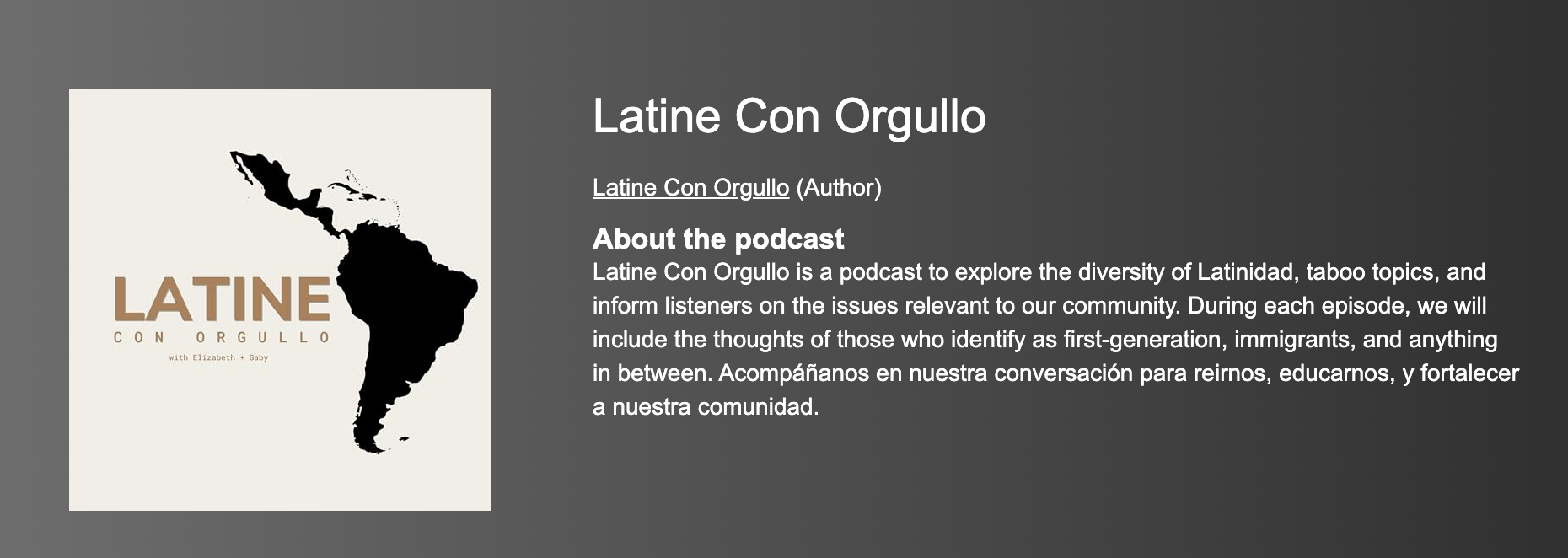
What this does well is connect employees not just to causes, but to real economic and cultural impact; whether that’s supporting entrepreneurs, amplifying voices, or enabling access to larger platforms.
How to measure impact:
- Volunteer hours and participation rates
- Number of businesses, founders, or communities supported
- Reach and engagement of campaigns (views, shares, conversions)
- Feedback from nonprofit or community partners
How to implement: Think beyond traditional volunteering. Combine hands-on activities (like mentoring or community service) with ecosystem support, such as promoting small businesses, offering skill-based volunteering, or using your company’s platform to amplify underrepresented voices.
3. Support Hispanic-Owned Businesses
Create structured ways for employees to discover and support Hispanic entrepreneurs.
Companies that do this well treat it as both a cultural and economic initiative. Amazon, for example, builds dedicated discovery experiences where Hispanic-owned brands are featured across categories, helping them scale beyond local markets. Similarly, Google complements this with programs like Grow with Google, which provides digital training to Hispanic entrepreneurs, enabling them to build an online presence and reach more customers through search and digital tools, as outlined in .
This works because it moves beyond awareness and directly redistributes visibility and spending power.
How to measure impact:
- Sales generated for featured businesses
- Employee participation (purchases, event engagement)
- Number of businesses onboarded
How to implement: Start with a curated list of 10–15 businesses or host a small vendor showcase. Even limited exposure can create meaningful traction for small brands.
4. Create Cultural Experiences That Educate, Not Stereotype
Organize experiences around food, music, film, and art, but anchor them in context, not just entertainment.
The difference between a meaningful and superficial event often comes down to depth. Companies like Netflix approach this by curating Hispanic film collections and pairing them with storytelling, interviews, and context around creators and cultural movements. Internally, similar formats can include film screenings followed by guided discussions, live cooking sessions that explain regional histories, or music events that explore origins and influence.
This works because culture is often the easiest entry point, but without context, it risks becoming tokenistic. When you layer in history and lived experience, participation turns into learning.
How to measure impact:
- Attendance and repeat participation
- Engagement in discussions or follow-up sessions
- Employee feedback on learning vs entertainment value
How to implement: Pair every cultural activity with a short narrative, speaker, or guide. Even a 10-minute introduction can shift the experience from passive to meaningful.
5. Launch Long-Term Initiatives Round the Year
Use Hispanic Heritage Month as a starting point for programs that continue beyond October.
Organizations that see real impact treat this month as a trigger for sustained action. At Google, Hispanic Heritage Month connects to broader efforts like Grow with Google, which provides digital skills training to Hispanic-owned businesses year-round, helping them build online presence and scale beyond local markets. These initiatives are not limited to a single campaign window; they continue as part of long-term inclusion and economic empowerment strategies.
This matters because one-off events rarely change outcomes like representation, retention, or access. Long-term programs, mentorship pipelines, partnerships with Hispanic-serving institutions, or supplier diversity commitments are what move the needle.
How to measure impact:
- Retention and promotion rates of Hispanic employees
- Participation in mentorship or sponsorship programs
- Number of long-term partnerships or initiatives launched
How to implement: Commit to one initiative that extends beyond the month, such as a mentorship program or business partnership, and use Hispanic Heritage Month to launch and build momentum around it.
6. Spotlight Employee Stories and Lived Experiences
Create internal campaigns where employees can share their journeys, identities, and perspectives, if they choose to.
When done well, this becomes one of the most powerful drivers of inclusion. At Microsoft, storytelling is central to their approach. Through their HOLA employee network, which includes over 4,000 members, employees share personal narratives that reflect the diversity within Hispanic identities, while leadership actively participates in amplifying these voices, as detailed in .
This matters because representation becomes tangible; employees don’t just hear about diversity, they see it reflected in their peers and leaders.
How to measure impact:
- Engagement with stories (views, comments, shares)
- Employee feedback on belonging and inclusion
- Participation rates in storytelling initiatives
How to implement: Offer multiple formats, written features, short videos, or live panels, and keep participation voluntary to ensure authenticity.
7. Build Structured Learning Journeys
Create a centralized hub of curated resources, articles, podcasts, and short courses employees can explore asynchronously.
Some companies extend this beyond internal learning. Google, for instance, integrates Hispanic Heritage Month into its broader ecosystem, using platforms like YouTube, Search, Google Play, and Google Arts & Culture to highlight Latino creators and cultural content, and has noted that its Hispanic Heritage Month voice narratives on Search and Assistant have drawn millions of interactions.
This approach works because it meets people where they are; not everyone attends events, but many will engage with well-curated content on their own time.
How to measure impact:
- Resource engagement (clicks, completion rates)
- Time spent on content
- Knowledge retention via quick feedback loops
How to implement: Curate a focused set of high-quality resources and organize them by themes like history, business, and culture. Avoid overwhelming employees with too much content.
10. Encourage Visible Leadership Participation
Leaders should actively participate, attend events, and communicate why this month matters.
At Microsoft, leadership involvement is structured; executives act as sponsors for Hispanic ERGs, participate in discussions, and help drive visibility for initiatives across the organization, reinforcing that inclusion is a business priority, not just a cultural one, as seen in .
This matters because leadership behavior directly influences participation. When leaders show up, employees are far more likely to engage.
How to measure impact:
- Leadership attendance and participation
- Employee perception of leadership commitment
- Correlation between leadership presence and event turnout
How to implement: Assign leaders specific roles, moderating panels, hosting sessions, or sponsoring initiatives, so participation is active, not symbolic.
What This Looks Like in Practice
If you’re starting from scratch, don’t try to do all 10.
Pick 3–4 activities that balance:
- Learning (speaker session or panel)
- Action (volunteering or business support)
- Internal engagement (stories or ERG-led events)
Run them well, measure participation and feedback, and build from there next year. That’s how Hispanic Heritage Month celebrations move from being a calendar event to something employees actually remember and value.
How Can Companies Make Hispanic Heritage Month Celebrations More Impactful?
To move beyond surface-level engagement, companies need to treat Hispanic Heritage Month celebrations as part of a broader inclusion strategy, not a standalone campaign. The difference shows up in consistency, ownership, and measurable outcomes.
1. Partner With Community Organizations Year-Round
Short-term collaborations rarely build trust. Long-term partnerships with Hispanic-serving nonprofits, small business networks, or educational institutions create continuity and credibility.
This could look like:
- Ongoing mentorship programs for Latino students
- Multi-month volunteering commitments, not just one-day events
- Supporting workforce development or entrepreneurship programs
2. Track Participation and Impact Metrics
If you’re not measuring outcomes, it’s hard to know what actually worked. Instead of counting attendees and focus on metrics that reflect real impact:
- Participation rates across different employee groups
- Volunteer hours and beneficiaries reached
- Revenue or visibility generated for Hispanic-owned businesses
- Employee sentiment (belonging, awareness, engagement)
3. Involve Employees in Planning and Execution
Top-down programming often misses nuance. The most effective initiatives are co-created with employees, especially through ERGs or informal networks.
This could include:
- Letting Hispanic employees shape event themes and speakers
- Crowdsourcing ideas for activities or partnerships
- Creating open forums for feedback before and after events
4. Share Outcomes and Stories After the Event
Most companies stop communicating once events end. That’s a missed opportunity. Closing the loop by sharing outcomes helps reinforce impact:
- Highlight funds raised, hours volunteered, or businesses supported
- Share employee reflections or key takeaways
- Recognize contributors and partners
When done right, Hispanic Heritage Month celebrations can strengthen employee connection, build trust with communities, and create programs that continue delivering value long after October 15.
Wrapping it Up
The gap that we keep circling back to is not a lack of contribution. It's a lack of conversion. Hispanic and Latino communities generate over $3.2 trillion in GDP and make up nearly 1 in 5 Americans, yet hold fewer than 5% of Fortune 500 CEO seats. That distance between economic weight and executive representation is the real reason Hispanic Heritage Month exists, and it's also the clearest test for whether a company's celebration actually means anything.
The 10 activities outlined above work because each one converts a passive acknowledgment into something structural: a mentorship pipeline instead of a single panel, a supplier relationship instead of a one-time purchase, a leadership sponsorship instead of a calendar reminder. Companies like Google, Amazon, and Microsoft show the same pattern repeated across different formats: storytelling, business support, and learning content all get built to outlast October 15, not to end there.
That's the shift worth carrying forward. Hispanic Heritage Month's own history, from a week under Johnson to a month under Reagan, shows recognition expanding when it's treated as ongoing rather than symbolic. The companies getting the most out of this month are applying the same logic internally: picking 3 to 4 initiatives, measuring them honestly, and letting the strongest ones run past the 31 days they started in.
Frequently Asked Questions
1. When Is National Hispanic Heritage Month Celebrated in the U.S.?
It is observed annually from September 15 to October 15, aligning with independence anniversaries across multiple Latin American countries, including Mexico and Chile.
2. Why Is Hispanic Heritage Month Celebrated?
It recognizes the cultural, historical, and social contributions of Hispanic and Latino communities in the United States, while also addressing gaps in representation and awareness.
3. How Is Hispanic Heritage Month Celebrated?
Through a mix of:
- Cultural events (food, film, music with context)
- Educational sessions and storytelling
- Community engagement and volunteering
- Support for Hispanic-owned businesses
The most effective Hispanic Heritage Month celebrations combine awareness with measurable impact.
4. What Countries Are Represented During Hispanic Heritage Month?
The month reflects cultures from across Latin America and Spain, including countries like Mexico, Spain, Colombia, and Peru, each contributing distinct traditions and cultural influences.
5. How To Celebrate Hispanic Heritage Month at Work?
Organizations can:
- Host educational events and speaker sessions
- Support Hispanic-owned businesses
- Organize volunteering opportunities
- Create space for employee stories and cultural learning
The key is to move from one-time events to ongoing, meaningful engagement that employees and communities can actually feel.
6. What Is the Difference Between Hispanic and Latino?
Hispanic refers to people from Spanish-speaking countries, including Spain, while Latino refers to people from Latin America regardless of language, including Portuguese-speaking Brazil. The terms overlap but are not identical. Hispanic Heritage Month specifically honors Hispanic Americans, though many organizations use both terms inclusively to reflect the full diversity of employees and communities.
7. What Are Common Mistakes to Avoid During Hispanic Heritage Month?
Common pitfalls include treating Hispanic communities as monolithic when the term spans 20+ nationalities with distinct histories, reducing observance to food-only events, and engaging employees only during the month itself. Effective programs avoid tokenism by building year-round initiatives, ensuring authentic Latino leadership involvement, and going beyond surface-level celebrations to address representation gaps and workplace equity.
8. What Are the Benefits of Celebrating Hispanic Heritage Month at Work?
Celebrating Hispanic Heritage Month strengthens workplace inclusion, boosts engagement among Latino employees, and signals commitment to equity. It supports talent retention, expands cultural competence, and connects teams to broader markets—Hispanic buying power exceeds $3.2 trillion annually in the US. Programs also help address underrepresentation, with Latinos holding under 5% of Fortune 500 CEO positions today.
9. What Are Virtual Hispanic Heritage Month Activities for Remote Teams?
Virtual options include online cultural showcases, video panels with Latino executives, virtual cooking classes led by Hispanic chefs, digital book clubs featuring Latino authors, remote volunteering with Hispanic-serving nonprofits, and film discussion groups. Companies can also invite guest speakers via webinar, share curated music playlists, and host trivia sessions covering the diverse nationalities within the Hispanic community.
10. How Can Goodera Help Plan Hispanic Heritage Month Events?
Goodera partners with companies to design Hispanic Heritage Month experiences, including virtual and in-person volunteering with Latino-serving nonprofits, cultural workshops, and expert-led sessions. Programs span mentorship events, community service, and educational panels, helping ERGs and DEI leaders build authentic, measurable engagement that extends beyond the September 15 to October 15 window into year-round impact.