Quiz du Mois du patrimoine hispanique : 50+ questions, réponses et faits fascinants

De la musique que nous écoutons aux plats que nous apprécions, en passant par les innovations dans les domaines des affaires, des sciences, du sport et des arts, les communautés hispaniques et latinos ont contribué à façonner l'expérience américaine d'innombrables manières.
Célébré du 15 septembre au 15 octobre, le Mois du patrimoine hispanique met à l'honneur l'histoire, les cultures et les réussites des Américains dont les racines remontent à l'Espagne, au Mexique, aux Caraïbes, ainsi qu'à l'Amérique centrale et du Sud.
Ces moments de reconnaissance sont importants. Ils permettent de découvrir des perspectives souvent négligées, de célébrer la diversité culturelle et d'encourager des échanges constructifs au sein des équipes, des salles de classe et des communautés. Parfois, il suffit d'un fait surprenant ou d'un pan d'histoire pour éveiller la curiosité.
Entre 2000 et 2024, la population latino aux États-Unis a presque doublé, passant de 35,3 millions à 68 millions de personnes. Les Latinos ont représenté plus de la moitié de la croissance démographique totale des États-Unis au cours de cette période. Aujourd'hui, les Hispaniques constituent 20 % de la population américaine totale, ce qui en fait le plus grand groupe minoritaire racial ou ethnique du pays.
Derrière ces chiffres se cache un riche héritage culturel qui continue d'influencer la vie américaine de manière visible et inattendue. Explorer cette histoire est l'un des meilleurs moyens d'apprécier les personnes, les traditions et les accomplissements que le Mois du patrimoine hispanique célèbre.

Questions de culture générale sur l'histoire et les origines du Mois du patrimoine hispanique
La plupart des gens savent que le Mois du patrimoine hispanique a lieu chaque automne. Beaucoup moins savent pourquoi il commence à la mi-septembre, comment il est passé d'une semaine de commémoration à une célébration d'un mois, ou pourquoi tant d'anniversaires d'indépendance sont liés à ses dates.
L'histoire du Mois du patrimoine hispanique reflète une réalité plus large concernant l'identité, la culture et la reconnaissance aux États-Unis. Cette célébration a été intentionnellement conçue pour honorer des moments clés de l'histoire des nations latino-américaines tout en célébrant les contributions des communautés hispaniques et latinos à travers le pays.
Ces questions de culture générale explorent les origines de ce mois, les dirigeants qui ont contribué à sa création et les jalons historiques qui continuent de façonner la manière dont il est célébré aujourd'hui.
Q1 : Quand le Mois du patrimoine hispanique commence-t-il et se termine-t-il ?
Du 15 septembre au 15 octobre, chaque année.
Mais voici ce que la plupart des gens ignorent : le 15 septembre a été choisi comme point de départ car il s'agit de l'anniversaire du « Grito de Dolores », qui a marqué le début de la guerre d'indépendance du Mexique et a conduit à la liberté de la colonie de la Nouvelle-Espagne en 1821. Ce mois chevauche délibérément deux mois civils afin d'englober simultanément plusieurs anniversaires d'indépendance.
Q2 : Quels pays célèbrent leur indépendance le 15 septembre ou aux alentours ?
Cinq pays ont déclaré leur indépendance vis-à-vis de l'Espagne le 15 septembre 1821 : le Costa Rica, le Salvador, le Guatemala, le Honduras et le Nicaragua. Le Mexique célèbre son indépendance le 16 septembre, et le Chili le 18 septembre. Le jour de Christophe Colomb, ou « Día de la Raza », tombe le 12 octobre, ce qui se situe également dans cette période de 30 jours.
C'est pourquoi le mois commence à la mi-septembre plutôt que le 1er septembre. Il a été conçu pour honorer ces étapes historiques, et non pour s'adapter parfaitement à un calendrier.
Q3 : Le Mois du patrimoine hispanique a-t-il toujours duré un mois entier ?
Non. La commémoration a débuté en 1968 sous le nom de « Semaine du patrimoine hispanique » sous la présidence de Lyndon Johnson, puis a été étendue par le président Ronald Reagan en 1988 pour couvrir une période de 30 jours, du 15 septembre au 15 octobre.
En 1987, le représentant américain Esteban E. Torres, de Californie, a proposé d'étendre la célébration à sa durée actuelle de 31 jours. Torres souhaitait disposer de plus de temps pour que la nation puisse « observer et coordonner correctement les événements et activités visant à célébrer la culture et les réussites hispaniques ».
Q4 : Quel président américain a promulgué la loi instaurant la Semaine du patrimoine hispanique ?
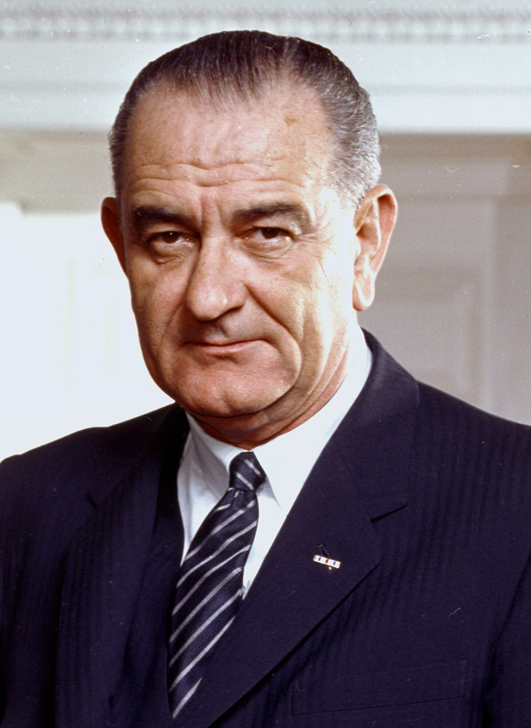
Le président Lyndon B. Johnson. Le 17 septembre 1968, le Congrès a adopté la loi publique 90-498, autorisant et demandant officiellement au président de publier des proclamations annuelles déclarant les 15 et 16 septembre comme début de la Semaine nationale du patrimoine hispanique. Johnson a promulgué cette loi le jour même.
Q5 : Quel a été le premier président à déclarer officiellement un Mois du patrimoine hispanique de 31 jours ?
Le président George H.W. Bush a été le premier à déclarer officiellement la période actuelle de 31 jours, du 15 septembre au 15 octobre, comme Mois national du patrimoine hispanique, le 14 septembre 1989.
Q6 : Qui a présenté le projet de loi visant à étendre la Semaine du patrimoine hispanique à un mois complet ?
En 1988, le sénateur Paul Simon de l'Illinois a présenté une version du projet de loi du représentant Torres, qui a été adoptée par le Congrès et promulguée par le président Reagan le 17 août 1988.
Faits marquants sur le Mois du patrimoine hispanique : population et démographie
Ces questions de trivia s'articulent autour de chiffres qui permettent de mettre en perspective l'importance et l'ampleur des communautés hispaniques et latinos.
Q7 : Quelle est la taille de la population hispanique aux États-Unis aujourd'hui ?
La population hispanique des États-Unis a atteint 68 millions de personnes en 2024, faisant des Hispaniques et des Latinos la plus grande minorité raciale ou ethnique du pays, représentant un Américain sur cinq.
Q8 : De combien la population latino a-t-elle augmenté depuis 2000 ?
Entre 2000 et 2024, la population latino a presque doublé, passant de 35,3 millions à 68 millions. Les Latinos ont représenté plus de la moitié de la croissance démographique totale des États-Unis au cours de cette période.
Q9 : Quelle part des nourrissons nés aux États-Unis en 2024 avait un parent hispanique ?
En 2024, 32 % des nourrissons nés aux États-Unis avaient une mère ou un père hispanique, selon les données des Centres pour le contrôle et la prévention des maladies (CDC), une proportion nettement supérieure à celle des Américains d'origine hispanique, qui s'élève à 20 %. Les naissances hispaniques ne stimulent pas seulement la croissance de la population hispanique, elles tirent la croissance démographique globale des États-Unis.
Q10 : Quels sont les deux États américains comptant les plus grandes populations hispaniques ?
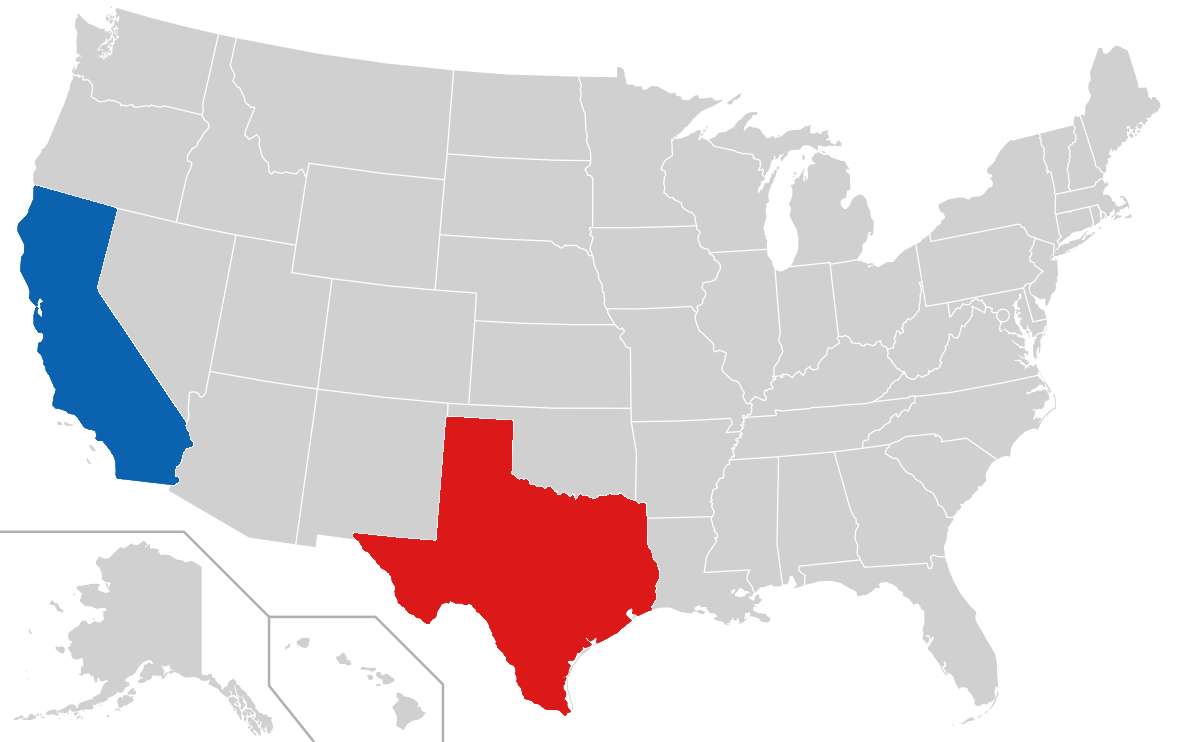
La Californie et le Texas. En 2024, 15 États comptaient un million ou plus de résidents hispaniques : l'Arizona, la Californie, le Colorado, la Floride, la Géorgie, l'Illinois, le Massachusetts, le New Jersey, le Nouveau-Mexique, l'État de New York, la Caroline du Nord, la Pennsylvanie, le Texas, la Virginie et l'État de Washington.
Q11 : Quelle part de l'ensemble des enfants américains est hispanique ?
Environ 18 800 000 enfants, soit 25 % de tous les enfants aux États-Unis, étaient hispaniques en 2020, un chiffre qui a continué de croître. Un enfant américain sur quatre est hispanique. Ce chiffre influence tout, de la démographie scolaire à l'avenir culturel du pays.
Q12 : Quel est le groupe hispanique le plus important aux États-Unis par origine nationale ?
Les Mexicains constituent le groupe le plus important, avec un total de 38,9 millions de personnes en 2024. Viennent ensuite les Portoricains, avec 6,1 millions ; suivis des Cubains avec 2,9 millions, des Salvadoriens avec 2,7 millions et des Dominicains avec 2,5 millions.
Faits intéressants sur le Mois du patrimoine hispanique : culture, art et gastronomie
C'est dans la culture que l'héritage hispanique est le plus vivant. Ces questions de trivia abordent les plats, les formes d'art et les traditions qui ont largement dépassé leurs frontières d'origine.
Q13 : Quel aliment de base, désormais consommé dans tous les États-Unis, est originaire des civilisations mésoaméricaines ?
Le maïs. Les peuples autochtones de Mésoamérique, notamment les civilisations maya et aztèque, ont cultivé le maïs comme pilier central de leur alimentation et de leur cosmologie pendant des millénaires. Les tortillas de maïs, les tamales et le pozole sont tous issus directement de cette tradition. Aujourd'hui, le maïs est la céréale la plus produite aux États-Unis, un héritage qui remonte entièrement à la culture indigène précolombienne.
Q14 : Qu'est-ce que le « Grito de Dolores » et pourquoi est-ce important pour le Mois du patrimoine hispanique ?
Le Grito de Dolores, ou « Cri de Dolores », a marqué le début de la guerre d'indépendance du Mexique et a conduit à la liberté de la colonie de Nouvelle-Espagne en 1821. Il a été lancé par Miguel Hidalgo y Costilla le 16 septembre 1810. C'est la raison pour laquelle le 15 septembre a été choisi comme date de début du Mois du patrimoine hispanique. Chaque année, le président du Mexique fait sonner une cloche et répète le Grito depuis le balcon du Palais national à Mexico, dans la nuit du 15 septembre.
Q15 : Quelle danse, désormais reconnue par l'UNESCO comme patrimoine culturel immatériel, est originaire de la région du Río de la Plata, en Argentine et en Uruguay ?
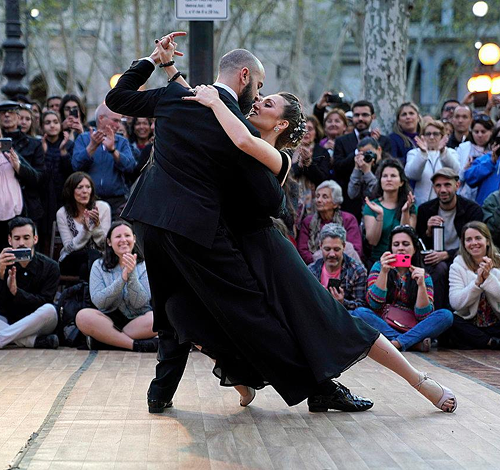
Le tango. Né à la fin du XIXe siècle dans les quartiers populaires de Buenos Aires et de Montevideo, le tango a mêlé rythmes africains, traditions de danse européennes et cultures immigrées pour créer quelque chose d'entièrement nouveau. L'UNESCO l'a inscrit sur la liste représentative du patrimoine culturel immatériel de l'humanité en 2009.
Q16 : Qu'est-ce que le Jour des morts et quelle est son origine ?
Le Día de los Muertos est une tradition mexicaine qui honore les ancêtres défunts avec des autels, des fleurs d'œillet d'Inde, des photographies et des offrandes de nourriture et de boissons. Il trouve ses racines dans les rituels aztèques honorant la déesse Mictecacihuatl et s'est mêlé à la Toussaint et au jour des morts catholiques après la colonisation espagnole. Il est célébré les 1er et 2 novembre et est désormais observé par les communautés mexicaines et mexicano-américaines à travers les États-Unis.
Q17 : Quel mouvement littéraire latino-américain, connu sous le nom de « Boom », a produit certains des romans les plus célèbres du XXe siècle ?
Le « Boom » littéraire latino-américain des années 1960 et 1970 a révélé des écrivains tels que le Colombien Gabriel García Márquez, le Péruvien Mario Vargas Llosa, le Mexicain Carlos Fuentes et l'Argentin Julio Cortázar. « Cent ans de solitude » de García Márquez, publié en 1967, est l'un des romans en langue espagnole les plus vendus au monde et a valu à son auteur le prix Nobel de littérature en 1982.
Q18 : Quelle est la signification de la quinceañera ?
La quinceañera est une célébration du 15e anniversaire d'une jeune fille dans les cultures latino-américaines, marquant son passage de l'enfance à l'âge adulte. Elle associe une cérémonie religieuse catholique à une fête joyeuse et puise ses racines à la fois dans les rituels de passage à l'âge adulte autochtones et dans les traditions coloniales espagnoles. Elle demeure l'une des célébrations culturelles les plus importantes au sein des communautés mexicaines, cubaines, portoricaines, ainsi que d'Amérique centrale et du Sud.
Questions pour le Mois du patrimoine hispanique : pionniers et premières fois
Voici les histoires de personnes qui ont brisé les barrières, changé le cours de l'histoire et permis à ceux qui les ont suivies d'aller encore plus loin.
Q19 : Qui a été la première personne d'origine hispanique à siéger à la Cour suprême des États-Unis ?
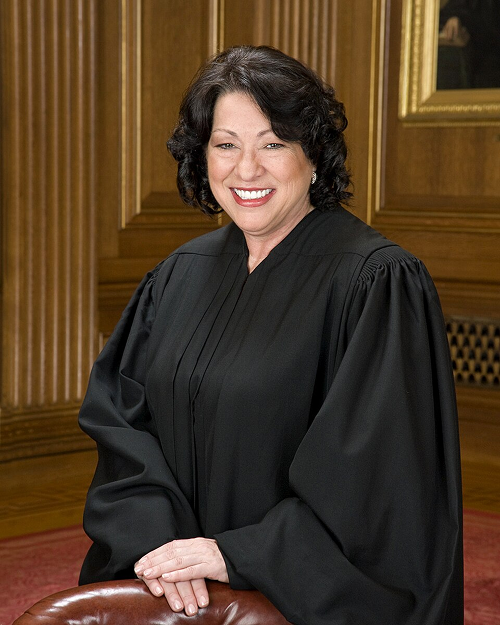
Sonia Sotomayor, confirmée en 2009. Née dans le Bronx de parents portoricains, Sotomayor a grandi dans une cité HLM, a étudié à Princeton et à la faculté de droit de Yale, et est devenue juge fédérale avant que le président Barack Obama ne la nomme à la Cour suprême. Elle est la première personne d'origine hispanique et la troisième femme à siéger en tant que juge à la Cour suprême des États-Unis.
Q20 : Qui a été le premier membre du Congrès d'origine hispanique de l'histoire américaine ?
Romualdo Pacheco, de Californie, qui a siégé à la Chambre des représentants des États-Unis de 1877 à 1883. Né à Santa Barbara alors que la Californie faisait encore partie du Mexique, Pacheco a également été brièvement gouverneur de Californie en 1875, devenant le premier et, à ce jour, le seul gouverneur d'origine hispanique de cet État.
Q21 : Qui a été la première femme d'origine hispanique dans l'espace ?
Ellen Ochoa, qui a volé à bord de la navette spatiale Discovery en 1993 lors de la mission STS-56. Née à Los Angeles dans une famille mexicano-américaine, Ochoa est devenue plus tard la première directrice d'origine hispanique du centre spatial Johnson de la NASA, poste qu'elle a occupé de 2013 à 2018.
Q22 : Quel boxeur d'origine hispanique est largement considéré comme l'un des meilleurs combattants « livre pour livre » de l'histoire de ce sport ?
Plusieurs réponses sont possibles, mais le Panaméen Roberto Durán et le Mexicain Julio César Chávez sont parmi les plus fréquemment cités. Durán, surnommé « Manos de Piedra » (Mains de pierre), a détenu des titres mondiaux dans quatre catégories de poids. Chávez a accumulé un palmarès professionnel de 107 victoires (dont 86 par K.-O.) et est considéré comme l'un des plus grands héros sportifs de l'histoire du Mexique.
Q23 : Quelle chanteuse de Tejano, souvent appelée la reine de la musique Tejano, a été tuée en 1995 à l'âge de 23 ans ?
Selena Quintanilla-Pérez. Née à Lake Jackson, au Texas, Selena est devenue l'artiste de musique latine la plus vendue des années 1990 et l'une des artistes mexicano-américaines les plus célèbres de l'histoire. Son album de 1994, « Amor Prohibido », reste l'un des albums latinos les plus vendus de tous les temps. Sa vie a fait l'objet d'un film biographique en 1997 avec Jennifer Lopez dans le rôle principal.
Q24 : Qui est la première et la seule femme d'origine latino-américaine à avoir remporté l'Oscar de la meilleure actrice ?
Rita Moreno a remporté l'Oscar de la meilleure actrice dans un second rôle en 1962 pour son interprétation d'Anita dans « West Side Story », devenant ainsi la première femme d'origine hispanique à remporter un Oscar. Elle a également la particularité d'être l'une des rares artistes à avoir remporté un Emmy, un Grammy, un Oscar et un Tony, ce qu'on appelle souvent un EGOT.
Q25 : Quel scientifique d'origine hispanique a co-développé la théorie selon laquelle l'impact d'un gros astéroïde a provoqué l'extinction massive des dinosaures ?
Luis Walter Alvarez, physicien lauréat du prix Nobel, a proposé avec son fils, le géologue Walter Alvarez, l'hypothèse Alvarez en 1980. Cette théorie, aujourd'hui largement acceptée, soutient qu'un impact d'astéroïde survenu il y a environ 66 millions d'années a provoqué l'extinction massive qui a mis fin à l'ère des dinosaures. Luis Alvarez a remporté le prix Nobel de physique en 1968 pour ses travaux en physique des particules.
Quiz pour le Mois de l'héritage hispanique : musique, sport et divertissement
Les artistes, athlètes et personnalités du divertissement hispaniques et latinos ont façonné la culture populaire américaine plus profondément que la plupart des gens ne le pensent. Voici quelques questions pour le prouver.
Q26 : Quel musicien portoricain est considéré comme le « roi de la salsa » ?
Celia Cruz est souvent appelée la « reine de la salsa », mais le titre de « roi de la salsa » est le plus souvent attribué à Héctor Lavoe, le chanteur portoricain né Héctor Juan Pérez Martínez, dont la voix a défini l'âge d'or de la salsa à New York dans les années 1970. Celia Cruz, née à Cuba et célébrée dans toute l'Amérique latine et aux États-Unis, demeure l'une des figures les plus emblématiques de l'histoire de la musique latine.
Q27 : Quelle chanteuse colombienne est devenue l'une des artistes musicales les plus vendues de tous les temps et s'est produite lors de la cérémonie de clôture de la Coupe du monde de la FIFA en 2006 ?
Shakira. Née Shakira Isabel Mebarak Ripoll à Barranquilla, en Colombie, Shakira a vendu plus de 75 millions de disques dans le monde et demeure l'artiste colombienne la plus suivie sur toutes les plateformes de streaming. Elle a interprété « Hips Don't Lie » lors de la cérémonie de clôture de la Coupe du Monde de la FIFA 2006 en Allemagne.
Q28 : Quel joueur dominicain détient le record du plus grand nombre de coups de circuit en carrière parmi les joueurs hispaniques de la Ligue majeure de baseball ?
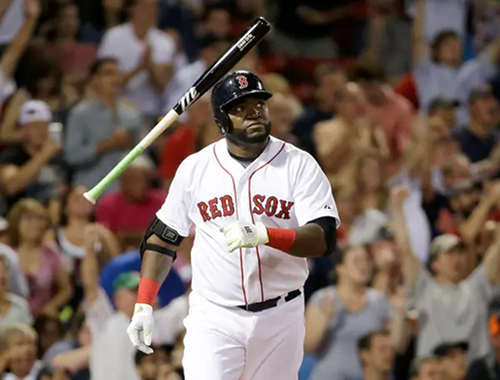
David Ortiz, surnommé Big Papi, a frappé 541 coups de circuit au cours de sa carrière avec les Twins du Minnesota et les Red Sox de Boston. Dominicain-américain, Ortiz a été intronisé au Temple de la renommée du baseball en 2022, dès sa première année d'éligibilité. Il est l'une des figures les plus aimées de l'histoire du sport à Boston et a remporté trois titres de champion des World Series avec les Red Sox.
Q29 : Quel est le nom du style de danse originaire de Cuba qui est devenu l'une des danses sociales les plus populaires aux États-Unis au XXe siècle ?
Le mambo, apparu à Cuba dans les années 1930 et 1940, a été popularisé aux États-Unis par le chef d'orchestre Pérez Prado, dont l'enregistrement de 1954 « Cherry Pink and Apple Blossom White » est devenu un succès numéro un. Le mambo a influencé le développement du cha-cha-cha et de la salsa, et reste un pilier de la culture de la danse latine.
Q30 : Quel acteur portoricain est devenu mondialement célèbre pour son rôle dans la série télévisée « The Mandalorian » puis dans « Andor » ?
Pedro Pascal, né José Pedro Balmaceda Pascal à Santiago, au Chili, de parents chiliens. Bien que né au Chili, Pascal est devenu l'un des acteurs hispaniques les plus en vue à Hollywood, connu pour ses rôles dans « Narcos », « The Mandalorian », « The Last of Us » et « Andor ».
Q31 : Quel joueur de football argentin est largement considéré comme l'un des deux plus grands joueurs de l'histoire de ce sport ?
Lionel Messi, né à Rosario, en Argentine, a remporté huit Ballons d'Or, un record dans l'histoire du football. Il a mené l'Argentine au titre de la Copa América 2021 et à la victoire lors de la Coupe du Monde de la FIFA 2022 au Qatar, mettant fin à 36 ans d'attente pour l'Argentine. Lui et Diego Maradona, qui a conduit l'Argentine au titre mondial en 1986, sont les deux noms les plus fréquemment cités dans ce débat.
D'autres faits intéressants sur le Mois de l'héritage hispanique à connaître
Voici les faits qui suscitent généralement le plus de discussions lors des soirées quiz, des dîners de famille et des événements au travail.
Q32 : Quel pourcentage de l'armée américaine est d'origine hispanique ?
Les Américains d'origine hispanique représentent environ 17 % du personnel militaire américain en service actif, l'un des taux de service les plus élevés parmi tous les groupes démographiques par rapport à leur part dans la population. Les Hispaniques ont servi dans tous les grands conflits américains, de la guerre de Sécession à la Seconde Guerre mondiale, en passant par la Corée, le Vietnam, l'Irak et l'Afghanistan.
Q33 : Combien de lauréats du prix Nobel sont d'origine hispanique ou latino ?
Plus d'une douzaine de lauréats du prix Nobel sont d'origine hispanique ou latino, dans des domaines allant de la littérature à la chimie, en passant par la physique, la médecine et la paix. Gabriel García Márquez (Littérature, 1982), Pablo Neruda (Littérature, 1971), Octavio Paz (Littérature, 1990) et Mario Vargas Llosa (Littérature, 2010) figurent parmi les plus célèbres. César Milstein a remporté le prix Nobel de physiologie ou médecine en 1984 pour ses travaux sur les anticorps monoclonaux.
Q34 : Quelle est la langue la plus parlée au monde après l'anglais et le mandarin ?
L'espagnol, avec environ 500 millions de locuteurs natifs dans le monde. Les États-Unis sont désormais le deuxième pays hispanophone au monde par le nombre de locuteurs, dépassant l'Espagne elle-même. L'espagnol est la langue officielle de 20 pays et est la langue étrangère la plus étudiée aux États-Unis.
Q35 : Quel est le nom de l'ancien jeu de balle maya pratiqué sur des terrains à travers la Mésoamérique ?
L'ōllamalīztli, communément appelé le jeu de balle mésoaméricain. Les joueurs ne pouvaient utiliser que leurs hanches, leurs genoux et leurs coudes pour faire passer une balle en caoutchouc massif à travers un anneau en pierre fixé en hauteur sur le mur du terrain. Le jeu revêtait une profonde signification religieuse et politique, et des terrains ont été découverts au Mexique, au Guatemala, au Belize, au Honduras et au Salvador. La cité antique de Tazumal, au Salvador, est l'un des sites où des terrains de jeu de balle ont été mis au jour.
Q36 : Quel architecte hispano-américain a conçu le Getty Center à Los Angeles ?
Richard Meier, un Américain d'origine juive, a conçu le Getty Center. La réponse correcte à une question connexe souvent confondue : Richard Neutra, né en Autriche, a eu une influence profonde sur l'architecture du sud de la Californie. Pour une réponse typiquement hispanique : Roberto Burle Marx était le légendaire architecte paysagiste brésilien dont les créations ont façonné les espaces urbains à travers l'Amérique du Sud et dont l'influence s'est étendue à l'échelle mondiale.
Q37 : Que signifie le terme « Latinx » et quelle est son origine ?
« Latinx » est un terme neutre en matière de genre, apparu au début des années 2000 aux États-Unis, principalement sous l'impulsion de membres plus jeunes de la communauté LGBTQ+ issus des populations hispaniques et latinos, qui souhaitaient un terme ne privilégiant pas le masculin « Latino » ou le féminin « Latina ». Le terme reste controversé : les sondages montrent systématiquement que la majorité des adultes hispaniques et latinos aux États-Unis préfèrent « Hispanic » ou « Latino/Latina » à « Latinx », le Pew Research Center ayant constaté qu'environ 3 % seulement des Hispaniques américains utilisent ce terme pour se définir.
Quiz rapide pour le Mois de l'héritage hispanique
Pour vos soirées quiz, vos salles de classe ou vos événements d'équipe, voici 15 questions rapides :
- Quel pays compte la plus grande population de locuteurs espagnols au monde ?
Mexique - Quel pays d'Amérique latine a été colonisé par le Portugal et non par l'Espagne ?
Le Brésil - Quel est le sport national de Cuba ?
Le baseball - Quel fruit est originaire des Amériques et est aujourd'hui consommé dans le monde entier ?
L'avocat, la tomate, la pomme de terre, le cacao et le maïs sont tous originaires des Amériques - Qui fut le premier joueur de baseball hispanique de la Ligue majeure à être intronisé au Temple de la renommée ?
Roberto Clemente (intronisé à titre posthume en 1973) - De quel pays d'Amérique latine est originaire Rigoberta Menchú, lauréate du prix Nobel de la paix ? Guatemala
- Quel est le nom des figurines colorées en papier mâché associées aux célébrations mexicaines ? Piñatas
- Quelle île des Caraïbes est à la fois un territoire américain et le foyer de 3,2 millions de citoyens américains ?
Porto Rico - Dans quelle ville la plus grande communauté de la diaspora portoricaine était-elle historiquement concentrée aux États-Unis ?
New York, plus précisément East Harlem (El Barrio) - Quel est le nom du mouvement muraliste mexicain dont l'artiste le plus célèbre était Diego Rivera ? El Muralismo Mexicano (le muralisme mexicain)
- Qu'est-ce que l'arroz con leche ?
Un dessert à base de riz au lait, de sucre et de cannelle, populaire dans toute l'Amérique latine et en Espagne - Qui a cofondé le syndicat United Farm Workers avec César Chávez ?
Dolores Huerta - Quelle langue les Mayas utilisaient-ils et dont le déchiffrement complet par les chercheurs ne remonte qu'au XXe siècle ? L'écriture maya classique (hiéroglyphes mayas)
- Que signifie « Que viva » dans le contexte des célébrations hispaniques ?
« Vive » ou « Hourra pour », comme dans « Que viva México ! » - Quel pays est à l'origine du style musical et de danse qu'est la cumbia ?
Colombie
Réflexions finales
Le Mois du patrimoine hispanique n'est pas une simple note de bas de page dans le calendrier américain. C'est une fenêtre de 31 jours ouverte sur une histoire plus ancienne que les États-Unis eux-mêmes, une culture qui a façonné la gastronomie, la langue, la musique, l'art, le sport et la science aux États-Unis de manières encore découvertes et documentées aujourd'hui, et une communauté qui représente désormais un Américain sur cinq et qui connaît une croissance plus rapide que tout autre groupe.
Les anecdotes ci-dessus ne sont qu'un point de départ. Chaque réponse ici mène à une histoire qui mérite d'être approfondie. Et chaque histoire renvoie au même fait fondamental : le patrimoine hispanique et latino n'est pas un chapitre de l'histoire américaine. Il est tissé dans chaque chapitre existant.
Questions fréquentes sur le Mois du patrimoine hispanique
1. Qu'est-ce que le Mois du patrimoine hispanique et pourquoi est-il célébré ?
Chaque année, les Américains célèbrent le Mois national du patrimoine hispanique du 15 septembre au 15 octobre, en mettant à l'honneur l'histoire, les cultures et les contributions des citoyens américains dont les ancêtres sont originaires d'Espagne, du Mexique, des Caraïbes, ainsi que d'Amérique centrale et du Sud. Il s'agit d'une commémoration reconnue au niveau fédéral, instaurée en 1968 sous la forme d'une semaine, puis étendue à un mois complet en 1988.
2. Pourquoi le Mois du patrimoine hispanique commence-t-il le 15 septembre et non le 1er septembre ?
La date du 15 septembre est significative car elle marque l'anniversaire de l'indépendance des pays latino-américains suivants : le Costa Rica, le Salvador, le Guatemala, le Honduras et le Nicaragua. Le Mexique célèbre son indépendance le 16 septembre et le Chili le 18 septembre. Commencer le 15 septembre permet au mois d'honorer toutes ces étapes historiques au cours de ses 31 jours.
3. Quelle est la différence entre « hispanique » et « latino » ?
Le terme « hispanique » désigne les personnes qui parlent espagnol ou qui ont des ancêtres originaires d'un pays hispanophone. Le terme « latino » désigne les personnes originaires ou descendantes d'Amérique latine, indépendamment de la langue. Une personne originaire du Brésil est latino mais pas hispanique, car le portugais est la langue parlée au Brésil. Une personne originaire d'Espagne est hispanique mais pas latino. La plupart des Américains d'origine latino-américaine utilisent les deux termes de manière interchangeable, et le terme privilégié varie selon la communauté, la génération et l'individu.
4. Quels sont quelques faits amusants sur le Mois du patrimoine hispanique pour les enfants ?
Le 15 septembre est le jour de l'indépendance de cinq pays simultanément : le Costa Rica, le Salvador, le Guatemala, le Honduras et le Nicaragua. Les États-Unis comptent plus d'hispanophones que l'Espagne elle-même. Des aliments comme les tomates, les avocats, le chocolat et les pommes de terre ont été cultivés pour la première fois dans les Amériques et introduits dans le reste du monde grâce aux contacts avec les civilisations autochtones, puis latino-américaines. Le maïs, la céréale la plus produite aux États-Unis, a été cultivé pour la première fois par les civilisations mésoaméricaines il y a des milliers d'années.
4. Comment les entreprises peuvent-elles célébrer le Mois du patrimoine hispanique de manière significative ?
Les célébrations en entreprise les plus marquantes sont axées sur l'apprentissage et la communauté. Les jeux de questions-réponses comme celui-ci permettent de partager des connaissances et de susciter des conversations. Les tables rondes réunissant des collègues hispaniques et latinos, en particulier ceux qui souhaitent partager leur héritage, favorisent l'empathie et la compréhension culturelle. Les listes de lecture, les projections de films et les événements axés sur la gastronomie qui dépassent le cadre superficiel pour aborder l'histoire réelle et les contributions des communautés hispaniques rendent ce mois véritablement significatif. Les groupes de ressources pour les employés (ERG) dirigés par des employés hispaniques et latinos constituent le moyen le plus authentique de célébrer au travail, à condition qu'ils disposent des ressources nécessaires et d'un réel soutien de la direction.
5. Quels sont quelques faits amusants sur le Mois du patrimoine hispanique ?
- Le Mois du patrimoine hispanique se déroule du 15 septembre au 15 octobre, plutôt que sur un mois civil, afin de coïncider avec plusieurs anniversaires d'indépendance en Amérique latine.
- Cette commémoration a débuté sous le nom de Semaine du patrimoine hispanique en 1968 avant de s'étendre sur un mois de célébrations en 1988.
- Plus de 68 millions d'Hispaniques et de Latinos vivent aujourd'hui aux États-Unis, représentant environ 20 % de la population.
- Cinq pays, le Costa Rica, le Salvador, le Guatemala, le Honduras et le Nicaragua, célèbrent leur indépendance le 15 septembre.
- Les Américains d'origine hispanique et latino ont représenté plus de la moitié de la croissance démographique totale des États-Unis entre 2000 et 2024.
- Le terme « hispanique » désigne les personnes ayant des racines dans des pays hispanophones, tandis que « latino » désigne les personnes ayant des racines en Amérique latine.
6. Quelles sont 5 questions de trivia difficiles ?
Q. Qui a présenté le projet de loi ayant permis d'étendre la Semaine du patrimoine hispanique à un mois de commémoration ?
Réponse : Le sénateur Paul Simon, en s'appuyant sur une législation proposée par le représentant Esteban E. Torres.
Q. Quel président américain a officiellement proclamé pour la première fois le Mois du patrimoine hispanique tel qu'il est célébré aujourd'hui, du 15 septembre au 15 octobre ?
Réponse : George H.W. Bush en 1989.
Q. Quel événement historique le 15 septembre commémore-t-il dans le cadre du Mois du patrimoine hispanique ?
Réponse : L'indépendance du Costa Rica, du Salvador, du Guatemala, du Honduras et du Nicaragua vis-à-vis de l'Espagne en 1821.
Q. Quel était le nom original de la célébration établie en 1968 ?
Réponse : La Semaine nationale du patrimoine hispanique.
Q. Quel pourcentage de nourrissons nés aux États-Unis en 2024 avait un parent hispanique ?
Réponse : 32 %.
7. Quels sont les 7 pays qui célèbrent le Mois du patrimoine hispanique ?
Cette célébration est propre aux États-Unis et n'est pas un jour férié dans d'autres pays. Cependant, le Mois du patrimoine hispanique reconnaît l'héritage et les anniversaires d'indépendance de ces sept pays :
- Costa Rica
- El Salvador
- Guatemala
- Honduras
- Nicaragua
- Mexique
- Chili
Frequently Asked Questions
1. Qu'est-ce que le Mois du patrimoine hispanique et quand est-il celebre ?
Le Mois du patrimoine hispanique se deroule chaque annee du 15 septembre au 15 octobre aux Etats-Unis. Il celebre l'histoire, les cultures et les contributions des Americains dont les ancetres viennent d'Espagne, du Mexique, des Caraibes et d'Amerique centrale et du Sud. La communaute hispanique represente environ 20 % de la population americaine, soit le plus grand groupe minoritaire du pays.
2. Pourquoi le Mois du patrimoine hispanique commence-t-il le 15 septembre ?
Le 15 septembre marque l'anniversaire de l'independance de cinq pays latino-americains : le Costa Rica, le Salvador, le Guatemala, le Honduras et le Nicaragua, tous liberes de la tutelle espagnole en 1821. Le Mexique suit le 16 septembre, le Chili le 18 et le Belize le 21. Cette concentration de dates a donne au mois son point de depart symbolique.
3. Comment le Mois du patrimoine hispanique a-t-il vu le jour aux Etats-Unis ?
La Semaine du patrimoine hispanique a ete proclamee pour la premiere fois par le president Lyndon B. Johnson en 1968 afin de reconnaitre les contributions hispaniques a la vie americaine. En 1988, le president Ronald Reagan a signe la loi etendant l'observance a 30 jours complets, du 15 septembre au 15 octobre. Agences federales, ecoles et entreprises l'utilisent aujourd'hui pour leur programmation culturelle.
4. Quelles contributions culturelles sont celebrees pendant le Mois du patrimoine hispanique ?
La programmation met souvent en avant des genres musicaux comme la salsa, la bachata, le reggaeton et le jazz latino, ainsi que des cuisines allant des tacos et tamales aux empanadas et arepas. La litterature de Gabriel Garcia Marquez, Isabel Allende et Julia Alvarez est frequemment evoquee, tout comme les oeuvres de Frida Kahlo et Diego Rivera. Des icones sportives et des dirigeants d'entreprise completent la celebration.
5. Quelles personnalites latinos peut-on mettre en avant dans un quiz sur le patrimoine hispanique ?
Les quiz couvrent souvent la juge a la Cour supreme Sonia Sotomayor, les legendes du baseball Roberto Clemente et David Ortiz, ainsi que des figures des droits civiques comme Cesar Chavez et Dolores Huerta. Des icones culturelles telles que Selena Quintanilla, Rita Moreno et Lin-Manuel Miranda sont des choix populaires. Le volet business peut inclure des dirigeants latinos du classement Fortune 500.
6. Comment les entreprises peuvent-elles celebrer le Mois du patrimoine hispanique de facon significative ?
Les programmes efficaces combinent pedagogie et parole des salaries : sessions de trivia, tables rondes avec des collegues latinos, ateliers cuisine, clubs de lecture et benevolat aupres d'associations latinos. Un partenariat avec le groupe d'affinite hispanique garantit une programmation authentique plutot que superficielle. Prolonger l'engagement au-dela des 30 jours via la diversite fournisseurs, le mentorat et le recrutement inclusif temoigne d'un engagement durable.
7. Quelles sont les bonnes categories pour un quiz du Mois du patrimoine hispanique ?
Un quiz equilibre s'articule en general autour de cinq categories : histoire et origines, traditions culturelles, personnalites marquantes, cuisine et musique, et themes contemporains lies au travail. Alterner questions faciles et plus pointues maintient l'attention des equipes. Inclure des contributeurs moins connus, poetes, scientifiques ou athletes, elargit la culture generale au-dela des noms habituels.
8. Quelle est la difference entre Hispanique, Latino et Latinx ?
Hispanique designe les personnes originaires de pays hispanophones, Espagne comprise. Latino et Latina designent les personnes d'Amerique latine independamment de la langue : les Bresiliens sont donc latinos mais pas hispaniques. Latinx et Latine sont des variantes neutres, populaires dans les milieux universitaires et chez les plus jeunes. Beaucoup preferent une identite nationale precise, comme mexicano-americain ou cubano-americain.
9. Pourquoi un quiz sur le patrimoine hispanique est-il efficace pour l'engagement des salaries ?
Le trivia transforme l'apprentissage culturel en experience collective plutot qu'en cours magistral. Il suscite des echanges entre services, fait remonter des histoires personnelles et offre aux collegues non hispaniques un moyen simple d'apprendre. Des rondes bien concues corrigent aussi des idees recues et mettent en lumiere des contributions rarement abordees dans l'enseignement classique.
10. Quelles erreurs les employeurs doivent-ils eviter pendant le Mois du patrimoine hispanique ?
Evitez les decors cliches, l'idee que les cultures hispaniques forment un bloc uniforme, ou une celebration limitee a la cuisine. Pinatas et sombreros sortis de leur contexte peuvent paraitre reducteurs. Ne faites pas reposer toute l'organisation sur les salaries latinos, et ne cantonnez pas la diversite a ce mois : une inclusion soutenue compte plus qu'une observance ponctuelle.