Día de Nelson Mandela: Datos, ideas para el voluntariado y consejos de celebración

Hay muy pocas figuras en la historia moderna cuyo nombre tenga el peso que tiene el de Nelson Mandela. Un abogado que se convirtió en revolucionario, un prisionero que se convirtió en presidente, un hombre que pasó 27 años tras las rejas y emergió sin amargura para liderar una de las transiciones pacíficas de poder más notables que el mundo haya visto jamás.
El Día Internacional de Nelson Mandela es la invitación de las Naciones Unidas a honrar esa vida no con ceremonias, sino con acciones. No con discursos, sino con 67 minutos de servicio a otro ser humano, un minuto por cada año que Mandela dedicó a luchar por los derechos de la humanidad.
La petición es pequeña. La idea que la sustenta es enorme.
¿Cuándo es el Día de Nelson Mandela?
18 de julio, cada año, en todo el mundo
El Día Internacional de Nelson Mandela, también conocido como Día de Mandela, se celebra el 18 de julio de cada año. La fecha conmemora el cumpleaños de Mandela. Nelson Rolihlahla Mandela nació el 18 de julio de 1918 en un pueblo llamado Mvezo, en la provincia de Cabo Oriental, Sudáfrica.
El primer Día de Mandela se lanzó en Nueva York el 18 de julio de 2009, pero la resolución de la ONU para declarar el día se produjo más tarde ese año. El 10 de noviembre de 2009, la Asamblea General de las Naciones Unidas adoptó una resolución que declaraba el 18 de julio como "Día Internacional de Nelson Mandela".
Este día no es un día festivo en la mayoría de los países. Es algo más exigente que eso. Es una llamada global a la acción. Una que pide a cada persona, sin importar su país, origen o recursos, que dedique 67 minutos de su día a alguien que lo necesite.
¿Por qué celebramos el Día de Nelson Mandela? ¿Cuál es la idea detrás de la celebración de los 67 minutos?
Celebramos el Día de Nelson Mandela para honrar el compromiso de toda la vida de Nelson Mandela con la justicia, la igualdad y el servicio a los demás. Se conmemora en su cumpleaños, el 18 de julio, como una llamada global a la acción para retribuir a las comunidades.
La idea de los "67 minutos" refleja los 67 años que Mandela dedicó a trabajar por los derechos humanos. Anima a la gente a dedicar al menos 67 minutos de su tiempo a ayudar a los demás, ya sea a través del voluntariado, apoyando una causa local o haciendo algo significativo por su comunidad.
Pero para entender por qué este día es importante, hay que entender al hombre al que honra.
¿Quién fue Nelson Mandela?
El abogado que se convirtió en un símbolo global
Nelson Rolihlahla Mandela se formó como abogado y se unió al Congreso Nacional Africano, donde se convirtió en una de las voces más destacadas contra el apartheid, el sistema de discriminación racial legalizada del gobierno sudafricano que negaba a los sudafricanos negros sus derechos fundamentales, su libertad de movimiento, su voto y su dignidad.
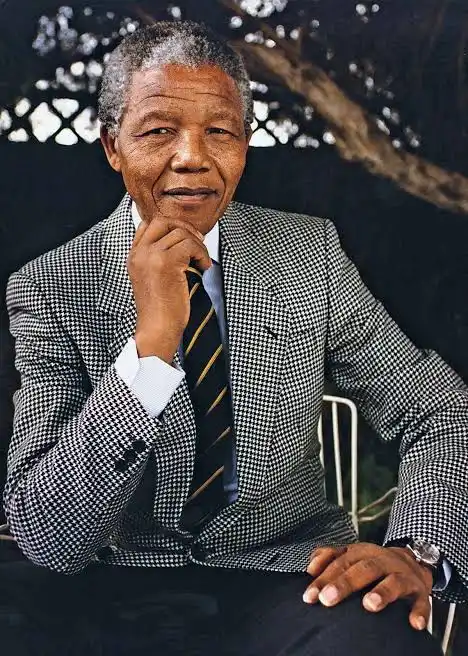
Fuente de la imagen: Britannica
Mandela pasó 27 años en prisión, de 1964 a 1990. Tras su liberación, él y el entonces presidente, el Sr. F. W. de Klerk, negociaron el fin del apartheid. En 1994, Nelson Mandela se convirtió en el primer presidente negro de Sudáfrica en las primeras elecciones multirraciales del país.
Recibió más de 260 honores durante su vida, incluido el Premio Nobel de la Paz de 1993. Este reconocimiento sin precedentes reflejó su impacto global en los derechos humanos y la resolución pacífica de conflictos. El Premio Nobel, compartido con F.W. de Klerk, honró específicamente su trabajo para poner fin al apartheid mediante la negociación en lugar de la violencia.
Lideró el país hacia la reconciliación y no hacia la venganza, un raro ejemplo de verdadero liderazgo. Esa elección, la de optar por la paz en lugar de la represalia después de 27 años de prisión, es lo que convirtió a Mandela no solo en un líder político, sino también en uno moral.
Lo que la ONU reconoció en él
Reconociendo la dedicación de larga data del expresidente sudafricano y premio Nobel de la Paz Nelson Mandela a la humanidad, particularmente en las áreas de resolución de conflictos, relaciones raciales, promoción de los derechos humanos, reconciliación e igualdad de género, la Asamblea adoptó un texto declarando el 18 de julio, su cumpleaños, como Día Internacional que se observaría anualmente a partir de 2010.
La resolución reconoce los valores de Mandela y su devoción a la causa de la humanidad en la prevención y resolución de conflictos, las relaciones raciales, la protección y promoción de los derechos humanos, la reconciliación, la igualdad de género y los derechos de otros grupos vulnerables, la lucha contra la pobreza y la promoción de la justicia social. La resolución recuerda su contribución a la causa de la democracia en todas partes y la promoción de la cultura de la paz en todas partes.
Día Internacional de Nelson Mandela: El alcance global de la conmemoración
El Día de Nelson Mandela celebra la vida de Nelson Mandela y es también un llamado global a la acción para que las personas reconozcan su capacidad de tener un efecto positivo en quienes las rodean.
El día conmemora la contribución de Nelson Mandela a la paz a través de su participación activa en la resolución de conflictos, la promoción de los derechos humanos, la democracia internacional y la reconciliación, y en el abordaje de cuestiones raciales.
Desde 2010, la Asamblea General de las Naciones Unidas ha conmemorado el día con una reunión plenaria informal, y el evento anual de voluntariado de la ciudad de Nueva York reúne a participantes de todo el mundo para actividades de servicio coordinadas. En 2025, el evento de voluntariado de la ONU se celebró en Governors Island, en el puerto de Nueva York.
El Premio Nelson Rolihlahla Mandela de las Naciones Unidas, establecido por resolución de la Asamblea General en 2014, se otorga una vez cada cinco años para honrar a dos personas de diferentes regiones geográficas cuyo trabajo refleja los valores de Mandela de democracia, justicia y reconciliación. En 2025, el premio fue otorgado a la Sra. Brenda Reynolds y al Sr. Kennedy Odede.
La conmemoración también se ha extendido más allá de un solo día. Si bien el 18 de julio sigue siendo el enfoque principal de la campaña, la Fundación Nelson Mandela insta a los partidarios de la campaña a participar en iniciativas sostenibles a largo plazo. La idea es que 67 minutos de servicio el 18 de julio sean un punto de partida para un compromiso durante todo el año, no la totalidad del mismo.
Actividades del Día de Mandela: 67 maneras de dedicar tus 67 minutos
La belleza del marco de 67 minutos reside en su apertura deliberada. Las actividades del Día de Mandela no están prescritas. La Fundación Nelson Mandela y las Naciones Unidas solo piden que dediques tu tiempo a alguien que lo necesite. Cómo se vea eso depende enteramente de dónde estés, qué tengas y quién a tu alrededor podría necesitar una mano.
Aquí hay formas significativas de dedicar esos 67 minutos, organizadas por contexto:
En el trabajo o con tu organización
1. Organiza un día de servicio en equipo
Utiliza el Día de Mandela como base para un día de voluntariado coordinado. Reserva una sesión en un banco de alimentos, refugio o jardín comunitario local. El voluntariado en equipo construye cultura, crea recuerdos compartidos y produce un impacto comunitario real de forma simultánea. La estructura de 67 minutos ofrece a cualquier organización un marco listo para usar: dos tercios de una sesión de dos horas dedicados al servicio activo.
2. Organiza una campaña de donación
Recoge alimentos, ropa, libros o artículos de higiene y dónalos a una organización local que los necesite. Utiliza el día para lanzarla, establece un objetivo y cierra la campaña con un resumen del impacto compartido con todo el equipo. Las campañas de donación del Día de Mandela funcionan bien en los lugares de trabajo porque el objetivo es tangible, la fecha límite es clara y el acto es colectivo.
3. Organiza un almuerzo-aprendizaje del Día de Mandela
Dedica 67 minutos a educar a tu equipo sobre la vida de Mandela, la historia del apartheid, los valores que el día honra y cómo se ve el servicio en tu comunidad. Combínalo con una discusión sobre los propios compromisos de impacto social de tu organización. La educación también es un servicio.
4. Sé mentor de alguien que lo necesite
Mandela fue un abogado que utilizó sus habilidades al servicio de la justicia. El servicio basado en habilidades es una de las cosas más valiosas que un profesional puede ofrecer. Utiliza tus 67 minutos para ser mentor de un joven que se inicia en tu campo, ayudar a una organización sin fines de lucro con un desafío en tu área de especialización, u ofrecer una sesión de orientación profesional a alguien que de otro modo no podría acceder a ella.
En escuelas y universidades
5. Estudia la historia detrás del día
Una lección estructurada de 67 minutos sobre el apartheid, el juicio de Mandela, el encarcelamiento en Robben Island, la transición negociada a la democracia y cómo se ve el perdón en la práctica, da a los estudiantes un contexto que va mucho más allá de Sudáfrica. Es una lección de historia, coraje moral, responsabilidad cívica y liderazgo que ninguna frontera temática puede contener.
6. Escribe cartas a personas que necesitan saber de alguien
Los estudiantes pueden escribir cartas o dibujar tarjetas para residentes mayores de hogares de cuidado locales, niños hospitalizados, veteranos o personas encarceladas en programas de rehabilitación. Escribir a un desconocido con la amabilidad como único motivo es una de las formas más directas de practicar el espíritu del Día de Mandela.
7. Limpia un espacio público local
Organiza una jornada de limpieza escolar de un parque, patio de juegos, playa o jardín comunitario. El servicio físico, visible y colectivo conecta a los estudiantes con su entorno y entre sí de maneras que una discusión en el aula por sí sola no puede. También deja algo visible para todos.
8. Comparte las palabras de Mandela
Pide a los estudiantes que investiguen una cita de Mandela que resuene con ellos y expliquen por qué. Luego, comparte esas reflexiones públicamente, en una pared del aula, un boletín escolar o las redes sociales. Algunas de las palabras más poderosas jamás pronunciadas sobre el coraje, la libertad y la dignidad surgieron de la vida de este hombre, y merecen ser repetidas en cada generación.
En tu comunidad
9. Haz voluntariado en un banco de alimentos o comedor social
Voluntarios sudafricanos repartieron mantas y libros, distribuyeron juguetes en orfanatos y limpiaron áreas públicas en el primer Día de Mandela en 2009. Los bancos de alimentos, comedores sociales y refugios necesitan un apoyo voluntario constante mucho más que gestos dramáticos ocasionales. Sesenta y siete minutos de clasificar, empacar o servir es exactamente el tipo de trabajo poco glamuroso pero necesario que marca una diferencia material.
10. Visita a residentes mayores
El aislamiento entre los adultos mayores es una de las formas de sufrimiento más extendidas y menos reconocidas en las comunidades modernas. Visitar un centro de atención, un centro comunitario para personas mayores o el hogar de un vecino anciano para pasar una hora en una conversación genuina es una de las expresiones más directas de los valores de Mandela. Él fue, al final, un hombre que creía que todo ser humano merece ser visto.
11. Done Sangre
Una cita de donación de sangre de 67 minutos puede salvar hasta tres vidas. Los servicios de sangre sudafricanos e internacionales destacan regularmente el Día de Mandela como un momento para animar a los donantes por primera vez. Es uno de los actos de servicio más concretos y medibles disponibles para cualquier adulto sano.
12. Lea a o Con Niños
Los programas de alfabetización, las iniciativas de lectura escolar y las bibliotecas infantiles necesitan constantemente voluntarios adultos dispuestos a leer con y para los niños. Mandela creía profundamente en el poder transformador de la educación. Sesenta y siete minutos dedicados a abrir un libro con un niño que tiene dificultades para leer es exactamente el tipo de servicio discreto y duradero que él defendió durante toda su vida.
13. Apoye Económicamente una Causa en la que Crea
Si realmente no dispone de tiempo, una donación a una organización que trabaje en los problemas que más le importaban a Mandela —educación, pobreza, derechos humanos, VIH/SIDA, igualdad de género o consolidación de la paz— es una forma significativa de honrar el día. La Nelson Mandela Foundation misma lleva a cabo programas en Sudáfrica centrados en la seguridad alimentaria, la educación y el diálogo.
Los Valores que el Día de Nelson Mandela nos Invita a Preservar
El Día de Mandela se estructura en torno a 67 minutos porque el umbral debe parecer alcanzable. Pero los valores que invoca no son valores de 67 minutos. Son para toda la vida.
1. Reconciliación antes que Venganza
La cualidad más extraordinaria de Mandela no fue su resistencia. Fue su elección, después de 27 años de prisión, de no responder con amargura u odio. Eligió construir un país en lugar de castigar a quienes habían intentado destruirlo. Esa elección es lo más radical y lo más replicable de él.
2. La Educación como Liberación
Mandela dijo la famosa frase de que la educación es el arma más poderosa que puedes usar para cambiar el mundo. Cursó parte de su formación jurídica en prisión, a través de cursos por correspondencia. Su convicción de que el conocimiento es la base de la libertad moldeó su presidencia y su trabajo post-presidencial con niños y jóvenes.
3. El Servicio como Identidad
Mandela no veía el servicio como algo que se hace en ocasiones especiales. Lo veía como la forma en que vive una persona de conciencia. La petición de 67 minutos está diseñada no como un límite, sino como un punto de entrada a una forma de estar en el mundo que da más de lo que recibe.
4. La Dignidad como Innegociable
En el centro de todo lo que Mandela defendía estaba la creencia de que todo ser humano, independientemente de su raza, género, nacionalidad o circunstancias, posee una dignidad inherente que no puede ser arrebatada por la ley, por la fuerza o por las circunstancias. Esa convicción impulsó cada decisión que tomó, en los tribunales, en prisión, en la sala de negociaciones y en la presidencia.
Reflexiones Finales
A Nelson Mandela le preguntaron, en más de una ocasión, cómo sobrevivió 27 años en prisión sin ser consumido por el odio. Su respuesta, en diversas formas, siempre fue la misma. Dijo que si salía de prisión con odio, seguiría siendo un prisionero.
Ese es el hombre que el mundo celebra el 18 de julio. No un santo. No un mito. Un ser humano que eligió cada día construir en lugar de destruir, perdonar en lugar de castigar, y servir en lugar de buscar el poder por sí mismo.
Sesenta y siete minutos no es mucho pedir. Y el 18 de julio, en todo el mundo, millones de personas eligen darlos.
Preguntas frecuentes sobre el Día de Nelson Mandela
1. ¿Cuándo es el Día de Nelson Mandela en 2026?
El Día Internacional de Nelson Mandela se celebra el 18 de julio de cada año. En 2026, cae en sábado. Este día conmemora los logros de Mandela en la resolución de conflictos, la democracia, los derechos humanos, la paz y la reconciliación.
2. ¿Por qué es significativo el número 67 en el Día de Mandela?
Los 67 minutos representan simbólicamente el número de años que el expresidente luchó por los derechos humanos y la abolición del apartheid. Mandela comenzó su activismo con el Congreso Nacional Africano en 1944 y continuó su servicio público hasta el final de su vida, un período de 67 años. La Fundación Nelson Mandela pide a todos que donen 67 minutos de servicio en reconocimiento a ese compromiso.
3. ¿Quién estableció el Día Internacional de Nelson Mandela?
La Asamblea General de las Naciones Unidas adoptó un texto que declaraba el 18 de julio, su cumpleaños, como Día Internacional, que se observaría anualmente a partir de 2010. La resolución fue adoptada el 10 de noviembre de 2009. La petición que Nelson Mandela hizo en 2009 de honrarlo sirviendo a las comunidades en lugar de celebrar su cumpleaños sigue siendo la base de la iniciativa del Día Internacional de Nelson Mandela.
4. ¿Qué fue el apartheid y por qué luchó Mandela contra él?
El apartheid, que significa "separación" en afrikáans, fue el sistema sudafricano de segregación y discriminación racial legalizada que clasificaba y separaba formalmente a los ciudadanos por raza, negando a los sudafricanos negros el derecho a votar, a vivir donde eligieran, a viajar libremente y a acceder a una educación, atención médica y empleo equitativos. Mandela se unió al Congreso Nacional Africano e inicialmente buscó la resistencia legal y no violenta, recurriendo más tarde al sabotaje de la infraestructura gubernamental como último recurso después de que la protesta pacífica fuera recibida con violencia estatal. Su arresto, juicio y 27 años de prisión lo convirtieron en el símbolo más visible de la resistencia contra el apartheid en el mundo.
5. ¿Cómo celebran las organizaciones el Día de Mandela?
Las organizaciones conmemoran el Día de Mandela de muchas maneras: coordinando jornadas de voluntariado en equipo, organizando campañas de recolección de alimentos y ropa, realizando eventos educativos sobre la vida y los valores de Mandela, asociándose con organizaciones sin fines de lucro locales para proyectos de servicio y animando a los empleados a dedicar sus propios 67 minutos a una causa que les interese. Las celebraciones organizacionales más impactantes son aquellas que conectan los valores de Mandela con el propio compromiso de la organización con la comunidad, la equidad y el servicio de maneras concretas y duraderas.
6. ¿Qué es el Premio Nelson Mandela?
El Premio Nelson Rolihlahla Mandela de las Naciones Unidas es un galardón honorífico que se otorga cada cinco años a dos personas, un hombre y una mujer, de diferentes regiones geográficas, cuyo trabajo refleja los valores que Mandela encarnó: democracia, justicia, reconciliación y servicio a la humanidad. Fue establecido por una resolución de la Asamblea General de la ONU en 2014. El premio de 2025 fue otorgado a la Sra. Brenda Reynolds y al Sr. Kennedy Odede.
Frequently Asked Questions
1. ¿Qué es el Día Internacional de Nelson Mandela y por qué se celebra?
El Día Internacional de Nelson Mandela, celebrado cada año el 18 de julio, honra la vida y los valores del expresidente sudafricano Nelson Mandela. Proclamado por la Asamblea General de la ONU en noviembre de 2009, es un llamado mundial a la acción que invita a dedicar al menos 67 minutos al servicio comunitario — un minuto por cada año que Mandela luchó por la justicia.
2. ¿Cuándo se celebra el Día de Nelson Mandela cada año?
El Día de Nelson Mandela se celebra cada 18 de julio, fecha del nacimiento de Nelson Mandela en 1918 en la aldea de Mvezo, Sudáfrica. Marcado por primera vez en 2009 tras una resolución de la Asamblea General de la ONU, cae en una fecha fija del calendario y no es festivo, lo que anima a servir y reflexionar donde se viva o trabaje.
3. ¿Por qué el Día de Nelson Mandela se asocia con 67 minutos de servicio?
Los 67 minutos representan los 67 años que Nelson Mandela dedicó a la lucha por los derechos humanos, desde su activismo inicial en 1942 hasta su retiro de la vida pública en 2009. La Fundación Nelson Mandela invita a ofrecer al menos 67 minutos de servicio comunitario el 18 de julio, mostrando que pequeños aportes sostenidos generan cambios reales.
4. ¿Cómo estableció la ONU el Día de Nelson Mandela?
La Asamblea General de las Naciones Unidas adoptó la Resolución 64/13 el 10 de noviembre de 2009, declarando el 18 de julio como Día Internacional de Nelson Mandela. La resolución reconoció su contribución a la paz, la reconciliación y los derechos humanos. La primera edición oficial se realizó en Nueva York ese mismo año y se ha convertido en un movimiento global de servicio.
5. ¿Cuáles son formas significativas de observar el Día de Nelson Mandela?
Entre las iniciativas destacan 67 minutos de voluntariado comunitario, empaque de comidas, cartas a personas mayores en aislamiento, tutorías, limpiezas de barrios, donación de sangre y recaudaciones para causas que Mandela apoyó. Otras personas dedican la jornada a leer sus discursos o a promover diálogos sobre justicia racial, educación y reconciliación en sus comunidades.
6. ¿Cómo pueden las empresas celebrar el Día de Nelson Mandela en el trabajo?
Las empresas suelen organizar turnos de voluntariado en equipo de 67 minutos, sesiones formativas sobre el liderazgo de Mandela y donaciones igualadas a organizaciones como la Fundación Nelson Mandela, el Nelson Mandela Children's Fund o Amref Health Africa. Las reflexiones sobre liderazgo servicial y los proyectos liderados por empleados también son formas prácticas de honrar su legado.
7. ¿Qué ideas de voluntariado virtual existen para el Día de Nelson Mandela?
Las opciones virtuales incluyen cartas a pacientes hospitalizados, tutorías en línea, transcripción de archivos para museos, mentoría juvenil por videollamada, recaudaciones solidarias y webinars organizados por la Fundación Nelson Mandela. Los equipos remotos pueden dedicar 67 minutos juntos en una plataforma compartida y mantener vivo el espíritu de servicio colectivo desde cualquier lugar.
8. ¿Qué causas defendidas por Mandela inspiran este día?
Nelson Mandela defendió la infancia, el acceso a la educación, la lucha contra el VIH/sida, la reducción de la pobreza y la justicia racial. Fundó el Nelson Mandela Children's Fund en 1995 y más tarde la Fundación Nelson Mandela y la Mandela Rhodes Foundation. Muchas acciones del 18 de julio se dirigen a estas causas duraderas, prolongando su trabajo a través de generaciones.
9. ¿Es el Día de Nelson Mandela un día festivo en Sudáfrica?
El Día de Nelson Mandela no es festivo oficial en Sudáfrica ni en otros países; es un día internacional de servicio reconocido por la ONU. Empresas, escuelas y oficinas gubernamentales siguen abiertas, pero muchas organizaciones se detienen 67 minutos para hacer voluntariado o reflexionar. La intención es la acción, no el descanso — el servicio como verdadero homenaje.
10. ¿Por qué el legado de Nelson Mandela sigue siendo relevante hoy?
El legado de Mandela — transición pacífica, perdón, reconciliación y liderazgo servicial — sigue guiando movimientos por la equidad en todo el mundo. Sus 27 años de prisión y su papel como primer presidente sudafricano elegido democráticamente en 1994 recuerdan que la paciencia y el diálogo pueden desmantelar injusticias. Su Premio Nobel de la Paz de 1993 consolidó ese enfoque.