Volunteering for Animals: Team Activities That Support Animal Welfare

It started as a standard employee volunteering day. A team of fifteen from a mid-sized financial services firm spent a Saturday morning at their local animal shelter volunteering in walking dogs, cleaning kennels, and socializing cats in the intake ward. Nothing extraordinary was planned. No campaign, no press release, no branded T-shirts.
What nobody predicted was the Slack message that went out Monday morning. An analyst who had never signed up for any CSR initiative before wrote to the entire department: "I didn't expect that to hit the way it did. Can we do this every quarter?"
That moment, unremarkable on its surface, points to something CSR leaders are only beginning to map. Animal welfare sits at the intersection of emotional immediacy, neighborhood-level visibility, and environmental relevance, yet it remains one of the most underdiscovered cause areas in the corporate giving landscape.
The scale of need is hard to ignore once you look at it directly. Approximately 5.8 million animals enter U.S. shelters every year, and around 607,000 of them don't make it out alive. Thousands more, on any given day, are waiting for a single meal, a clean kennel, or someone patient enough to sit with them until they stop flinching at footsteps.
Think about it: we are seeing a massive, cultural shift in how deeply people care about animal welfare. Whether it’s dogs, cats, birds, or even marine life, humans share a deeply rooted emotional bond with animals. When employees volunteer to help them, they experience a satisfying emotional connection that introduces a completely fresh dynamic to corporate engagement. This unique emotional pull completely transforms the energy of the event, connecting tangible impact with genuine human feeling, and frankly, it’s exactly what motivates people to clear their schedules for the next event.
This guide covers everything you need to build or scale volunteering for animals at your company, from the data that justifies the investment to the specific activities, NPO partners, program structures, and metrics that turn a well-meaning initiative into something worth putting in an annual report.
Animal Welfare By The Numbers: Key Statistics Social Impact Leaders Should Know
Let's be honest, spending time with animals is an easy sell. But animal welfare volunteering isn't just popular because people love the associated warm, fuzzy feeling. It also checks many of the boxes companies look for in a successful employee volunteering program.
The scale of need: According to the ASPCA, approximately 607,000 animals were euthanized in U.S. shelters in 2024 alone, despite euthanasia rates falling from 13% in 2019 to 8% in 2024. Adoption numbers have plateaued for two consecutive years, meaning the gap between intake and placement continues to stress shelter capacity nationwide.
A 2024 Deloitte survey found that employees volunteer primarily for fulfillment and purpose (56%), community connection (55%), and improved morale (52%). Animal welfare consistently ranks among the top self-selected causes when employees are given a choice in volunteering programs, particularly among millennial and Gen Z workers who view the ethical treatment of animals as aligned with environmental and social values.
According to McKinsey research cited by Percent Pledge, volunteering is a "modifiable driver of health," with participating employees reporting fewer symptoms of depression, anxiety, and stress-induced pain. Animal-assisted activities specifically have a long-established body of research supporting cortisol reduction and mood improvement, making volunteering at a shelter one of the few CSR activities that generate measurable wellbeing benefits for the volunteer, along with the cause.
Community engagement: 82% of employees who volunteer through work feel more committed to their company, per data from Percent Pledge. Programs that are visible within the local community, such as shelter support days or adoption drives, amplify this effect by connecting employees to the impact they can see, share, and talk about.
Sustainability overlaps: Animal welfare sits squarely within the "S" of ESG and increasingly within the "E" as well. The Global Reporting Initiative's 2022 sector standard for Agriculture, Aquaculture, and Fishing formally recognized animal welfare as a material sustainability topic. For companies in food, consumer goods, biotech, or retail, this makes volunteering for animals a defensible item in the sustainability report, not just a nice-to-have.
Local shelter challenges: U.S. shelters reported a 5% increase in stray intakes in 2023, compounding chronic understaffing and resource shortages. Today, shelters in just five states, California, Florida, Georgia, North Carolina, and Texas, account for 44% of annual euthanasia nationally. Volunteer labor is not supplementary to shelter operations in most facilities; it is foundational to them.
Why Companies Are Increasingly Choosing Animal Welfare As A Volunteering Cause
When you look at which volunteering cause areas that drive the highest participation rates, the broadest demographic appeal, and strongest repeat engagement, animal welfare punches above its weight. Here is why the business case holds up across each dimension.
- High Volunteer Participation Rates
Volunteer work for animals tends to draw employees who would not self-select for more abstract causes like policy advocacy or environmental research. The tangibility of the work, a dog walked, a kennel cleaned, and an adoption event staffed, reduces psychological barriers to participation. Where companies report median employee volunteering rates around 23% across all cause areas, animal welfare programs with clear in-person components routinely see higher first-time participation.
- Family-Friendly and Genuinely Inclusive Volunteering
Most shelter and animal welfare activities are accessible regardless of age, physical ability, or professional background. This matters operationally: programs that accommodate employees' families generate participation from people who cannot attend solo or weekday events. When a team day at a local shelter is something an employee can bring their teenage child to, the program becomes a retention and culture benefit.
- Emotionally Rewarding in Ways that Translate to Engagement Scores
Animal welfare volunteering produces what researchers describe as a "helper's high," a documented dopamine response to prosocial behavior. For CSR professionals, this translates to higher post-event satisfaction scores, more social sharing, and genuine testimonials rather than demonstrated enthusiasm. The connection to a living creature in distress and the ability to visibly improve their day creates meaning that employees carry back into their work.
- Easy Hybrid Participation
Not every employee can be at a physical shelter. Animal welfare volunteering has a robust virtual dimension: creating adoption write-ups, designing campaign graphics, building donor databases, drafting grant proposals, and photographing rescue stories. This makes it one of the few cause areas with a genuine hybrid model that does not feel like a lesser version of the real thing.
- Local Impact Visibility
Unlike environmental volunteering or global relief programs, animal welfare impact is geographically close and verifiable. Employees can drive past the shelter they helped and know it is running more smoothly because of their team. That proximity builds the kind of community identity that makes corporate volunteering programs worth talking about in employer branding.
- Strong Community and Nonprofit Partnerships
Shelters are typically under-resourced and highly receptive to structured corporate volunteer engagements. Unlike some nonprofit categories where corporate groups require significant onboarding, most animal shelters have established group volunteer frameworks and can absorb corporate teams with minimal coordination overhead. This translates to faster program launch timelines and lower operational burden for CSR teams.
What Does a Highly Impactful Animal Welfare Volunteering Program Look Like?
Not all volunteering for animals is created equal. A team showing up to a shelter with no structure, no prepared tasks, and no understanding of shelter protocols is stressful for the animals, the staff, and the volunteers themselves. A well-designed program, on the other hand, leaves the shelter better for it and leaves employees genuinely transformed.
The highest-impact animal welfare volunteering programs share several design principles:
- Cause-Nonprofit Fit
The NPO partner needs to have the infrastructure to receive and deploy a corporate group. This means advanced conversations about what specific tasks need doing, how many volunteers they can accommodate, what safety protocols are required, and how the company's contribution will be measured.
- Contextual Preparation
Before showing up, employees should know what they're walking into. A brief on the shelter's current challenges, the animals they'll work with, and the ground rules for safe animal interaction transforms a vague "volunteer day" into a meaningful educational experience.
- Role Diversity
A good program has tasks for every kind of person. Some employees want direct animal contact. Others want to build something, organize something, or communicate something. The best volunteer days at animal shelters run multiple workstreams simultaneously: hands-on animal care, kennel or facility maintenance, marketing and photography, community outreach setup, supply sorting, and administrative support.
- Clear Impact Metrics
What changed because your team was there? The program design should make this answerable. Meals provided, kennels cleaned, animals socialized, adoption profiles written, and square footage of the facility improved. Numbers matter both for employee satisfaction and for reporting.
- A Feedback Loop
The best programs collect input from the shelter partners as well as employees. What worked, what got in the way, and what the shelter actually needs next time. Programs that iterate on this feedback build genuine long-term partnerships rather than transactional one-offs.
- ESG and SDG alignment
Tying the program to specific sustainability goals, whether SDG 15 (Life on Land), SDG 3 (Good Health and Well-being), or a company's own community impact commitments, elevates animal welfare from a feel-good activity to a strategic initiative.
10+ Animal Welfare Volunteer Activities for Teams
- Direct Animal Care
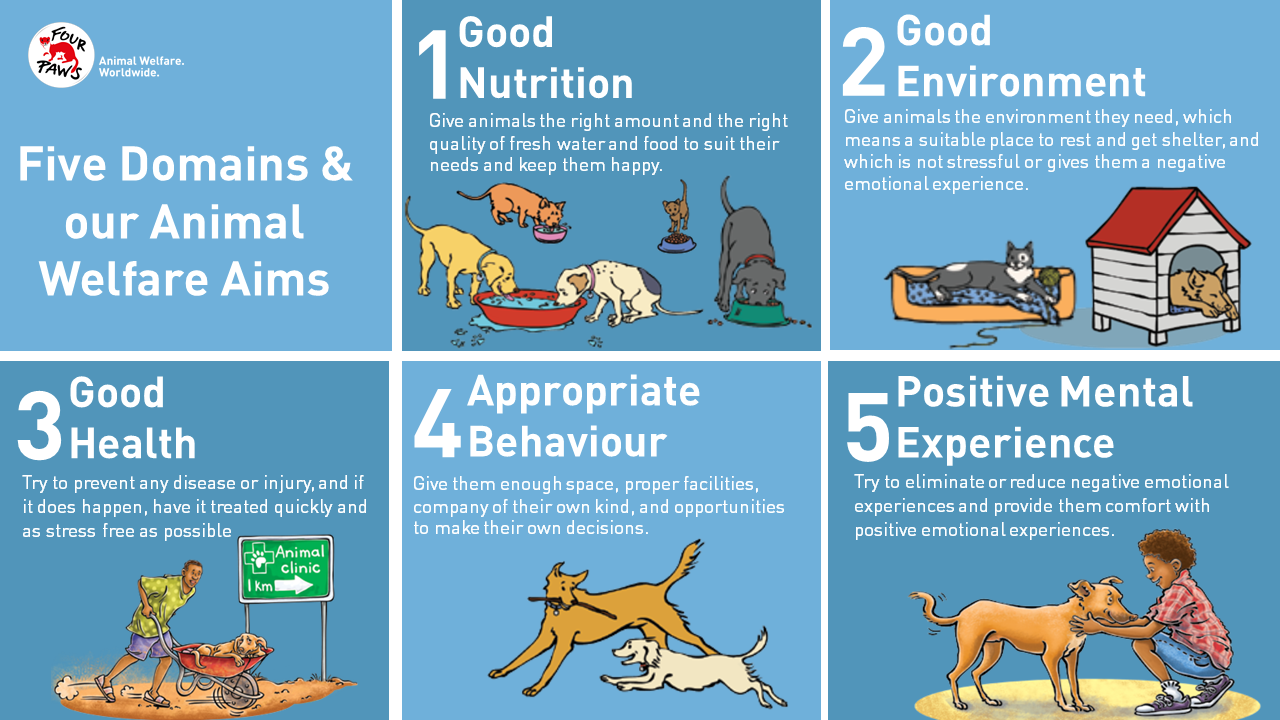
Hands-on interaction with shelter animals is often the most emotionally resonant volunteering for animals that a team can do. Activities include dog walking and socialization, reading aloud to cats (a practice that both calms shelter animals and improves human-animal trust), conducting sensory enrichment sessions with stimulating toys and scents, and supervised grooming for animals scheduled for adoption events. For teams at veterinary or pharmaceutical companies, assisting licensed vets with non-clinical tasks like supply setup and post-procedure observation adds professional resonance.
- Shelter Support
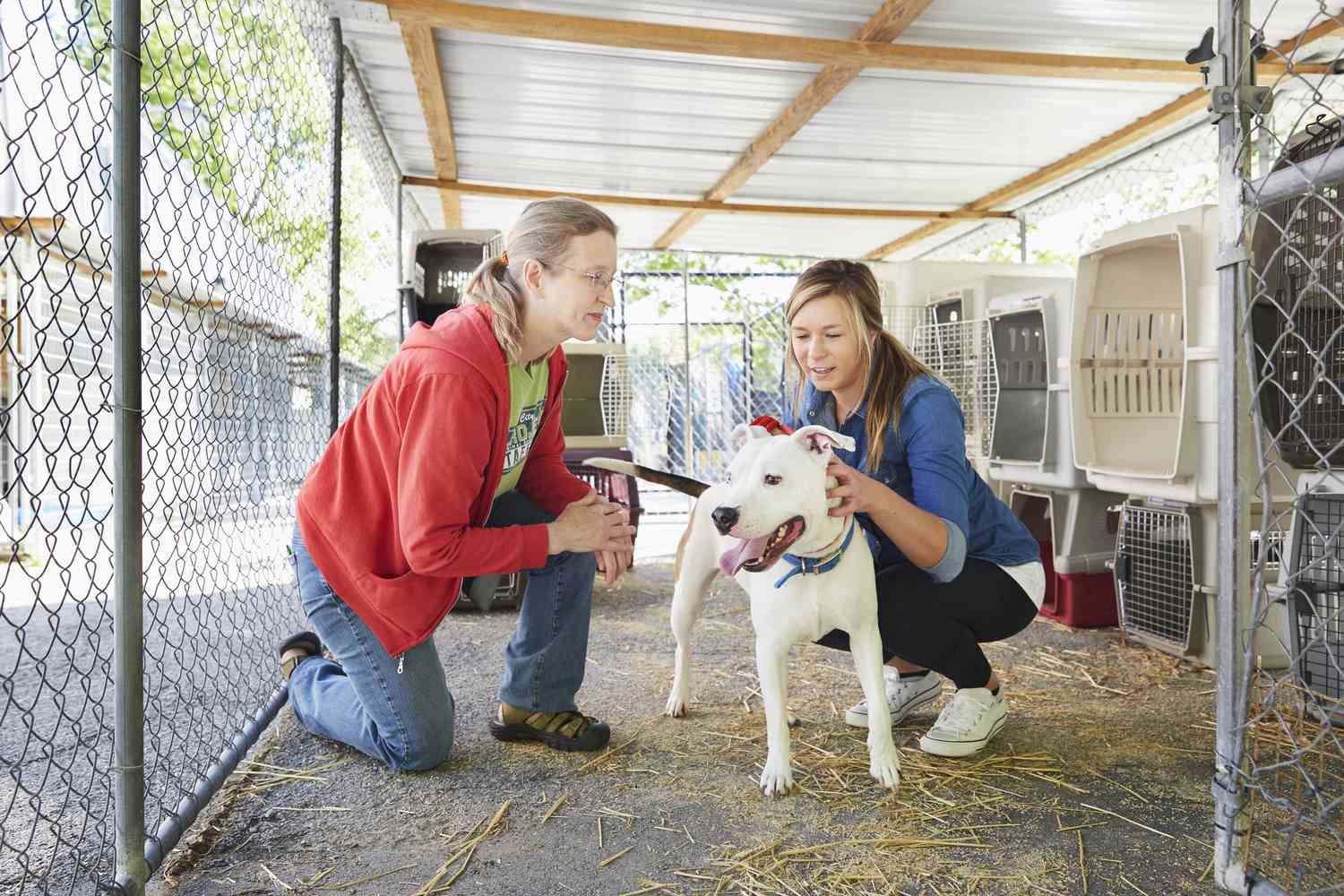
Shelters run on maintenance. Teams can take on kennel cleaning, laundry, supply sorting, facility painting, and kennel enrichment construction, such as building puzzle feeders or agility platforms. A team of 20 people can accomplish in a day what might take shelter staff a week to get to. These tasks are unglamorous but deeply impactful, and shelter directors consistently cite facility maintenance as their highest-volume unmet volunteer need.
- Community Outreach
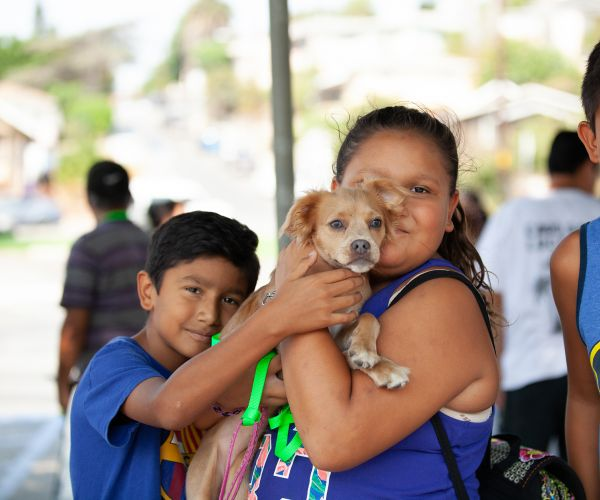
Setting up and staffing off-site adoption events, running neighborhood awareness tables at pet stores or community festivals, and visiting schools with humane education presentations extend the shelter's reach beyond its walls. Teams that take on community outreach create a feedback loop: more community awareness leads to more adoptions, which frees up shelter capacity.
- Awareness Campaigns
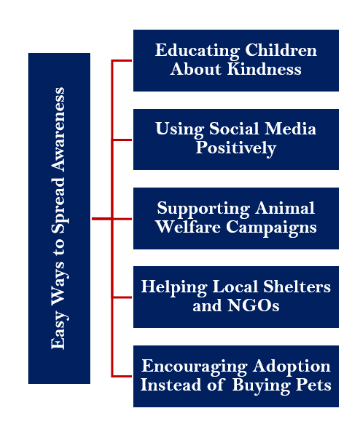
From designing social media content to writing adoption success stories for a shelter's website or newsletter, awareness campaigns translate team members' creative skills into lasting digital assets. A single well-executed adoption campaign can generate dozens of inquiries. Teams can also produce short video testimonials about the volunteering experience itself, which serves both the shelter's donor outreach and the company's employer brand.
- Fundraising Activities
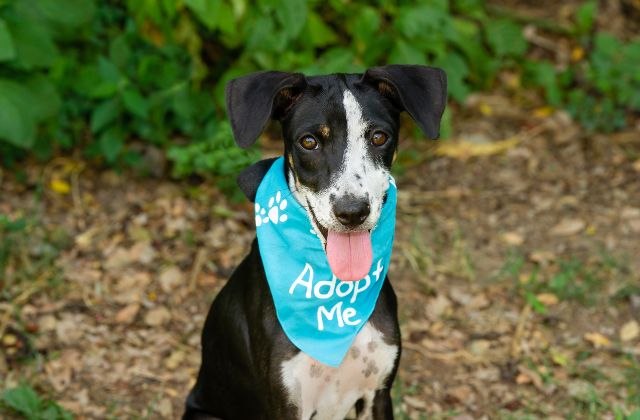
Charity bake sales and company matching gift drives are effective but familiar. More impactful formats include hosting a "Paws and Pints" fundraising evening with a local business partner, running a company-wide donation drive for specific items (kitten formula, flea treatment, blankets) rather than unrestricted cash, or setting up a peer-to-peer fundraising page tied to a team challenge, such as collectively walking 1,000 miles in a month, with proceeds going directly to a named local shelter.
- Virtual Volunteering
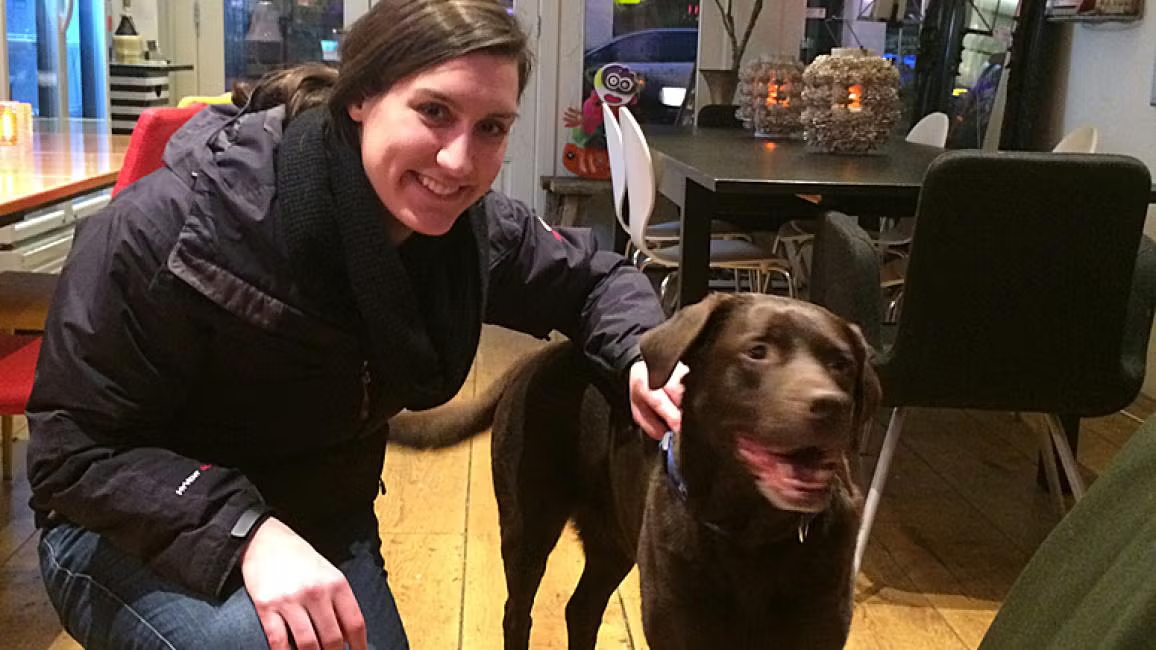
Virtual volunteer opportunities for animals are genuinely meaningful and increasingly well-developed. Teams can write and edit adoption profiles, design shelter branding materials, build or improve the shelter's donation portal, create social media content calendars, transcribe handwritten veterinary records into digital formats, or run remote fundraising events. Virtual volunteer work for animals removes geographic barriers entirely and gives distributed or remote-first teams a way to participate on equal footing with in-office colleagues.
- Foster Animal Support Programs
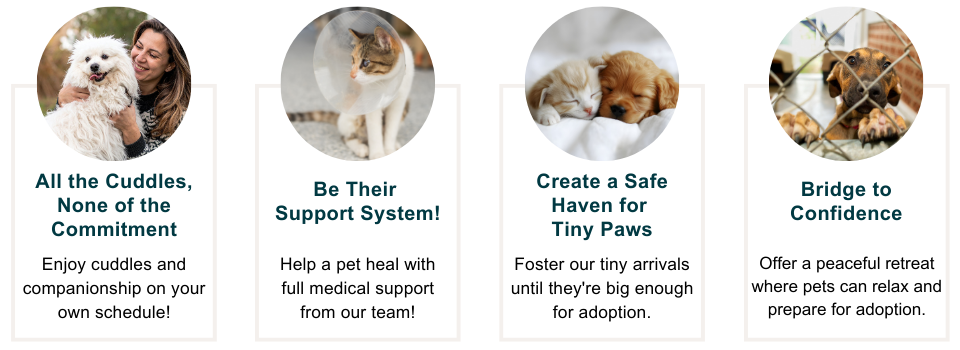
One underutilized corporate volunteering format is supporting the foster network that keeps overflow animals out of shelters. Teams can assemble "foster kits" containing food samples, toys, training guides, and comfort items for animals placed in foster homes. Companies with space can even create an internal "office fostering" program for animals awaiting placement, which creates ongoing daily engagement rather than a single event.
- Wildlife Habitat Restoration
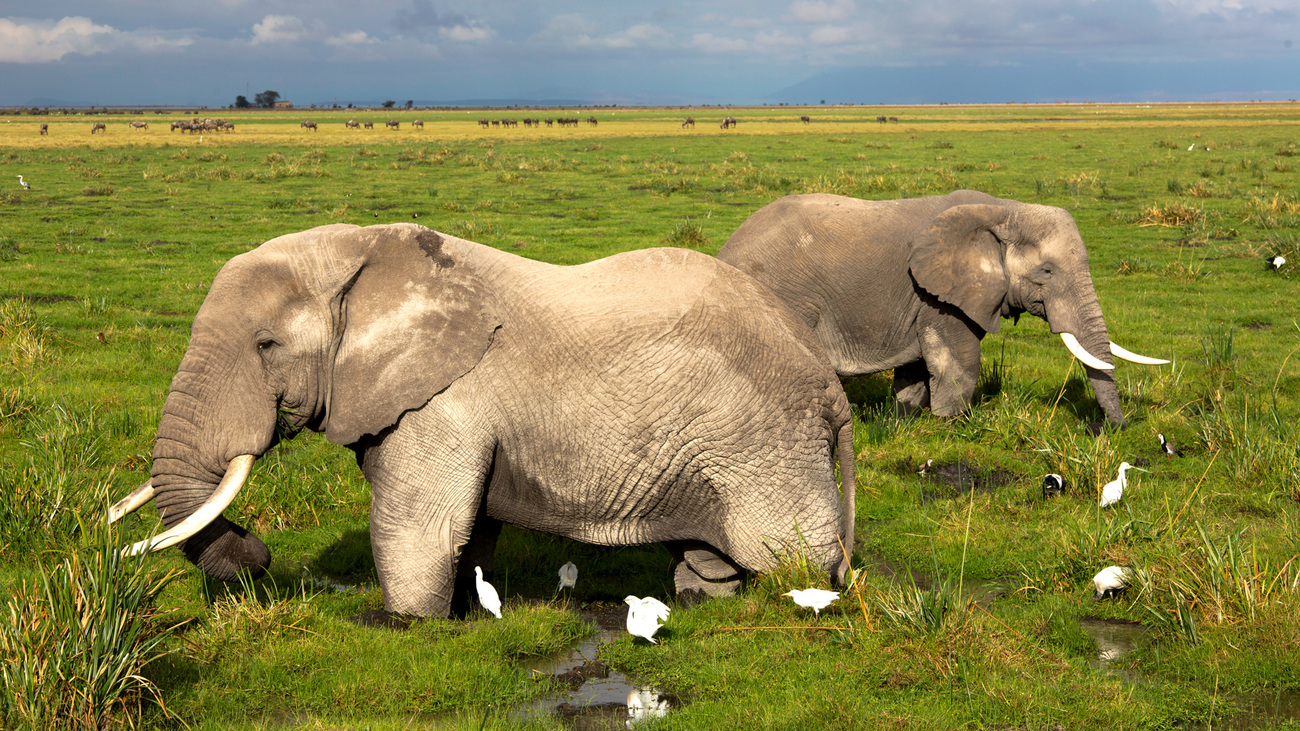
Beyond companion animals, volunteering for animals includes supporting wildlife. Teams can restore native habitat at wildlife rehabilitation centers, remove invasive plant species from sanctuary land, build nesting boxes for birds of prey or bats, or assist with cleanup days at wildlife corridors. This activates the environmental dimension of animal welfare and connects naturally to corporate sustainability commitments.
- Supply Donation Drives
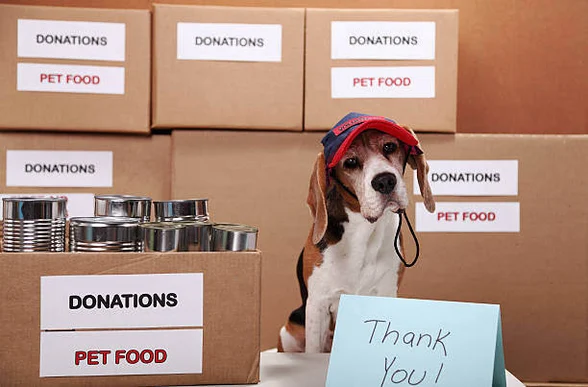
Coordinated supply drives, timed around peak shelter intake seasons like spring kitten season, give every employee a way to participate regardless of schedule or physical ability. A structured wishlist campaign with a physical drop-off point in the office creates sustained engagement over weeks rather than a single day.
- Grant Writing and Fundraising Research
Skills-based virtual volunteering: teams with finance, operations, or communications professionals can assist shelter partners with grant applications, identifying funding sources, or preparing the documentation required for ASPCA or Petco Foundation grants. This kind of contribution has a multiplier effect; one successful grant unlocks resources that a hundred volunteer days could not match.
- Animal Welfare Advocacy Support
Teams can support lobbying and awareness efforts for animal welfare legislation at the local or state level, including writing letters to representatives, attending public comment sessions, or creating materials for awareness campaigns around specific policy issues such as spay/neuter funding or anti-cruelty ordinance reform.
Skills-Based Volunteering Opportunities for Animal Welfare
Skills-based volunteer work for animals is where corporate teams create their highest leverage impact. Professional expertise applied to a shelter's actual operational gaps can deliver outcomes that physical labor cannot.
1. Marketing
- Create multi-channel adoption campaigns (social, email, outdoor, print)
- Develop a "featured pet" content series that builds social following and adoption intent
- Build a content strategy for the shelter's newsletter and donor communications
2. Design
- Complete shelter branding overhaul: logo, signage, adoption materials, website visual identity
- Design kennel enrichment systems that improve animal visibility to potential adopters
- Create bilingual outreach flyers for underserved community segments
3. Photography and Videography
- Professional pet adoption photo sessions (better photos measurably increase adoption rates)
- Short documentary reels of shelter life for donor cultivation
- Before-and-after rescue transformation content for social media
4. Data Analytics
- Build shelter operations dashboards tracking intake, adoption rates, length of stay, and euthanasia trends
- Analyze donor patterns to identify lapsed-donor reactivation opportunities
- Create predictive models for peak intake seasons to optimize volunteer scheduling
5. HR and People Operations
- Design and implement volunteer management systems and onboarding processes
- Develop volunteer appreciation and retention frameworks
- Build job descriptions and recruitment strategies for shelter staff roles
6. Technology
- Build or improve animal adoption portals with search, filter, and match-making features
- Set up CRM systems for donor and foster management
- Automate donation acknowledgment and recurring giving workflows
7. Finance
- Budget planning support and multi-year financial modeling
- Prepare grant reporting documentation and financial summaries for funders
- Advise on cost-effective procurement strategies for high-volume consumables like food and medical supplies
How to Structure Animal Welfare Volunteering Programs
The difference between a program that generates genuine impact and one that fades after a single event often comes down to structure. Goodera's nonprofit partnership model distinguishes between short-term, medium-term, and long-term engagements with deliberate purpose at each stage.
Long-Term Programs (3 to 6+ Months)
Long-term programs move the needle on systemic issues rather than surface symptoms. They are appropriate for companies seeking a multi-year community partnership anchor cause or those with ESG commitments that require documented, sustained impact.
Ideas for long-term animal welfare programs:
- 6-month shelter transformation partnership: Commit a team to monthly shelter days with a specific, tracked outcome goal, for example, reducing average length of shelter stay from 45 days to 28 days through improved adoption marketing, socialization protocols, and community outreach.
- Quarterly "skills sprint" series: Each quarter, a different department lends expertise to a shelter partner. Q1: Technology builds the adoption portal. Q2: Marketing launches the adoption campaign. Q3: HR builds the volunteer management system. Q4: Finance completes the annual grant application package.
- 6-month wildlife corridor restoration: In partnership with a wildlife rehabilitation organization, commit to monthly half-day habitat restoration events that collectively restore a defined acreage, with before-and-after documentation for ESG reporting.
- Year-long employee-fostering program: Establish a formal framework for employees to foster animals during the work week, with a structured check-in cadence, supply support, and an internal adoption celebration event at year-end.
Medium-Term Programs (2 to 6 Weeks)
Medium-term programs build momentum and depth without requiring the organizational commitment of a year-long partnership. They work well as follow-on programs after a successful one-day event, or as standalone engagements for companies exploring animal welfare as a cause area.
Ideas for medium-term animal welfare programs:
- 2-week kitten season rescue sprint: Timed to spring (peak shelter intake season), a team commits to daily or alternate-day support for bottle baby kittens requiring around-the-clock feeding. Virtual team members contribute by writing foster recruitment content, while in-office employees rotate through actual feeding shifts.
- 3-week adoption awareness campaign: A cross-functional team runs a timed social media and community outreach push for a single shelter partner, with a defined goal (e.g., 30 adoptions in 21 days) and daily content output.
- 4-week shelter infrastructure sprint: A team tackles one specific facility improvement project, such as renovating an outdoor exercise area, building a new enrichment room, or digitizing 10 years of paper intake records.
- 6-week skills-based team project: A structured engagement where a team of 8 to 12 employees from a single department (marketing, tech, or finance) delivers a defined project, from brief to final handoff, for a shelter partner.
Short-Term Programs (1 to 2 Days)
Short-term programs are the entry point into volunteering for animals for most companies. Done well, they generate the kind of employee enthusiasm that makes the pitch for longer-term investment much easier.
Ideas for short-term animal welfare programs:
- 1-day shelter revamp day: Split into workstreams. The animal care team walks dogs, socializes cats, and enriches small animal habitats. The facilities team handles painting, cleaning, and minor repairs. Creative team photographs animals and writes adoption profiles. Tech team reviews the shelter's website and donation UX, providing a report with quick-win improvements.
- Half-day supply drive and sort: Collect donations from across the office in the weeks prior, then spend a half-day sorting, cataloging, and delivering supplies to shelter partners. Combine with a brief shelter tour to connect employees directly with the animals their donations will support.
- 2-day community adoption event: Partner with a shelter to run an off-site adoption pop-up. Day 1 is setup, marketing, and social media preparation. Day 2 is the event itself, with employees staffing the space, greeting potential adopters, and providing aftercare follow-up.
Goodera's volunteer opportunity catalog supports all three formats across in-person, virtual, and hybrid modes, with end-to-end program management from nonprofit identification to post-event impact reporting.
Nonprofit Partners Working in Animal Welfare
One of the first practical questions CSR teams face when designing volunteer opportunities for animals is: which organizations should we work with? Here is a curated list spanning global, U.S., and India-based NPOs.
Global NPOs
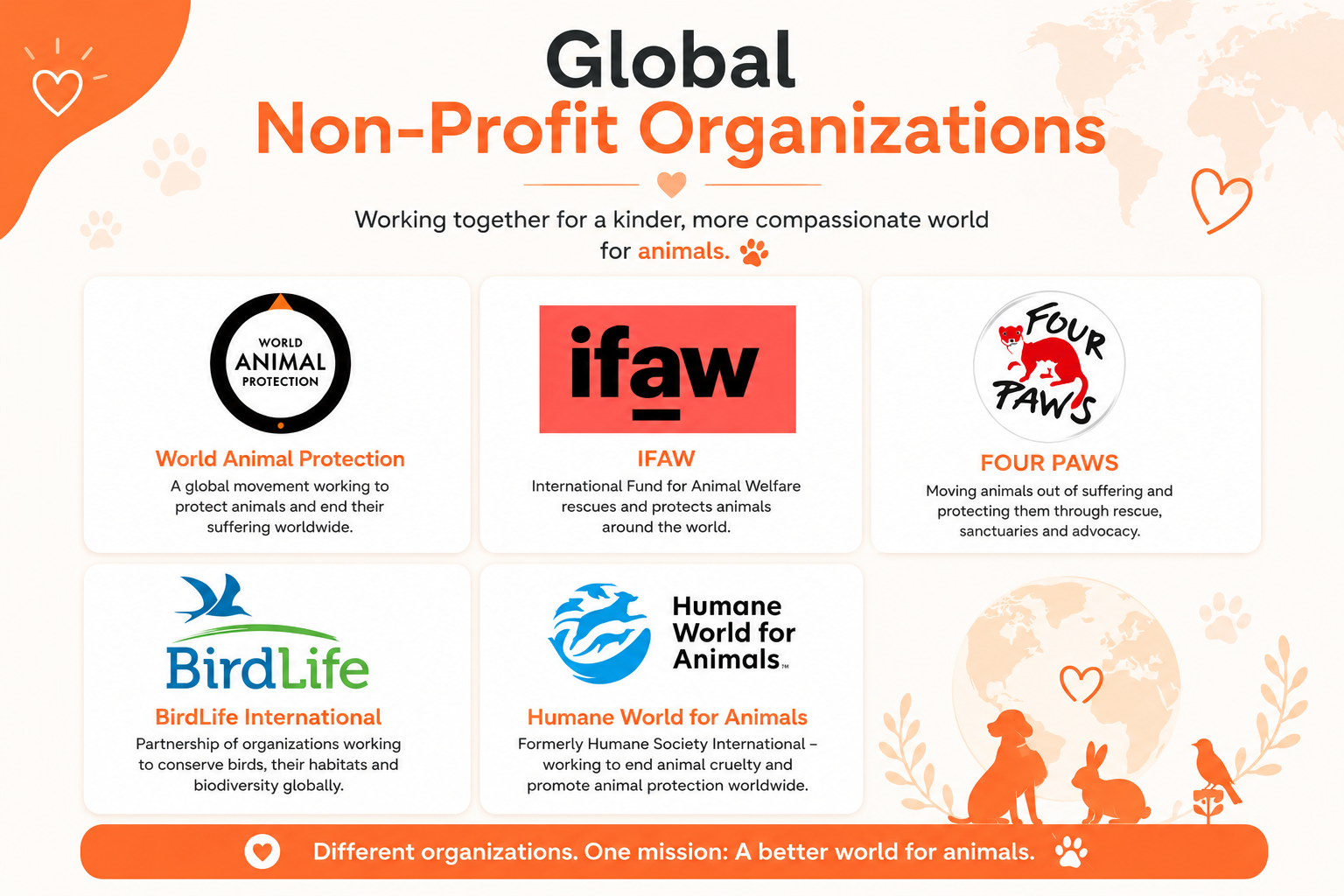
- World Animal Protection -- Formerly WSPA, working in 50+ countries on farm animal welfare, wildlife, and disaster response.
- IFAW (International Fund for Animal Welfare) -- Focuses on wildlife rescue, anti-poaching, and disaster relief for animals globally.
- Four Paws International -- Works on companion animal welfare, farm animals, and wildlife, with active programs in Europe, Asia, and Africa.
- BirdLife International -- The leading bird-specific conservation organization, with country partners in over 100 nations.
- Humane Society International -- One of the few organizations operating globally across companion animals, wildlife, and farm animal welfare.
United States NPOs
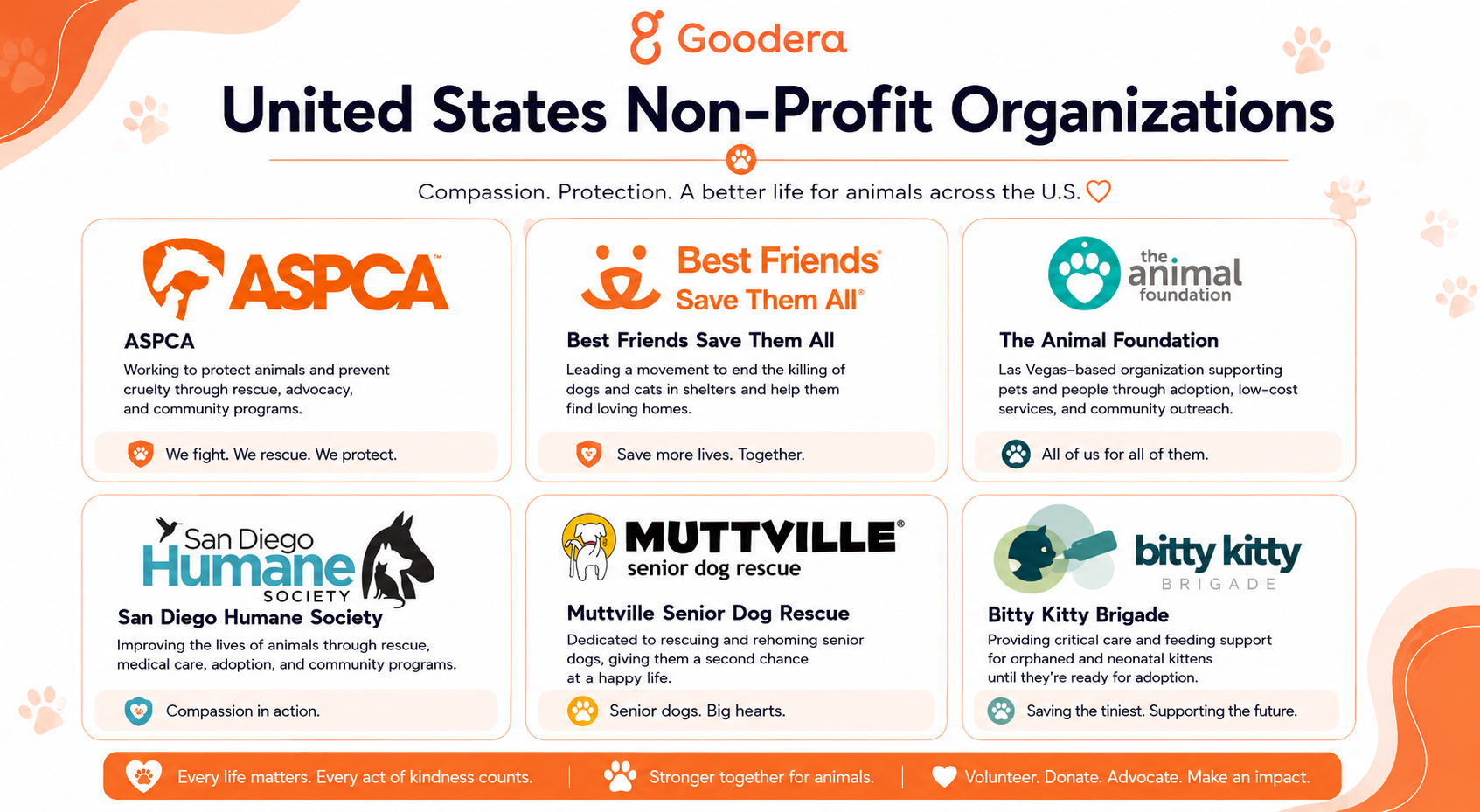
- ASPCA (American Society for the Prevention of Cruelty to Animals) -- The largest U.S. animal welfare organization, working on shelter support, anti-cruelty law, and adoption nationwide.
- Best Friends Animal Society -- Pioneering the no-kill movement with shelter support programs across all 50 states.
- Humane Society of the United States -- Wide-ranging work on domestic violence-animal welfare intersections, farm animals, and companion animal rescue.
- The Animal Foundation -- Operating one of the largest shelters in Nevada, known for volunteer-powered operations.
- San Diego Humane Society -- A model organization for corporate group volunteer programs, with established frameworks for team service days.
- Muttville Senior Dog Rescue -- Focused exclusively on senior dogs, a high-need, underserved population within the shelter ecosystem.
- The Bitty Kitty Brigade -- Specializes in orphaned neonatal kittens, a population with extremely high mortality rates in shelter settings.
India NPOs
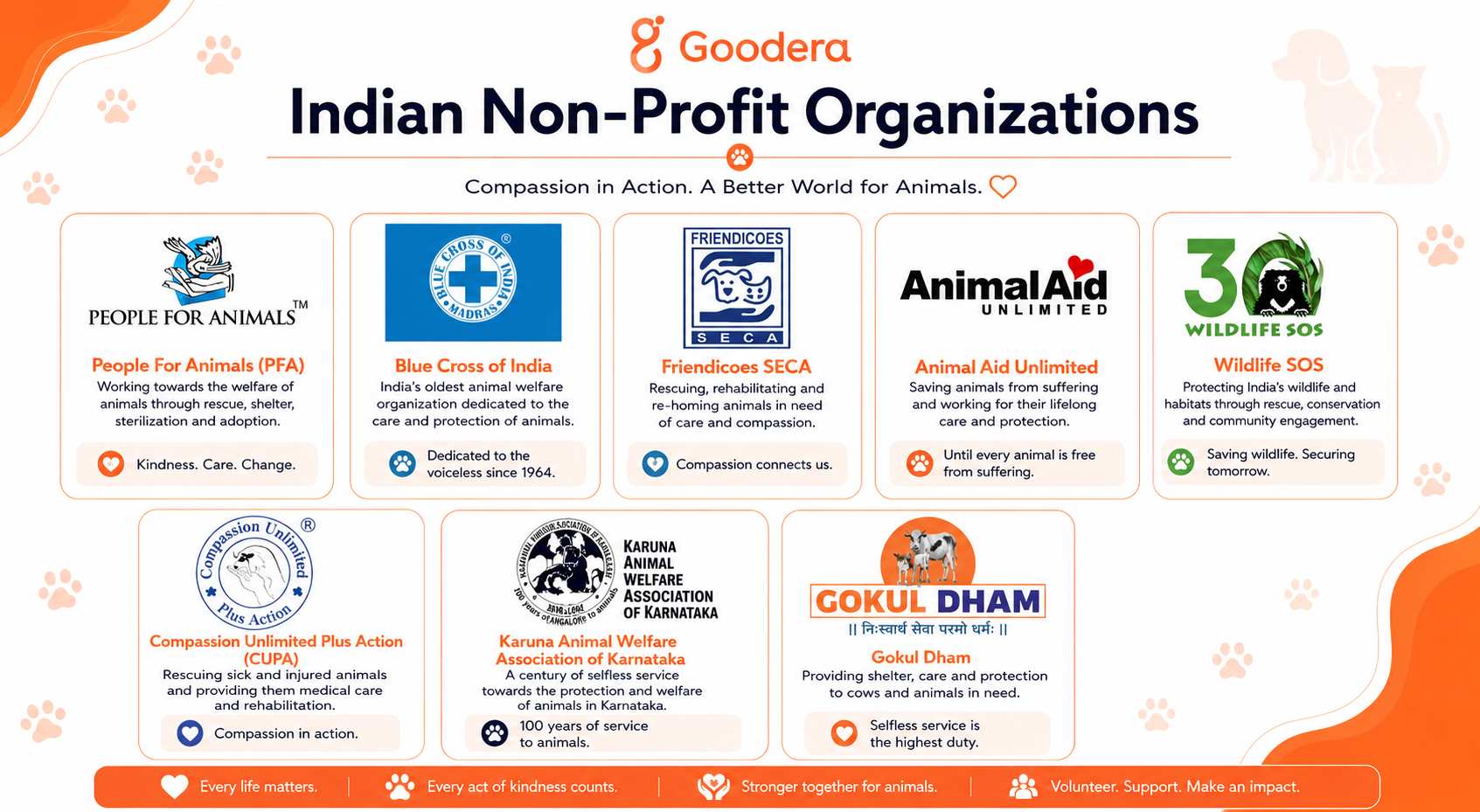
- People for Animals (PFA) -- India's largest animal welfare organization, founded by Maneka Gandhi, with 263 units across the country covering rescue, shelter, and advocacy.
- Blue Cross of India -- Chennai-based, the organization was first in the world to implement animal birth control surgery for stray dog population management. Now one of India's largest animal welfare bodies.
- Friendicoes SECA -- Delhi-based NGO treating over 40,000 animals annually, running shelters, ambulance services, and sterilization programs.
- Animal Aid Unlimited (Udaipur) -- Internationally recognized for street animal rescue and emergency medical care in Rajasthan.
- Wildlife SOS -- Focused on India's wildlife, particularly rescuing elephants, sloth bears, and leopards from captivity and abuse.
- CUPA (Compassion Unlimited Plus Action) -- Bangalore-based no-kill shelter with adoption services, medical care, and one of South India's most active corporate volunteering programs.
- Karuna Animal Welfare Association of Karnataka -- Established in 1888 in Bangalore (originally as the city's SPCA), offering shelter, adoption, and rehabilitation services.
- Gokuldham -- Gokuldham provides care for injured, abandoned, and old cows. There are a lot many other gaushalas too; many are registered NPOs and actively seek corporate volunteer support for facility maintenance, fodder supply, and veterinary assistance. Goloka Dham Gaushala and Shree Gopala Goshala (Vrindavan) are among the most active in CSR partnerships.
Anatomy of a Great Volunteering Campaign
The mechanics of a successful animal welfare volunteering campaign differ meaningfully depending on company size. Here is how to design them.
1. Small Companies (Under 100 Employees)
Small companies have a structural advantage: agility. A team of 20 to 40 people can commit to a named shelter and build a relationship that is genuinely personal.
The best small-company campaigns start with a single high-quality shelter partnership rather than trying to spread impact across multiple organizations. Identify one local shelter, meet with their volunteer coordinator before committing to a date, understand their top three operational pain points, and design the day around those specific gaps.
For execution: designate a single internal volunteer champion who owns logistics and pre-event communication. Run a pre-campaign survey to understand employee interests and skills so that the day's workstreams can be pre-assigned. Block the event as part of a paid volunteer day, and schedule a 15-minute debrief at the end of the day to gather real-time reflection.
2. Medium Companies (100 to 1,000 Employees)
Medium-sized companies have the headcount to run simultaneous multi-site events and the resources to anchor a more structured partnership with a nonprofit. The risk is diffusion: trying to involve everyone in everything at once.
The recommended design is a flagship shelter partnership supplemented by virtual volunteer work for animals that lets remote or non-local employees participate. A tiered structure works well: a core group of 30 to 50 employees participates in an in-person shelter day, while additional teams engage virtually by producing adoption campaign materials, building a donor database, or assembling supply kits in regional offices.
Build in a storytelling component. Assign one employee to document the day in photos and a short written piece for the intranet. Give the shelter a platform in the company's next all-hands meeting to share the impact data from the event.
3. Large Companies (1,000+ Employees)
Scale is the defining variable at enterprise level. The infrastructure required to run high-quality volunteering across thousands of employees globally, while keeping the experience feeling personal and purposeful, is the primary challenge.
Large companies should build an animal welfare volunteering framework rather than a single campaign. This means: a defined set of approved NPO partners (vetted globally and locally), a tiered menu of activities spanning one-time events, skills-based projects, and long-term partnerships, a digital platform for employees to self-register and log hours, and a centralized impact dashboard that aggregates outcomes across geographies.
For global companies, regional animal welfare causes must be respected. A U.S.-centric program defaulting to ASPCA will not resonate with teams in India, the UK, or Southeast Asia. Partnering with an infrastructure provider like Goodera, which has established nonprofit relationships across 100+ countries and multilingual hosting capabilities, takes the operational complexity off the CSR team's plate.
The flagship moment for large companies is a synchronized global volunteer day: every office, on the same date, supporting an animal welfare partner in their local community. The cumulative impact report from that single day is one of the most compelling stories in an annual sustainability report.
Measuring the Impact of Animal Welfare Volunteering
The strongest CSR programs are built on measurement. Here is a complete framework for tracking impact across four dimensions.
1. Participation Metrics
Participation rate: Percentage of eligible employees who completed at least one animal welfare volunteer activity in the program period. Benchmark target: 25% or above for programs with structured VTO (Volunteer Time Off) support.
Repeat volunteers: Percentage of volunteers who participated more than once. This is the most powerful indicator of genuine program quality. A high repeat rate means the experience was worth returning to.
2. Impact Metrics
Animals supported: Number of individual animals that received direct benefit (socialization, feeding, medical prep support) from team activities.
Shelters assisted: Number of distinct shelter or rescue partners engaged.
Meals provided: Particularly useful for gaushalas and rural animal welfare NPOs where fodder and food supply is a primary constraint.
Adoption profiles created: Trackable output from virtual volunteer work for animals; links directly to adoption outcomes.
Square footage improved: A tangible metric for facility maintenance events that resonates with shelter directors.
3. Employee Metrics
Engagement scores: Pre- and post-event pulse survey comparing engagement, sense of purpose, and connection to company values. Track this against company-wide engagement scores from the same period.
Volunteer satisfaction score: A single post-event net promoter question: "On a scale of 1-10, how likely are you to recommend this volunteering experience to a colleague?" Score of 8+ = strong program health.
4. Community Metrics
Adoption support: Number of animals placed in homes in the 30 days following a campaign, attributable in part to content or events the team produced.
Awareness reach: Social impressions, newsletter open rates, or event attendance figures generated by team-produced awareness content.
Common Challenges and Best Practices
- Volunteer Safety Around Animals
Not every shelter animal has a predictable temperament. Best practice: require shelter staff to lead an animal safety orientation before any direct animal interaction. Corporate groups should be split by experience level, with first-time animal volunteers assigned to lower-risk roles like cat socialization or supply tasks before moving to dog handling.
- Animal Stress
A large group of unfamiliar humans entering a shelter can itself be stressful for the animals. Best practice: limit group size for any single shelter to what the shelter staff recommends (typically 20 to 30), arrive in staggered groups rather than all at once, and designate quiet zones where anxious animals are not exposed to the group.
- Shelter Capacity Constraints
Shelters with limited indoor space may not be able to accommodate large teams, especially for hands-on work. Best practice: run a site visit before the volunteer day, and have a contingency plan that routes overflow volunteers to off-site activities like community outreach, supply sorting at a company office, or virtual tasks.
- Legal and Liability Compliance
Corporate groups may need to sign shelter-specific waiver forms, complete background checks for certain roles, or complete a mandatory orientation before working with animals. Build this into your program planning timeline. Goodera's due diligence framework for nonprofit partners helps companies navigate compliance requirements across jurisdictions before they become day-of obstacles.
- Transportation
Coordinating transit for large groups to a physical shelter, especially in cities or locations without ample parking, can be a friction point. Best practice: arrange group transportation rather than leaving it to individuals, or select shelter partners that are within easy walking or transit distance of the office.
- Seasonality
Spring kitten season (March through June) is peak demand at most shelters, and volunteer slots fill quickly. Conversely, winter months often see volunteer drop-off at the same time that shelter intake from post-holiday pet surrenders spikes. Best practice: build your volunteering calendar at least two quarters ahead, and proactively schedule a winter engagement as part of the annual program to fill the seasonal gap.
How Companies Scale Animal Welfare Volunteering With Goodera
For companies trying to move beyond isolated one-day events into a structured, measurable, and repeatable animal welfare program, Goodera provides the infrastructure that CSR teams typically don't have time to build from scratch.
Operational Support
Goodera manages the end-to-end mechanics: identifying and vetting nonprofit partners aligned with your company's geography and cause priorities, pre-designing activity workstreams for volunteer groups of any size, hosting and moderating events in 30+ languages, and generating post-event impact reports. For companies running global volunteering programs simultaneously across multiple time zones, this operational backbone is the difference between a polished program and a logistical nightmare.
The platform's catalog of 500+ volunteer activities spans the full spectrum of animal welfare engagement: in-person shelter days, virtual adoption campaign support, skills-based projects, and long-term nonprofit partnerships. For distributed or hybrid workforces, Goodera's virtual volunteering formats for animal welfare give remote employees the same quality experience as in-person teams.
Impact Reporting
Every Goodera-managed event produces a detailed impact report with activity-level metrics aligned to your ESG framework. For animal welfare programs specifically, reports can track animals supported, tasks completed, volunteer hours contributed, and qualitative testimonials from both employees and shelter partners. This documentation supports Scope 3 social impact disclosures, UNGC progress reports, and GRI social impact indicators.
Example
Hilton's "Meet with Purpose" program, highlighted at Goodera's Global Volunteering Summit 2025, demonstrates the kind of sustained community engagement that structured volunteering infrastructure makes possible. The program integrates social impact into every dimension of operations, and Goodera's platform provides the consistency in execution that allows diverse global teams to contribute to shared community goals, including animal welfare, without requiring centralized micromanagement.
For teams looking for inspiration beyond animal welfare, Goodera's community service ideas library covers 50+ cause areas with ready-to-execute program formats.
In A Nutshell
Volunteering for animals is not a soft cause. For CSR leaders who are honest about what drives employee participation, community impact, and sustainability reporting outcomes, animal welfare checks more boxes than most programs in their portfolio.
The 607,000 animals euthanized in U.S. shelters last year represent a failure of resources, awareness, and organized community action. Corporate volunteering programs, structured with purpose, matched to the right NPO partners, and executed with operational rigor, are one of the most direct levers available to close that gap.
The companies that will be known for this work five years from now are the ones building the programs today. Start with a single shelter partnership. Run one excellent day. Measure it properly. Then scale.
Frequently Asked Questions
1. What are the most effective ways to volunteer for an animal shelter as a corporate team?
The most effective corporate team activities at animal shelters combine direct animal care (socialization, dog walking) with skills-based contributions (photography, copywriting, CRM setup). Shelter directors consistently report that the highest-value corporate groups arrive with pre-assigned roles based on employee skills, rather than expecting the shelter to direct them on arrival.
2. How do we get employee buy-in for animal welfare volunteering programs?
Lead with employee choice. A 2024 Deloitte survey found that programs giving employees a voice in cause selection see significantly stronger participation than programs where causes are top-down mandated. Present animal welfare alongside two or three other cause options, share the impact data (5.8 million shelter animals, 607,000 euthanized in 2024), and let the numbers do the work.
3. Can animal welfare volunteering count toward our ESG disclosures?
Yes. Under GRI's 2022 sector standard, animal welfare is formally recognized as a material sustainability topic. Volunteer hours, animals supported, and shelter improvements made by corporate teams can be disclosed under the Social (S) pillar of ESG reporting, and increasingly under the Environmental (E) pillar for wildlife and habitat-related activities.
4. What is the difference between in-person and virtual volunteer work for animals?
In-person volunteering for animals typically covers direct care, facility maintenance, and community outreach. Virtual volunteer opportunities for animals include writing adoption profiles, designing campaign materials, building technology systems for shelters, and remote fundraising support. Both generate measurable impact; the choice depends on employee location, program goals, and shelter partner needs.
5. How do we find legitimate animal welfare nonprofit partners for corporate volunteering?
Start with established networks: ASPCA, Best Friends Animal Society, and Humane Society International maintain directories of vetted partner organizations. In India, People for Animals, Blue Cross of India, and Wildlife SOS are well-structured for corporate engagement. Platforms like Goodera conduct independent due diligence on nonprofit partners and can match companies with local, vetted shelter organizations based on geography, cause focus, and program type.
6. What metrics should we track for animal welfare volunteering programs?
Track participation rate, repeat volunteer rate, animals directly supported, shelters assisted, adoption profiles created, and post-event employee engagement scores. Compare engagement scores of volunteers to non-volunteers in the same period. This comparison is typically your most compelling internal business case for expanding the program.
7. How do we structure an animal welfare volunteering program for a global, distributed workforce?
Build a tiered model: in-person shelter days for employees in cities with accessible shelter partners, virtual volunteering for animals (adoption campaigns, skills projects, awareness content) for remote employees, and a synchronized global day-of-service event annually where every office engages a local animal welfare partner simultaneously. Goodera's platform supports this model with multilingual hosting and centralized impact reporting across geographies.
8. Is volunteering at an animal shelter safe for employees with no animal experience?
Yes, with appropriate orientation. Best practice is to require shelter staff to lead a safety briefing before any hands-on animal interaction, assign first-time volunteers to lower-risk roles, and ensure the shelter's own staff are present throughout the day. Most shelters have established corporate group protocols that address these concerns. Programs managed through platforms like Goodera include pre-event preparation materials and on-site host support.
9. Can employees involve their families in corporate animal welfare volunteering?
Yes — family-inclusive events are one of the highest-engagement formats in animal welfare programs. Kids naturally take to walking dogs, socializing cats, or building enrichment toys, and parents often report that these days feel more personally meaningful than typical adult-only volunteering. Coordinate ahead with the shelter on age requirements (usually 8+ for hands-on animal contact) and waiver forms. Family days work especially well for one-off corporate volunteering during weekends or school breaks.
10. What are cost-effective ways to run an animal welfare volunteering program?
Most animal shelters need volunteer time and supplies far more than they need cash. Skip elaborate corporate branding and channel budget into concrete needs: donating enrichment toys, laundry supplies, or pet food, buying tools for a shelter garden, or funding a specific medical case. Group-purchased Amazon Wishlist drops can equip an entire shelter for under $1,000. Long-term, running the same program at the same shelter every quarter builds trust and reduces the operational overhead on both sides.