Join our webinar to explore key stakeholder communication needs, campaign strategies, and media channels.
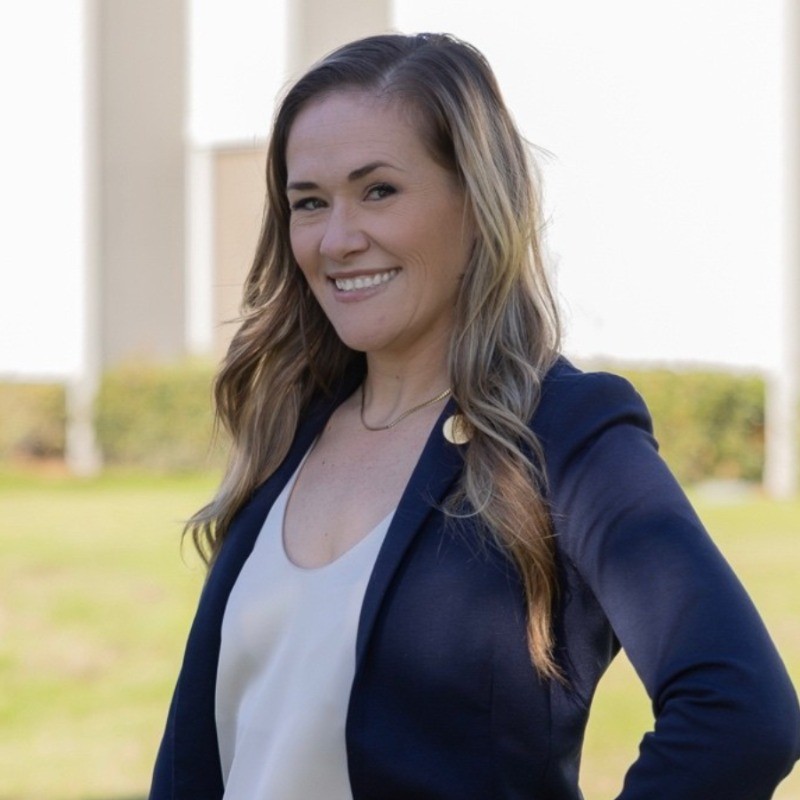
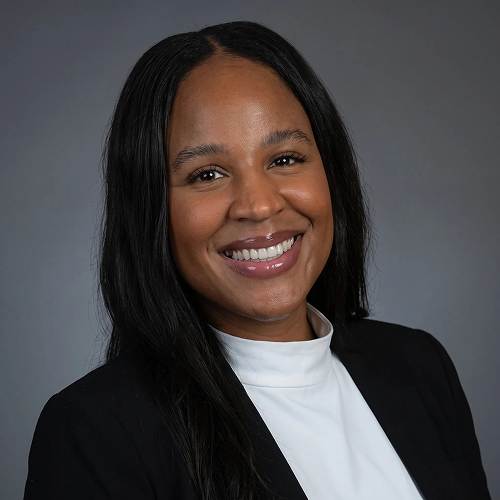
This webinar highlighted strategies to drive employee engagement in volunteer programs. Rachel Kesselman and Kenrick Fraser shared how surveys, feedback, and clear expectations improve participation. The session emphasized storytelling, vibrant visuals, and mission-aligned campaigns to inspire volunteers. Programs like Operation Warm and PayPal’s Global Impact Day demonstrated the impact of structured communication, employee-led initiatives, and multi-channel campaigns. The discussion also reinforced the importance of accessibility and incentivizing hour tracking to sustain engagement, creating a roadmap for meaningful and lasting volunteer impact.
Q: How do you tap into employee feedback and use it to improve volunteering programs?
A:
- Rachel Kesselman (FedEx): Employee surveys drive program decisions and funding. Feedback helps refine initiatives, ensuring employees are empowered to make a difference. Example: Operation Warm evolved from an in-kind coat drive to team-led engagement, adding shoes in spring. Clear communication of expectations, activities, and time commitment boosts participation.
Q: What expectations should employees have when signing up for events?
A:
- Missy Peck (Goodera): Employees need practical details: shoes, indoor/outdoor setting, weather, duration.
- Rachel Kesselman: Trial-and-error helps improve programs. A bad volunteer experience can reduce future engagement, so ensuring outstanding experiences benefits both employees and nonprofits.
Q: How do you handle external stakeholder communications?
A:
- Kenrick Fraser (PayPal): Focus on two lenses:
- Showcase beneficiary stories (focus on them, not the company)
- Build employer brand as a purpose-driven company
- Showcase beneficiary stories (focus on them, not the company)
- Multi-channel social media, executive activation, and visuals (especially videos) inspire engagement quickly.
Q: How do you tailor communications for different campaigns?
A:
- Rachel Kesselman: Align programs with employee passions (60–70% align with core initiatives). Example: European employees restoring former coal lands align with Arbor Day funding. Employee-driven stories inspire engagement.
- Kenrick Fraser: Clearly defining the “why” helps employees understand local impact.
Q: Which types of volunteerism are most challenging to communicate?
A:
- Rachel Kesselman: Year-round volunteerism, disaster relief, and local opportunities are harder to communicate than scheduled events.
- Kenrick Fraser: Volunteer campaigns require multi-pronged communication: site announcements, leadership promotion, executive engagement, and office branding. Messaging always ties back to mission and ROI.
Q: Highlights from campaigns
A:
- Kenrick Fraser (PayPal): Global Impact Day included small business and community impact projects, 20% remote participation, 870,000 organic social media impressions.
- Rachel Kesselman (FedEx): Programs include Operation Warm, Feed the Children, Arbor Day Foundation, Habitat for Community. Popular virtual initiatives: ASL/British Sign Language, recording messages, audiobooks. Accessible for frontline employees. Response rates: 40–50% for high-impact programs.
Q: How do you encourage tracking volunteer hours?
A:
- Rachel Kesselman: Incentives include t-shirts, rewards, and recognition through FedEx Founders Fund (top grants $25k, $15k, $10k). Experiential rewards like meeting NBA/NFL players.
- Kenrick Fraser: Multi-pronged approach: giving credits redeemable for charity donations, post-campaign follow-ups, CEO lunches, and other incentives.