Mental Health Awareness Week 2026: History, Activities, and Ideas

Mental health is no longer a quiet conversation happening behind closed doors. It is one of the defining public health challenges of our time.
Did you know?
Today, 1 in 8 people globally live with a mental disorder, and nearly 970 million people are affected worldwide. Depression alone impacts over 280 million people, making it one of the leading causes of disability globally.
This is why Mental Health Awareness Week matters. It creates space for conversations, action, and support systems that go beyond awareness and lead to real change.
In this guide, we’ll explore Mental Health Awareness Week 2026, its meaning, impact, activities, and how organizations and individuals can participate meaningfully.
When Is Mental Health Awareness Week in 2026?
Mental Health Awareness Week 2026 takes place from May 11 to May 17, 2026 in the UK and several parts of Europe. It is led by the Mental Health Foundation and widely observed by workplaces, schools, and communities to promote mental well-being and reduce stigma.
In the United States, there isn’t a single official “Mental Health Awareness Week.” Instead, the entire month of May is recognized as Mental Health Awareness Month, led by organizations like Mental Health America. Many US organizations still participate in week-long campaigns during May, often aligning informally with the same mid-May period.
Across both regions, these observances bring together governments, workplaces, and communities to focus on awareness, access to care, and mental health support. In some contexts, especially in the US, it may also be referred to as National Mental Health Awareness Week, reflecting localized campaigns within the broader month-long observance.
History of Mental Health Awareness Week
Mental Health Awareness Week began in the UK in 2001, led by Mental Health Foundation. What started as a national campaign to spark conversations around mental health has grown into a widely recognized observance across Europe and beyond. Each year, the initiative brings together governments, workplaces, schools, and communities to focus on a shared theme, encouraging both awareness and meaningful action.
Over time, the week has evolved from simple awareness campaigns into a platform for education, advocacy, and systemic change. It now plays a critical role in shaping how societies understand mental health, moving the conversation from stigma and silence to openness and support.
At its core, Mental Health Awareness Week is a global effort to raise awareness, reduce stigma, and encourage action around mental well-being. Unlike one-day observances, a full week allows for deeper engagement through workshops, conversations, volunteering initiatives, and long-term programs that create lasting impact.
Why It Matters Today
Mental health is one of the most urgent global challenges, and the numbers highlight the scale:
- Global scale of the issue
Nearly 1 billion people worldwide live with a mental health condition, making it a universal concern that cuts across age groups, geographies, and socio-economic backgrounds. - Massive treatment gap
In low-income countries, 76% to 85% of individuals receive no treatment, often due to lack of access, awareness, or resources. This gap continues to widen inequalities in health outcomes. - Economic impact
Depression and anxiety cost the global economy an estimated $1 trillion every year in lost productivity, affecting not just individuals but entire industries and economies. - Workplace impact
In the UK alone, around 18 million working days are lost annually due to poor mental health, highlighting the urgent need for better workplace support systems.
Mental Health Awareness Week exists because awareness alone is not enough. It creates a moment to move beyond conversation and toward access, inclusion, and real action, encouraging individuals, organizations, and communities to build systems that support mental well-being every day.
What Is the Theme for Mental Health Awareness Week 2026?
Each year, Mental Health Awareness Week is shaped around a central theme that reflects the most pressing mental health challenges of the time. These themes are typically announced by Mental Health Foundation closer to the observance and act as a guiding lens for campaigns, conversations, and programs across countries.
While the official Mental Health Awareness Week 2026 theme will be confirmed nearer to May, recent themes give a strong indication of the direction global conversations are taking:
1. Community and Connection
Social isolation has become a growing concern, especially post-pandemic. Campaigns around connection focus on building stronger communities, encouraging conversations, and creating support systems that reduce loneliness.
2. Mental Health at Work
With rising burnout and workplace stress, organizations are prioritizing employee well-being. Themes in this space often drive initiatives like flexible work policies, mental health resources, and leadership-led conversations.
3. Access to Care
A significant portion of the global population still lacks access to mental health services. Themes centered on access push for better infrastructure, affordability, and awareness of available support systems.
4. Youth Mental Health
Increasing academic pressure, digital exposure, and social challenges have made youth mental health a global priority. Campaigns often focus on early intervention, school-based programs, and safe spaces for young people.
Organizations and communities align their mental health awareness activities with these themes to ensure their efforts are relevant, timely, and connected to larger global conversations. This alignment also helps amplify impact, as local initiatives contribute to a broader, unified message.
What Is the Mental Health Awareness Color?
The widely recognized mental health awareness color is green.
Green symbolizes:
- Growth
- Hope
- Renewal
During World Mental Health Awareness Week and related campaigns, landmarks, workplaces, and social media campaigns often use green to show solidarity and support. You’ll often see green ribbons, lighting campaigns, and digital assets used to amplify awareness.
How Brands are Celebrating Mental Health Awareness Week
Here’s how some of the most recognized brands are showing up during Mental Health Awareness Week and similar campaigns.
1. Large-Scale Awareness Campaigns That Drive Global Engagement
Some brands focus on visibility at scale, using campaigns to normalize conversations and reduce stigma.
A. Bell Canada – #BellLetsTalk
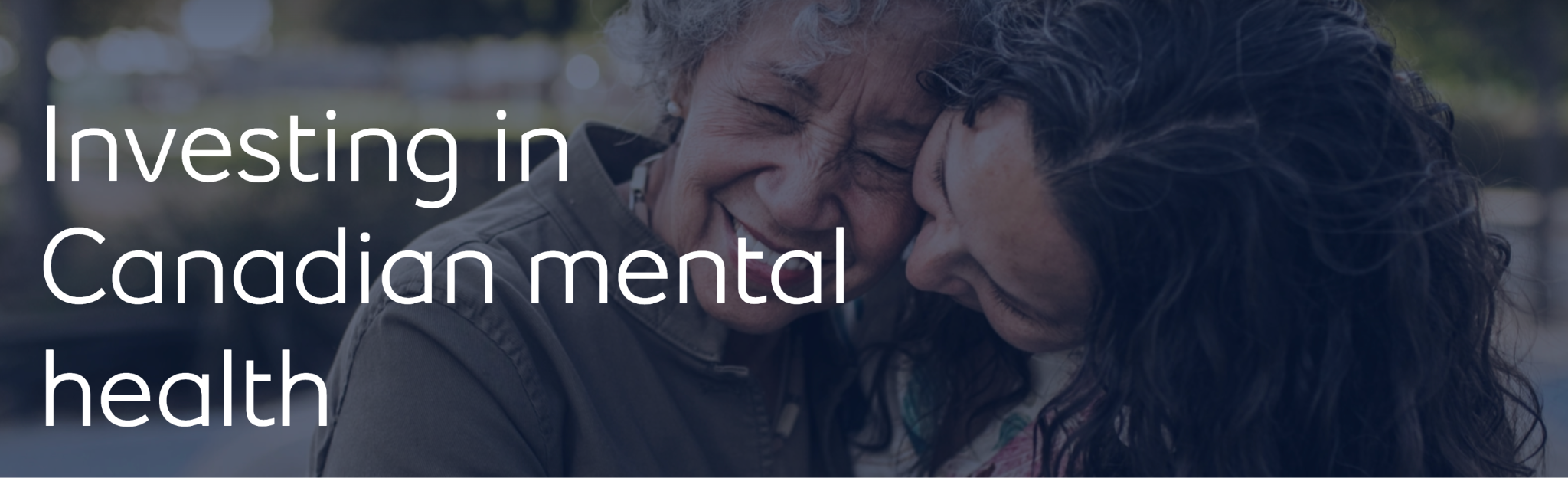
interactions and committed over $150 million toward mental health initiatives. The campaign encourages people to share experiences, with each interaction contributing to funding mental health programs.
B. Dove – Self-esteem and mental well-being initiatives
Source: Instagram
Through its long-running programs, Dove has reached over 90 million young people globally, focusing on body confidence and mental well-being. Their campaigns are often amplified during awareness weeks to address self-esteem and social pressures.
What to learn:
Campaigns that combine storytelling + measurable contribution (donations, funding, or reach) create both awareness and tangible impact.
2. Integrating Mental Health Into ESG and Business Strategy
Some brands are embedding mental health into their long-term sustainability and ESG frameworks.
A. Johnson & Johnson
Johnson & Johnson has been a pioneer in workplace well-being, launching its “Live for Life” program as early as 1979. Over the years, the initiative has achieved 80–85% employee participation, driving meaningful health outcomes. The company reported a two-thirds reduction in smoking rates since 1995, along with notable declines in hypertension and other risk factors.
These sustained efforts have translated into tangible business impact, including an estimated $250 million in healthcare cost savings over a decade. More importantly, employee health indicators consistently outperform national benchmarks, reinforcing a clear link between well-being, productivity, and long-term organizational performance.
B. Google
Google approaches mental health awareness by embedding support directly into its products, platforms, and partnerships, making help more accessible at scale.
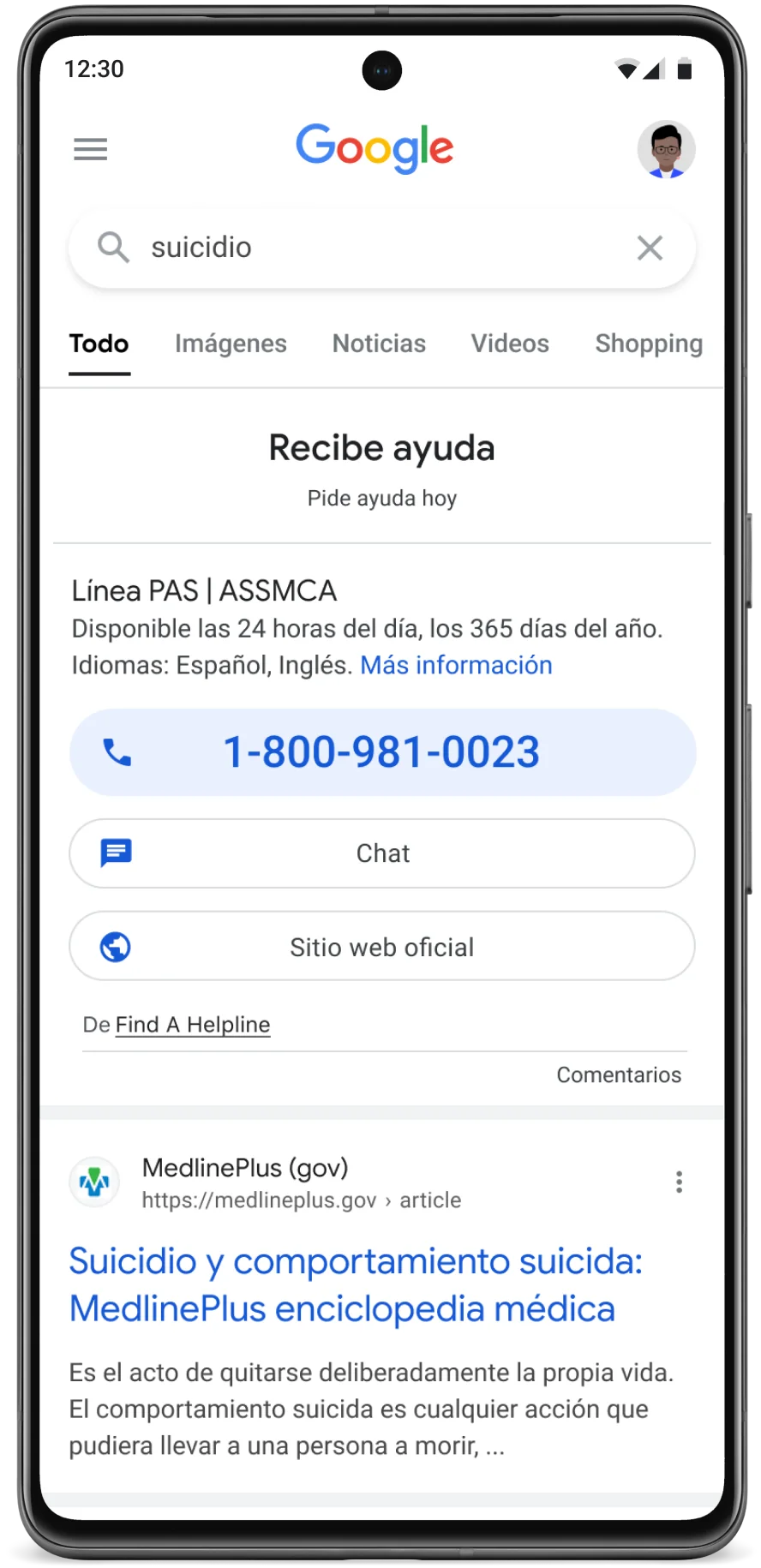
Google has enhanced Search to surface crisis resources, helplines, and mental health information across multiple countries and languages, recognizing that many people begin their mental health journey online. It also integrates clinically validated self-assessment tools for conditions like anxiety and depression, helping users take early steps toward understanding their well-being.
On YouTube, Google promotes safer digital experiences by directing users searching for sensitive topics toward authoritative resources, while also introducing features that encourage healthier viewing habits.
Beyond its platforms, Google invests in community-driven mental health initiatives through funding and partnerships. Programs supported by Google.org include AI-powered training tools that help individuals, including veterans, better support peers facing mental health challenges.
Internally, Google complements these efforts with employee well-being programs, including access to counseling, manager training, and workplace mental health support systems.
What to learn:
Google’s approach demonstrates how organizations can move beyond awareness by integrating mental health into technology, access, and community impact, creating support systems that reach people at scale.
3. Employee-Centric Mental Health Programs
Many organizations use Mental Health Awareness Week to strengthen internal well-being systems.
A. Starbucks: Expanding Access to Mental Health Care at Scale
Starbucks has set a strong benchmark by making mental health care accessible, immediate, and stigma-free for its workforce. In partnership with Lyra Health, the company provides all eligible U.S. employees and their families with up to 20 free therapy or coaching sessions annually.
The program is designed to remove traditional barriers to care:
- Employees can book appointments quickly, often without long wait times
- Access is available in-person or via video, increasing flexibility
- Care is personalized, matching employees with providers suited to their needs
The impact is measurable:
- 99% of employees are matched with a provider instantly
- The program sees a 96% satisfaction rate among users
Starbucks has also complemented this with mental health training for managers and access to wellness tools like Headspace, reinforcing both access and awareness.
B. Unilever: Building a Systemic, Culture-Led Mental Health Strategy
Unilever has taken a holistic, organization-wide approach to mental well-being, embedding it into workplace culture and leadership practices.
Its strategy is built around four pillars:
Awareness, prevention, intervention, and protection, ensuring support across the entire mental health spectrum.
Key initiatives include:
- Global access to Employee Assistance Programs (EAPs), available 24/7 in multiple formats
- Training managers to identify early signs of distress and respond effectively
- Creating a large network of mental health champions and first responders within the workforce
The scale of impact is significant:
- Over 900+ trained mental health champions supporting employees
- 85%-98% of employees report that the company cares about their well-being
In some implementations, integrating mental health into workplace systems has also led to reduced absenteeism and improved engagement, showing clear business impact.
What to learn:High-impact companies focus on access + culture change, not just one-time awareness sessions.
4. Purpose-Driven Campaigns With Social Impact
Some organizations aim to support broader communities.
Nike
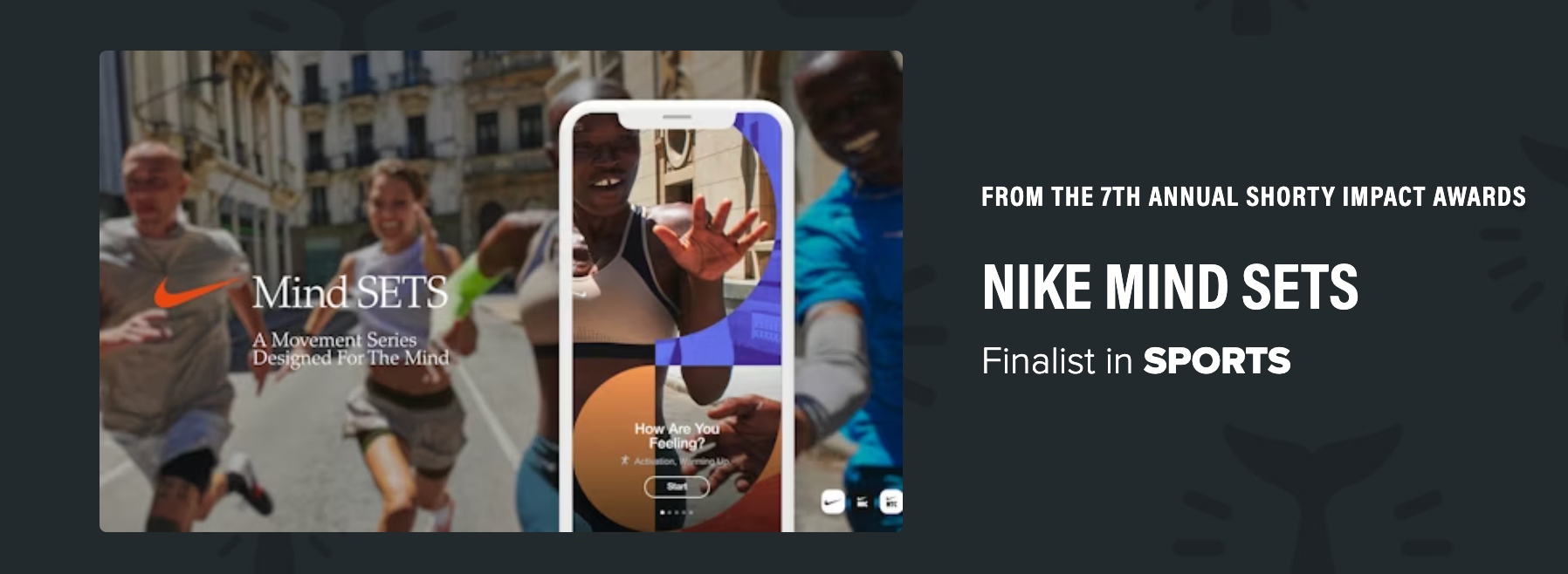
Nike’s Mind Sets campaign marked a significant shift in the brand’s philosophy, moving away from performance-driven messaging toward a more holistic view of mental well-being.
Instead of focusing on achievement, the campaign encouraged users to ask a simple but powerful question: “How are you feeling?” It introduced a series of movement-based experiences designed to support mental health, emphasizing that exercise can be used to reduce stress, anxiety, and burnout, not just improve physical performance.
The initiative was deeply integrated into Nike’s ecosystem, reaching its 300+ million global members through apps like Nike Training Club and Nike Run Club, along with podcasts, guided sessions, and expert-led content.
What made the campaign impactful was its approach:
- Designed workouts based on emotional states, not goals
- Collaborated with mental health experts and coaches
- Encouraged open conversations to reduce stigma in sports culture
Beyond engagement, the campaign influenced Nike internally, reshaping how the brand approaches storytelling, product experience, and athlete narratives by embedding mental health into long-term strategy.
What to learn:
Nike’s approach shows how brands can evolve from pushing performance to supporting people more holistically, using their platforms to normalize mental health conversations and provide practical tools at scale.
5. Digital Movements That Normalize Mental Health Conversations
Brands are increasingly using digital platforms to create participatory movements.
Spotify
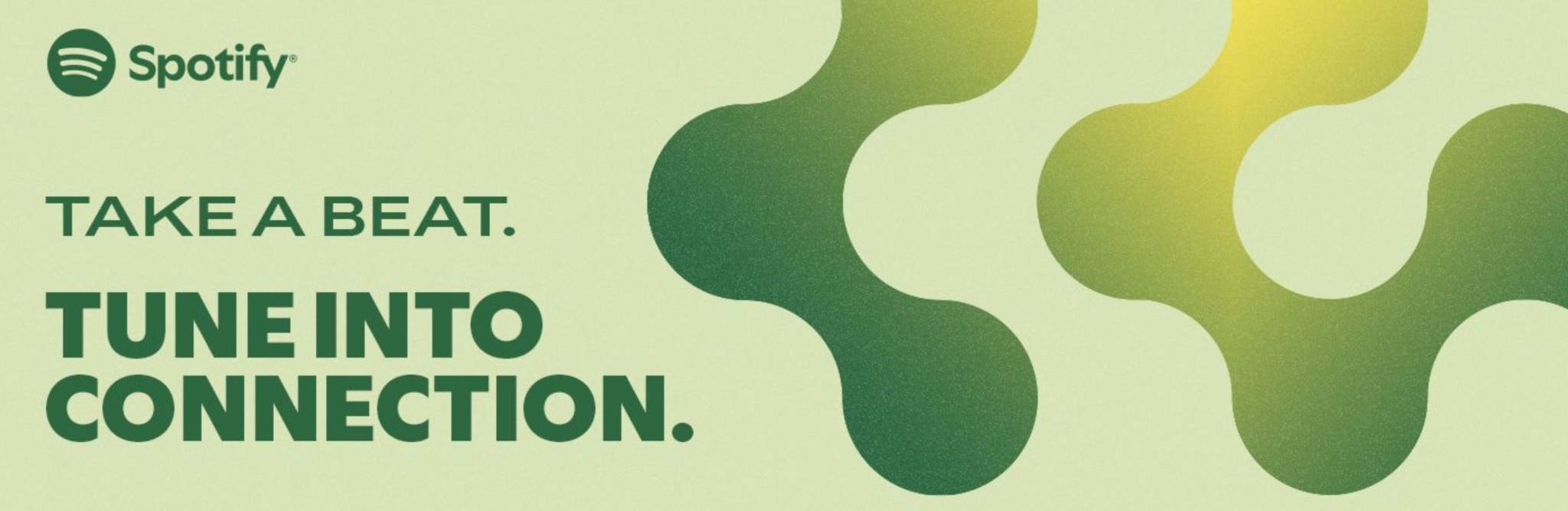
Spotify’s recent mental health campaigns focus on using audio as a tool for connection, reflection, and emotional support. For World Mental Health Day 2025, the company launched the campaign “Take a Beat. Tune Into Connection,” highlighting the growing global challenge of loneliness and encouraging people to pause and reconnect.
The initiative leveraged Spotify’s core strength, audio, to create moments of calm and belonging through curated content, storytelling, and platform-wide activations involving artists, creators, and listeners.
Beyond awareness, Spotify extended its impact through:
- Micro-grants for nonprofits working to combat loneliness and build community connections
- Expansion of its “Heart & Soul” mental health initiative, providing support and resources for artists and creators
- Partnerships that improve access to mental health care and peer support systems globally
What to learn:
Spotify’s approach shows how brands can align campaigns with their core product experience, using their platform not just to raise awareness, but to create real moments of connection, support, and measurable social impact at scale.
Is Mental Health Awareness Week the Same as National or World Mental Health Awareness Week?
These terms are often used interchangeably, but they can refer to different formats of observance depending on geography and context.
Mental Health Awareness Week
This typically refers to the UK-led campaign observed in May, driven by Mental Health Foundation and widely adopted across parts of Europe. It is a themed, week-long initiative that focuses on specific mental health topics each year.
National Mental Health Awareness Week
This is a broader, informal term used by organizations or countries to describe their own local or national campaigns during the same period.
It may not always be officially defined but is often used in workplace programs, government initiatives, and regional awareness efforts.
World Mental Health Awareness Week
There is no single globally designated “World Mental Health Awareness Week.” However, the term is often used informally by organizations and campaigns to describe global participation during the same week, especially as conversations and initiatives extend across countries.
Globally, the most recognized international observance is World Mental Health Day, held on October 10, which complements awareness efforts throughout the year.
United States: A Different Structure
In the United States, the approach is broader. Instead of a dedicated week, the entire month of May is recognized as Mental Health Awareness Month, led by Mental Health America.
That said, many organizations in the US still run week-long campaigns within May, often aligning with the same mid-May period as Mental Health Awareness Week.
Key difference between Mental Health Awareness Week, National Mental Health Awareness Week, World Mental Health Awareness Week, and Mental Health Awareness Month (US)
- Mental Health Awareness Week: A defined, themed week (primarily UK and Europe)
- National Mental Health Awareness Week: Local or country-level naming for similar efforts
- World Mental Health Awareness Week: Informal/global usage, not an official observance
- Mental Health Awareness Month (US): Month-long national campaign
In practice, all of these efforts share the same goal: raising awareness, reducing stigma, and encouraging meaningful action around mental health.
What Are the Best Mental Health Awareness Activities?
Mental health awareness activities are most effective when they create safe spaces, build understanding, and improve access to support. The goal is not just to talk about mental health, but to make it easier for people to seek help, share experiences, and feel supported.
Here are some impactful mental health awareness activities organizations are implementing globally, along with practical ways to execute them.
1. Host Open Conversations
Open conversations are often the starting point for breaking stigma. When people feel safe to talk about mental health without fear of judgment, it creates a culture of trust and empathy.
How to make this effective:
- Create small, moderated groups instead of large forums to encourage participation
- Train facilitators to guide conversations respectfully
- Set clear ground rules around confidentiality and respect
- Encourage leaders to share personal experiences, which can significantly increase participation
Examples of formats:
- Employee listening circles
- Mental health storytelling sessions
- Peer support groups
Organizations that normalize these conversations often see higher engagement and stronger team connections, especially when leadership actively participates.
2. Organize Workplace Well-being Programs
Structured well-being programs help move mental health from conversation to consistent support systems. Many companies use Mental Health Awareness Week to launch or expand these initiatives.
How to implement this effectively:
- Partner with mental health professionals or platforms
- Offer confidential and easily accessible resources
- Schedule sessions across time zones to ensure inclusivity
- Provide follow-up resources, so support continues beyond the week
Examples include:
- Therapy or counseling access programs
- Stress management and mindfulness workshops
- Burnout prevention and resilience training
With 43% of employers already hosting Mental Health Awareness Week events, structured programs are becoming a key part of workplace culture.
3. Run Community Volunteering Initiatives
Volunteering connects employees to a larger purpose while directly supporting communities. It also has proven benefits for improving individual well-being and reducing stress.
How to design meaningful initiatives?
- Partner with local or global mental health nonprofits
- Focus on activities that create tangible outcomes
- Offer both in-person and virtual volunteering options
- Align initiatives with broader CSR or ESG goals
Examples include:
- Supporting mental health nonprofits through donations or volunteering
- Creating care kits for vulnerable groups
- Running community awareness campaigns
These initiatives help organizations move from internal awareness to external impact, strengthening both community relationships and employee engagement.
4. Conduct Mental Health Education Sessions
Education is critical for reducing misconceptions and enabling early intervention. Many people still struggle to recognize signs of mental health challenges, which delays support.
How to structure these sessions:
- Invite certified professionals or credible organizations
- Use interactive formats like Q&A or scenario-based learning
- Keep sessions practical, focusing on real-life application
- Provide takeaways such as guides, toolkits, or helpline resources
Key topics can include:
- Recognizing early signs of mental health conditions
- Managing stress, anxiety, and burnout
- Supporting colleagues, friends, or family members in distress
When people are better informed, they are more likely to seek help early and support others effectively.
5. Launch Digital Awareness Campaigns
Digital platforms allow organizations to scale their efforts and reach wider audiences during World Mental Health Awareness Week and beyond.
How to create impactful campaigns:
- Focus on authentic storytelling rather than generic messaging
- Use consistent hashtags to connect with global conversations
- Encourage employee participation through user-generated content
- Share credible information backed by data and expert insights
Here are some campaign ideas to take inspiration from:
- “Share your story” initiatives
- Mental health myth-busting posts
- Daily well-being challenges or tips
When done right, digital campaigns help normalize conversations at scale, making mental health a topic people feel more comfortable engaging with.
Leading companies are moving beyond internal conversations and launching high-impact mental health initiatives that drive measurable outcomes. From global campaigns to structured employee programs, these efforts offer strong benchmarks for organizations planning their own mental health awareness activities.
Frequently Asked Questions
1. What is Mental Health Awareness Week?
Mental Health Awareness Week is a global campaign focused on raising awareness, reducing stigma, and encouraging meaningful action around mental well-being. Originally led by Mental Health Foundation in the UK, it has grown into a widely recognized observance across Europe and beyond.
What makes this week impactful is its focus on action, not just awareness. Organizations, communities, and governments use this time to:
- Start open conversations about mental health
- Launch well-being programs and resources
- Promote early intervention and support systems
- Encourage inclusive and supportive environments
It creates a dedicated moment each year to normalize mental health discussions and drive long-term change.
2. When is Mental Health Awareness Week 2026?
Mental Health Awareness Week 2026 will be observed from May 11 to May 17, 2026.
This mid-May observance is widely followed across the UK and Europe, with many global organizations also aligning their campaigns during this period. In the United States, while the entire month of May is recognized as Mental Health Awareness Month, many companies and communities still run focused initiatives during this same week to align with global momentum.
3. Is Mental Health Awareness Week the same as World Mental Health Day?
No, they are different observances with similar goals.
- Mental Health Awareness Week is a week-long campaign in May, focused on deeper engagement through activities, programs, and conversations.
- World Mental Health Day is observed globally on October 10 and serves as a single-day event to highlight mental health issues worldwide.
Both aim to raise awareness and reduce stigma, but Mental Health Awareness Week allows for more sustained engagement and action over several days.
4. What is the mental health awareness color?
The official mental health awareness color is green.
Green represents:
- Hope for recovery and support
- Growth in awareness and understanding
- Renewal and well-being
During Mental Health Awareness Week, many organizations use green in campaigns, digital assets, workplace branding, and lighting initiatives to show solidarity and support for mental health causes.
5. What are some mental health awareness activities?
Effective mental health awareness activities focus on education, connection, and access to support. These activities help create environments where people feel safe to talk about mental health and seek help.
Common examples include:
- Workshops and training sessions on stress, anxiety, and resilience
- Open conversations and storytelling sessions to reduce stigma
- Volunteering initiatives supporting mental health nonprofits
- Digital awareness campaigns that share real stories and resources
- Wellness programs such as mindfulness sessions or counseling access
The most impactful activities are those that go beyond awareness and provide ongoing support systems.
6. Why is Mental Health Awareness Week important?
Mental Health Awareness Week is important because awareness alone does not guarantee access or support.
Despite growing conversations, challenges remain:
- Nearly 1 billion people globally live with mental health conditions
- A large percentage still lack access to proper care, especially in low-income regions
- Stigma continues to prevent many from seeking help
This week helps bridge those gaps by:
- Encouraging open, stigma-free conversations
- Promoting early intervention and education
- Driving organizational and policy-level change
- Inspiring individuals and communities to take action
Ultimately, it serves as a reminder that mental health is not just a personal issue, but a collective responsibility that requires sustained effort and support.
7. How can companies observe Mental Health Awareness Week at work?
Companies can mark the week with EAP awareness drives, manager training in mental health first aid, mindfulness or yoga sessions, and executive-led conversations that normalize seeking help. Pair week-of activations with lasting policies like therapy stipends, quiet spaces, workload calibration reviews, and mental health ERGs. Year-round programming turns short awareness moments into meaningful cultural change.
8. How does Mental Health Awareness Week differ from Mental Health Awareness Month?
Mental Health Awareness Week is a UK and Europe observance held each May by the Mental Health Foundation since 2001. In the United States, there is no single week; instead, the entire month of May is Mental Health Awareness Month, led by Mental Health America. Both aim to reduce stigma and expand access to mental health support.
9. What are common mistakes companies make during Mental Health Awareness Week?
Common mistakes include running awareness campaigns without real support systems, treating engagement as a one-week event, and framing mental health as an individual responsibility rather than an organizational one. Effective programs combine week-of activations with lasting policy changes, accessible benefits, and manager training. Without follow-through, campaigns risk feeling performative to employees who need genuine support.
10. How many people globally are affected by mental health conditions?
According to the WHO, 1 in 8 people globally live with a mental disorder, affecting roughly 970 million people worldwide. Depression alone affects more than 280 million people and remains a leading cause of disability. These figures underscore why workplace mental health support matters, since employees carry these challenges into daily work regardless of role or geography.


.webp)