Top 10 AAPI Organizations To Volunteer With In 2026

There’s something deeply fulfilling about giving your time to a cause that matters. Whether it’s tutoring a young student, delivering meals to an elderly neighbor, or offering professional skills to a nonprofit, volunteering reminds us of our shared humanity.
Did you know? Asian Americans and Pacific Islanders comprise over 7% of the U.S. population, the fastest-growing racial group, yet 24% live in poverty, with many elders facing language barriers and isolation that nonprofits address through culturally tailored services.
AAPI organizations across the U.S. are creating a lasting impact in communities, often quietly and consistently. From legal advocacy to mental health support to cultural preservation, these Asian American nonprofit organizations are doing powerful work and need volunteers like you.
We’ve rounded up 10 impactful Asian American organizations and AAPI nonprofits offering both virtual and in-person volunteering opportunities. If you’re looking for meaningful AAPI organizations to support, these nonprofits offer a great starting point for both individuals and teams. These groups serve and empower the AAPI community year-round. Many of these Asian American organizations are deeply rooted in local communities, making them ideal partners for long-term impact.
Why Companies Should Support AAPI Nonprofit Organizations
Supporting AAPI communities isn’t just about showing up during awareness months; it’s about building long-term, meaningful impact. For companies, this is also a chance to turn good intentions into real action.
Here’s what that looks like in practice:
- More engaged employees: People feel more connected to their work when they’re part of something bigger than business goals.
- Stronger, more inclusive cultures: Supporting AAPI-led initiatives helps create workplaces where diverse voices are valued and visible.
- Real, measurable impact: From education to legal support, these organizations are solving critical challenges, and your teams can be part of that progress.
- Better employer brand: Candidates and employees are paying attention to how companies show up in the world.
- Opportunities beyond donations: Volunteering, mentoring, skills-based support, there are so many ways to contribute meaningfully.
How Companies Can Partner with AAPI Organizations (Beyond Volunteering)
If you’re thinking beyond one-off volunteering events, there are plenty of ways to build deeper partnerships.
Here are a few that actually make a difference:
- Skills-based volunteering: Your teams can support nonprofits with marketing, tech, HR, legal, or operations expertise.
- Mentorship programs: Employees can guide students or early-career professionals from AAPI communities.
- Event-based engagement: Host virtual or in-person volunteering days tied to specific causes or campaigns.
- Long-term partnerships: Work with the same organization across the year to create sustained impact.
- In-kind support: Offer tools, platforms, or services that help nonprofits scale their work.
The goal isn’t to do everything, it’s to do a few things well and consistently.
Did you know? AAPI communities operate over 1,100 nonprofits nationwide serving niche needs from domestic violence shelters to neurodiversity programs, filling gaps in mainstream systems while preserving languages, traditions, and civic engagement across 50+ ethnicities.
Here are some of the most impactful AAPI organizations to support, each offering unique ways to get involved and give back.
AAPI Volunteer Opportunities You Can Join Virtually
These AAPI volunteer opportunities are designed to be flexible, making it easy for teams to participate across locations and time zones.
1. Queens Community House: AAPI Volunteer Opportunities Supporting NYC’s Diverse Communities
📍 Location: Queens, New York
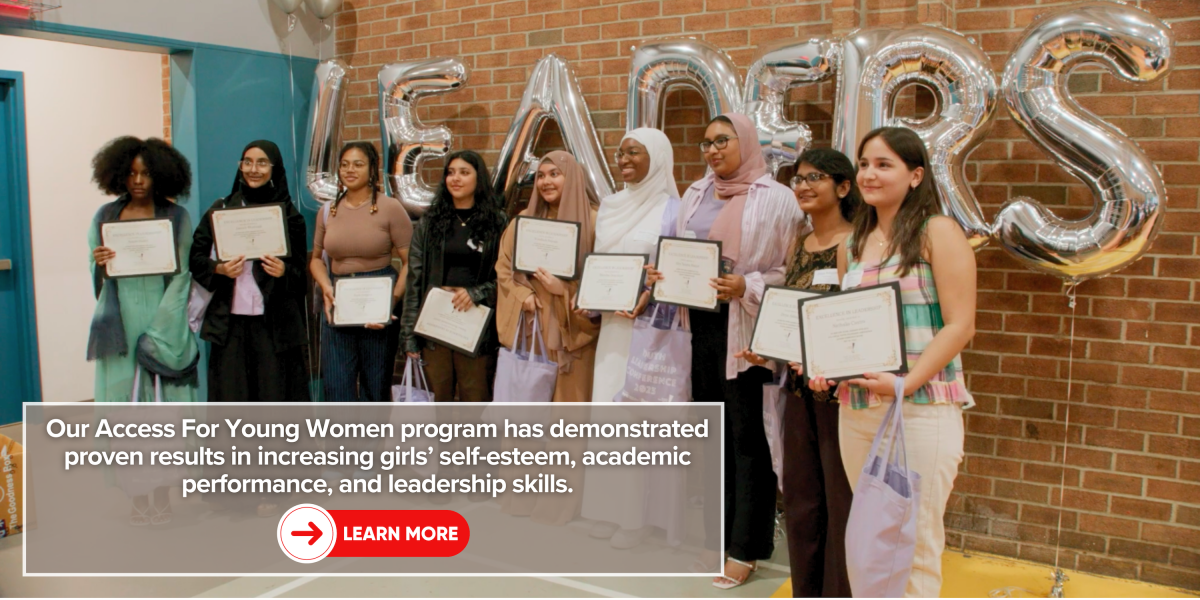
Queens Community House (QCH) is a multi-service settlement house and one of the largest human-services organizations in Queens, New York, serving over 25,000 individuals annually through more than 50 programs at 34 sites across 14 neighborhoods. As a hub of community empowerment in one of the most ethnically diverse counties in the United States, QCH supports youth, seniors, immigrants, and families with culturally responsive services that foster inclusion and resilience.
By the numbers:
- Delivered 49,983 food bags through its pantries in 2021, helping thousands of food-insecure households.
- Provided $525,573 in emergency cash grants to 809 households at risk of eviction or financial crisis.
- Conducted comprehensive assessments for 7,100 households, linking families to housing, benefits, childcare, and health supports.
- Supports over 60 licensed childcare providers through its Queens Childcare Network, collectively serving more than 600 children ages birth to 4, with expansion goals to enroll up to 290 infants and toddlers.
Focus areas for volunteers (including AAPI-supportive roles):
- Youth mentorship and tutoring: Support after-school programs, Beacon programs, and college-access initiatives that help students improve academic performance, build leadership skills, and explore career pathways.
- Immigrant and refugee support: Assist in ESOL classes, immigration-assistance workshops, and community-building activities that help AAPI and other immigrant families navigate language, legal, and integration challenges.
- Virtual outreach and translation assistance: Contribute to online workshops, social-media campaigns, and multilingual outreach that connect hard-to-reach AAPI and immigrant communities with QCH services.
How to get involved:
Volunteers can tutor students remotely, guide young people in workforce development settings, support digital events, and help with virtual community engagement and outreach, all from the comfort of their own homes.
For more details and to sign up, visit the QCH Volunteer page: Queens Community House – Volunteer
2. Asian Youth Center: Virtual Volunteer Opportunities for AAPI Youth Empowerment
📍 Location: Los Angeles, California
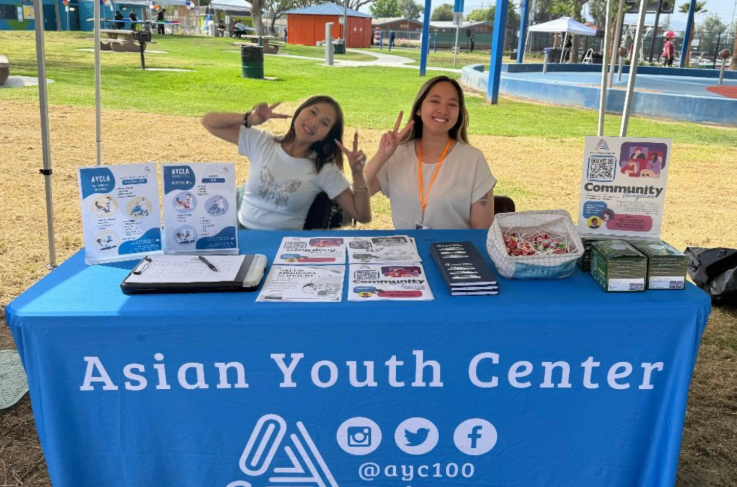
The Asian Youth Center (AYC) is a community-based nonprofit empowering low-income, immigrant, and at-risk Asian American youth through free or low-cost education, employment, and social services across Los Angeles, the San Gabriel Valley, and the Antelope Valley. Serving youth ages 6-24 from diverse AAPI backgrounds, AYC breaks cycles of poverty through culturally and linguistically competent programs that build academic success, career readiness, and family stability in one of California's most underserved regions.
By the numbers:
- Serves over 1,500 youth and families annually through core programs like academic tutoring, job skills training, and case management.
- Distributes up to 30 meals per household through its Emergency Food Program, which is expanded during crises to support 60+ families monthly with fresh groceries, hygiene items, and PPE.
- Provides health and wellness services, including mental health navigation, for seniors in multiple languages, including Mandarin, Cantonese, and Vietnamese.
- Empowers hundreds of youth each year through Youth and Parent Leadership Development (YPLD), including college prep, internships, and emotional wellness workshops.
Focus areas for volunteers (including AAPI-supportive roles):
- Virtual academic tutoring: Help low-income students with homework, test prep, and after-school support to boost grades and college access.
- Resume and job skills coaching: Guide high schoolers and young adults through career workshops, mock interviews, and job placement to support sustainable employment.
- Cultural enrichment and mentorship: Offer remote one-on-one guidance, leadership development, and cultural activities to foster AAPI identity and resilience.
How to get involved:
Remote volunteers can tutor during homework sessions, lead virtual career-readiness workshops, or mentor high school- and college-aged participants, all of which are flexible and can be done from home. For details and to sign up, visit the AYC Contact & Programs page.
3. My Sister’s House: Remote Volunteer Roles Supporting AAPI Survivors
📍 Location: Sacramento, California
My Sister’s House offers a culturally appropriate safe space for Asian and Pacific Islander women and children affected by domestic violence, human trafficking, and sexual assault, serving as the Central Valley's only dedicated shelter for API survivors with 24/7 multilingual support in languages like Mandarin, Vietnamese, Korean, and Tagalog. This nonprofit provides crisis intervention, emergency shelter, counseling, legal advocacy, job training through its Women to Work program, and community education to break cycles of violence and empower underserved families.
By the numbers:
- Operates a 24/7 multilingual hotline handling thousands of calls annually from API survivors seeking immediate safety and resources.
- Offers emergency shelter beds for API women and children, plus counseling and support groups, such as Healing Through Art and #MeToo Survivor sessions.
- Delivers community outreach training to dozens of agencies yearly, including a day-long institute for providers working with API survivors of violence and trafficking.
- Supports Women to Work program, helping domestic violence survivors of all ethnicities transition to employment with job training and advocacy.
Focus areas for volunteers (including AAPI-supportive roles):
- Victim support and advocacy: Staff the 24/7 hotline, provide crisis counseling, legal accompaniment, and helpline support in multiple API languages.
- Mental health and empowerment programs: Facilitate virtual counseling, support groups, parenting classes, and wellness workshops tailored to cultural stigma and needs.
- Anti-trafficking awareness and outreach: Lead community education, professional trainings, media campaigns, and prevention workshops for at-risk API communities.
How to get involved:
Virtual volunteers assist with hotline support, translation services, graphic design for awareness campaigns, online fundraising, and administrative tasks, all from home with flexible hours and monthly orientations. For more details and to sign up, contact volunteermsh@gmail.com or visit the Volunteer Orientation page.
4. Asian Law Alliance: Remote Legal Volunteering for Asian American Communities
📍 Location: San Jose, California
The Asian Law Alliance has defended the legal rights of underserved Asian Pacific Islanders for over 40 years, providing free legal services, advocacy, and community education to low-income, monolingual, and limited-English-proficient residents in Silicon Valley. As a frontline organization tackling systemic inequities, ALA addresses civil rights violations, housing injustice, and immigrant rights through culturally competent support in over 20 languages, including Vietnamese, Mandarin, Tagalog, Hindi, and Punjabi.
By the numbers:
- Serves thousands of low-income clients annually through holistic legal aid covering deportation defense, tenant rights, and family law.
- Operates virtual legal clinics and hotlines addressing eviction crises, wage theft, and public benefits denials for API communities.
- Delivers community education workshops reaching hundreds yearly on Know Your Rights, DACA renewal, and anti-discrimination protections.
- Advocates systemically against hate crimes and racial profiling impacting Santa Clara County’s diverse API populations.
Focus areas for volunteers (including AAPI-supportive roles):
- Legal aid and civil rights advocacy: Support virtual clinics, client intake, research, and case management for housing, employment discrimination, and police accountability cases.
- Immigrant and housing justice: Assist with deportation defense, DACA applications, rental rights workshops, and tenant organizing during Silicon Valley’s affordability crisis.
- Community education and outreach: Translate materials, develop digital content, lead webinars, and amplify campaigns on immigration enforcement and civil liberties.
How to get involved:
Remote volunteers provide administrative support, translation into API languages, participate in virtual legal clinics, and boost digital marketing for outreach, all flexible from anywhere. For details and to sign up, visit the ALA Volunteer page.
5. AALDEF: AAPI Volunteer Opportunities in Civil Rights and Policy Advocacy
📍 Location: New York, New York
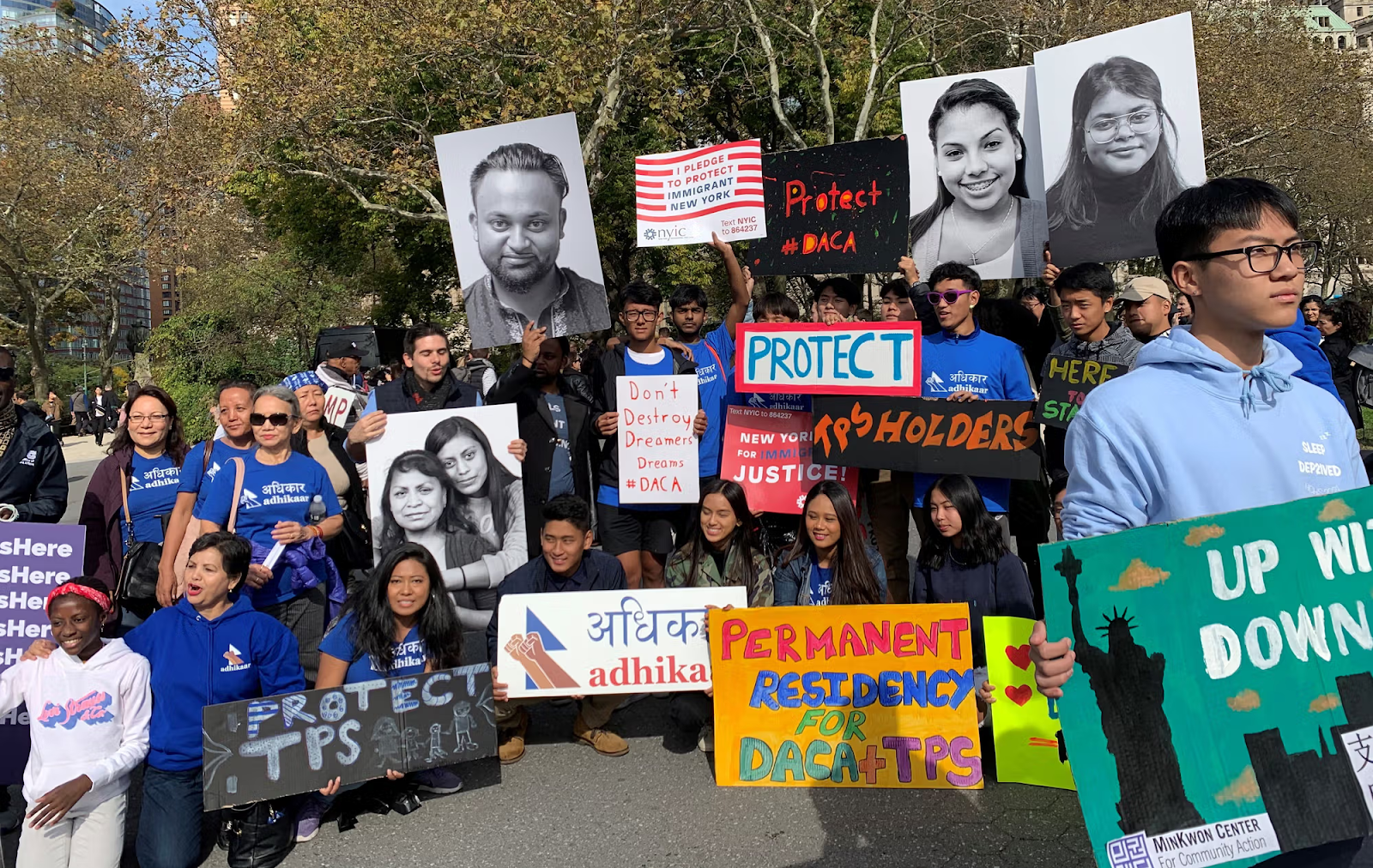
The Asian American Legal Defense and Education Fund (AALDEF) is a leading Asian American nonprofit organization, founded in 1974, that fights systemic injustice through litigation, education, and civic engagement, serving over 20,000 individuals annually across the U.S. As the nation's first organization dedicated to protecting Asian American legal rights, AALDEF combines impact lawsuits, community organizing, and policy advocacy to advance voting rights, combat anti-Asian hate, and secure immigrant and labor protections nationwide.
By the numbers:
- Serves 20,000+ individuals yearly with free legal services, rights workshops, and direct assistance in voting, housing, employment, and immigration cases.
- Mobilizes thousands of poll monitors during elections to safeguard Asian American voters in multiple languages across 20+ states.
- Provides legal aid to victims of hate crimes, partnering with pro bono networks for emergency response and accountability.
- Conducts hundreds of education sessions annually on DACA, tenant rights, and anti-discrimination for low-income AAPI communities.
Focus areas for volunteers (including AAPI-supportive roles):
- Voter rights and democracy: Assist with election monitoring, voter hotlines, ballot-access research, and multilingual outreach to protect AAPI electoral participation.
- Anti-Asian hate and racial justice: Support victim legal clinics, hate crime reporting, community trainings, and campaigns against violence and profiling.
- Labor and immigration law: Help with case research, translation of rights materials, DACA renewals, and workplace justice for immigrant workers.
How to get involved:
Volunteers can contribute to research projects, monitor elections remotely, translate educational materials, or assist in policy campaigns, all from home with flexible opportunities. For details and to sign up, visit the AALDEF Volunteer page.
In-Person AAPI Organizations Driving Local Impact
If you're looking to connect with your community while making a tangible difference, these Asian American nonprofit organizations offer meaningful in-person AAPI volunteer opportunities. Whether it's packing meals, mentoring youth, or revitalizing neighborhoods, these nonprofits invite you to show up and stand with the AAPI community.
6. Koreatown Youth and Community Center (KYCC): Empowering Asian American Youth in Los Angeles
📍 Location: Los Angeles, California
Alt text: Koreatown Youth and Community Center logo representing services for youth, families, and community development
Caption: KYCC supports youth, families, and immigrants through education, housing, and community programs
The Koreatown Youth and Community Center (KYCC), founded in 1975, supports underserved children and families in one of LA’s most vibrant neighborhoods. As a leading Asian nonprofit organization, KYCC provides direct services to 15,700+ individuals annually across 12 locations in Koreatown, delivering culturally competent care in 3 languages (English, Korean, Spanish) to youth, immigrants, and low-income residents through holistic programs that address education, health, housing, and economic stability.
By the numbers:
- Engages 2,017 volunteers yearly across 100+ opportunities, including 500 youth volunteers contributing the most hours to community service.
- Serves 60% foreign-born residents through preschool, K-12 after-school programs, and college prep for recently immigrated youth facing cultural and linguistic barriers.
- Provides supportive housing units, free mental health counseling for youth and API families, and financial coaching, tax prep, and small-business development.
- Runs leadership programs like TEAM tutoring/mentoring, YDAPP drug prevention, and MYLP multicultural youth leadership for K-12 students.
Focus areas for volunteers (including AAPI-supportive roles):
- Education and youth development: Tutor K-8 students as Bridge mentors, support college prep, after-school homework help, and leadership workshops for immigrant youth.
- Mental health and wellness: Assist with free counseling sessions, home visits for API families, and wellness activities that address cultural stigma around mental health.
- Affordable housing and financial literacy: Support park cleanups, neighborhood revitalization, financial coaching clinics, and community events promoting economic stability.
How to get involved:
Volunteers can help with tutoring, mentoring high schoolers, park cleanups, community events, or virtual administrative support, all of which are flexible for local and remote participation. For details and to sign up, visit the KYCC Volunteer page.
7. Celebrate Your Talent: Inclusive Volunteering for Neurodiverse AAPI Individuals
📍 Location: Las Vegas, Nevada
Celebrate Your Talent is a unique AAPI-led organization focused on Twice-Exceptional individuals, people who are both gifted and have learning differences such as autism, ADHD, or dyslexia. Their inclusive educational programs create safe, non-verbal spaces through art, music, and sensory activities that celebrate neurodiversity while addressing cultural stigmas in Asian American communities around mental health and learning challenges.
By the numbers:
- Serves neurodiverse children, teens, and adults from AAPI backgrounds through tailored workshops that foster creativity and self-expression in low-pressure environments.
- Hosts monthly art-based events designed for sensory needs, drawing families seeking alternatives to traditional therapy.
- Builds peer support networks connecting hundreds of participants annually for ongoing growth and advocacy.
Focus areas for volunteers (including AAPI-supportive roles):
- Inclusive education and creativity: Facilitate art, music, and drama workshops that leverage the strengths of twice-exceptional individuals.
- Mental health support and therapy alternatives: Provide 1:1 guidance during sensory-friendly sessions that promote emotional regulation and confidence.
- AAPI neurodiversity advocacy: Support outreach, family education, and campaigns raising awareness in culturally resonant ways.
How to get involved:
In-person volunteers are needed for art-based workshops, sensory-friendly events, and 1:1 support for children and adults with diverse learning needs, perfect for those passionate about inclusive spaces. For details and to sign up, visit the Celebrate Your Talent Volunteer page.
8. Heart of Dinner: Combatting Elderly Isolation in the Asian American Community
📍 Location: New York, New York
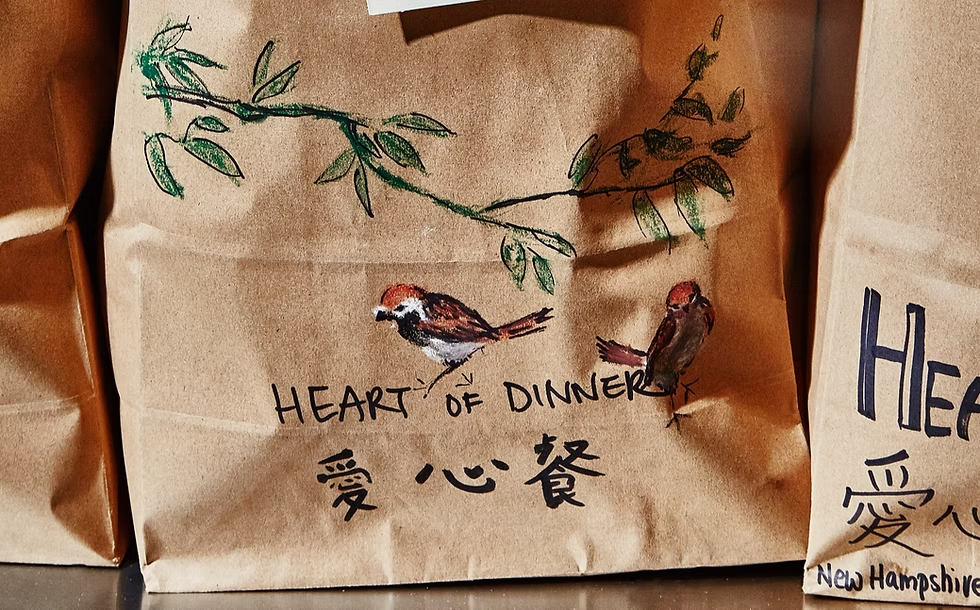
Heart of Dinner tackles food insecurity and loneliness among elderly Asian Americans, delivering hand-decorated care packages filled with culturally appropriate meals from local small businesses and handwritten letters in recipients’ native languages, such as Chinese, Korean, and Japanese, to nearly 800 elders weekly across Manhattan, Brooklyn, Queens, and The Bronx.
By the numbers:
- Delivers over 255,000 meals since 2020 to combat isolation in under-resourced AAPI communities, with each package including nutrition and personal connection.
- Serves nearly 700 elders weekly through Manhattan, Brooklyn, Queens, and the Bronx, expanding in 2025 to wildfire-displaced elders in Los Angeles.
- Relies on dedicated weekly volunteers for assembly, decoration, note-writing, and direct home deliveries to foster emotional wellness.
Focus areas for volunteers (including AAPI-supportive roles):
- Food access and meal delivery: Prepare and pack culturally thoughtful meals sourced from AAPI-owned businesses for weekly distributions.
- Elder care and emotional wellness: Write personalized notes in native languages and deliver packages to build companionship and reduce isolation.
- AAPI cultural preservation and connection: Decorate bags with meaningful designs and host fundraisers preserving heritage through community care.
How to get involved:
Join their in-person volunteer team to prepare meals, decorate delivery bags, write notes in Chinese, Korean, or Japanese, and make heartfelt home deliveries across New York City. For details and to sign up, visit the Heart of Dinner Volunteer page.
9. Faith & Community Empowerment (FACE): Strengthening Asian American Faith-Based Communities
📍 Location: Los Angeles, California
Faith & Community Empowerment (FACE) builds bridges between Asian American churches, civic organizations, and local governments to tackle systemic issues in housing, health, and education. Founded in 2001 and serving for over 20 years, FACE empowers faith leaders and underserved AAPI communities through training, advocacy, and resource access, particularly addressing the "model minority myth" hiding poverty among Korean Americans and other groups in LA.
By the numbers:
- Operates HUD-approved Homeownership Program helping low-income AAPI families achieve stable housing through counseling and down-payment assistance.
- Runs C2 Leadership Institute training for faith leaders to maximize community impact, reaching dozens of churches and nonprofits annually.
- Leads Stop AAPI Hate/Black & Asian Solidarity Initiative alongside AAPI Career Pathways and Clean Energy programs for economic empowerment.
- Facilitates public-private collaborations, including a 2016 White House invitation, to revitalize neighborhoods and expand access to funding.
Focus areas for volunteers (including AAPI-supportive roles):
- Faith-based civic engagement: Support voter registration drives, leadership workshops, and interfaith events amplifying AAPI voices in policy.
- Economic empowerment and housing: Assist homebuyer education, financial literacy sessions, and job placement for immigrant and low-income families.
- AAPI community development: Help organize neighborhood cleanups, youth skill-building, and advocacy against displacement in gentrifying LA areas.
How to get involved:
FACE offers in-person AAPI volunteer opportunities, including hosting events, supporting workshops and voter registration drives, and partnering with faith leaders on initiatives. For details and to sign up, contact info@facela.org or visit FACE's website.
10. Little Tokyo Service Center (LTSC): Preserving Japanese American Culture in LA
📍 Location: Los Angeles, California
The Little Tokyo Service Center (LTSC) is a cornerstone of the Japanese American community in Southern California, providing affordable housing, senior care, youth programs, and cultural initiatives while championing social justice for over 45 years. Operating across multiple sites, including Little Tokyo and Boyle Heights, LTSC serves thousands of low-income residents, seniors, immigrants, and youth through integrated services that preserve Japanese American heritage amid urban redevelopment pressures.
By the numbers:
- Manages over 400 affordable housing units for low-income families, seniors, and disabled individuals in LA's historic districts.
- Serves 2,000+ seniors annually through adult day care, meals, health screenings, and social activities, combating isolation.
- Engages 1,500+ youth yearly in after-school programs, college prep, leadership training, and STEAM education.
- Leads cultural preservation efforts to protect Little Tokyo from displacement while advocating for AAPI equity regionally.
Focus areas for volunteers (including AAPI-supportive roles):
- Affordable housing and senior services: Support senior nutrition programs, wellness checks, housing fairs, and case management for Nikkei elders.
- Cultural and historical preservation: Assist Obon festivals, taiko performances, cultural workshops, and archiving Japanese American stories.
- Social justice advocacy for AAPI communities: Help voter outreach, anti-eviction campaigns, immigrant rights workshops, and coalition building.
How to get involved:
Volunteers help organize community events, support senior wellness programs, assist advocacy campaigns, or preserve Little Tokyo's cultural legacy through flexible in-person roles. For details and to sign up, visit the LTSC Volunteer page.
How to Choose the Right AAPI Nonprofit for Your Company
Not every organization will be the right fit, and that’s okay. Partnering with Asian American nonprofit organizations allows companies to support culturally relevant programs that create lasting change.
Here’s a simple way to narrow it down:
- Start with your company’s priorities: Are you focused on education, mental health, community development, or something else?
- Think about your employees: What causes resonate with them? What kind of volunteering would they actually enjoy?
- Look for scalable opportunities: Can this organization support both small teams and larger company-wide initiatives?
- Check for flexibility: Virtual + in-person options make it easier to include global teams.
- Align on impact: Choose organizations where your contribution (time or skills) clearly supports their mission.
A good partnership should feel like a win for both sides, not just a checkbox.
Ways Your Teams Can Get Involved Year-Round
Impact doesn’t have to be limited to one month or a single campaign. The most meaningful programs are the ones that show up consistently.
Here are simple, practical ways companies can stay engaged throughout the year:
- Run quarterly volunteering events tied to different causes: Rotate focus areas like education, mental health, or community support to keep engagement fresh and relevant.
- Create ongoing mentorship or tutoring programs: Long-term engagement, even just a few hours a month, can make a lasting difference for students and early-career professionals.
- Support nonprofit campaigns through employee engagement drives: Think fundraising challenges, awareness campaigns, or skill-based contributions that teams can participate in together.
- Encourage team-based volunteering challenges: Friendly competition among teams can boost participation while building stronger internal connections.
- Offer paid volunteer time off (VTO): Giving employees dedicated time to volunteer removes one of the biggest barriers to participation.
- Blend virtual and in-person opportunities: This makes it easier to include remote and global teams, ensuring no one is left out.
- Celebrate and share impact internally: Highlight stories, milestones, and employee contributions to keep momentum going and inspire more people to get involved.
Consistency is what turns small actions into lasting impact, not just for the community but for your teams as well.
Why Volunteer with Goodera?
As we celebrate AAPI Heritage Month, there’s no better time to uplift and support the incredible work of Asian American organizations and Asian nonprofit organizations across the country. Whether you're looking to give back virtually or in person, Goodera makes it easy for individuals and teams to get involved. By supporting Asian nonprofit organizations, companies can play a direct role in strengthening underserved communities.
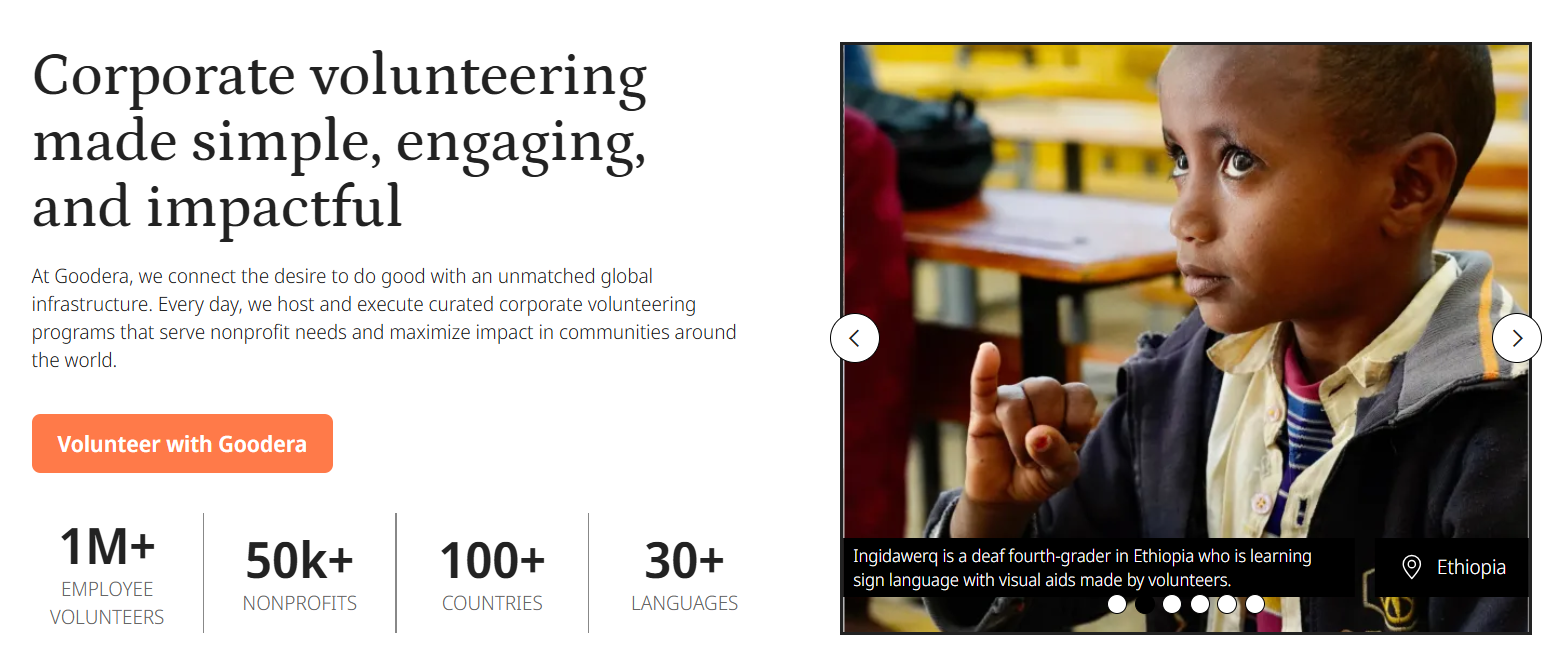
At Goodera, we partner with more than 50,000 vetted nonprofits worldwide, including the AAPI organizations featured above, to create meaningful volunteer experiences. Each of these Asian nonprofit organizations is committed to advancing diversity, equity, and inclusion. Your time and support can help advance their missions.
We take care of the logistics so you can focus on creating impact. From curating cause-based opportunities and managing event operations to promoting and hosting events in over 20 languages across more than 100 countries, Goodera makes volunteering seamless and accessible for everyone.
Exploring AAPI organizations to support is one of the simplest ways to turn intent into real, measurable impact. Join us in making a real difference this AAPI Heritage Month. Sign up with Goodera to volunteer with purpose and join a global movement empowering the AAPI community.
Frequently Asked Questions
1. Why is it important to support AAPI-led organizations year-round and not just during awareness months?
While Asian American and Pacific Islander Heritage Month in May shines a spotlight on AAPI communities, their needs and contributions extend far beyond a single month. Many AAPI-led nonprofits address ongoing issues such as racial equity, immigrant rights, language access, cultural preservation, and representation in media and politics. Supporting these organizations year-round helps sustain their programs, fund advocacy efforts, and ensure they can respond quickly to emerging challenges like hate crimes or policy changes. Consistent engagement also deepens your relationship with the community, moving beyond symbolic gestures toward long-term allyship.
2. What types of initiatives do AAPI nonprofits typically focus on?
AAPI nonprofits have diverse focus areas depending on their mission and community needs. Some provide direct services like legal aid for immigrants, mental health counseling in native languages, and job training for underrepresented groups. Others work on advocacy, pushing for policy reforms on voting rights, educational equity, and anti-discrimination laws. Cultural organizations often promote heritage through festivals, art exhibits, and educational programs, while community-based groups address urgent needs such as food insecurity and housing assistance. By supporting a range of initiatives, you help strengthen the economic, cultural, and political fabric of AAPI communities.
3. How can individuals outside the AAPI community support these organizations meaningfully?
Allyship starts with listening, learning, and amplifying AAPI voices. You can begin by educating yourself on AAPI history and the systemic challenges these communities face. From there, engage directly, attend events, share their campaigns on social media, donate funds or skills, and volunteer your time. Importantly, let the organizations lead the conversation about what support they need, rather than assuming. Choosing AAPI vendors for events, reading and promoting AAPI authors, or advocating for inclusive workplace policies are also impactful ways to extend your support beyond financial contributions.
4. Are corporate partnerships with AAPI organizations effective?
Yes, when done thoughtfully, corporate partnerships can significantly increase the reach and impact of AAPI organizations. These collaborations can bring in funding, resources, and visibility, while also helping companies advance their diversity, equity, and inclusion (DEI) goals. The most successful partnerships are those that are mutually beneficial and rooted in respect for the nonprofit’s mission. For example, a company might sponsor cultural programming, provide pro bono services, or run employee volunteer events in partnership with AAPI organizations. Long-term commitments often yield deeper community trust than one-off sponsorships.
5. How can I find trustworthy AAPI organizations to donate to?
Start with reputable nonprofit directories such as GuideStar, Charity Navigator, or local community foundations that curate vetted lists of AAPI-led organizations. The blog you’re reading already highlights several impactful options, but you can also look into groups with a clear mission statement, transparent financials, and visible community engagement. Social media can be another useful tool; many grassroots AAPI organizations share real-time updates about their work, events, and impact, giving you a better sense of how your contributions will be used.
6. What are AAPI Organizations and who do they serve?
AAPI Organizations are nonprofits serving Asian American and Pacific Islander communities, which make up over 7% of the US population and represent the fastest-growing racial group. These groups deliver culturally tailored services in areas like mental health, legal advocacy, elder care, and civic engagement. They address unique challenges such as language barriers, immigration status, and mental health stigma that mainstream services often overlook.
7. How do AAPI Organizations measure the impact of their programs?
AAPI Organizations track impact through outcome metrics such as clients served, languages supported, legal cases resolved, and voter registrations completed. Health-focused groups record patient visits and screening rates, while civic organizations report turnout gains during elections. Many publish annual reports covering advocacy wins, policy changes influenced, and dollars redistributed to grassroots efforts across immigrant, refugee, and low-income Asian communities.
8. How can employees volunteer virtually with AAPI Organizations?
Employees can contribute virtually through translation services, tutoring English learners, mentoring youth, offering pro bono legal or marketing help, and moderating online peer groups on mental health. Skills-based projects like website audits, grant writing, and data analysis are especially valuable to small AAPI nonprofits. Virtual formats also let distributed teams participate together during AAPI Heritage Month in May.
9. How can Goodera help companies engage with AAPI Organizations?
Goodera connects corporate teams to vetted AAPI nonprofits through curated virtual and in-person volunteering events, skills-based projects, and Heritage Month programming. Companies can activate ERGs, run dollars-for-doers matching, and measure participation across offices worldwide. The platform handles partner onboarding, impact reporting, and event logistics, making it easier to sustain year-round partnerships rather than one-off May campaigns.
10. Why is AAPI Heritage Month important for corporate volunteering?
AAPI Heritage Month, observed every May, offers a focused window for companies to spotlight Asian American and Pacific Islander contributions and fund community organizations. It drives ERG activations, cultural learning sessions, and volunteer campaigns tied to specific nonprofits. Sustaining these efforts beyond May through year-round grants and skills-based volunteering prevents tokenism and builds deeper trust with community partners.


.webp)