St. Patrick's Day Trivia Questions: Everything You Should Know about St. Patrick’s Day

There is a version of St. Patrick’s Day that most people know well: wearing green, watching a parade, sharing a meal with friends, and celebrating all things Irish. It is one of those holidays that feels familiar, even if we have never stopped to ask where the traditions came from.
That is what makes St. Patrick’s Day trivia so much fun. Behind every shamrock, leprechaun, parade, and Irish blessing is a story, and many of them are far more interesting than people expect. This quiz is your chance to discover the history, legends, traditions, and surprising facts that have shaped the holiday over the centuries. Whether you're hosting a trivia night, planning a team activity, or simply curious about Irish culture, these questions will help you celebrate March 17 with a little more knowledge and a lot more appreciation.
Let's get into it.
Trivia Questions on St. Patrick's Day: Understanding the History and Origin
These are the foundational questions that explore the history, origins, and traditions behind St. Patrick’s Day.
1. What Year Did St. Patrick Die, and Why Does That Date Matter?
St. Patrick died on March 17, in the year 461. That date became the anniversary now celebrated as St. Patrick's Day, and Christian feast observances marking it began in Ireland during the ninth and tenth centuries, more than a thousand years ago.
2. Where Was St. Patrick Actually Born?
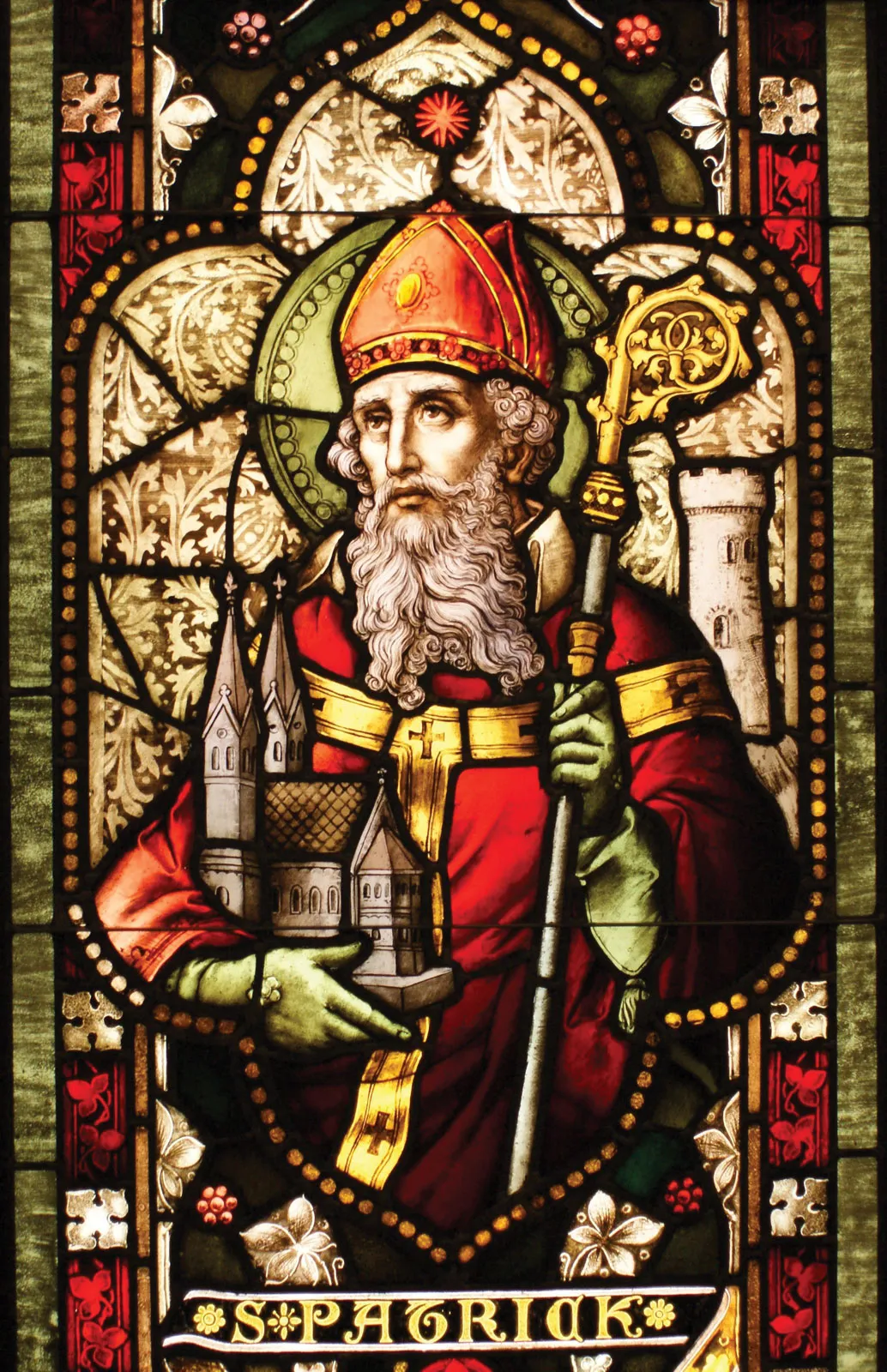
Despite being Ireland's patron saint, St. Patrick was born in Roman Britain around 386 AD, in what is today recognized as somewhere across England, Scotland, or Wales. He was not Irish by birth at all.
3. How Did St. Patrick End Up in Ireland the First Time?
He did not choose to go. St. Patrick was kidnapped by Irish raiders at the age of 16 and taken to Ireland, where he lived as a slave for nearly six years before escaping.
4. What Was St. Patrick's Birth Name Before He Became "Patrick"?
His birth name was Maewyn Succat. He adopted the name Patrick after escaping to France, taking refuge in a monastery, and embracing Christianity, eventually returning to Ireland as a missionary around 432 CE.
5. Where Did the First St. Patrick's Day Parade Take Place?
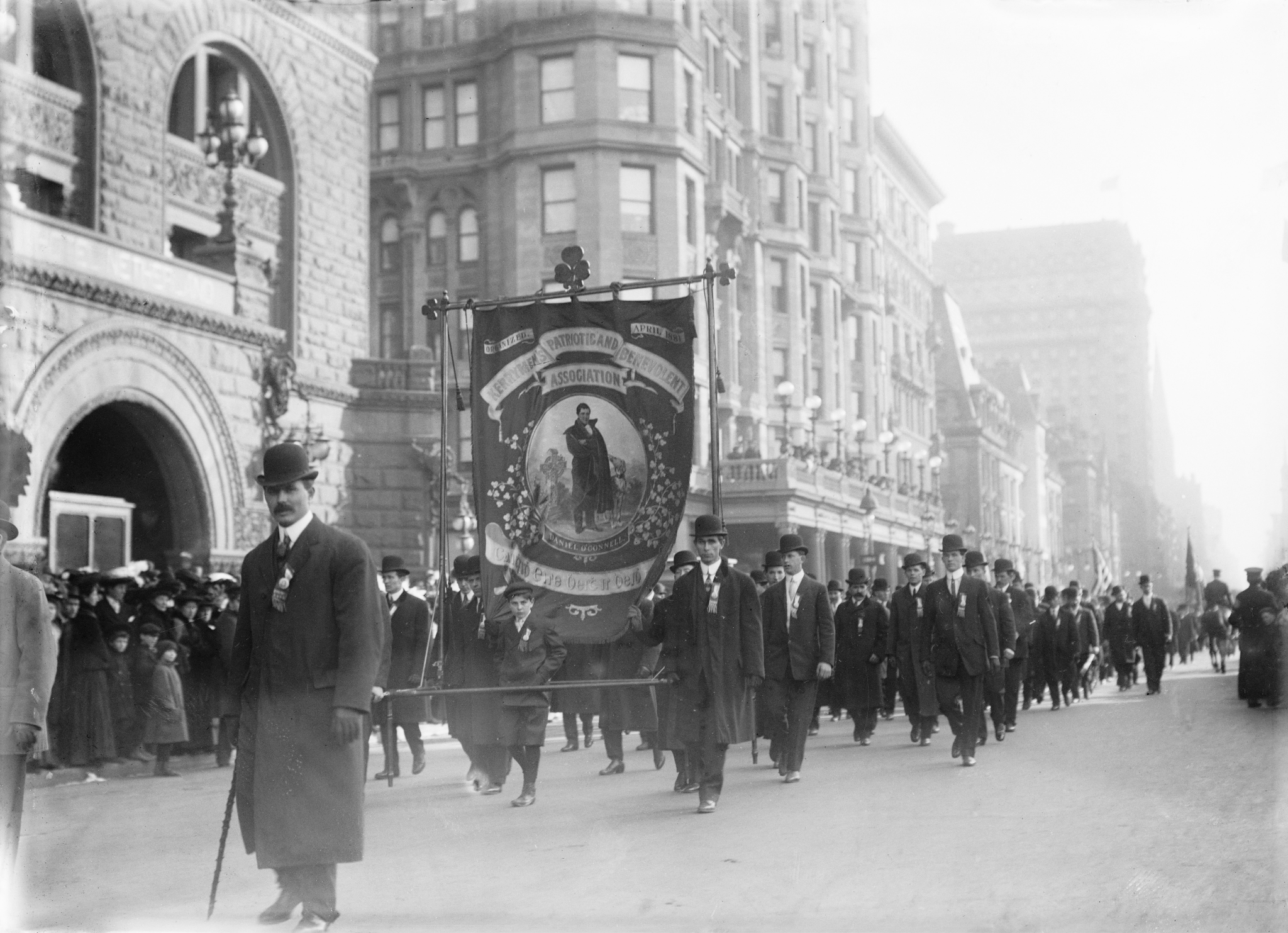
Not in Ireland. The earliest known parade in St. Patrick's honor was held at the start of the 17th century, and the first officially recorded parade took place in New York City in 1762, organized by Irish soldiers serving in the British army who wanted to reconnect with their heritage.
6. When Did Ireland Finally Host Its Own St. Patrick's Day Parade?
It took a surprisingly long time. The parade tradition didn't reach Ireland until 1931, more than 150 years after Irish soldiers were already parading in New York.
7. What Historical Event Made St. Patrick's Day a Major American Holiday?
The Irish potato famine. When the crop failed between 1845 and 1849, over a million Irish immigrants arrived in cities like New York and Boston, bringing their traditions with them. St. Patrick's Day did not become prevalent in American culture until around 1850, directly tied to this wave of immigration.
Celebrate important heritage moments at work with Goodera:

Trivia Questions on St. Patrick's Day Symbols
The symbols are where the real surprises live. Almost nothing about the modern iconography of this holiday is what it first appears to be.
8. What Did the Celts Call the Shamrock, and What Did It Represent Before St. Patrick?
The Celts called the three-leafed clover a seamroy, and it was considered a sacred plant in ancient Ireland because it symbolized the rebirth of spring, long before any association with the Holy Trinity existed.
9. When Did the Shamrock Become a Symbol of Irish Nationalism?
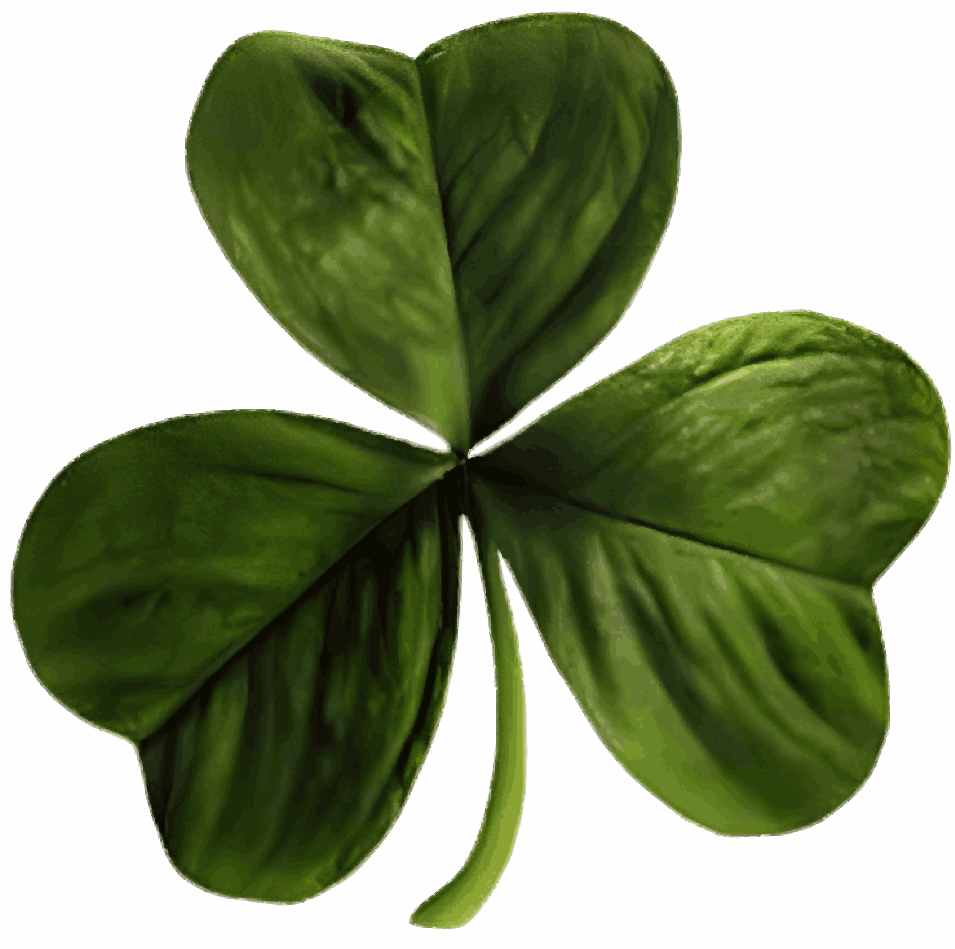
By the 1600s, the shamrock had become a symbol of emerging Irish nationalism, worn as an act of pride and quiet defiance as the English seized Irish land and restricted the Irish language and Catholic practice.
10. Does the Shamrock Actually Exist as a Real Plant Species?
Not exactly. According to Smithsonian researcher Bess Lovejoy, the shamrock is a mythical plant, a symbol that exists as an idea, shape, and color rather than a scientific species. A plant called a scoth-shemrach appears in Irish myths, but the name was not linked with clover until the 16th century.
11. What Does the Original Irish Word for "Leprechaun" Actually Mean?
The original Irish name for the leprechaun is lobaircin, meaning "small-bodied fellow." The belief likely descends from Celtic fairy folklore, tiny magical beings capable of either good or mischief.
12. What Job Did Leprechauns Have in Original Irish Folktales?
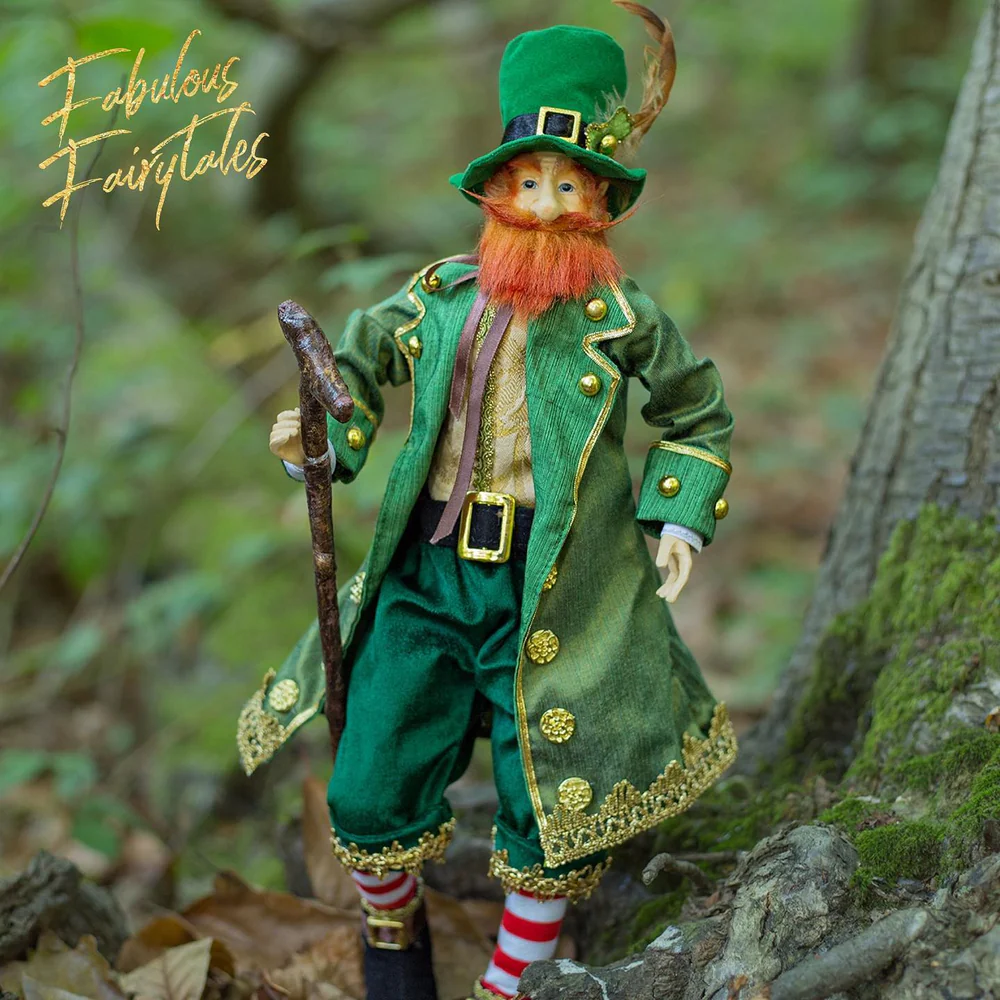
In Celtic folktales, leprechauns were cranky souls responsible for mending the shoes of other fairies. The image of a leprechaun as a treasure-hoarding trickster came later, though the trickery itself is an old part of the legend.
13. What Color Were Leprechauns Originally Described As Wearing?
Red, not green. Tales about leprechauns date back to before green became associated with the holiday at all, and the earliest descriptions consistently dressed them in red.
14. What 1959 Disney Film Helped Cement the Modern Green-Suited Leprechaun Image?
Darby O'Gill and the Little People. Walt Disney's visit to Ireland inspired the film, which featured a leprechaun in the now-familiar green pants, coat, yellow waistcoat, and buckled shoes, an image later reinforced by mascots like Lucky from Lucky Charms cereal.
15. Is the Shamrock a Legally Protected Symbol in Ireland?
Yes. The shamrock is so closely tied to Irish identity that it is a registered trademark of the Irish government, one of the few national symbols anywhere in the world to hold that legal status.
16. When Did Leprechauns Get Their Own Separate Holiday?
May 13. Leprechauns have their own holiday on that date, distinct from St. Patrick's Day, though they remain heavily associated with both occasions.
St. Patrick's Day Trivia Questions on Food, Color, and American Traditions
This is where Irish tradition and American adaptation collide most visibly, and where some of the most commonly repeated "facts" about the holiday turn out to be entirely American inventions.
17. What Did the Irish Traditionally Eat on St. Patrick's Day Before Corned Beef Became Standard?
Bacon and cabbage. In Ireland, bacon and cabbage were served on special occasions, including St. Patrick's feast day, for generations before corned beef ever entered the picture.
18. Why Did Corned Beef Replace Bacon in Irish-American St. Patrick's Day Meals?
When Irish immigrants arrived in America, they found that bacon was expensive and hard to come by. Corned beef, sold by Jewish butchers in New York City, was more affordable and accessible, and it gradually became the Irish-American staple instead.
19. How Did Green Become the Color of St. Patrick's Day, Given Its Religious Origins?
The shift to green happened gradually, tied to Ireland's lush landscape, the symbolism of the shamrock, and most decisively, the 18th-century Irish independence movement, which adopted green as its political symbol.
20. What Is the Superstition Behind Wearing Green and Avoiding Pinches?
Wearing green is believed to bring good luck and to ward off pinches from mischievous leprechauns, who supposedly cannot see anyone dressed in green. The pinching tradition itself is an American addition with no roots in Irish folklore.
21. Which American City Dyes Its River Green Every Year, and Who Started the Tradition?
Chicago. Officials there turn the Chicago River green every year in honor of St. Patrick's Day and the many Irish immigrants who helped settle the city, a tradition that has continued for decades.
22. What Did St. Patrick's Day Look Like in Ireland Before It Became a Festive Holiday?
It was a religious feast day. Families traditionally attended Mass and later watched a parade honoring St. Patrick's life. The boisterous, celebratory version of the holiday familiar today developed largely outside Ireland, particularly in the United States.
23. How Long Has St. Patrick's Day Been Observed as a Holiday in Some Form?
More than 1,500 years. While the festive parades and green beer are relatively recent additions, the underlying religious observance of St. Patrick's death traces back to the ninth and tenth centuries, itself centuries after his actual death in 461.
Quick-Fire Round: Rapid St. Patrick's Day Trivia Questions
For a faster pace, here are short-answer questions you can fire off one after another. Each answer is still sourced, just condensed.
24. True or False: St. Patrick Was Born in Ireland.
False. He was born in Roman Britain and only came to Ireland after being kidnapped as a teenager.
25. What Three Things Did St. Patrick Reportedly Use the Shamrock to Explain?
The Holy Trinity, specifically the Father, Son, and Holy Spirit, according to long-standing legend, though some accounts suggest the number three already held sacred meaning in Irish mythology before his arrival.
26. What Nationality Were the Soldiers Who Held the First Recorded St. Patrick's Day Parade?
Irish soldiers serving in the British army organized the 1762 New York parade as a way to reconnect with their heritage while stationed far from home.
27. What Was the Original Color Associated With Leprechauns Before Green Became Standard?
Red. The shift to green-clad leprechauns came much later, popularized largely through 20th-century film and branding.
28. How Many Years Did the Parade Tradition Take to Travel From New York to Dublin?
Roughly 170 years. The first recorded parade was in New York in 1762, while Ireland's first parade didn't happen until 1931.
29. What Event Caused the Largest Wave of Irish Immigration That Helped Popularize the Holiday in America?
The potato famine, which struck between 1845 and 1849 and sent over a million Irish immigrants to American cities, bringing St. Patrick's Day traditions with them.
30. What Modern Legal Status Does the Shamrock Hold in Ireland?
It is a registered trademark of the Irish government, a rare distinction for a national plant symbol anywhere in the world.
Final Thoughts
A holiday that often feels simple from the outside turns out to carry centuries of stories beneath the surface. What began as a religious observance became a celebration shaped by migration, folklore, national identity, and cultural exchange. The shamrocks, parades, leprechauns, and traditional meals all have histories of their own, and together they tell a much bigger story than most people realize.
Next March 17, you'll have more than green clothes to bring to the table.
Frequently Asked Questions About St. Patrick's Day Trivia
1. What Is the Most Surprising St. Patrick's Day Trivia Fact?
For most people, it is the discovery that St. Patrick was not Irish. He was born in Roman Britain and only came to Ireland after being kidnapped and enslaved as a teenager, a detail that runs counter to almost everything the holiday's branding suggests.
2. Are St. Patrick's Day Parades an Irish or an American Tradition?
Both, but America came first. The earliest recorded parade took place in New York City in 1762, organized by Irish soldiers in the British army. Ireland did not hold its own parade until 1931, nearly two centuries later.
3. Why Do People Associate St. Patrick's Day With Corned Beef and Cabbage?
This dish is an Irish-American adaptation, not a traditional Irish meal. In Ireland, bacon and cabbage was the customary dish. Irish immigrants in America substituted corned beef because it was more affordable and available from local butchers.
4. What Is the Real Origin of the Leprechaun?
The leprechaun traces back to Celtic fairy folklore, where small magical beings called "lobaircin" were responsible for mending the shoes of other fairies. The modern image, green-suited and treasure-hoarding, is a relatively recent invention shaped heavily by American film and marketing in the 20th century.
5. Is the Shamrock a Real Plant?
Not in the scientific sense. According to Smithsonian researchers, the shamrock is best understood as a mythical symbol, an idea and a shape rather than a distinct botanical species, even though it is universally recognized as a clover.
6. How Long Has St. Patrick's Day Been Celebrated?
The underlying religious observance dates back to the ninth and tenth centuries, commemorating St. Patrick's death in 461 CE. The festive, parade-centered version familiar today is much more recent, largely shaped by Irish immigrants in 19th-century America.
Frequently Asked Questions
1. What is St. Patrick's Day and why is it observed on March 17?
St. Patrick's Day is a cultural and religious celebration honoring Saint Patrick, the patron saint of Ireland, who is believed to have died on March 17, 461 AD. Christian feasts marking the date began in the 9th and 10th centuries and eventually grew into the global celebration of Irish heritage, music, food, and language seen today.
2. Who was St. Patrick and where was he actually born?
St. Patrick was a fifth-century Christian missionary credited with bringing Christianity to Ireland, but he was not Irish by birth. He was born in Roman Britain around 386 AD under the name Maewyn Succat, was kidnapped by Irish raiders at age 16, and adopted the name Patrick after his conversion to Christianity in France.
3. Why is the Shamrock associated with St. Patrick's Day?
The three-leafed shamrock is tied to St. Patrick because he reportedly used it to explain the Christian concept of the Holy Trinity, the Father, Son, and Holy Spirit, to the people of Ireland. Over time, the plant became a symbol of Irish identity and appears widely on decorations, apparel, and workplace celebrations each March 17.
4. Why do people wear green on St. Patrick's Day?
Wearing green is now a global St. Patrick's Day tradition, though the original color linked to Ireland was blue. Green rose in popularity through the shamrock, the country's lush landscape, and 18th-century Irish independence movements. Today, employees often join workplace dress-code activities and photo challenges built around head-to-toe green outfits.
5. Where and when was the first recorded St. Patrick's Day parade held?
The first officially recorded St. Patrick's Day parade did not take place in Ireland but in New York City in 1762, organized by Irish soldiers serving in the British army. Larger public parades in Ireland only became common much later, and today cities like Dublin, Boston, and Chicago host some of the world's biggest processions.
6. How can St. Patrick's Day trivia engage remote and hybrid teams?
A virtual trivia round works well for remote and hybrid teams because it fits into a 30-minute call and needs no travel or setup. Managers can drop questions into a Slack channel throughout the day, host a Zoom quiz with breakout groups, or run a live game-show format. Small prizes and mixed-locale teams boost participation.
7. What are good categories to include in a St. Patrick's Day workplace quiz?
Strong categories mix light history, pop culture, and food so every player finds an entry point. Common ones include the life of St. Patrick, Irish geography, Irish music and film, traditional dishes such as bacon and cabbage, landmarks like the Blarney Stone, and modern traditions like Chicago dyeing its river green since 1962.
8. Why is corned beef and cabbage linked to St. Patrick's Day?
Corned beef and cabbage is often called the classic St. Patrick's Day meal, but it is actually an Irish-American tradition rather than a dish from Ireland. Irish families historically ate bacon and cabbage; 19th-century Irish immigrants in New York swapped bacon for the cheaper corned beef sold by neighboring butchers, and the pairing stuck.
9. How can companies celebrate St. Patrick's Day inclusively at work?
Inclusive celebrations focus on cultural learning rather than stereotypes. Teams can share a short history briefing, invite Irish colleagues to lead a session, run a trivia game, feature Irish authors or musicians, and keep participation optional. Alcohol-free activities, accessible virtual formats, and translated materials help global offices join without feeling excluded.
10. What common mistakes should organizers avoid when running St. Patrick's Day trivia?
The biggest mistakes are relying on stereotypes, choosing questions that are too obscure, and running the quiz too long. Keep the round to 10 to 15 questions, balance easy and hard items, avoid clichés about drinking, and verify facts against credible sources before publishing. A short debrief that shares answers and their history keeps the session educational.