Connections
Connections has always been an outcome of volunteering. Connections makes it intentional.
Book a conversation
GOAL
Together, we will engage 10,000 employees in Connections by the end of 2027.


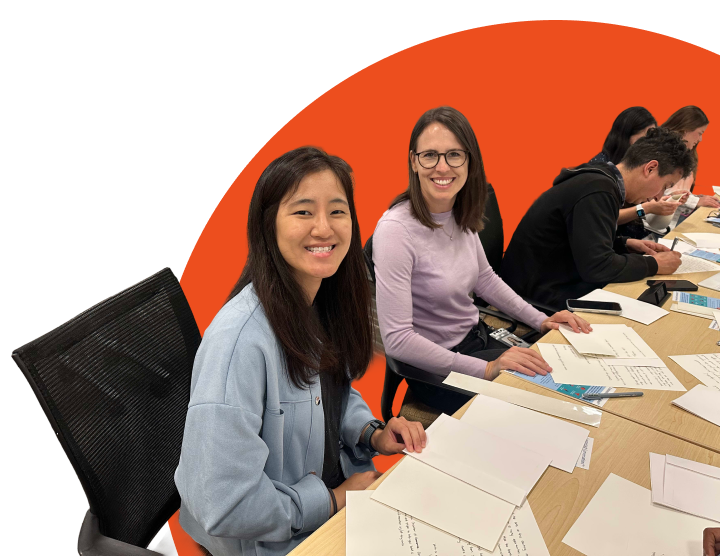
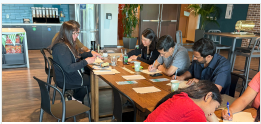
The thoughtful design of connected conversations moved our colleagues into a space of empathy and intentionality.
Many of our teammates left saying that was the most impactful event they have attended with the company.
Loneliness Is a Public Health Epidemic.
Social disconnection now defines the American experience, eroding our shared humanity and impacting health, democracy, and quality of life.
1 in 2
people are at risk of social disconnection.
Only
16%
say most people can be trusted.
4.5x
more likely to report productivity issues when employees are lonely
Volunteering has the power to bring people together.
People who regularly volunteer report stronger social support, greater life satisfaction, and higher trust in others.
~6x
less likely to be at risk of disconnection
3x
more likely to connect across differences
But connection doesn’t happen by accident.
The US Chamber of Connection maps it to six everyday behaviors, the Six Points of Connection: a trusted neighbor, a group you belong to, a close relationship, a regular place, a shared activity, and community service. Volunteering is one of them.
Only
1 in 4
Americans practice four or more of the six proven behaviors that build connection.
Source: US Chamber of Connection, Social Connection Index (2026)

Introducing Connections
Volunteering side by side towards a shared goal lowers the barriers that small talk never can, priming people to connect.
64% of employees say volunteering strengthens camaraderie with their colleagues (Deloitte, 2024).
Goodera has partnered with the US Chamber of Connection, the national nonprofit working to reverse the decline in social connection and trust.
Connection has always been an outcome of volunteering. Connections makes it intentional.
The Science Behind Connection
Building strong connections is more structured than it feels. We did an extensive research on how strong connection is built, the neuroscience behind the research, and how strong connections help teams.
Warm Up
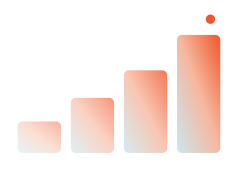
Escalation (Aron et al., 1997)
Pairs of strangers who worked through questions that got personal in stages ended up closer than pairs who simply talked for the same time.
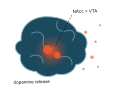
Sharing Activates the Reward System
(Tamir & Mitchell, 2012)
Talking about your own experience activates the brain's reward circuitry — the same system that responds to food and money. The effect is strong enough that people gave up real money for the chance to talk about themselves instead.

Reward keeps people engaged
(Gallup)
Employees with a best friend at work are 7x more likely to be engaged. When connecting feels rewarding, people lean in instead of checking out.
Click to see what
happens inside the brain
Peeling the Layers
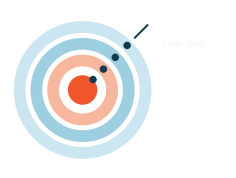
Order (Altman & Taylor, 1973)
Skip ahead and ask for more than the moment has earned, and it can backfire. Closeness grows one layer at a time, as each side opens up a little more.
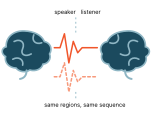
Listening Syncs Two Brains
(Stephens, Silbert & Hasson, 2010)
As a story is told and received, the listener's brain activity begins to mirror the speaker's. In regions tied to anticipation the listener ran ahead of the speaker, predicting where the story was going. When communication broke down, the coupling disappeared entirely.

In sync, teams perform
(Pentland, HBR 2012)
A pattern of communication patterns predicts performance better than talent or IQ. When people are on the same wavelength they anticipate and coordinate.
Click to see what
happens inside the brain
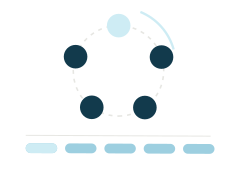
Reciprocity
Sprecher et al., 2013
None of it holds if it is one-sided. Closeness comes from matched exchange, the same prompt going all the way around the group.
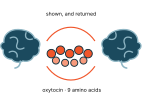
Being Trusted Releases Oxytocin
Zak et al. (2005)
When people were shown trust, their bodies released oxytocin, and those with higher oxytocin levels were more trustworthy in return.

Trust makes teams safe
(Google, Project Aristotle)
Across 180 teams, psychological safety was the #1 driver of team effectiveness. Reciprocal trust lets people take risks with each other.
Click to see what
happens inside the brain
We translated the research into a model we call
The Connection Ladder
Connection builds in five rungs, from just sharing a room to wanting to come back, and people rarely climb them on their own. That is what the ten designed moments are for: each one lifts the room from one rung to the next.

Co-Presence
Just in the room with others

Recognition
Know a name and a face

Disclosure
Something real is shared and heard

Shared action
A goal reached together

Continuation
A reason to connect again
Naming the Design
Host names what's being built, and why.

Show of Hands
A quick hands-up poll of how connected the room feels, at the start and the end.

Meet Your Pair
Host-assigned introductions before the task, so no one stays a stranger

Disconnect to Connect
Phones down, with a clear rule for when they come back.

Connected Conversations
Short, structured turns on prompts themed to the cause.

What Connects Us
A shared canvas that fills during the activity and becomes a keepsake.

Call and Response
Quick call-and-answer moments that move the whole room together.

Canvas Handover
Reading the canvas aloud and handing it to the champion.

Connection Threads
A bracelet and beads to give away, in the room and beyond it.

Connection Pulse
A 90-second survey, the same at every event, so impact adds up.
Connection Initiatives
Every initiative runs on the same Connection Ladder. What changes is what the volunteering is for.
The Connection Ladder in Practice
Take a volunteering activity your team already loves—packing essentials, building, preparing meals—and we embed the Connection Ladder into the hour around it. The cause still gets the work done. Your team leaves more connected with each other.
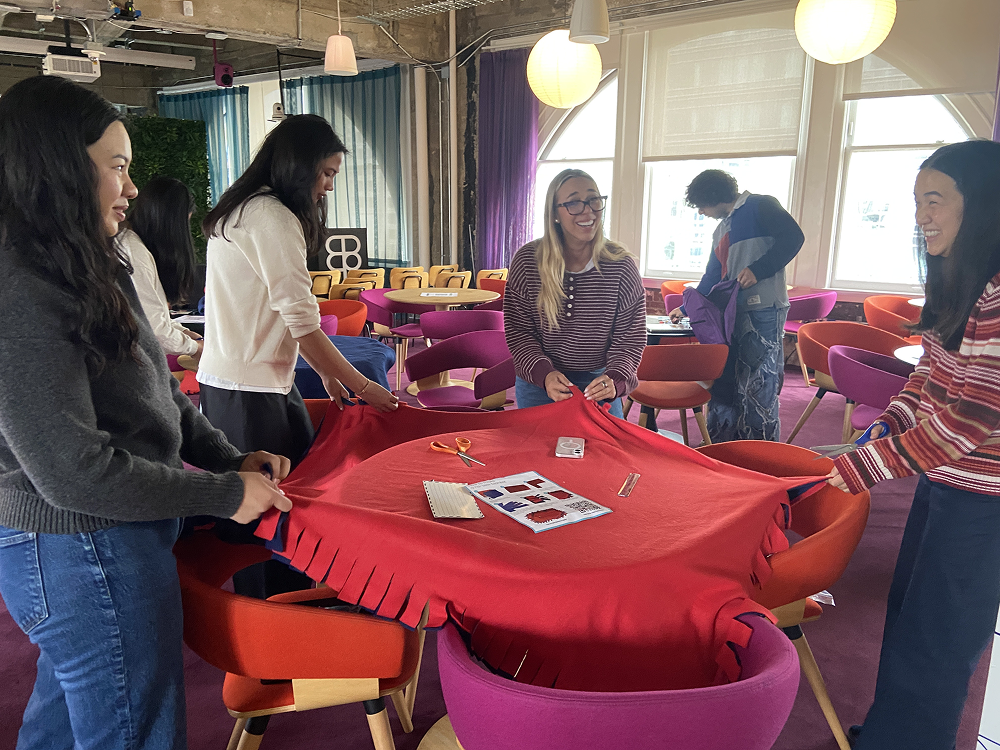
After Connections
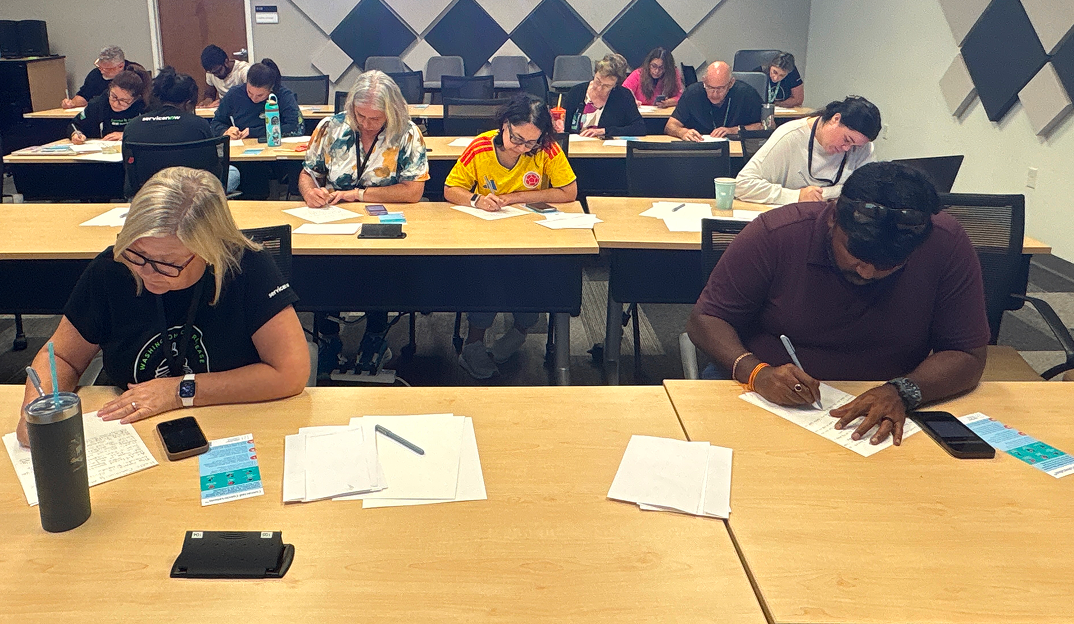
Before Connections
Compare run of shows
Sample: path-following robot activity (60 mins)


These experiences are delivered by our certified connection hosts.
Scroll sideways to follow the full hour →
One hour, one timeline. Nothing is added to the run of show — the connection moments sit inside time the activity already spends.
Certified Connection Hosts
A Certified Connection Host has been trained and assessed against the Connection Enhanced Volunteering standard, developed by Goodera in partnership with the US Chamber of Connection, covering how to design and facilitate volunteering experiences that build social connection between participants.

Completed the full training module and passed a knowledge check at 80%, including mandatory duty-of-care items.

Observed delivering live and scored against a six-competency rubric.

Delivered a minimum of three live connection-enhanced events, running every element.

Subject to ongoing quality assurance and 12-month recertification.
Three levels of certification
Connections in Action
“Everyone is in the same boat when trying to make connections and new friends.
You think everyone has their own community already but we all are still looking for our people.”
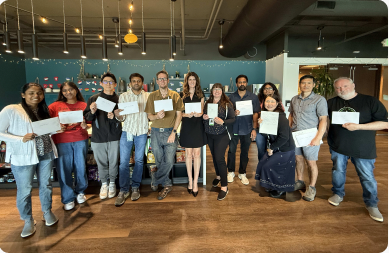
“Connection
is like oxygen”
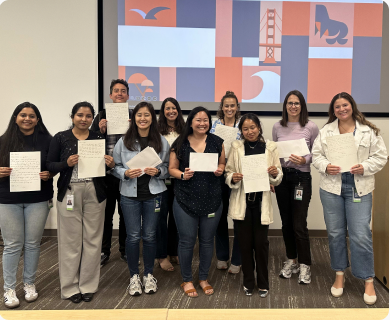
“Many of our J&J colleagues left saying that was the most impactful event they have attended with the company.”
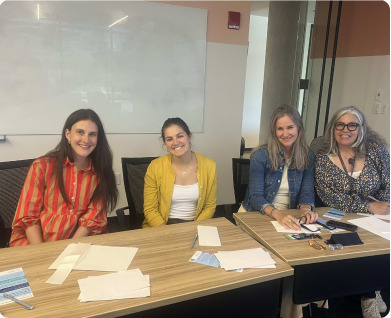
“Lovely to connect with someone you normally wouldn’t get a chance to talk to.
Life experiences can draw you together as humans.”
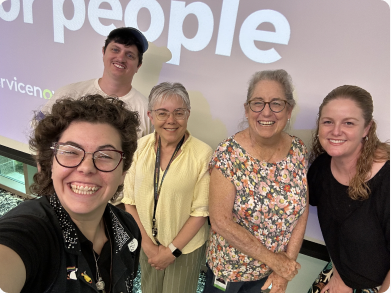
“Most rewarding part was helping someone feel less alone.”
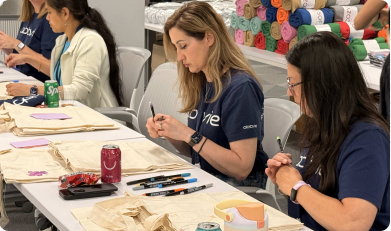
“Takes me back
to pen pal days... I miss writing!”
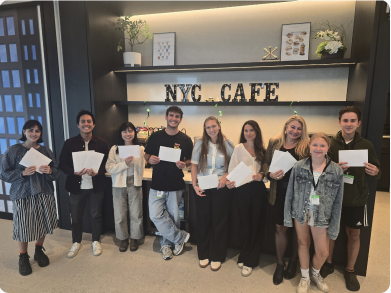
“Connecting with a teammate in the one on one breakout session was memorable. It helped take away the anonymity of just being one more person on a zoom meeting. And brought together 2 work colleagues that otherwise wouldn’t have crossed paths.”
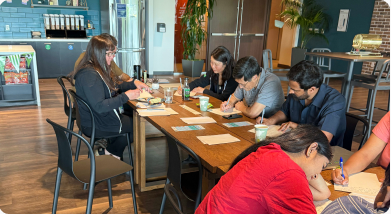
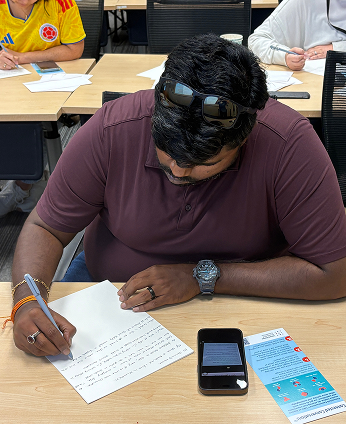
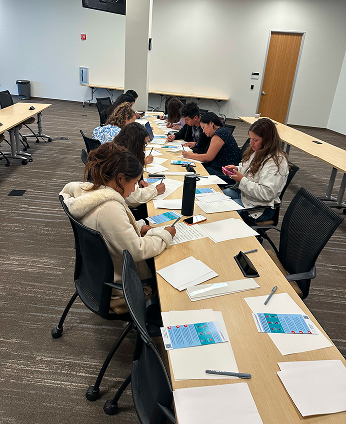
“ Thank you for your thoughtful design to bring connected conversations into this letter writing event. It helped move our J&J colleagues into a space of empathy and intentionality.”
Built on Years of Designing Experiences That Brings People Closer

Goodera is a corporate volunteering platform trusted by some of the world’s largest companies to design and deliver meaningful volunteer experiences at scale.
Connections is the next chapter of that work — built on everything we’ve learned about what makes volunteering truly matter.

“Disconnection isn’t a personal problem anymore, it’s a design problem.”
- Abhishek Humbad
- Founder & CEO, Goodera

The US Chamber of Connection is a national movement working to reverse the decline in social connection and trust. It mobilizes cross-sector leaders to activate, measure, and advocate for connection in their communities.
Together, we’re turning connection from a hoped-for side effect into something designed for, and built to last.

“The decline in connection and trust is the greatest challenge of our time.”
- Aaron Hurst
- CEO and Founder,
US Chamber of Connection